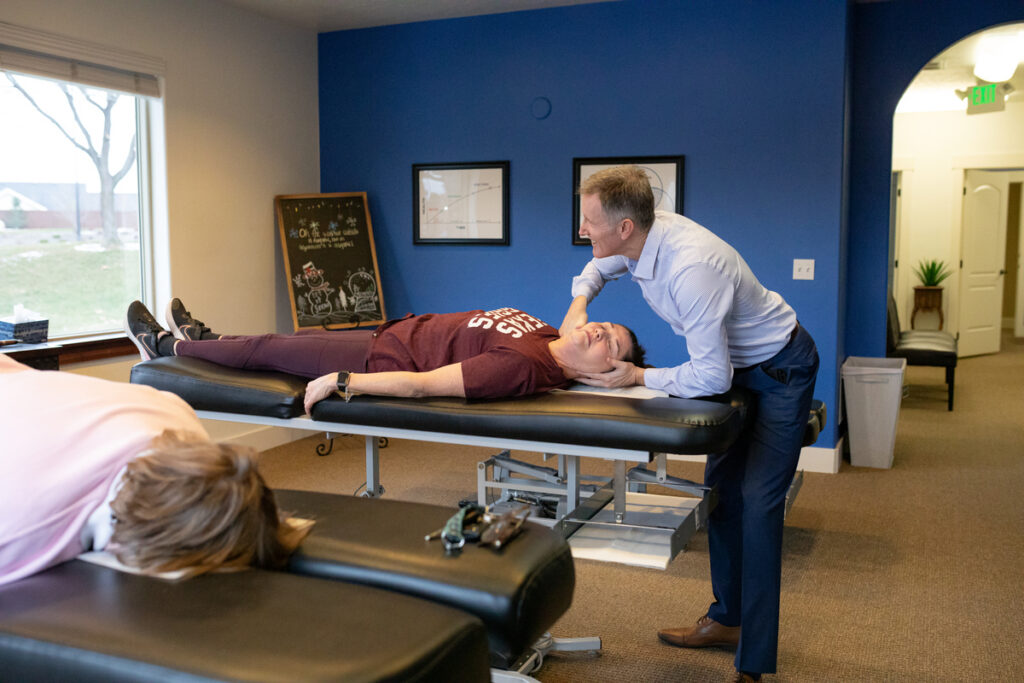

Your posture could be hindering your journey towards recovery from low back pain. When you slouch or lean forward, you’re not just affecting your appearance; you’re also putting extra strain on your spine and core muscles. This added tension can lead to increased discomfort and delay your healing process. So, what specific habits might be contributing to this issue? Gaining awareness of these habits can be a game changer in your path to recovery.
As a chiropractor, I want to emphasize the importance of maintaining proper posture not only for immediate relief but for long-term wellness. Here are some practical tips to help you improve your posture and support your healing:
- Be Mindful of Your Sitting Position: When sitting, keep your feet flat on the ground and maintain a straight back. Use a chair that supports your lower back or add a small cushion to promote a healthy spine alignment.
- Take Regular Breaks: If you work at a desk, make it a point to stand up and stretch every 30 minutes. Movement helps relieve tension in your back and encourages blood flow, which is essential for healing.
- Strengthen Your Core: Incorporate gentle exercises that focus on strengthening your core muscles. A strong core supports your spine and helps maintain proper posture. Consider consulting with a chiropractor for personalized exercises.
- Adjust Your Workstation: Ensure your computer screen is at eye level to avoid leaning forward. Your keyboard should be positioned so your elbows are at a 90-degree angle, which helps keep your shoulders relaxed.
- Mind Your Carrying Techniques: If you carry a bag, opt for a backpack with both straps to distribute weight evenly. This reduces strain on your back.
- Stay Active: Engage in low-impact activities like walking or swimming. Regular movement can help keep your spine healthy and promote healing.
Remember, chiropractic care can be a powerful ally in your recovery process. By addressing misalignments in your spine, we can help relieve pain and improve your overall well-being. If you’re struggling with low back pain, consider reaching out for a chiropractic consultation to discuss your specific needs. Together, we can work towards a healthier, pain-free life!
Key Takeaways
Posture and Its Impact on Low Back Pain Recovery
As a local chiropractor, I want to share some vital insights about how posture can significantly affect your recovery from low back pain. Poor posture, such as slouching while sitting, can increase pressure on your spine, making it harder for your body to heal. It’s essential to focus on maintaining a good posture to support your recovery journey.
Engaging your core muscles is another key factor in stabilizing your spine and alleviating discomfort. When these muscles are active, they help support your back, allowing for a more effective healing process. Simple exercises that strengthen your core can make a big difference.
Remember that sitting for prolonged periods without breaks can worsen your back pain. I encourage you to incorporate regular movement and stretching into your daily routine. Just a few minutes of movement every hour can help relieve tension and promote better spinal health.
Additionally, be mindful of your body alignment. Crossing your legs or leaning forward can create misalignment, which may lead to chronic pain and slow down your recovery. Try to maintain a neutral spine position, whether sitting or standing, to support your healing.
Creating an ergonomic workspace is crucial. By adjusting your chair and desk height, using supportive cushions, and ensuring that your computer screen is at eye level, you can promote proper alignment and reduce strain on your spine. This not only aids in your recovery but also supports your overall well-being.
Chiropractic care is an excellent choice for addressing low back pain naturally. Regular adjustments can help realign your spine, reduce tension, and improve your overall spinal health. If you’re experiencing discomfort, consider visiting your local chiropractor for personalized care that focuses on your unique needs. Remember, your journey to optimal health starts with the right support!
Understanding the Link Between Posture and Low Back Pain
When you slouch or sit for extended periods, it can significantly contribute to low back pain. This happens because your spine’s natural alignment gets disrupted, placing extra stress on your muscles and ligaments. This misalignment can lead to tension and discomfort, making it harder for you to move freely or engage in daily activities.
One of the best ways to combat low back pain is by maintaining good posture. When you sit up straight, your body weight is distributed evenly, which helps reduce strain on your back. By engaging your abdominal and back muscles, you provide crucial support to your spine. This is vital for preventing injuries and promoting healing, which is where chiropractic care can play a key role. Regular adjustments can help realign your spine and improve your posture, leading to lasting relief.
Additionally, being mindful of your posture while standing and walking can make a significant difference. Keep your shoulders back and your head level to enhance your balance and stability. Incorporating simple practices, such as taking breaks to stretch, can also help alleviate tension.
Common Posture Mistakes That Worsen Back Pain
Many people unknowingly make posture mistakes that can worsen back pain. Common issues include slouching while sitting or standing, which puts unnecessary pressure on your spine. If you find yourself leaning forward while working at a desk or using your phone, this can strain your back muscles and lead to discomfort over time. Crossing your legs is another mistake that can misalign your hips, causing further issues.
Engaging your core muscles is essential for providing support to your spine while standing or lifting. When you neglect to do this, you’re missing out on vital stability, which can contribute to back pain. Additionally, poor sleeping positions—like lying on your stomach—can also exacerbate discomfort by putting strain on your neck and lower back.
To improve your posture and alleviate back pain, be mindful of your body alignment during daily activities. Simple adjustments, such as keeping your feet flat on the ground or using a chair that supports your lower back, can make a significant difference. Remember, maintaining good posture isn’t just about standing tall; it’s about supporting your spine throughout your day.
If you’re struggling with back pain, chiropractic care can be an excellent choice for natural relief. Chiropractors focus on spinal health and can provide personalized guidance to help you improve your posture and overall well-being. By working with a chiropractor, you can take proactive steps toward a healthier lifestyle and experience pain relief without the need for medications or invasive procedures. Prioritize your spinal health, and you’ll be on the path to feeling your best!
The Role of Ergonomics in Posture Improvement
Ergonomics is essential for enhancing your posture and alleviating back pain, and as a chiropractor, I can tell you that these adjustments can lead to significant improvements in your health. Creating a workspace that supports proper alignment not only boosts your comfort but also enhances your overall productivity.
Start by ensuring your chair is at the right height. Your feet should rest flat on the floor, and your knees should be level with your hips. This simple adjustment can make a big difference in how your body feels throughout the day. Your computer monitor should be positioned at eye level to prevent unnecessary strain on your neck, which can lead to discomfort and pain.
Consider investing in a chair that provides lumbar support to maintain the natural curve of your spine. If you find yourself frequently on the phone, a headset is a great tool to avoid cradling the phone between your ear and shoulder, which can lead to neck and shoulder tension.
Don’t forget the importance of taking regular breaks! Stand up, stretch, and move around every so often. These little actions can greatly improve your posture and overall wellness.
How Sitting Affects Your Spine Health
Sitting for extended periods can significantly impact your spine health, particularly if your workspace isn’t set up to promote good posture. When you slouch or lean forward, it increases pressure on your spinal discs, which can lead to discomfort and even injury over time. This poor posture can cause your back muscles to become fatigued, resulting in chronic pain if left unaddressed.
The chair you sit in plays a crucial role in your spinal health. If it doesn’t provide adequate support for your lower back, or if your feet don’t reach the ground comfortably, you might find yourself straining your neck and shoulders. This can create a frustrating cycle of tension and pain that’s hard to break.
As a chiropractor, I encourage you to take proactive steps to support your spine. Adjusting your work environment is essential. Ensure your chair provides proper lumbar support, and position your monitor at eye level to keep your neck aligned. Regular breaks to stand and stretch are also vital; this simple practice can significantly relieve some of the strain on your spine.
Exercises to Strengthen Postural Muscles
Strengthening your postural muscles isn’t only essential for maintaining a healthy spine but also plays a crucial role in preventing low back pain. As your local chiropractor, I want to emphasize the importance of incorporating specific exercises into your daily routine to build the necessary strength and support for your spine. Here are three effective exercises to help you target your postural muscles:
- Plank: Start by holding a plank position, making sure your body forms a straight line from your head to your heels. Begin with holding for 20-30 seconds, and gradually work your way up to longer durations. This exercise not only strengthens your core but also helps support your spine.
- Wall Angels: Stand with your back against a wall and raise your arms in a “W” position. As you slide your arms up and down the wall, keep your shoulders relaxed. This exercise promotes better shoulder mobility and encourages proper alignment, which can alleviate tension in your back.
- Bird Dog: Get on your hands and knees and extend one arm forward while simultaneously stretching the opposite leg back. Hold this position for a few seconds before switching sides. This exercise enhances balance and stability, which are key for maintaining good posture.
By consistently practicing these exercises, you won’t only improve your posture but also significantly reduce the risk of low back pain. Remember, regular chiropractic care can further support your journey to optimal health by addressing any misalignments in your spine and promoting natural healing.
For additional tips, try to incorporate simple changes into your daily life, such as being mindful of your posture while sitting or standing, and taking short breaks to stretch if you find yourself sitting for long periods. Your spine will thank you!
The Importance of Mindful Movement
Maintaining good posture is just one piece of the puzzle when it comes to preventing low back pain—mindful movement plays a significant role as well. As a chiropractor, I want to emphasize the importance of moving with intention. When you’re mindful about how you move, you become more aware of your body mechanics, which helps to prevent unnecessary strain on your back. Instead of rushing through your daily activities, take a moment to think about how you’re bending, lifting, or reaching. Are you engaging your core? Are your movements fluid and controlled?
Mindful movement also encourages you to listen to your body’s signals. If you feel discomfort during a particular motion, take that as a sign to adjust your technique. This awareness not only protects your back but also enhances your overall well-being. Incorporating mindful movement into your daily routine can significantly aid your recovery journey, allowing you to strengthen your back while minimizing the risk of setbacks.
Here are some simple tips to help you incorporate mindful movement into your life:
- Pause and Plan: Before lifting or bending, take a moment to assess the situation. Think about your posture and how you can move safely.
- Engage Your Core: Always remember to engage your abdominal muscles when performing tasks that involve lifting or bending. This helps to support your spine.
- Move Slowly: Avoid rushing your movements. Slow, deliberate motions can help you maintain better control and prevent injury.
- Check Your Form: Whether you’re exercising or doing household chores, pay attention to your body alignment. Keeping your spine aligned can reduce strain.
- Listen to Your Body: If you experience pain or discomfort, don’t ignore it. Adjust your movements or take a break as needed.
Tips for Maintaining Good Posture Throughout the Day
Maintaining good posture throughout your day is essential for promoting a healthy spine and overall well-being. As a chiropractor, I want to emphasize that by being mindful of your posture while sitting, standing, and moving, you can significantly reduce strain on your back and support your body’s natural alignment.
Here are some practical tips to help you maintain good posture and enhance your health naturally:
- Align your ears, shoulders, and hips: When you’re standing, make sure these three points form a straight line. This alignment helps support your spine’s natural curve and reduces the risk of discomfort.
- Choose ergonomic furniture: Opt for a chair that provides support for your lower back and ensures your feet rest flat on the ground. This will help you maintain a comfortable and supportive position while working or relaxing.
- Incorporate regular breaks: If you find yourself sitting for long stretches, make it a habit to stand up every hour. Use this time to stretch and reset your posture. Simple movements can rejuvenate your body and help you maintain good alignment throughout the day.
By integrating these tips into your daily routine, you can cultivate better posture habits that support a healthier back. Remember, even small adjustments can lead to significant improvements in your comfort and well-being.
And when it comes to achieving optimal health and pain relief, chiropractic care is a natural and effective choice. Regular visits to your chiropractor can help keep your spine aligned and your body functioning at its best.
Creating a Supportive Environment for Recovery
Creating a supportive environment is crucial for a successful recovery from low back pain, and as a chiropractor, I’m here to guide you through this process.
The first step is to organize your living space. Ensure that items you use regularly are easily accessible to prevent unnecessary bending or stretching, which can strain your back. Consider investing in ergonomic furniture, such as a chair that provides proper lower back support and a desk set at the right height for your comfort.
A tidy workspace can significantly reduce distractions and stress, contributing to a more peaceful recovery environment. Adding plants or using calming colors can enhance the atmosphere, promoting relaxation and well-being.
Incorporating gentle stretches and regular breaks into your daily routine is vital. These practices help keep your spine flexible and reduce tension.
Surround yourself with supportive friends and family who understand your journey; their encouragement can make a world of difference.
I also recommend consulting with a chiropractor for personalized advice on proper positioning and movement. Chiropractic care is focused on the natural alignment and healing of your spine, which can be highly effective for pain relief and overall wellness.
By making these adjustments in your environment and daily habits, you’re not just relieving discomfort; you’re actively engaging in your recovery and paving the way to a healthier back through natural means.
Conclusion
To summarize, your posture plays a crucial role in your recovery from low back pain, and as a chiropractor, I want to emphasize how important it is to address this issue naturally. By identifying common posture mistakes and making simple ergonomic adjustments, you can significantly reduce the strain on your spine.
Incorporating exercises that strengthen your postural muscles is essential. These exercises not only support your recovery but also enhance your overall well-being. I encourage you to practice mindful movement throughout your day—this means being aware of how you move and maintaining good posture whether you’re sitting, standing, or lifting.
Creating a supportive environment for yourself at home and work is also key. Consider using chairs that promote good posture, setting your computer screen at eye level, and taking regular breaks to stretch and move.
By making these changes and focusing on your posture, you can greatly improve your recovery process. Remember, chiropractic care is an excellent way to support your journey to a healthier, pain-free life. Together, we can work towards achieving optimal health through natural healing and wellness strategies.