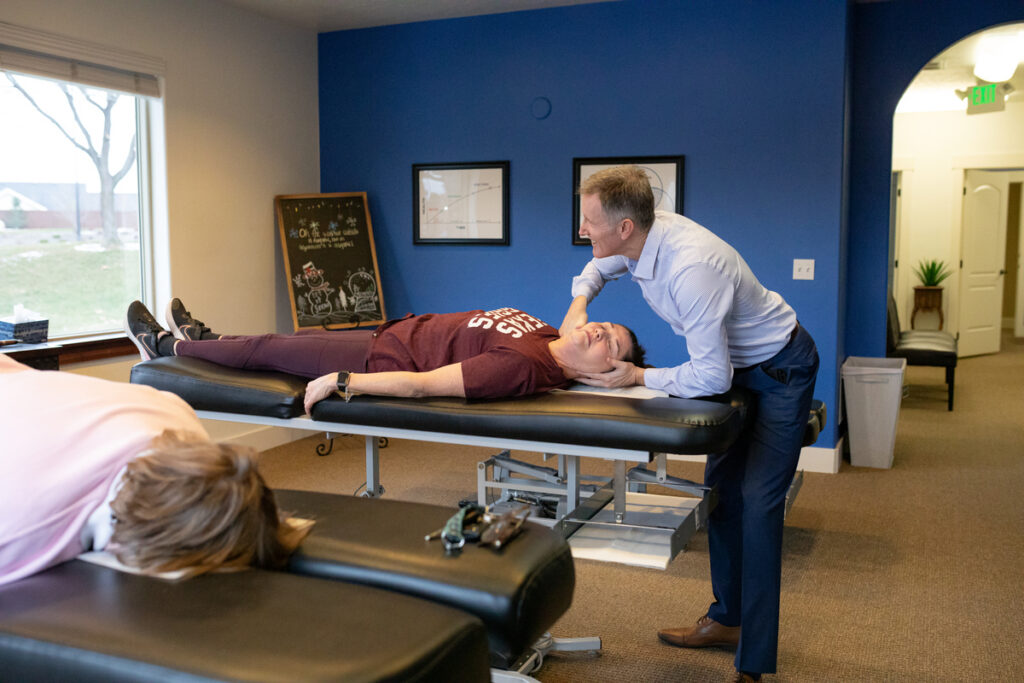

If you’re dealing with low back pain, you may be surprised to find out just how much your posture affects your discomfort. Small adjustments in your workspace and daily habits can significantly impact your well-being. Focusing on ergonomic solutions and strengthening your core can help you start to alleviate that persistent pain. However, it’s important to remember that it’s not just about sitting up straight.
As a chiropractor, I believe that understanding your spine and how it functions is key to achieving optimal health. Here are some practical strategies to help you on your journey to lasting relief:
- Mind Your Posture: When sitting, make sure your feet are flat on the ground, your knees are at a 90-degree angle, and your back is supported. A chair with lumbar support can help in maintaining the natural curve of your spine.
- Take Frequent Breaks: If you sit for long periods, stand up and stretch every 30 minutes. This helps to relieve tension in your back and encourages better circulation.
- Strengthen Your Core: Engaging in exercises that strengthen your abdominal muscles can provide better support for your spine. Simple activities like planks or bridges can reinforce your core without straining your back.
- Stay Active: Incorporate low-impact activities like walking, swimming, or yoga into your routine. These activities promote flexibility and strengthen the muscles that support your back.
- Consider Chiropractic Care: Regular chiropractic adjustments can help align your spine, improve mobility, and reduce pain. Chiropractors focus on natural healing and wellness, making it a great option for those looking to relieve pain without medications or surgeries.
- Listen to Your Body: Pay attention to how different activities impact your back. If something causes pain, it’s important to adjust how you do it or seek professional advice.
By making these adjustments and considering chiropractic care as a holistic approach, you can take significant steps toward alleviating low back pain and enhancing your overall health. Remember, a healthy spine is essential for a healthy life!
Key Takeaways
- Ensure your chair is at the right height so your feet rest flat on the floor and your knees form a 90-degree angle. This simple adjustment supports your spine and helps maintain proper posture throughout the day.
- Set your computer monitor at eye level and roughly 20-30 inches away from you. This positioning not only reduces neck strain but also encourages a more natural, comfortable posture while you work.
- Strengthening your core is crucial for spinal health. Incorporate exercises like planks and bridges into your routine. These activities help stabilize your spine and can significantly reduce low back discomfort.
- Don’t forget to stretch! Regularly practicing stretches like Cat–Cow and Child’s Pose can relieve tension in your lower back and improve your overall flexibility, making it easier to move and feel good throughout the day.
- As a local chiropractor, I recommend scheduling routine visits to help maintain your spinal alignment. Chiropractic care is a natural and effective way to alleviate pain caused by poor posture and to promote overall wellness.
By following these simple tips, you can take proactive steps toward a healthier, pain-free life. Remember, chiropractic care is your partner in achieving optimal health and well-being!
Understanding the Importance of Good Posture
Maintaining good posture is vital for preventing and alleviating low back pain, and as a chiropractor, I want to emphasize how crucial it’s for your overall health. When you stand or sit up straight, you align your spine correctly, which reduces strain on your muscles and ligaments. On the other hand, slouching or hunching can create imbalances, leading to discomfort and chronic pain over time.
You may not realize it, but your everyday habits have a significant impact on your posture. While sitting at your desk, keep your feet flat on the floor and your shoulders relaxed. When walking, being aware of your alignment can also make a big difference. These simple adjustments can go a long way in supporting your spinal health.
One effective way to support your spine is by engaging your core muscles. Strong core muscles improve stability and comfort, making it easier to maintain good posture throughout the day. By prioritizing your posture, you’re not just enhancing your appearance; you’re actively working to relieve and prevent low back pain.
Ergonomic Adjustments for Your Workspace
Making ergonomic adjustments in your workspace can significantly alleviate low back pain, and it’s a great step towards achieving overall wellness. As a chiropractor, I believe that proper alignment and posture are essential for a healthy spine.
Start by adjusting your chair height so that your feet rest flat on the floor and your knees form a right angle. This position helps maintain the natural curve of your spine, reducing strain on your back. Additionally, make sure your chair offers good lumbar support, as this will help keep your lower back properly supported throughout the day.
Next, position your computer monitor at eye level. This adjustment is crucial to prevent unnecessary strain on your neck and back. If you’re looking down or craning your neck to see the screen, you’re likely to experience discomfort over time. Ideally, your monitor should be about an arm’s length away, and the top of the screen should be at or slightly below eye level.
Remember to take regular breaks to stand, stretch, and walk around. This simple practice can help keep your muscles engaged and reduce the risk of stiffness or pain. Consider incorporating gentle stretches or mobility exercises into your routine, which can also promote spinal health.
Chair Height Adjustment
Adjusting your chair height is a simple yet powerful step towards improving your overall health and wellness, especially for your spine. When your chair is at the ideal height, your feet should rest comfortably flat on the floor, with your knees forming a 90-degree angle. This alignment not only helps distribute your weight evenly but also reduces unnecessary strain on your lower back—an area where many people experience discomfort.
If your chair is positioned too high, you may find yourself slouching, which can lead to long-term issues with your spine. On the other hand, a chair set too low can cause pressure on your thighs, leading to discomfort and poor circulation. Remember, your elbows should also be at a relaxed angle while typing to maintain good posture.
Taking just a few moments to adjust your chair height can promote better posture and help alleviate low back pain. For additional comfort, consider incorporating regular breaks to stretch and move around, as this can further enhance your spinal health and overall well-being.
Monitor Positioning Tips
Proper monitor positioning is crucial for reducing eye strain and supporting your spinal health, especially during those long work hours. By ensuring your monitor is at eye level and about an arm’s length away, you can maintain a straight neck and reduce the tendency to slouch, which can lead to discomfort and pain.
As a chiropractor, I want to share some simple adjustments that can significantly enhance your workspace ergonomics and promote better wellness. Here’s an easy reference table to guide you in creating a healthier work environment:
| Adjustment | Ideal Position | Benefits |
|---|---|---|
| Height | Eye level | Helps prevent neck strain |
| Distance | 20-30 inches | Minimizes eye strain |
| Angle | Tilted slightly back | Enhances viewing comfort |
| Alignment | Centered with body | Avoids twisting and strain |
Strengthening Core Muscles for Better Support
Supporting your lower back begins with strengthening your core muscles, which play a pivotal role in your overall spinal health. A strong and stable core not only helps you maintain proper posture but also significantly reduces the strain on your spine, leading to better comfort and mobility in your daily life.
As a chiropractor, I want to emphasize the importance of core strength as part of a holistic approach to wellness. Engaging in specific core exercises can greatly enhance your ability to support your lower back and prevent pain. Here are a few effective exercises that you can incorporate into your routine:
- Pelvic Tilts: Lie on your back with your knees bent. Gently tilt your pelvis upward, flattening your lower back against the floor. Hold for a few seconds, then release. This helps strengthen your abdominal muscles while supporting your lumbar spine.
- Bird-Dog: Start on all fours, with your hands under your shoulders and knees under your hips. Extend one arm forward and the opposite leg backward, keeping your back straight. Hold for a moment, then switch sides. This exercise helps improve balance and strengthens both your core and lower back.
- Plank: Lie face down, then lift your body off the ground, resting on your forearms and toes. Keep your body in a straight line and hold the position as long as you can. Planking is a fantastic way to engage your entire core.
- Dead Bug: Lie on your back with your arms extended toward the ceiling and knees bent at a 90-degree angle. Slowly lower one arm and the opposite leg toward the ground while keeping your back flat. Return to the starting position and switch sides. This exercise promotes coordination and core stability.
It’s important to remember that these exercises should be done with proper form to avoid injury. If you’re unsure about how to perform any of these movements, consider consulting with a chiropractor. We can provide personalized guidance and adjustments to ensure you’re on the right track toward strengthening your core and supporting your spine.
In addition to these exercises, maintaining a healthy lifestyle with balanced nutrition and staying hydrated can further enhance your well-being. Always listen to your body, and don’t hesitate to reach out for chiropractic care if you experience discomfort or pain. Together, we can work towards achieving optimal health naturally and effectively.
Importance of Core Stability
Strengthening your core muscles is vital for alleviating low back pain and enhancing overall stability, which is essential for maintaining optimal health.
A strong core supports your spine, helping you maintain proper posture and reducing strain on your lower back.
When your core is stable, you’re less likely to experience discomfort during daily activities, making it easier to enjoy life to the fullest.
Here are some key benefits of core stability that can enhance your well-being:
- Improved Posture: A strong core helps align your spine, keeping you upright and preventing slouching. This not only looks better but also reduces unnecessary stress on your back.
- Injury Prevention: By stabilizing your core, you lower your risk of injuries during physical activities. This means you can stay active and enjoy your favorite hobbies without worry.
- Enhanced Mobility: A stable core increases your overall movement efficiency and flexibility. This makes everyday tasks easier, allowing you to move freely without discomfort.
- Better Balance: Core strength plays a crucial role in maintaining balance, which can reduce the likelihood of falls and injuries, especially as we age.
As a chiropractor, I encourage you to focus on core stability as part of your journey towards natural wellness.
Here are some simple tips to strengthen your core:
- Engage in Core Exercises: Incorporate exercises like planks, bridges, and abdominal crunches into your routine. These can be done at home without any special equipment.
- Practice Good Posture: Be mindful of your posture while sitting, standing, and walking. Keeping your shoulders back and your spine aligned can significantly reduce strain on your back.
- Stay Active: Regular physical activity, such as walking, swimming, or yoga, can help maintain core strength and flexibility.
- Consult with a Chiropractor: A chiropractor can provide personalized guidance on exercises that are best suited for your body and help address any underlying issues contributing to your discomfort.
By focusing on core stability and seeking chiropractic care, you can pave the way for a healthier, pain-free life.
Effective Core Exercises
Building a strong core is crucial for supporting your lower back and enhancing overall stability, which is foundational for optimal health. A robust core not only helps alleviate lower back pain but also plays a vital role in maintaining proper spinal alignment, reducing the risk of injury, and promoting overall wellness.
To strengthen your core effectively, consider incorporating exercises like planks, bridges, and bicycle crunches into your routine. Start with planks by holding a straight position on your forearms and toes for 20-30 seconds. As you build strength, gradually increase the duration.
For bridges, lie on your back with your knees bent and lift your hips toward the ceiling, holding for a few seconds before lowering them back down. This exercise not only strengthens your core but also supports your lower back, enhancing the benefits of chiropractic care.
Bicycle crunches are excellent for engaging your obliques. To perform them, lie on your back and alternate bringing your elbows to the opposite knee, focusing on controlled movements. Aim for 2-3 sets of 10-15 repetitions for each exercise, and remember that consistency is key to seeing improvements.
In addition to these exercises, consider the following tips for maintaining a healthy spine and core:
- Stay Active: Regular physical activity supports spinal health and overall well-being. Aim for at least 30 minutes of exercise most days of the week.
- Practice Good Posture: Whether sitting, standing, or lifting, maintaining good posture can reduce strain on your spine and core.
- Stay Hydrated: Drinking plenty of water helps maintain the elasticity of the spinal discs and overall body function.
- Visit Your Chiropractor: Regular chiropractic adjustments can help keep your spine aligned and reduce discomfort, allowing your core exercises to be more effective.
Stretching Techniques to Alleviate Tension
Incorporating effective stretching techniques into your daily routine can greatly help alleviate tension in your lower back and support your overall spinal health.
As a chiropractor, I believe that enhancing your flexibility not only improves your posture but also reduces discomfort naturally. Here are some key stretches to consider that can complement your chiropractic care:
- Child’s Pose: This gentle stretch helps relax your lower back and hips, easing tightness and promoting a sense of calm.
- Knees-to-Chest Stretch: By bringing your knees towards your chest, you can help elongate your spine and relieve built-up tension.
- Cat-Cow Stretch: This dynamic movement encourages spinal flexibility and gently massages your back muscles, making it a great addition to your wellness routine.
- Seated Forward Bend: While sitting and reaching for your toes, you stretch out your hamstrings and lower back, enhancing your overall mobility.
Integrating these stretches into your everyday life can significantly boost your comfort and movement.
Always listen to your body and ease into each stretch to avoid any injuries. Remember, consistency is key! With mindful practice, you can find relief from lower back tension and promote holistic well-being.
Chiropractic care is an excellent avenue for managing pain and optimizing your health naturally. By focusing on spinal alignment and overall wellness, you can achieve a healthier lifestyle without the need for surgeries or medications.
Always consult with your chiropractor to tailor your care plan and get the most out of your health journey!
Mindfulness and Body Awareness Practices
Practicing mindfulness and body awareness is a powerful way to enhance your connection to your body and manage low back pain effectively. By being present and tuning into your physical sensations, you can catch tension and discomfort early on, allowing you to address these issues before they escalate.
Here are some simple mindfulness practices to consider incorporating into your daily routine:
| Practice | Benefits |
|---|---|
| Deep Breathing | Helps reduce stress and tension |
| Body Scanning | Increases awareness of your body |
| Gentle Movement/Yoga | Improves flexibility and strength |
When you integrate these techniques into your life, you’ll promote relaxation and become more aware of your posture. This heightened awareness makes it easier to maintain a healthy alignment, which is crucial for relieving low back pain. Remember, the key is to tune into how your body feels and respond with care.
Chiropractic care plays a vital role in supporting your journey toward optimal health and wellness. Regular visits to your chiropractor can help ensure that your spine is properly aligned, which can enhance your body’s natural ability to heal. By combining chiropractic adjustments with mindfulness practices, you can create a comprehensive approach to pain relief and overall well-being.
As you cultivate mindfulness, keep these tips in mind:
- Stay Consistent: Make mindfulness a regular part of your routine for lasting benefits.
- Listen to Your Body: Pay attention to any signs of discomfort and consult with your chiropractor to address them promptly.
- Combine Practices: Pair mindfulness techniques with chiropractic care for a holistic approach to pain management.
Daily Habits to Maintain Healthy Posture
As a local chiropractor, I want to emphasize the importance of maintaining healthy posture as a daily priority. Good posture is vital for preventing low back pain and promoting overall well-being.
By incorporating a few simple habits into your daily routine, you can significantly improve your posture and reduce discomfort, all while supporting your spine naturally.
Here are some practical tips to help you maintain healthy posture:
- Set Reminders: Regularly remind yourself to check your posture, especially during long periods of sitting or standing. Simple alerts on your phone can help keep you accountable.
- Choose Ergonomic Furniture: Invest in ergonomic furniture that supports your spine, such as chairs with lumbar support. This can make a world of difference in how your back feels throughout the day.
- Incorporate Stretching and Strengthening: Regular stretching and strengthening exercises are key to keeping your back and core muscles engaged. Simple exercises can be done at home and help to build a strong foundation for your spine.
- Be Mindful of Device Use: When using your phone or computer, be conscious of your posture. Hold devices at eye level to avoid slouching, which can lead to strain on your neck and back.
Remember, chiropractic care is an excellent choice for maintaining optimal health and alleviating pain. Regular visits to a chiropractor can ensure your spine is well-aligned, reducing discomfort and helping your body function at its best.
Conclusion
Incorporating good posture into your daily routine can significantly help relieve low back pain, and as your local chiropractor, I want to share some effective strategies to support your spine’s health. By making simple ergonomic adjustments, strengthening your core muscles, and practicing regular stretches, you can reduce muscle strain and improve your overall comfort.
First, pay attention to your body alignment throughout the day. Whether you’re sitting at a desk or lifting objects, maintaining a neutral spine is key. This means keeping your ears aligned with your shoulders and your shoulders over your hips. Consider using ergonomic chairs or standing desks to promote better posture.
Strengthening your core is another vital aspect of spinal health. Engaging in exercises like planks, bridges, and pelvic tilts can provide the support your spine needs. A strong core helps stabilize your body and reduces the risk of injury.
Don’t forget the importance of stretching! Regularly stretching your back, hips, and legs can improve flexibility and reduce tension in your muscles. Gentle yoga or targeted stretches can be particularly beneficial for relieving discomfort.
Hydration is also crucial for spinal health. Drinking plenty of water helps keep your spinal discs hydrated and functioning properly.
As you implement these changes, remember that chiropractic care can be an excellent resource for achieving optimal health. A chiropractor can help assess your posture, provide tailored adjustments, and guide you on your path to a pain-free, active lifestyle.
Take charge of your posture today and embrace the benefits of chiropractic care for natural healing and wellness!