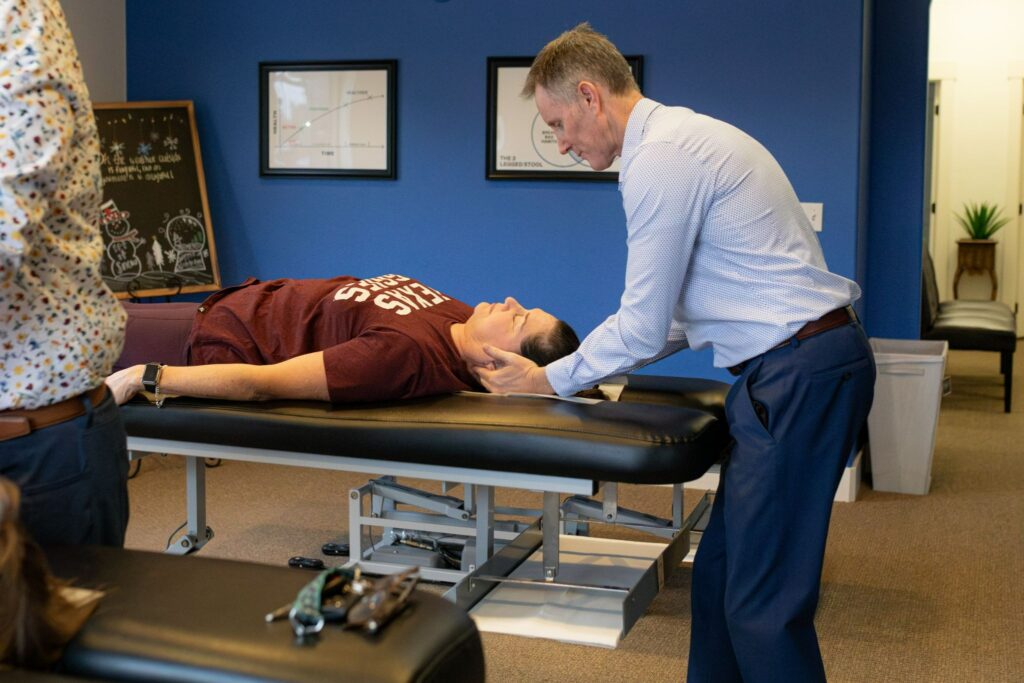

As a local chiropractor, I want to share with you how effective recovery from a sports injury can significantly impact your return to peak performance. It's essential to prioritize rest, incorporate ice therapy, and explore a variety of natural healing techniques that can enhance your recovery process. Gentle stretching and mindful relaxation strategies are just a couple of methods that can play a vital role in your healing journey.
Understanding these techniques not only aids in faster recovery but also prepares you for a stronger comeback in your sport. If you're curious about which approaches are most beneficial and how to integrate them into your recovery plan, I'm here to guide you. Let's delve into these strategies together and ensure you're on the path to optimal healing and performance.
Rest and Recovery
Rest and recovery are crucial components of your journey back to peak performance after experiencing a sports injury. As a chiropractor, I want to emphasize that when you suffer an injury, your body requires time to heal properly. Ignoring the pain and pushing through can often lead to more serious complications. It's vital to prioritize rest, allowing your muscles, ligaments, and tendons the opportunity to mend. This means giving yourself permission to step back from your regular training routine.
During this recovery phase, it's essential to pay attention to what your body is telling you. If you're experiencing pain or discomfort, this is a clear signal that you need to take it easy. Engaging in gentle activities, such as light stretching or walking, can be beneficial as long as they don't exacerbate your injury. However, high-impact exercises should be avoided until you're fully healed.
Establishing a balanced routine that includes dedicated rest days will support your recovery and help you regain strength without the risk of re-injury.
Sleep plays a significant role in the healing process as well. Aim for 7-9 hours of quality sleep each night, as this is when your body does much of its repair work. Creating a restful environment, minimizing distractions, and maintaining a consistent sleep schedule can enhance the quality of your rest.
Additionally, incorporating relaxation techniques—such as meditation or deep breathing exercises—can help reduce stress and promote mental clarity.
Always remember that recovery is a journey that requires time and patience. Be gentle with yourself during this period and celebrate the small victories along the way. By prioritizing rest and recovery, you'll not only facilitate healing but also set yourself up for a stronger comeback in your athletic endeavors.
As your chiropractor, I'm here to support you on this path to wellness and optimal performance.
Ice Therapy
As a local chiropractor, I want to share with you the incredible benefits of ice therapy, especially after experiencing a sports injury.
This natural healing method is a vital component in alleviating pain and reducing swelling, promoting a quicker recovery process.
It's essential to understand not only the advantages of using ice therapy but also how to apply it correctly.
I recommend using ice packs or cold compresses directly on the affected area for optimal results.
The ideal duration for each session is generally around 15 to 20 minutes, and it's important to repeat this every couple of hours during the initial stages of recovery.
By incorporating ice therapy into your healing routine, you can significantly enhance your recovery time and get back to doing what you love.
Let's work together to ensure you understand how to utilize these techniques effectively as part of your journey towards better health and wellness.
Benefits of Ice Therapy
As a local chiropractor, I often see patients dealing with sports injuries, and I want to share with you the amazing benefits of ice therapy for your recovery. This straightforward yet powerful technique is effective in reducing swelling and inflammation, which are typical responses to injury. By applying ice, you help constrict blood vessels, which minimizes fluid buildup in the affected area, leading to faster healing and reduced pain.
One of the great advantages of ice therapy is its ability to numb the area, providing immediate relief from sharp pain or discomfort that often accompanies injuries. Many of my patients report that using ice helps them regain mobility more swiftly, allowing them to return to their activities sooner.
It's also an excellent method for managing soreness after intense workouts or games.
What's more, ice therapy is incredibly easy to incorporate into your recovery routine. You don't need expensive equipment; a simple ice pack or even a bag of frozen peas will suffice. It's a low-cost treatment option that you can conveniently do at home.
Incorporating ice therapy into your injury management plan is a fantastic way to enhance your recovery process and help you get back to your favorite activities.
Don't underestimate the power of ice; it's truly a game-changer on your healing journey! If you have any questions or would like to learn more about how chiropractic care can support your recovery, feel free to reach out.
Proper Ice Application
As a local Chiropractor, I want to emphasize the importance of applying ice correctly to maximize its benefits during your recovery from a sports injury.
When you use ice, it's best to start with a cold pack or ice wrapped in a thin towel. This prevents direct contact that can harm your skin. Gently apply the ice to the injured area, ensuring you cover it adequately without pressing down too hard.
It's crucial to keep the ice moving slightly over the area to avoid frostbite and promote better blood flow. Your method of application should be both effective and comfortable. If you experience any pain or excessive discomfort, please remove the ice immediately.
Consistency is key; make icing a regular part of your recovery routine. Remember, ice therapy serves a purpose beyond just numbing the pain; it significantly reduces inflammation, which is vital for proper healing.
In addition to icing, consider elevating the injured limb while you apply the ice. This can further enhance the therapy's effectiveness by helping to reduce swelling. However, be cautious not to overdo it; proper application over time will yield the best results.
Lastly, I encourage you to consult with a healthcare professional, like myself, for personalized advice tailored to your specific injury and recovery plan. By taking these steps, you can help your body bounce back more effectively from sports injuries and embrace a natural healing journey.
Duration and Frequency
As your local chiropractor, I want to help you understand the importance of using ice therapy effectively, especially if you're new to chiropractic care and natural healing.
To truly benefit from ice therapy, it's crucial to know the right duration and frequency for application. For optimal results, apply ice to the injured area for about 15 to 20 minutes. This timeframe is essential as it allows the blood vessels to constrict, which helps reduce swelling and alleviate pain without risking frostbite or tissue damage.
You can repeat this ice application every two to three hours, particularly during the critical first 48 hours following an injury. It's important to listen to your body; if you begin to feel excessive numbness or discomfort, remove the ice immediately to prevent any adverse effects.
For those dealing with chronic injuries, I recommend using ice post-activity to help manage inflammation.
If you're using ice packs or ice bags, be sure to wrap them in a thin cloth to protect your skin from direct contact. This simple step can make a significant difference in your recovery process.
Compression Techniques
As a local chiropractor dedicated to your recovery, I want to share the importance of compression techniques in managing sports injuries. These methods are vital in reducing swelling, supporting injured areas, and enhancing blood circulation. By using appropriate compression, you can accelerate your healing process and alleviate discomfort.
One of the most effective compression techniques is the use of elastic bandages. These bandages are versatile and can be easily wrapped around the injured area to maintain consistent pressure. Additionally, you might explore specialized compression garments that provide targeted support and can be worn during physical activities to help prevent further injury.
Here are a few options to consider:
- Elastic bandages: These are adjustable and reusable, making them perfect for wrapping sprains or strains effectively.
- Compression sleeves: These are excellent for joints like knees or elbows, providing warmth and stability to aid in recovery.
- Cold compression packs: These packs combine the benefits of cold therapy with compression, helping to reduce pain and swelling at the same time.
When utilizing these techniques, it's crucial to apply the right amount of pressure. You should feel snugness, but not so tight that it cuts off circulation. Always keep an eye on the affected area for any signs of excessive swelling or numbness. If you experience these symptoms, be sure to loosen the compression immediately.
Incorporating these compression techniques into your recovery routine can significantly enhance your healing process. Not only will you feel more comfortable, but you'll also pave the way for a quicker return to your favorite sports.
Elevation Methods
As your local chiropractor, I want to share with you an effective method for promoting healing in sports injuries: elevation. Elevating an injured limb is a simple yet powerful technique that can significantly reduce swelling and improve blood circulation, both of which are essential for recovery. When you elevate the injured area above heart level, gravity helps to minimize fluid buildup and alleviate pressure on the damaged tissues.
To elevate your injury effectively, you can use pillows, cushions, or any soft materials that provide adequate support. For example, if you've sustained an ankle injury, lying down and propping your leg up on several pillows can make a noticeable difference. I recommend keeping the injured area elevated for about 20 to 30 minutes every hour during the initial phase of your recovery.
Moreover, combining elevation with other natural healing techniques, such as ice therapy, can enhance the benefits. Applying ice while your injury is elevated not only helps to reduce swelling but also numbs the pain, which can make you feel more comfortable. Just remember to place a cloth between the ice and your skin to prevent frostbite.
It's important to listen to your body throughout this process. If you experience increased pain or discomfort while elevating your injury, consider adjusting your position or lowering the elevation.
Consistency is crucial, so aim to make elevation a regular part of your recovery routine until the swelling subsides and you begin to feel better.
As a chiropractor, I believe in the power of natural healing methods like elevation, and I'm here to support you on your journey to recovery. If you have any questions or need further guidance, please don't hesitate to reach out. Your health and well-being are my top priorities!
Stretching and Flexibility
As a local chiropractor, I want to emphasize the importance of stretching in your recovery journey.
Stretching plays a vital role in maintaining flexibility and can significantly help prevent further injuries. There are various types of stretches, each designed to cater to specific needs, and understanding these can empower you to make informed choices about your health.
By incorporating effective stretching techniques into your daily routine, you can't only enhance your recovery but also improve your overall performance and well-being.
Importance of Stretching
As your local chiropractor, I want to emphasize the vital role that stretching plays in maintaining a healthy body and preventing injuries. Many people may not realize how incorporating stretching into your daily routine can significantly enhance your flexibility and overall well-being.
Regular stretching not only improves your range of motion but also prepares your muscles for the physical activities you engage in, which is crucial for everyone, whether you're an athlete or simply looking to maintain an active lifestyle.
Let's explore some key benefits of stretching that I often share with my patients:
- Increased blood flow: Stretching is an excellent way to boost circulation throughout your body. By increasing blood flow, you ensure that your muscles receive the oxygen and nutrients they need for recovery, which can be especially beneficial after a long day or a workout.
- Reduced muscle tension: Many of us hold tension in our muscles due to stress, poor posture, or repetitive movements. Stretching helps to lengthen these tight muscles, alleviating stiffness and enhancing your overall performance in daily activities.
- Enhanced posture: Poor posture can lead to a host of issues, including back pain and discomfort. Stretching encourages better alignment of your body, which can help prevent injuries related to improper body mechanics.
Incorporating stretching into your routine is a simple yet effective way to promote natural healing and overall health.
If you have any questions about how to safely integrate stretching into your lifestyle or if you'd like personalized recommendations, please don't hesitate to reach out. Your health is my priority, and I'm here to guide you on your journey to wellness.
Types of Stretches
As a local chiropractor dedicated to promoting health and well-being, I want to share some insights about the types of stretches that can significantly benefit your flexibility and overall performance, whether in sports or daily activities.
It's essential to understand the two primary categories of stretches: static and dynamic.
Static stretching is a technique where you hold a muscle in a lengthened position for a duration, typically ranging from 15 to 60 seconds. This form of stretching is most beneficial after your workout, as it aids in improving flexibility and supports muscle recovery. A simple example is reaching down to touch your toes, which effectively stretches the hamstrings.
Conversely, dynamic stretching involves movement and is particularly useful for warming up before engaging in physical activity. These stretches mimic the motions you'll perform in your sport, enhancing blood flow to your muscles and preparing your body for action.
Examples of dynamic stretches include leg swings, arm circles, and walking lunges.
It's also worth mentioning ballistic stretching, which incorporates bouncing movements. While some athletes may use this method, I advise caution as it can increase the risk of injury if not executed properly.
Incorporating these stretching techniques into your routine can help you maintain flexibility and prevent injuries, aligning with a holistic approach to your health.
If you have any questions or would like personalized advice on stretching and overall wellness, feel free to reach out.
Stretching Techniques Benefits
As a local chiropractor, I want to share the importance of incorporating stretching techniques into your daily routine for better health and enhanced physical performance. Many of you may not be familiar with how stretching can significantly benefit your overall well-being, but I assure you it plays a vital role in your body's natural healing process.
Here are some key advantages of regular stretching that I encourage you to consider:
- Injury Prevention: By engaging in regular stretching, you help to alleviate muscle tension and prepare your body for various physical activities. This proactive approach reduces the likelihood of injuries, such as strains and sprains, which can hinder your daily life and athletic pursuits.
- Enhanced Performance: Improved flexibility from stretching allows for a greater range of motion in your joints, making it easier and more efficient to perform movements—whether you're running, jumping, or lifting. This can lead to enhanced athletic performance and a more active lifestyle.
- Improved Recovery: Stretching increases blood flow to your muscles, which is essential for delivering nutrients and removing toxins. This process speeds up recovery after intense workouts, allowing you to bounce back faster and maintain your activity levels.
Strength Training
Strength training is a crucial aspect of recovering from sports injuries, and as your local chiropractor, I want to emphasize its importance in rebuilding muscle strength and enhancing overall stability. When you're on the road to recovery, it's essential to focus on specific strength training exercises that not only target the injured area but also support the surrounding muscles. This method not only aids in your recovery but also helps prevent future injuries, leading to a more balanced and healthier body.
To start, I recommend low-impact exercises that require minimal weight. This approach is gentle on your recovering muscles and helps avoid unnecessary stress. As you regain strength, you can gradually increase the resistance. Incorporating bodyweight exercises such as squats, lunges, and push-ups can effectively build strength without putting you at risk for further injury. It's vital to focus on maintaining proper form during these exercises to ensure you're engaging the right muscles and minimizing strain on your body.
As you progress in your recovery, consider integrating resistance bands or light weights into your routine. These tools provide you with control over the resistance while you build strength. It's important to target not only the injured area but also the surrounding muscle groups to promote overall stability and support. For example, if you're recovering from a knee injury, you should include exercises that strengthen your quads and hamstrings, as well as your calves and hips.
Always listen to your body during this process. If an exercise causes pain, it's important to stop and reassess your technique or consult with a healthcare professional. While consistency is crucial for progress, patience is equally important. By committing to a structured strength training program, you'll be setting yourself up for a stronger, more resilient return to your sport, and I'm here to support you every step of the way.
Physical Therapy
When recovering from a sports injury, it's important to consider a holistic approach to your healing process.
As a local chiropractor, I emphasize the importance of personalized treatment plans tailored to your unique needs. Chiropractic care focuses not only on strengthening exercises but also on spinal adjustments and manual therapy techniques that can help restore your mobility and function.
Personalized Treatment Plans
Personalized treatment plans in chiropractic care are vital for facilitating effective recovery from sports injuries. When you participate in a customized program, it specifically addresses your individual needs, limitations, and goals, making your healing journey more efficient.
As your chiropractor, I'll evaluate your injury, taking into account your unique circumstances and lifestyle to create a plan tailored just for you.
Imagine your personalized treatment plan might include:
- Specific adjustments to realign the spine and improve your overall function, helping to alleviate discomfort and enhance mobility.
- Soft tissue techniques designed to relieve muscle tension and encourage proper healing of the affected area.
- Guidance on injury prevention to empower you with knowledge and strategies to avoid future injuries.
Strengthening Exercises Focus
As a local chiropractor, I want to emphasize the importance of incorporating strengthening exercises into your recovery plan if you've experienced a sports injury. These exercises are crucial for rebuilding muscle strength and stability, ultimately supporting your natural healing process. Not only do they help restore function and improve balance, but they also play a significant role in preventing future injuries.
It's advisable to start with low-impact movements that specifically target the injured area. For example, if you've sustained an ankle injury, resistance band exercises can be particularly effective in strengthening your calf and ankle muscles. Additionally, bodyweight exercises such as squats or lunges can enhance your overall stability and strength, which is vital for your recovery.
Proper form is essential to avoid any risk of re-injury. I encourage you to listen to your body during these exercises; if you experience any pain, it's important to stop and consult with me or another healthcare professional. We can provide personalized guidance on the most suitable exercises for your individual recovery needs.
In addition to focusing on the injured area, incorporating core-strengthening exercises like planks or bridges can greatly enhance your stability and support your recovery journey.
Consistency is key, so I recommend tracking your progress as you engage in these exercises. With dedication and the right approach, you'll regain your strength and confidence, setting you on the path to a successful return to your favorite activities.
Manual Therapy Techniques
As a local chiropractor, I want to share how manual therapy techniques can significantly aid your recovery from sports injuries. These hands-on methods are designed to enhance your healing journey by alleviating pain, restoring mobility, and improving overall function.
When you work directly with a trained professional like myself, you can find relief from discomfort, allowing you to focus on returning to the activities you love.
Here are some key benefits of manual therapy that you might find helpful:
- Soft Tissue Mobilization: This technique involves gently kneading and manipulating the muscles and fascia. It helps reduce tension and promotes better blood circulation, which can accelerate your healing process.
- Joint Mobilization: By applying gentle movements, we can improve joint function and increase your range of motion. This can make it much easier for you to return to your favorite sports and activities.
- Myofascial Release: This method specifically targets the connective tissue around your muscles. By releasing tight areas, we can alleviate pain that might be slowing down your recovery.
Integrating these manual therapy techniques into your rehabilitation plan can lead to a more effective recovery.
By addressing the root causes of your injury, we aim not only to relieve your pain but also to help you regain strength and confidence in your athletic abilities.
Nutrition and Hydration
As a local chiropractor, I want to emphasize how crucial proper nutrition and hydration are in the recovery process from sports injuries. When your body is healing, it requires the right nutrients to effectively repair tissues, reduce inflammation, and regain strength.
It's important to focus on a well-balanced diet that includes lean proteins, healthy fats, and whole grains. For instance, protein plays a vital role in rebuilding muscle and repairing damaged tissues, so incorporating sources like chicken, fish, beans, and nuts into your meals is essential.
Additionally, don't overlook the importance of fruits and vegetables. They're loaded with vitamins and minerals that support your immune system and overall health. Antioxidant-rich foods, such as berries, spinach, and kale, can be particularly beneficial as they help combat inflammation and oxidative stress, thereby speeding up your recovery.
Hydration is another key factor that can't be ignored. Water is necessary for transporting nutrients to your cells and flushing out toxins. Dehydration can't only slow your recovery but also increase the risk of further injury.
I recommend drinking plenty of water throughout the day, especially during and after any physical activity. If you're sweating heavily, consider replenishing your electrolytes with sports drinks or natural options like coconut water.
Lastly, it's best to steer clear of processed foods high in sugar and unhealthy fats, as these can impede your healing process. Instead, choose whole, nutrient-dense foods that will support your body in its recovery journey.
Mindfulness and Relaxation
As a local chiropractor, I want to emphasize the importance of incorporating mindfulness and relaxation techniques into your recovery process, especially if you're dealing with a sports injury.
These practices aren't just complementary; they can significantly enhance your healing journey by alleviating stress and fostering a more positive mindset. When you calm your mind, you create a supportive environment for your body to heal effectively.
Here are some mindfulness and relaxation techniques that I recommend integrating into your daily routine:
- Deep Breathing Exercises: Take a moment to practice deep breathing. Imagine inhaling deeply to fill your lungs with air, then slowly exhaling. This simple yet powerful exercise calms your nervous system and encourages muscle relaxation, which is crucial for your recovery.
- Guided Imagery: Picture yourself in a peaceful setting, such as a quiet beach or a serene forest. Visualizing these calming landscapes can help divert your attention from pain and tension, providing a sense of mental comfort that can aid in your healing.
- Meditation: Set aside a few minutes each day for meditation. Focus on your breath or repeat a calming mantra. This practice helps clear your mind of negative thoughts, which can bolster your resilience and positivity during your recovery.
Incorporating these techniques into your routine not only supports your physical recovery but also enhances your overall well-being.
As your chiropractor, I'm here to support you on your healing journey, advocating for a holistic approach that includes both physical care and mental wellness.
Gradual Return to Activity
As you begin to heal from your sports injury, it's crucial to approach your return to activity with care and a clear understanding of your body. Jumping back into your routine too quickly can hinder your recovery, so it's essential to assess your readiness thoughtfully.
Start with light activities that won't put strain on your injured area, such as walking, gentle stretching, or low-impact exercises. Pay attention to how your body feels; if you experience pain, it's important to ease back and allow yourself additional time to heal.
Once you feel confident with basic movements, gradually increase the intensity and duration of your activities. Consider a step-by-step approach: you might begin with 10 to 15 minutes of light exercise and gradually extend your sessions over the course of several weeks.
Always focus on proper form and technique rather than intensity to reduce the risk of re-injury. Incorporating strength training and flexibility exercises into your routine can also be beneficial. These practices enhance the stability of your muscles and joints, providing better support as you ramp up your activity levels.
As a chiropractor, I recommend consulting with a physical therapist or a knowledgeable coach who can help design a recovery plan tailored to your specific needs. It's important to take your time with this process.
Remember, the goal is to return to your sport stronger and more resilient than before. As you progress, keep a journal of how you feel and any discomfort you might experience. Adjust your plan as necessary and maintain open communication with your healthcare provider.
Conclusion
As a local chiropractor, I want to share some essential techniques that can significantly enhance your recovery from sports injuries. It's crucial to prioritize rest, as allowing your body time to heal is one of the most effective steps you can take. Additionally, utilizing ice and compression can help reduce swelling and alleviate pain, making you more comfortable during your recovery.
Nutrition plays a vital role in healing, so focusing on a balanced diet rich in anti-inflammatory foods can support your recovery process. Furthermore, I encourage my patients to incorporate mindfulness practices into their routines. These techniques can help bolster your mental well-being and keep you motivated throughout your healing journey.
As you start to ease back into your physical activities, it's important to listen to your body and progress slowly. Rushing back too soon can lead to setbacks and prolong your recovery. With a dedicated approach and the right techniques, I believe you'll return to your favorite activities stronger and more resilient than before! If you have any questions or need guidance on your recovery plan, I'm here to help.