
As a local chiropractor, I understand that many of you may be experiencing lower back pain and feel uncertain about the best path to relief. You're not alone in this journey—thousands of people are actively seeking effective treatments to alleviate their discomfort and improve their overall well-being.
In my practice, I've seen firsthand how a variety of natural healing methods can make a significant difference. From gentle stretching exercises tailored to your specific needs to chiropractic adjustments that align your spine and relieve pressure on your nerves, there are numerous options available to help you.
You might be surprised to learn how effective some lesser-known techniques can be in conjunction with more traditional approaches. By combining different strategies, we can create a comprehensive plan that addresses your unique situation and promotes long-term relief.
If you're curious about which treatments might be most beneficial for you, let's take a look at the top ten options I recommend for effective lower back pain relief. Together, we can work towards restoring your quality of life and helping you feel your best.
Stretching Exercises
As a local chiropractor, I want to share with you how effective stretching exercises can be in relieving lower back pain. These targeted movements not only improve flexibility but also strengthen your muscles and promote better posture, which can significantly alleviate discomfort. You don't need to be a fitness expert to get started; even a few simple stretches can create a positive impact on your daily routine.
I recommend beginning with the cat-cow stretch, a gentle way to mobilize your spine. Start by getting on your hands and knees, and alternate between arching your back upwards and sinking it downwards. This movement is excellent for relieving tension in your lower back.
Another fantastic option is the child's pose. Kneel on the floor, sit back on your heels, and stretch your arms forward while lowering your upper body. Hold this position for a few deep breaths to help relax and release any tightness.
Don't forget about the seated forward bend. Sit with your legs extended in front of you and gently reach towards your toes. This stretch is specifically designed to target your hamstrings and lower back, promoting flexibility and easing discomfort.
Lastly, consider the piriformis stretch, which is particularly beneficial for relieving tension in the buttocks and lower back. Lie on your back, cross one leg over the other, and gently pull the uncrossed leg towards you.
Incorporating these stretches into your routine regularly can lead to a noticeable reduction in pain and an increase in mobility. Remember to listen to your body and take deep breaths while you stretch.
As your chiropractor, I'm here to support you on your journey to better health through natural healing practices.
Heat Therapy
As a local chiropractor, I want to introduce you to the benefits of incorporating heat therapy into your routine, especially if you're dealing with lower back pain. Heat therapy is a natural way to enhance your healing process by increasing blood flow to the affected area. This improved circulation helps relax tense muscles and alleviates discomfort, making it a valuable addition to your pain management strategy.
There are several effective methods for applying heat. Heating pads, hot water bottles, and warm towels are all excellent options. When you use heat therapy, it's important to ensure the temperature feels comfortable—avoid anything too hot to prevent burns. I recommend applying heat for about 15 to 20 minutes at a time, allowing your body to absorb the warmth. You can repeat this process several times throughout the day as needed.
Many of my patients have found that using heat therapy before engaging in physical activities helps loosen up tight muscles. This can make movement easier and reduce the risk of further injury, which is crucial, especially when you're trying to stay active.
You might also enjoy the soothing effects of warm baths or showers as an alternative form of heat therapy. Adding Epsom salts to your bath can enhance relaxation and offer additional relief to your muscles.
For a more targeted approach, consider using heat wraps designed to conform to your lower back. These allow you to maintain mobility while still receiving the warmth you need.
Always listen to your body; if your pain persists or worsens, it's important to consult a healthcare professional. Integrating heat therapy into your pain management plan can be a simple yet effective way to promote healing and improve your overall comfort.
Cold Therapy
As a local chiropractor, I want to share with you how cold therapy can be a transformative tool for managing lower back pain. Many of my patients have found that using cold therapy effectively reduces inflammation and numbs soreness, leading to significant improvements in their comfort and mobility.
Understanding the benefits and proper techniques for applying cold therapy is essential for maximizing its effect. By integrating this natural approach into your pain management routine, you may experience relief that enhances your overall well-being.
Let's dive deeper into how cold therapy works and how you can incorporate it into your self-care practices.
Benefits of Cold Therapy
As a local chiropractor, I want to share with you the benefits of cold therapy, particularly for those struggling with lower back pain. Cold therapy can be an effective tool in alleviating discomfort by reducing inflammation and numbing sore areas. When you apply cold to your lower back, it causes blood vessels to constrict, which can help decrease swelling and limit the release of inflammatory substances. This process not only eases pain but also promotes a faster recovery.
Cold therapy is especially useful after an injury or during flare-ups of pain. It offers a natural way to manage discomfort without the need for heavy reliance on medications, allowing you to regain mobility more swiftly. By reducing your pain levels, you can engage in gentle movements and activities that are essential for healing.
One of the great things about cold therapy is its accessibility. You don't need specialized equipment; ice packs, frozen gel packs, or even a bag of frozen vegetables can be used effectively. This simplicity makes it easy to incorporate cold therapy into your daily routine, and it's a cost-effective alternative to many other treatments.
Furthermore, cold therapy can be combined with other pain management strategies, enhancing their effectiveness. By integrating this approach into your wellness routine, you can take proactive steps toward alleviating lower back pain and improving your overall quality of life.
If you're interested in learning more about how cold therapy can complement your chiropractic care, feel free to reach out!
Application Techniques Explained
As a local chiropractor dedicated to your wellness, I want to share some effective techniques for applying cold therapy to relieve lower back pain. This natural healing approach can be incredibly beneficial when done correctly.
First, gather your supplies. An ice pack is ideal, but if you don't have one, a bag of frozen vegetables wrapped in a thin towel will work just as well. The towel is crucial—it helps prevent frostbite while still delivering that soothing cooling effect you need.
Once you're ready, find a comfortable position—whether sitting or lying down. Place the cold pack directly on the painful area of your lower back, ensuring it's not in direct contact with your skin to avoid irritation. Keep it there for 15 to 20 minutes. This duration is optimal; it allows your body to benefit without overexposure.
If you prefer using ice cubes, you can gently rub them in a circular motion over the affected area, again sticking to that same 15 to 20-minute limit. After you remove the cold source, give your skin some time to warm up before applying it again. This process can be repeated several times a day, particularly after activities that might aggravate your pain.
Always pay attention to how your body responds. If you notice increased pain or discomfort, it's important to stop immediately. Cold therapy can be a powerful ally in your journey to relief when applied thoughtfully and correctly.
Physical Therapy
As a local chiropractor, I want to introduce you to the transformative potential of chiropractic care for alleviating lower back pain.
By utilizing gentle adjustments, manual therapy techniques, and tailored treatment plans, we can effectively address the underlying issues contributing to your discomfort.
Let's delve into how these natural healing approaches can help you restore mobility and strength in your back, allowing you to enjoy a more active and pain-free life.
Manual Therapy Techniques
As a local chiropractor, I want to share how manual therapy techniques can be incredibly beneficial for those suffering from lower back pain.
These hands-on methods are designed to manipulate muscles and joints, helping to improve mobility and alleviate discomfort. When you receive manual therapy, many patients notice immediate relief and enhanced function.
Here are some common techniques you may encounter during your visits:
- Massage Therapy: This technique is excellent for reducing muscle tension and promoting better blood circulation, which can help in the healing process.
- Joint Mobilization: By gently stretching and moving joints, this technique enhances your range of motion and can significantly reduce pain.
- Myofascial Release: This method focuses on the fascia—the connective tissue surrounding muscles—to relieve pain and restore movement.
- Trigger Point Therapy: We target specific tight spots in your muscles known as trigger points to help alleviate discomfort and improve overall muscle function.
- Soft Tissue Manipulation: This technique involves applying pressure to soft tissue areas to relieve tension and pain, making everyday activities more manageable.
If you're curious about how these techniques can help you, I invite you to come in for a consultation.
Together, we can create a personalized plan to address your lower back pain and improve your overall well-being.
Exercise and Stretching
As your local chiropractor, I want to emphasize how incorporating exercise and stretching into your daily routine can significantly enhance the benefits you receive from our chiropractic care. Engaging in regular physical activity not only strengthens the muscles that support your spine but also improves your overall stability, reducing the risk of future pain.
You might be surprised to learn that even gentle exercises can play a crucial role in your recovery process. I recommend starting with low-impact activities such as walking, swimming, or cycling. These exercises are gentle on your back while still providing important cardiovascular benefits. Aiming for at least 30 minutes of activity most days of the week can yield remarkable results.
Stretching is just as vital in your healing journey. Focus on stretches that specifically target the lower back, hamstrings, and hip flexors. These areas often hold tension and can contribute to discomfort. Simple stretches, like the knee-to-chest or cat-cow stretches, can help relieve tension and enhance flexibility.
It's essential to listen to your body as you explore these activities. If you experience any pain or discomfort, please stop and consult with me or another healthcare professional.
Personalized Treatment Plans
How can a personalized treatment plan enhance your recovery from lower back pain? At our chiropractic practice, we believe in a holistic approach that addresses your unique needs, empowering you to regain strength, mobility, and confidence.
By collaborating closely with our skilled chiropractors, you can develop a plan tailored to your specific issues, lifestyle, and health goals. Here are some key benefits of a personalized treatment plan:
- Tailored spinal adjustments: Alleviate pain and improve function through specific chiropractic techniques designed for your spine.
- Customized exercise regimens: Strengthen the supporting muscles of your back with exercises that are specifically chosen for you.
- Posture enhancement: We'll guide you in correcting your posture to minimize strain on your back and enhance overall alignment.
- Lifestyle recommendations: Incorporate natural habits and practices that foster long-term health and wellness.
- Continuous evaluation: We'll regularly assess your progress and adapt your treatment plan to ensure optimal recovery.
With a personalized treatment plan, you aren't just a number; you're an active participant in your healing journey.
This individualized approach can lead to quicker relief and more sustainable long-term results. If you're experiencing lower back pain, we invite you to visit our chiropractic clinic.
Together, we can create a plan that's uniquely suited to your needs. Your back deserves the best care possible!
Chiropractic Care
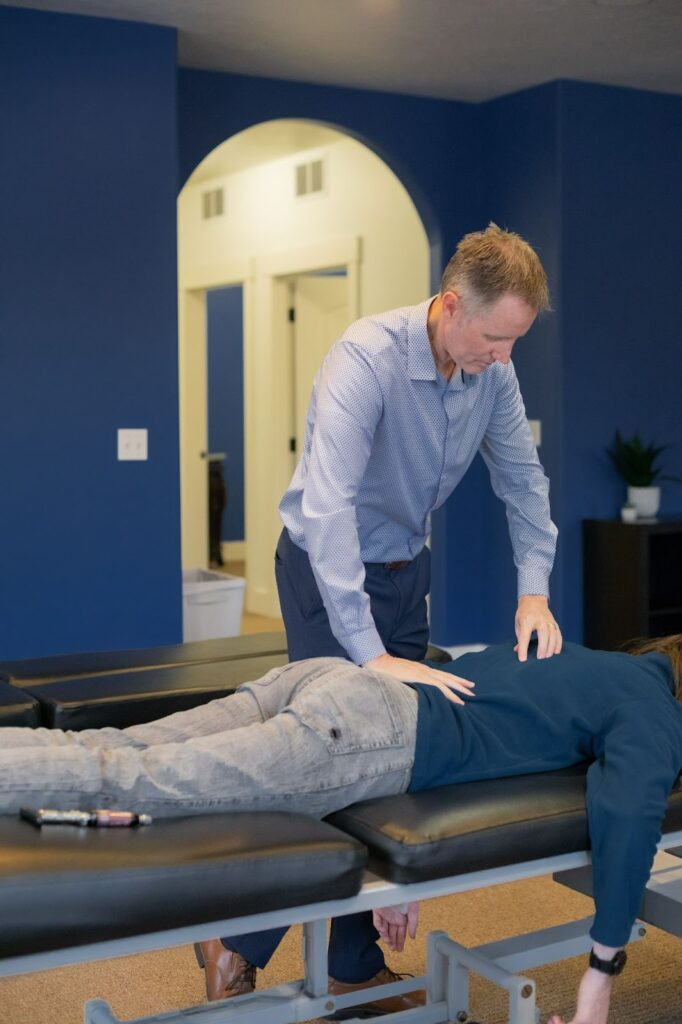
As a local chiropractor, I want to share with you the benefits of chiropractic care, especially when it comes to relieving lower back pain. My approach is holistic, emphasizing the crucial connection between your spine and nervous system. When you come in for a visit, the first step is to assess your spine's alignment and its impact on your overall health. Many times, misalignments—commonly known as subluxations—can lead to discomfort and pain, which is why chiropractic adjustments are essential for restoring balance.
During your initial appointment, I'll perform a comprehensive examination, which may include X-rays or physical assessments, to pinpoint the root cause of your pain. Once we identify the issue, I'll develop a personalized treatment plan tailored to your specific needs. My adjustments involve gentle manipulation of the spine, designed to relieve tension, enhance mobility, and improve nerve function.
I encourage you to consider regular chiropractic sessions, as many of my patients experience significant benefits over time. After just a few visits, many report a reduction in pain and improved functionality. Moreover, chiropractic care helps promote better posture and body mechanics, which can play a vital role in preventing future injuries.
Communication is key in our partnership. I invite you to share any symptoms or concerns you may have, as I can adjust your treatment plan to ensure you receive the best care possible.
Massage Therapy
As a local chiropractor, I want to share how massage therapy can be an effective method for alleviating lower back pain.
You'll find that certain techniques are designed to relieve tension and enhance circulation, which can lead to long-term relief when combined with regular sessions.
It's essential to seek out qualified therapists who understand how to tailor their approach to your individual needs.
This collaborative effort between chiropractic care and massage therapy can significantly improve your overall well-being and promote natural healing.
Techniques for Pain Relief
Are you struggling with lower back pain? As a chiropractor, I want to share how massage therapy can be a valuable addition to your pain relief strategy. Understanding different massage techniques can empower you to manage discomfort and improve your mobility. Here are five effective massage approaches to consider:
- Swedish Massage: This gentle method promotes relaxation and increases blood circulation, which can help alleviate tension in your back muscles and support overall healing.
- Deep Tissue Massage: By focusing on the deeper layers of muscle tissue, this technique is particularly useful for addressing chronic pain and stiffness, allowing for better movement and comfort.
- Trigger Point Therapy: This targeted approach involves applying pressure to specific tight knots in your muscles. By doing so, it helps release tension and can significantly reduce pain in affected areas.
- Myofascial Release: This technique concentrates on stretching and loosening the fascia, the connective tissue that surrounds your muscles. By releasing tightness in the fascia, you can experience a reduction in pain and improved range of motion.
- Sports Massage: Designed for active individuals, this technique not only aids in recovery but also helps to prevent injuries, making it an excellent choice for those who lead an active lifestyle.
Incorporating these massage techniques into your routine can yield substantial relief from lower back pain.
Whether you seek a professional massage therapist or want to practice self-massage, the right approach can greatly enhance your well-being.
Don't forget to communicate any specific areas of pain with your massage therapist to ensure you receive the most effective treatment tailored to your needs!
Benefits of Regular Sessions
Regular sessions of massage therapy can provide tremendous benefits for individuals suffering from lower back pain, and I'd like to help you understand how this can work in conjunction with chiropractic care. By committing to regular massage appointments, you can experience significant relief from tension and discomfort in your back.
The hands-on techniques employed by skilled therapists specifically target tight muscles, which can help reduce inflammation and improve circulation in the affected areas. This increased blood flow not only promotes healing but also enhances your mobility, allowing you to move more freely throughout your daily activities.
Additionally, massage therapy is an effective way to alleviate stress and anxiety, both of which can often intensify your pain. During your sessions, as you relax, your body releases endorphins—natural painkillers that elevate your mood and foster an overall sense of well-being.
You may also notice an improvement in the quality of your sleep, as regular massage can encourage deeper and more restorative rest.
One of the notable advantages of incorporating regular massage therapy into your routine is its potential to improve your posture. By addressing muscle imbalances and alleviating tension, massage can help realign your body, reducing strain on your lower back.
When combined with chiropractic adjustments, this holistic approach can be a game-changer in effectively managing and alleviating lower back pain.
If you're curious about how these therapies can work together to support your health, I invite you to explore how chiropractic care and massage therapy can complement each other for better overall wellness.
Choosing Qualified Therapists
Finding a qualified chiropractor is essential for maximizing the benefits of chiropractic care in alleviating lower back pain. With numerous practitioners available, it can be daunting to select the right one. Here are some important factors to consider when choosing a chiropractor:
- Credentials: Ensure that the chiropractor is licensed and has completed an accredited chiropractic program. This guarantees they've the necessary training and expertise.
- Experience: Look for a chiropractor who specializes in treating lower back pain and has a proven track record with similar conditions. Their experience can make a significant difference in your treatment outcomes.
- Techniques: Inquire about the specific techniques they employ, such as spinal adjustments, soft tissue therapy, or rehabilitation exercises, to determine what aligns best with your needs.
- Reviews: Check online testimonials and reviews to assess the chiropractor's effectiveness and the satisfaction of previous patients. This can provide insight into the quality of care you can expect.
- Communication: It's important to find a chiropractor who listens to your concerns and customizes treatment plans to address your specific pain points. Good communication fosters a trusting relationship and enhances your healing journey.
Acupuncture
As a local chiropractor, I want to introduce you to an effective complementary approach to managing lower back pain: acupuncture. This ancient practice, grounded in Traditional Chinese Medicine, focuses on stimulating specific points on the body to promote healing and relaxation. By inserting thin needles into strategic locations, acupuncture targets energy pathways, or meridians, that can significantly enhance your overall well-being.
During an acupuncture session, you may experience a slight pinch when the needles are inserted; however, many individuals report a profound sense of relaxation both during and after the treatment. This state of relaxation can help alleviate muscle tension, which is often a key contributor to lower back pain. By activating these specific points, acupuncture promotes increased blood flow, delivering essential nutrients and oxygen to the affected areas—essential for healing.
Many of my patients have found that regular acupuncture sessions lead to noticeable pain relief and improved mobility. It's a wonderful drug-free option to complement chiropractic adjustments and other therapies. The holistic nature of acupuncture means it addresses not only the symptoms of pain but also its underlying causes, making it a valuable part of a comprehensive pain management strategy.
If you're curious about incorporating acupuncture into your care plan, I encourage you to consult with a qualified practitioner who can assess your individual needs. They can customize your treatment and may even include additional techniques like cupping or moxibustion to enhance your experience.
Over-the-Counter Medications
As a local chiropractor, I want to share some insights on how you can manage your lower back pain effectively, especially if you're new to chiropractic care and natural healing. Many people turn to over-the-counter (OTC) medications as a first step for relief, and while these options are easily accessible, it's important to understand how to use them wisely and in conjunction with holistic approaches.
Here are some common OTC options that you might find helpful:
- Acetaminophen: This pain reliever can be effective for reducing discomfort; however, it doesn't have anti-inflammatory properties. It's a good option for mild pain relief.
- Nonsteroidal Anti-Inflammatory Drugs (NSAIDs): Medications like ibuprofen and naproxen can be beneficial as they not only alleviate pain but also reduce inflammation, which is often a contributing factor to back pain.
- Topical Analgesics: Creams or patches with ingredients like menthol or capsaicin can be applied directly to the affected area for localized pain relief. These can be particularly useful alongside chiropractic treatment.
- Combination Medications: Some OTC options combine ingredients such as acetaminophen and caffeine for enhanced pain relief, but it's essential to use them judiciously.
- Mild Muscle Relaxants: While most muscle relaxants require a prescription, there are some mild options available OTC that may help relieve muscle spasms accompanying back pain.
While OTC medications can provide temporary relief, they shouldn't replace a comprehensive approach to healing. I encourage you to read labels carefully and adhere to dosage guidelines.
If you have existing health conditions or are on other medications, it's wise to consult with a healthcare professional, including your chiropractor, to ensure you're making the best choices for your health.
It's important to remember that while these medications may help in the short term, they don't address the underlying causes of back pain. Chiropractic care focuses on natural healing through spinal adjustments, exercise, and lifestyle modifications, which can lead to long-lasting relief.
If your pain persists or worsens, I invite you to explore further evaluation and treatment options with a professional who can guide you on your journey to better health.
Prescription Medications
If over-the-counter (OTC) medications aren't providing the relief you need for your lower back pain, it might be worth considering alternative options, such as chiropractic care and natural healing methods.
As a chiropractor, I focus on addressing the root causes of pain rather than just masking it with medications. Chiropractic care can help alleviate pain and improve your quality of life by correcting spinal alignment issues and improving overall function.
Techniques such as spinal adjustments can reduce inflammation and relieve tension in the muscles surrounding your spine. This approach is often more sustainable than relying on prescription medications that may come with side effects or dependency risks.
In addition to spinal adjustments, I may recommend specific exercises and stretches to strengthen your back and improve flexibility. These exercises can help reduce muscle spasms that often accompany lower back pain.
By incorporating movement into your routine, you can enhance mobility and promote healing. It's also important to consider the role of nutrition and lifestyle changes in managing pain. A balanced diet and proper hydration can support your body's healing processes.
Mindfulness practices, such as yoga or meditation, can also be beneficial in managing stress, which often contributes to muscle tension and pain. If necessary, I can collaborate with other healthcare professionals to provide a comprehensive approach to your pain management.
This might include referrals to physical therapists or other specialists if additional support is needed. Always feel free to discuss your concerns and treatment options with me.
I'm here to help you find a natural, effective path to relief that supports your overall health and well-being. Remember, while some people find benefit from medications, many discover that a holistic approach can lead to lasting improvement and a better quality of life.
Mind-Body Techniques
As a local chiropractor, I want to share with you how mind-body techniques can be incredibly beneficial in managing lower back pain. These methods leverage the powerful connection between your mental and physical health, focusing on reducing stress, enhancing body awareness, and promoting relaxation.
By incorporating these practices into your routine, you may experience a reduction in pain and an overall improvement in your quality of life.
Here are five effective mind-body techniques that I recommend considering:
- Meditation: This practice helps cultivate relaxation and mindfulness, which can significantly reduce stress that often contributes to pain. Taking just a few minutes each day to meditate can make a noticeable difference in how you feel.
- Yoga: Through a combination of physical postures, breathing exercises, and meditation, yoga can improve your flexibility and strengthen your muscles. This holistic approach can provide significant relief from lower back pain, making it a great complement to chiropractic care.
- Deep Breathing: By focusing on your breath, you can calm your mind and reduce tension within your body. This technique not only helps you cope with pain but also promotes a sense of overall well-being.
- Tai Chi: This gentle form of martial arts emphasizes slow, controlled movements and mindfulness. Practicing Tai Chi can improve your balance and reduce discomfort, making it an excellent addition to your pain management strategy.
- Biofeedback: This technique empowers you to gain control over physiological functions and helps you become more aware of your body's responses to pain and stress. It's a valuable tool for managing discomfort and enhancing your overall health.
Incorporating these mind-body techniques alongside chiropractic care can lead to a more comprehensive approach to healing and pain management.
Conclusion
As a local chiropractor, I want to emphasize how crucial it is to find the right treatment for lower back pain to improve your overall quality of life. Many people aren't aware of the benefits of chiropractic care, but it can be a powerful option alongside other treatments like stretching exercises and heat therapy.
It's essential to personalize your approach to healing, as what works for one person may not work for another. I encourage you to consider the advantages of mind-body techniques and complementary therapies, such as acupuncture, which can also play a significant role in your recovery journey.
By exploring these various options, you can take proactive steps toward managing your pain, regaining mobility, and enjoying a more active, pain-free lifestyle. Remember, your health is in your hands, and I'm here to support you every step of the way.