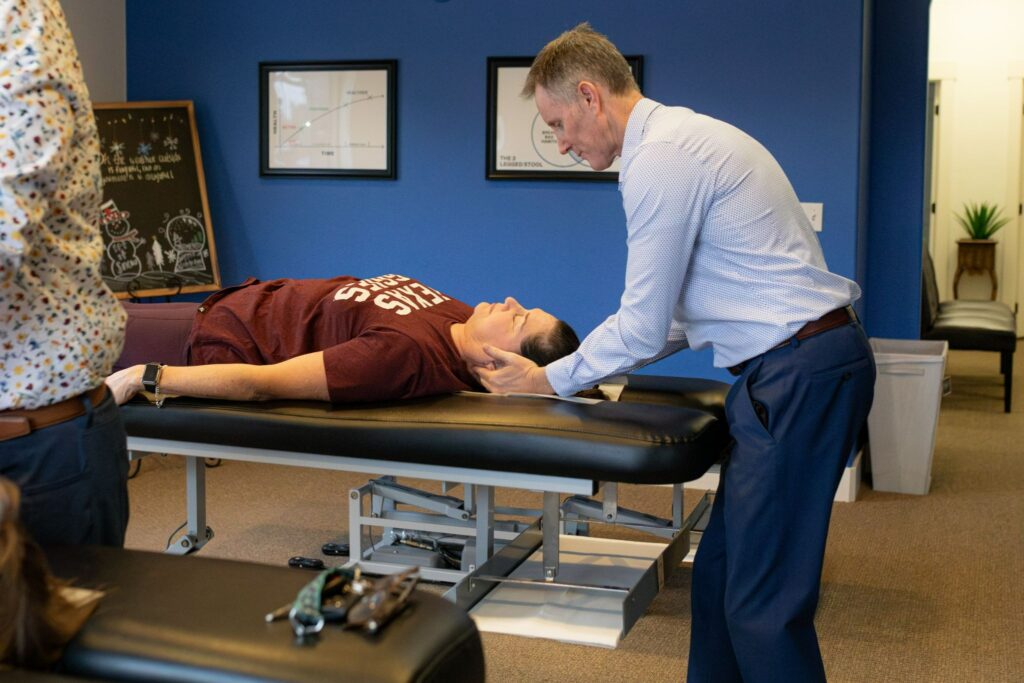

As a local chiropractor, I often see how small adjustments can make a remarkable difference in enhancing flexibility. Many people may not be aware of how dynamic stretching and mindful practices, such as yoga, can significantly reshape their routines and outcomes. It's crucial to consider not just your exercises, but also your posture, breathing techniques, and recovery time. Each of these elements plays a vital role in your journey to improved flexibility. Are you curious about how these adjustments can transform your approach to health and wellness? Let's dive into ten effective strategies that can lead to noticeable improvements in your flexibility and overall well-being.
Embrace Dynamic Stretching
As a local chiropractor dedicated to your health and wellness, I want to share an effective way to enhance your flexibility while warming up: dynamic stretching. This method differs from static stretching, which involves holding a position for an extended period. Instead, dynamic stretching incorporates movement to improve your range of motion and prepare your muscles for physical activity.
Incorporating dynamic stretching into your warm-up can significantly enhance your flexibility and overall performance. Start with simple exercises like leg swings, arm circles, and torso twists. These movements replicate the actions you'll perform during your workout, helping to raise your heart rate and increase blood flow to your muscles.
As you engage in these exercises, focus on smooth, controlled movements. This not only warms up your muscles but also promotes flexibility by fully engaging your joints.
It's essential to incorporate a variety of motions that target the major muscle groups you plan to use. For example, if you're preparing for a run, high knees and butt kicks are excellent choices. If strength training is on your agenda, lunges and deep squats are beneficial.
Aim to perform each stretch for about 10 to 15 repetitions, gradually increasing your range of motion as your muscles warm up.
Incorporate Mindfulness Practices
As a local chiropractor, I want to share with you some effective ways to enhance your flexibility through mindfulness practices. By incorporating these techniques into your routine, you can connect more deeply with your body and improve your overall well-being.
For instance, breathing techniques are a powerful tool that can help you tune into your body's signals. By focusing on your breath, you create a sense of calm and awareness, which allows for better movement and stretching.
Additionally, practicing mindful movement encourages you to stretch with intention. Instead of rushing through your exercises, take the time to be present in each motion, which can lead to greater flexibility and reduced tension.
Visualization techniques can further support your stretching journey. By mentally preparing for each movement, you can enhance your performance and achieve better results.
This holistic approach not only aids in physical flexibility but also promotes a deeper connection to your body, which is essential for natural healing. Embracing these mindfulness practices can transform your flexibility routine and contribute to your overall health.
Breathing Techniques for Flexibility
As a local chiropractor, I want to share how incorporating breathing techniques into your flexibility routine can significantly enhance your overall well-being. By focusing on your breath, you create a vital connection between your mind and body, leading to a deeper awareness of your movements and physical state.
Before diving into your stretches, take a moment to settle into a comfortable position and begin with deep, intentional breaths. Inhale slowly through your nose, allowing your diaphragm to expand fully, and then exhale gently through your mouth.
While you're stretching, it's beneficial to synchronize your breath with your movements. For example, inhale as you prepare to deepen a stretch and exhale as you move into it. This rhythm not only promotes relaxation but can also help you safely explore your limits. If you encounter tightness in a specific muscle, try to visualize breathing into that area, imagining the tension dissipating with each exhale.
Moreover, practicing mindfulness during your breathing can enhance your focus and awareness. Pay attention to how each breath feels and how it affects your flexibility. By staying present, you'll create a more enjoyable and effective stretching experience.
Mindful Movement Practices
Incorporating mindfulness into your movement practices can significantly enhance your flexibility routine, and as your chiropractor, I want to share how this approach can benefit you. By focusing on the present moment, you can become more attuned to your body's sensations, allowing you to connect deeply with each stretch.
As you move, pay attention to how your muscles feel, the rhythm of your breath, and any areas of tension that may arise. This increased awareness enables you to adjust your movements for better effectiveness and safety, which is crucial for maintaining your spinal health.
I encourage you to integrate mindful moments into your stretching routine. Before you begin, take a few deep breaths to center yourself and prepare your body. As you stretch, visualize your body opening up and releasing any distractions or stress.
If your thoughts start to wander, gently bring your focus back to your breath and the sensations you experience in your muscles and joints.
Exploring practices like yoga or tai chi can also be beneficial, as they naturally incorporate mindfulness. With each movement, you engage in a form of meditation that not only promotes flexibility but also cultivates a sense of calm and relaxation.
Visualization for Stretching Success
As a chiropractor, I want to share with you how visualization techniques can significantly improve your stretching success and overall wellness. By fostering a deeper mind-body connection, these techniques can enhance your flexibility and help alleviate tension in your muscles.
When you visualize the specific muscles you're stretching, you create a mental picture that allows you to focus your energy and intention on that area. Picture the muscles lengthening and releasing any tightness – this mental practice not only prepares your body but can also enhance your physical capabilities.
Incorporating mindfulness into your stretching routine can amplify these benefits even further. As you settle into each stretch, take a moment to breathe deeply and connect with your body. Pay attention to how each breath helps you relax into the stretch.
With each inhale, visualize warmth and energy flowing into your muscles, and with every exhale, imagine any tension melting away. This mindful approach can help you achieve a greater sense of relaxation and well-being.
Setting clear intentions for your stretching session is another powerful tool. Whether your goal is to improve flexibility or to find a deeper sense of relaxation, having a specific aim can sharpen your focus and enhance your results.
By blending visualization and mindfulness, you create a holistic approach to stretching that not only supports your physical health but also promotes mental clarity.
Next time you come in for an adjustment or treatment, I encourage you to consider these techniques. Remember to visualize and be present during your stretching, and you may find that the positive results extend beyond the treatment room, contributing to your overall health and well-being.
Adjust Your Posture
As a local chiropractor, I want to emphasize how crucial your posture is for your overall flexibility and well-being.
Many people are unaware that by simply correcting your sitting alignment and strengthening your core muscles, you can significantly improve your body's ability to move freely and comfortably.
These adjustments not only enhance your flexibility but also contribute to your overall comfort throughout the day.
Let's take a closer look at how making these changes can lead to better health and a more active lifestyle.
Correct Sitting Alignment
As a local chiropractor, I want to emphasize the importance of maintaining correct sitting alignment for your overall comfort and long-term health. Many people are unaware that how we sit can significantly impact our spine, muscles, and overall well-being.
When you sit correctly, you help reduce strain on your body, which can prevent discomfort and injuries down the line.
To start, ensure that your feet are flat on the floor and your knees are at a 90-degree angle. It's important for your hips to be slightly higher than your knees, as this allows your pelvis to tilt forward in a natural position, which is essential for spinal health.
Next, focus on keeping your back straight and your shoulders relaxed. Avoid the common habits of slumping or leaning forward, as these positions can lead to muscle fatigue and tension over time.
Your elbows should stay close to your body, forming another 90-degree angle at your sides. If you're working on a computer, make sure your screen is at eye level to prevent unnecessary strain on your neck.
To further support your sitting alignment, consider using ergonomic chairs or cushions that accommodate your body's natural curves. It's also vital to take regular breaks to stand, stretch, and realign your posture.
Even small adjustments throughout the day can lead to significant improvements in how you feel.
By prioritizing your sitting alignment, you not only enhance your flexibility but also support your overall health. As your chiropractor, I'm here to help you understand the benefits of proper alignment and guide you toward a healthier lifestyle.
Strengthen Core Muscles
As a local chiropractor, I often see how many people underestimate the significance of core muscles in maintaining good posture and overall stability. When your core is strong, it not only supports proper alignment but also plays a crucial role in preventing injuries.
By prioritizing the strengthening of these essential muscles, you may notice remarkable improvements in your flexibility and your ability to perform daily activities.
Here are three effective exercises that I recommend to help you strengthen your core:
- Planks: Begin by holding a plank position for 30 seconds to a minute. Ensure your body forms a straight line from your head to your heels, consciously engaging your core throughout the exercise. This not only builds strength but also promotes spinal stability.
- Russian Twists: Sit on the floor and lean back slightly, then twist your torso to touch the ground beside you, alternating sides. This movement effectively engages your obliques and enhances your rotational flexibility, which is vital for many everyday movements.
- Bridges: Lie on your back with your knees bent, and lift your hips toward the ceiling while squeezing your glutes and engaging your core. This exercise is excellent for strengthening both your lower back and abdomen, which are key components of a healthy spine.
Integrating these exercises into your routine can significantly bolster your core strength. In turn, you'll find it easier to maintain proper posture, reducing strain on your spine and improving your overall flexibility.
Start incorporating these movements today, and you'll likely feel a positive difference in how your body functions! Remember, chiropractic care and natural healing go hand in hand with a strong core for optimal health.
Vary Your Workout Routine
As a chiropractor, I often emphasize the importance of varying your workout routine to enhance both your fitness results and overall well-being. Many people don't realize that sticking to the same exercises repeatedly can lead to adaptation, where your body becomes accustomed to the movements, resulting in stalled progress. By mixing up your routine, you can challenge your muscles in new ways, which is essential for building strength, flexibility, and preventing injury.
To start, it's beneficial to incorporate different types of workouts into your weekly schedule. If you typically focus on strength training, consider adding some cardiovascular activities like running, cycling, or swimming. These exercises not only enhance your endurance but also engage different muscle groups, contributing to improved flexibility and overall body balance.
Conversely, if your routine is mostly cardio, adding strength training can help build muscle, which supports your joints and may alleviate discomfort.
Exploring various exercise styles can also be advantageous. Activities like yoga and Pilates are excellent for improving flexibility and core strength, which are vital for spinal health. Dance classes can provide a fun way to boost coordination while keeping your heart rate elevated. Additionally, outdoor activities such as hiking or rock climbing can introduce new challenges and enhance your motivation to stay active.
Another effective strategy is to adjust the intensity or duration of your workouts. If you typically engage in 30 minutes of moderate exercise, consider switching to 20 minutes of high-intensity interval training (HIIT) or extending your workout duration. This variety keeps your body guessing, which is crucial for breaking through plateaus and maintaining progress.
Incorporating variety into your workout routine not only enhances your flexibility but also keeps your fitness journey engaging and dynamic. As a chiropractor, I encourage you to get creative with your exercises and enjoy the process of discovering what works best for your body.
Focus on Breathing Techniques
As a local chiropractor, I want to emphasize that enhancing your fitness goes beyond just varied workouts; proper breathing techniques are essential for your overall health and performance.
Many people overlook the significance of breathing, yet it's crucial for improving flexibility and maximizing the benefits of your physical activities. By focusing on your breath, you can elevate your stretching and workouts.
Here's how to integrate effective breathing techniques into your routine:
- Diaphragmatic Breathing: I recommend practicing diaphragmatic breathing, which involves engaging your diaphragm for deep breaths instead of relying on shallow chest breaths. This technique increases oxygen flow to your muscles, promoting relaxation and allowing for more effective stretching.
- Inhale and Exhale with Intent: Try to synchronize your breathing with your movements. Inhale deeply as you prepare for a stretch, and exhale slowly as you move deeper into it. This rhythmic approach not only helps to release tension but also enhances your body's flexibility.
- Mindful Breathing: It's important to stay present and focused on each breath. By practicing mindfulness, you can connect with your body during stretches, allowing you to recognize your limits and make necessary adjustments. This awareness can help prevent injuries and significantly improve your overall flexibility.
Utilize Foam Rollers
As a chiropractor, I often emphasize the importance of flexibility and muscle health in maintaining overall well-being. One effective tool that can significantly enhance your body's flexibility is the foam roller. This simple yet powerful device allows you to target tight muscles and fascia, helping to break down knots and adhesions that may be restricting your range of motion.
By integrating foam rolling into your routine, you can alleviate muscle tension and prepare your body for deeper stretching—benefits that align perfectly with our focus on natural healing.
To begin, find a comfortable space where you can relax and choose a foam roller that fits your needs. If you're new to foam rolling, I recommend starting with a softer roller, as it will provide a gentler release. As you become more accustomed to the practice, you can transition to a firmer roller for a deeper massage.
Start by rolling over larger muscle groups such as your quadriceps, hamstrings, and calves. Apply gentle pressure while allowing the roller to glide smoothly along your muscles. If you discover a particularly tight area, pause and let the pressure sink in for 15 to 30 seconds to encourage release.
During your foam rolling session, it's crucial to maintain control. Move slowly and steadily—avoid bouncing or rushing, as this can lead to discomfort or injury. You can also vary your angles to target specific areas, including your back and shoulders.
For optimal results, I recommend dedicating about 10 minutes to foam rolling both before and after your workouts. This practice not only enhances flexibility but also complements the chiropractic care I offer, helping you achieve a more balanced and pain-free lifestyle.
Prioritize Recovery Time
As a local chiropractor dedicated to your well-being, I want to emphasize the importance of recovery time for your body's healing and adaptation after physical activity. Many individuals underestimate recovery, but neglecting it can lead to issues such as stiffness, decreased flexibility, and even injuries.
By prioritizing recovery, you allow your muscles and joints to repair, which ultimately enhances your overall performance and well-being. Here are three key reasons why recovery time is essential:
- Muscle Repair: When you engage in intense physical activities, your muscles experience micro-tears. Recovery time is crucial for repairing these tears, which leads to muscle growth and improved flexibility. Without adequate recovery, you may encounter overtraining, which can set you back in your fitness journey.
- Reduced Fatigue: Allowing your body the rest it needs can significantly reduce fatigue. This means you'll have more energy for your next workout, enabling you to push your boundaries and enhance your flexibility. Remember, fatigued muscles don't stretch effectively, which can impede your progress.
- Injury Prevention: Taking time to recover can greatly reduce your risk of injuries. Overworked muscles and joints are more vulnerable to strains and sprains. By allowing your body to rest, you promote better movement patterns and overall stability, making your workouts safer and more effective.
Incorporating regular recovery time into your routine is crucial for achieving your long-term flexibility and health goals.
Always listen to your body, and don't underestimate the power of rest. Embrace recovery as an integral part of your wellness plan, and you'll notice the positive effects on your flexibility and overall performance.
As your chiropractor, I'm here to support you in this journey toward natural healing and optimal health.
Set Realistic Goals
As a local chiropractor, I want to help you understand the importance of setting realistic goals for your flexibility journey.
The first step is to assess your current flexibility level. By having a clear picture of where you're starting, we can create achievable milestones that will keep you motivated along the way.
This personalized approach not only makes your flexibility journey effective but also ensures that you find it rewarding.
Assess Current Flexibility Level
Assessing your current flexibility level is a vital step in understanding how your body functions and setting achievable health goals.
As a chiropractor, I believe that recognizing your flexibility can lead to better overall health and prevent injuries. Here are three simple steps to help you evaluate your flexibility:
- Try Some Basic Stretch Tests: Begin with familiar stretches, such as the sit-and-reach or shoulder stretch. Pay attention to how far you can extend and any sensations of discomfort. This initial assessment will provide you with a starting point for your flexibility journey.
- Identify Tight Areas: Take notice of muscle groups that feel tight or restricted. Common areas include the hamstrings, hips, and shoulders. By pinpointing these tightness areas, you can focus your flexibility training more effectively and enhance your overall mobility.
- Measure Your Range of Motion: You can use a goniometer, or simply a tape measure, to assess how far you can stretch. Documenting these measurements over time won't only help you track your progress but also allow you to adjust your goals as your flexibility improves.
By understanding your flexibility level, we can work together to create a personalized plan that promotes healing and enhances your body's natural capabilities.
Establish Progress Milestones
As a local chiropractor, I want to emphasize the importance of setting realistic goals for your journey to improved flexibility, especially as part of a holistic approach to health and wellness. By establishing progress milestones, you create a clear roadmap that guides your efforts and complements natural healing practices.
Begin by identifying specific areas where you'd like to enhance your flexibility, such as your hamstrings or hips. It's beneficial to break these larger goals down into smaller, achievable milestones. For example, aim to touch your toes or hold a deep squat for 30 seconds.
To keep yourself on track, ensure that your milestones are time-bound. Consider setting a timeline of four weeks to achieve your first goal. This allows you to regularly assess your progress and make any necessary adjustments to your routine.
Remember, celebrating those small victories is crucial; each achievement, no matter how minor, fuels your motivation and strengthens your commitment to your overall health.
I also recommend keeping a journal to document your journey. Record your milestones, the specific exercises you're focusing on, and any challenges you encounter. This practice not only keeps you accountable but also helps identify patterns that may need addressing, further enhancing your flexibility and overall well-being.
Together, we can work towards a healthier, more flexible you!
Stay Hydrated
As a local chiropractor, I want to emphasize the crucial role that hydration plays in your overall health and well-being, especially when it comes to flexibility and physical performance. Many may not realize that staying properly hydrated can significantly impact how your body functions, including the efficiency of your muscles during workouts or stretches. Dehydration, on the other hand, can lead to muscle stiffness and cramping, making it more challenging to achieve your flexibility goals.
Here are three key reasons why hydration is essential for your health:
- Muscle Recovery: Water is vital for transporting essential nutrients to your muscles and eliminating waste products. Staying hydrated can speed up your recovery after physical activities, allowing your muscles to relax and stretch more effectively, which is especially important for those of you who are new to chiropractic care.
- Joint Lubrication: Proper hydration helps keep your joints well-lubricated, which is critical for smooth and pain-free movement. When your joints are adequately hydrated, you're less likely to experience discomfort during stretching or chiropractic adjustments, promoting a greater range of motion.
- Temperature Regulation: Hydration is fundamental in regulating your body temperature. When you're well-hydrated, your body can effectively cool itself during physical activity, preventing overheating and fatigue that can impede flexibility and overall performance.
To ensure that you stay hydrated, I encourage you to drink water consistently throughout the day, not just during workouts or after chiropractic sessions.
Keep a water bottle with you and consider setting reminders to drink regularly. Remember, your hydration needs may vary based on your activity level, the climate, and your individual body requirements.
Listen to Your Body
As a chiropractor, I want to emphasize the importance of listening to your body for optimal flexibility and injury prevention. Every time you stretch or engage in physical activity, your body communicates with you through various signals. It's crucial to pay attention to these signals. If you experience pain or discomfort, that's your body's way of indicating that you need to ease up or modify your approach.
Start by focusing on your breath. Notice how your breathing shifts while you stretch. If you find yourself holding your breath or becoming tense, it may be a sign that you're pushing too hard. Flexibility isn't solely about how far you can reach; it's about maintaining a balance of control and comfort. When you feel a stretch, aim for a sensation that's challenging yet not painful.
It's also vital to acknowledge when your body needs rest. If you're feeling fatigued, it's a clear indication that your body requires a break. Ignoring signs of fatigue can lead to overexertion and potential injuries. Make sure to incorporate rest days into your routine to allow your muscles to recover and adapt properly.
Additionally, consider how the time of day affects your body. You might notice that your flexibility feels different in the morning compared to the evening. Feel free to adjust your routine according to how your body feels at different times of the day.
Ultimately, being in tune with your body's needs won't only improve your flexibility but also contribute to a sustainable practice. Remember, this journey is about respecting your body's limits, which is essential for achieving long-term wellness and success.
As your chiropractor, I'm here to support you on this path to natural healing and overall health.
Conclusion
As a local chiropractor, I want to share how making certain adjustments can significantly enhance your flexibility and overall well-being. It's important to incorporate dynamic stretching into your routine, as this helps prepare your muscles and joints for movement. Practicing mindfulness can also greatly improve your body awareness, allowing you to connect with how your body feels during various activities.
Pay attention to your posture; maintaining proper alignment is crucial for flexibility and can prevent discomfort. Additionally, varying your workouts is beneficial—try different activities to challenge your body and avoid overuse injuries. Focusing on your breathing techniques can further support your progress and help you stay relaxed.
Recovery time is essential, so make sure to allow your body to rest and rejuvenate. Staying hydrated is another key factor; proper hydration supports muscle function and recovery. Set realistic goals to keep yourself motivated, and most importantly, always listen to your body. It will guide you on your journey toward improved flexibility and health. Remember, taking these steps can lead to lasting benefits, and your body will truly appreciate the care you give it!