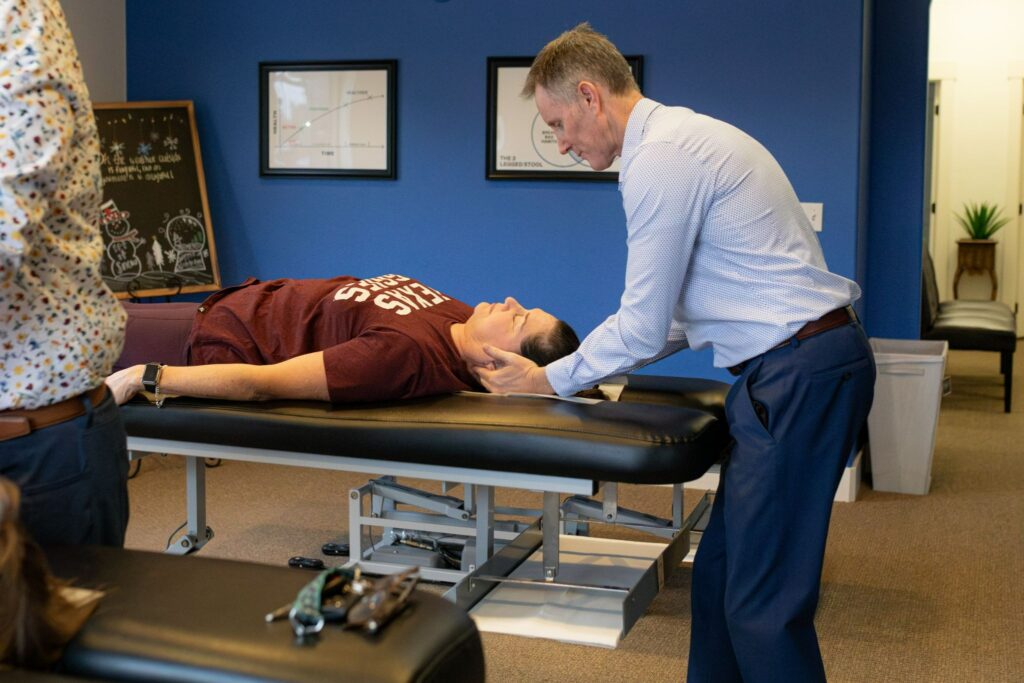

If you're dealing with migraines, you may find it enlightening to discover how chiropractic care can play a crucial role in your relief. As a local chiropractor, I want to share how spinal adjustments can effectively address nerve irritation and muscle tension, which are often significant contributors to migraine pain. Our sessions focus on not only improving spinal health but also include personalized stress relief techniques that cater to your unique needs.
But chiropractic care goes beyond just adjustments. There are various strategies we can implement together that will enhance your overall treatment and help you manage migraines more effectively. Are you interested in learning more about these approaches? Let's dive into how chiropractic care can be a valuable asset in your journey toward better health and fewer migraines.
Understanding Migraines and Their Triggers
Migraines can be incredibly challenging, not just affecting your head but also impacting your overall quality of life. As a chiropractor, I want to help you understand the various triggers that can lead to these intense headaches, which is essential for managing them naturally and effectively. By identifying these triggers, you can take proactive steps to alleviate your discomfort.
Common triggers for migraines include stress, hormonal changes, specific foods, and environmental factors. For example, you might discover that skipping meals or consuming certain processed foods, like aged cheeses or chocolate, can often precipitate a migraine. Keeping a food diary can be a helpful tool in identifying any particular items that may be contributing to your headaches.
Stress plays a significant role in triggering migraines as well. When you're feeling overwhelmed, your body responds in ways that may lead to increased tension and discomfort. I encourage you to explore stress-relief techniques, such as chiropractic adjustments, meditation, exercise, or simply taking time for yourself to recharge.
Additionally, hormonal fluctuations—particularly in women—can trigger migraines, often related to menstrual cycles or hormonal therapies.
It's also important to consider environmental factors that may lead to an attack. Bright lights, loud noises, or strong scents can all be potential triggers. Creating a migraine-friendly environment can be beneficial; for instance, consider dimming lights in your home or using noise-canceling headphones when you know you're in a stimulating situation.
As your chiropractor, my goal is to support your journey towards natural healing and help you manage your migraines through holistic approaches that focus on overall wellness. Let's work together to find the best strategies for you!
How Chiropractic Adjustments Help
As a local chiropractor dedicated to helping our community understand the benefits of natural healing, I'd like to share how chiropractic adjustments can be a valuable tool in managing migraine symptoms. Many people don't realize that misalignments in the spine can contribute to tension and discomfort that may trigger migraines.
When your spine isn't properly aligned, it can lead to nerve irritation and muscle tension—both common culprits behind migraine attacks. During your visit, I'll assess your spinal alignment and pinpoint any areas that might need adjustment.
Through gentle, targeted movements, I aim to restore proper alignment to your spine. This realignment can relieve muscle tension, enhance blood flow, and decrease inflammation, all of which are crucial for relieving migraine symptoms.
In addition to adjustments, I'll also provide guidance on maintaining good posture and ergonomics in your daily life. Simple changes in how you sit, stand, or sleep can significantly reduce the tension that often leads to migraines.
Many of my patients report feeling immediate relief following their chiropractic adjustments, while others notice a decrease in the frequency and intensity of their migraines over time.
Integrating regular chiropractic care into your health routine can be an effective way to manage migraines without relying on invasive treatments. By choosing chiropractic adjustments as part of your self-care, you may experience significant improvements in both your migraine symptoms and overall well-being.
I'm here to support you on your journey to better health through natural healing.
The Role of Spinal Health
As a local chiropractor, I want to emphasize the importance of maintaining good spinal health for your overall wellness, particularly when it comes to managing migraines. Your spine is much more than just a support structure; it plays a crucial role in your nervous system. When your spine is properly aligned, it helps ensure that your nervous system operates at its best.
However, misalignments—also known as subluxations—can disrupt nerve function, leading to increased tension and pain, which can trigger migraine attacks. When your spine is out of alignment, the muscles surrounding it can become tense, contributing to headaches and discomfort.
Regular chiropractic adjustments are essential as they help restore your spine's natural alignment, relieving pressure on nerves and muscles. This relief can significantly reduce the frequency and intensity of your migraines.
Moreover, maintaining good spinal health also enhances blood flow and circulation. An aligned spine allows blood vessels to function more effectively, ensuring that essential nutrients and oxygen reach your brain. Improved circulation can help alleviate symptoms associated with migraines.
I encourage you to incorporate spinal health into your daily routine, as it can also lead to better posture, which is critical in preventing tension headaches. Simple practices like setting up your desk ergonomically and being mindful of your movements can make a significant difference in supporting your spinal health.
As your chiropractor, I'm here to guide you in understanding how vital spinal alignment is to your overall health, especially when it comes to managing migraines naturally.
Complementary Therapies and Techniques
As a local chiropractor, I want to share how incorporating complementary therapies and techniques can significantly enhance your ability to manage migraines. Many of my patients have found that exploring various options alongside chiropractic care not only helps alleviate their symptoms but also promotes overall well-being.
One effective approach is acupuncture. This ancient practice involves the strategic placement of thin needles at specific points on your body. It helps to balance energy and reduce pain. Numerous individuals who suffer from migraines have reported substantial relief after just a few acupuncture sessions, making it a valuable addition to your treatment plan.
Another beneficial option is massage therapy. Regular massages can alleviate muscle tension in the neck and shoulders, which often plays a role in triggering migraines. Massage not only improves circulation but also promotes relaxation—both of which are essential in managing migraine triggers.
I also encourage my patients to consider dietary changes. A diet rich in fruits, vegetables, and whole grains can support your overall health and may help decrease the frequency of migraines. Keeping a food diary can be a useful tool to identify potential triggers, such as certain additives or caffeine.
In addition, practicing mindfulness and relaxation techniques like yoga or meditation can be immensely helpful in managing your stress levels. Since stress is a well-known trigger for migraines, finding effective ways to unwind is crucial.
Lastly, you may want to think about incorporating supplements such as magnesium or riboflavin into your routine, as they've shown promise in reducing migraine frequency for some individuals. However, it's important to consult with your healthcare provider before starting any new regimen to ensure it's safe and suitable for you.
Finding the Right Chiropractor
As a local chiropractor, I want to help you understand how finding the right chiropractic care can significantly impact your journey in managing migraines. If you're new to this approach, I recommend starting by asking for recommendations from friends, family, or even your primary care physician. Their experiences can guide you to trustworthy professionals who specialize in helping patients with migraines and related issues.
Once you have a few names in mind, it's important to check their credentials. Ensure that the chiropractor is licensed and has specific experience treating migraines. Many chiropractors, including myself, focus on neuromusculoskeletal disorders, which means we're well-versed in the complexities of headache-related issues.
Consider the treatment approach that each chiropractor offers. While some of us may primarily use spinal manipulation, others might incorporate complementary therapies such as massage or acupuncture. It's essential to find a practitioner whose methods resonate with you and make you feel comfortable.
I encourage you to schedule an initial consultation with a chiropractor. This meeting is a perfect opportunity for you to discuss your specific migraine triggers, symptoms, and treatment goals.
Pay attention to how well the chiropractor listens to your concerns and whether they provide clear explanations of their treatment strategies.
Lastly, take note of the office environment. A clean, inviting space with friendly staff can greatly enhance your experience.
Also, consider practical aspects such as office hours and location, especially since regular visits may be necessary for effective treatment.
Conclusion
As a local chiropractor, I want to share how chiropractic care can be a valuable resource for those struggling with migraines. By focusing on your spinal health, we can help alleviate tension and promote relaxation, potentially leading to fewer and less intense migraine episodes. It's important to consider complementary therapies alongside chiropractic adjustments, as they can enhance your overall well-being. I encourage you to find a chiropractor you feel comfortable with, as a trusting relationship is key to your healing journey. Together, we can work towards a life with fewer migraines and a greater sense of health and vitality.