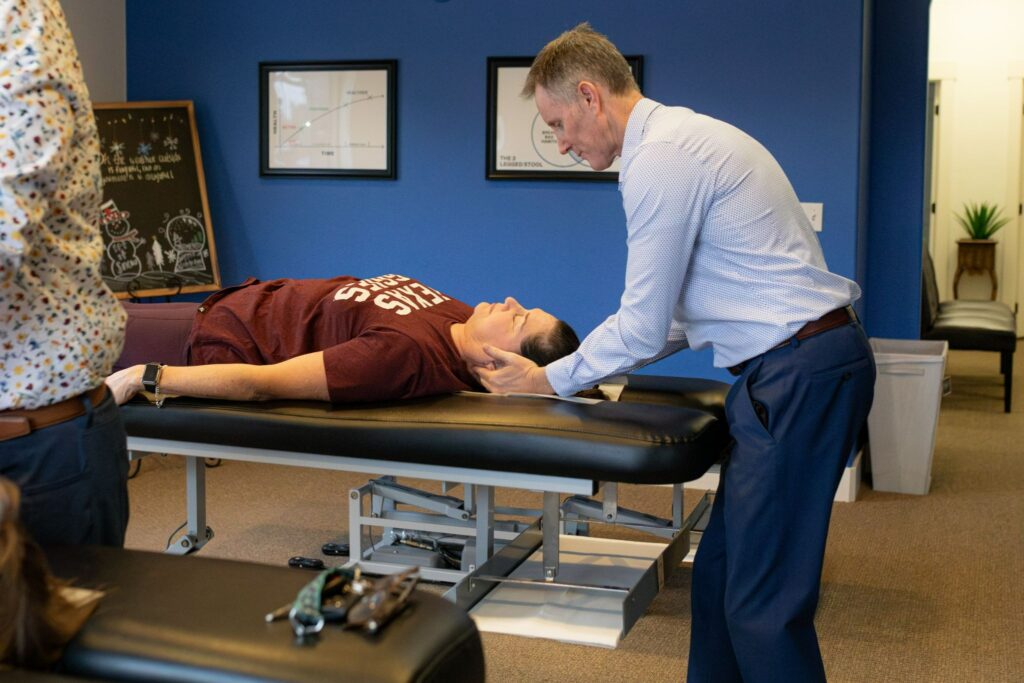

As a local chiropractor, I understand that dealing with a neck injury can be daunting. Many patients are unaware that there are several natural techniques that can significantly enhance your comfort and facilitate the healing process. Gentle stretches can help alleviate tension, while effective massage techniques can promote relaxation and improve blood flow to the affected area. Alternating between heat and cold therapy can also provide relief by reducing inflammation and soothing sore muscles.
In addition to these methods, maintaining proper posture is crucial for your recovery. Poor posture can exacerbate pain and hinder healing, so being mindful of how you sit and stand can make a noticeable difference. Incorporating mindfulness practices, such as deep breathing or meditation, can further support your healing journey by reducing stress and promoting relaxation.
It's important to recognize that each individual's situation is unique. Understanding which techniques are most effective for your specific condition can be the key to finding relief. As your chiropractor, I am here to guide you through these natural healing methods and help you regain your well-being.
Gentle Neck Stretches
Gentle neck stretches can be incredibly beneficial for alleviating tension and discomfort associated with neck injuries. As your local chiropractor, I want to emphasize the importance of incorporating these stretches into your daily routine. By doing so, you may experience a notable decrease in stiffness and pain. These simple movements can be performed anywhere, making them a practical and effective approach to managing neck discomfort.
To begin, find a comfortable seated or standing position. Gently tilt your head to one side, bringing your ear toward your shoulder. Hold this position for about 15-30 seconds, and pay attention to the stretch you feel along the opposite side of your neck. Afterward, switch sides and repeat. This stretch is essential for releasing tension in the muscles that may be contributing to your discomfort.
Next, let's try the chin tuck. While either sitting or standing, pull your chin back toward your throat while keeping your back straight. You should feel a gentle stretch along the back of your neck. Hold this position for about 5 seconds, then release. This stretch not only helps strengthen your neck muscles but also improves your posture, which is crucial for your recovery.
Additionally, I recommend incorporating gentle neck rotations into your routine. Slowly turn your head to one side, looking over your shoulder. Hold for a few seconds, then rotate to the other side. This exercise is excellent for increasing flexibility and range of motion in your neck.
As you perform these stretches, remember to take deep breaths. Deep breathing helps relax your muscles and enhances the effectiveness of each stretch.
Heat Therapy
As a local chiropractor, I want to share with you the benefits of heat therapy for alleviating neck pain and tension. This natural healing method can be incredibly effective, as it promotes increased blood flow and helps to relax tight muscles in the area.
Let's take a closer look at how you can incorporate heat therapy into your routine, the various application techniques you can use, and some essential precautions to keep in mind while using this treatment.
Understanding the proper use of heat therapy can be an excellent addition to your wellness journey, particularly if you're feeling discomfort in your neck.
Benefits of Heat Therapy
As a local chiropractor, I often recommend heat therapy for my patients dealing with neck injuries. Applying a warm compress is an effective way to provide immediate relief by soothing sore muscles and enhancing blood circulation in the affected area.
Heat therapy helps to relax tense muscles, which can significantly improve your mobility and reduce discomfort associated with neck injuries. When you apply heat, it increases blood flow to the area, delivering essential nutrients that promote healing. Many of my patients find that this therapy alleviates stiffness—a common issue when recovering from neck injuries.
As your muscles relax, you'll notice a decrease in tension, allowing for greater freedom of movement in your neck. This is particularly beneficial for those who've been experiencing chronic pain or tightness.
Another advantage of heat therapy is its positive impact on your mood. The warmth can trigger the release of endorphins, which are the body's natural painkillers. Not only does it address physical discomfort, but it also provides a comforting sensation that can help you feel more relaxed and at ease.
Incorporating heat therapy into your recovery routine can greatly enhance your overall well-being. By taking advantage of its soothing effects, you'll be on the path to feeling better and regaining your neck's full range of motion.
If you have any questions about how to effectively use heat therapy or want to explore other natural healing methods, feel free to reach out during your next visit!
Application Techniques Explained
As a local chiropractor dedicated to helping you understand natural healing, I want to share some effective techniques for applying heat therapy to alleviate neck injuries and tension. Choosing the right method is crucial for achieving the best relief, so let's explore a few options together.
One of the simplest methods is using a heating pad or a hot water bottle. For direct application, place the pad or bottle on your neck for about 15 to 20 minutes. It's essential to ensure that it's warm but not too hot to prevent any risk of burns.
Another great option is utilizing a warm towel. Just dampen a towel with hot water, wring it out, and fold it. Lay this over your neck and shoulders to allow the heat to penetrate deeply into the muscles.
If you have a microwaveable rice bag, that can also be a fantastic choice. Heat it according to the instructions, then wrap it in a cloth before placing it on your neck for soothing warmth.
If you're looking for a more enveloping experience, consider taking a warm shower or bath. The steam and heat from the water can help relax your neck muscles while providing an overall sense of comfort. Be sure to adjust the heat to your liking, ensuring it feels pleasant and soothing.
Incorporating regular heat therapy into your routine can significantly aid in your recovery process. It can help relieve tension, allowing you to regain mobility and comfort in your neck.
Precautions to Consider
As a local chiropractor, I want to share some important precautions you should consider before using heat therapy to relieve neck pain.
While heat can be an effective way to alleviate discomfort, it's crucial to approach it safely and thoughtfully. Here are three key points to keep in mind:
- Inspect Your Skin: Before applying heat, take a moment to check your skin for any cuts, rashes, or irritations. If you see anything unusual, it's best to avoid applying heat to that area, as it may exacerbate the condition.
- Control the Duration: It's important not to overdo it with heat therapy. I recommend limiting your sessions to 15 to 20 minutes, and allowing your skin to cool down in between applications. This practice helps to prevent burns and other skin-related issues.
- Regulate the Temperature: Be mindful of the heat level you're using. Always test the temperature on a less sensitive area of your body before applying it to your neck. You want to achieve a comfortable warmth; excessive heat can lead to more harm than relief.
By following these precautions, you can safely incorporate heat therapy into your routine for neck pain relief.
If you have any questions or need personalized advice, feel free to reach out during your next visit!
Cold Compress Application
As a local chiropractor, I want to share with you an effective method for managing pain and swelling, particularly if you've experienced a neck injury. Applying a cold compress can be a simple yet powerful tool in your recovery process. When you're dealing with discomfort, the cold temperature works to constrict blood vessels, which in turn helps reduce inflammation and numbs the affected area.
To get started, select a cold compress that suits your needs—a gel pack or even a bag of frozen peas wrapped in a cloth works well. It's important to remember to avoid placing ice directly on your skin to prevent frostbite.
Once you have your cold compress ready, find a comfortable position where you can relax. Gently place the compress on the injured area of your neck for about 15 to 20 minutes. You can repeat this process every hour as needed during the first 48 hours after your injury. This timing is crucial as it maximizes the benefits of the cold therapy while minimizing the risk of skin damage.
Always listen to your body. If you notice any increase in pain or discomfort while using the cold compress, be sure to remove it immediately.
After the initial swelling has subsided, you can consider alternating between hot and cold therapies for further relief. However, it's best to focus solely on cold compresses for the first two days following an injury.
In addition to pain relief, using a cold compress can also promote relaxation, making it easier for you to manage your daily activities. I encourage you to incorporate this simple yet effective technique into your recovery plan.
With consistent application, you're likely to notice a significant improvement in how your neck feels. Remember, natural healing methods like these can play a vital role in your overall wellness journey.
Massage Techniques
As a chiropractor, I often see patients recovering from neck injuries, and I want to share how incorporating massage techniques can greatly assist in your healing journey.
After you've used a cold compress to alleviate pain and swelling, massage can play a crucial role in reducing tension and enhancing circulation in the affected area, which promotes overall healing.
Here are three effective techniques that you can try:
- Effleurage: This gentle technique involves long, sweeping strokes that help warm up your neck muscles and increase blood flow. Start by placing your fingers at the base of your neck and glide them upward toward your scalp. Repeat this motion for a few minutes to help release tightness and encourage relaxation in the muscles.
- Petrissage: This method is all about kneading and squeezing the muscles. With your fingers and thumbs, gently lift and roll the muscle tissue in your neck. Pay special attention to any tight knots you feel, applying moderate pressure for targeted relief. This can help release muscle tension and improve your comfort level.
- Friction: If you're looking for deeper muscle relief, friction techniques can be very effective. Use your fingertips to make small circular movements on the areas of tightness in your neck. This technique can help break down adhesions in the muscle tissue and improve your flexibility.
It's important to listen to your body while performing these techniques. If you experience pain, ease up on the pressure.
You have the option to practice these techniques on your own, or you can seek the expertise of a professional massage therapist for a more thorough session.
By regularly incorporating these massage techniques into your recovery routine, you can significantly support your healing process and restore mobility to your neck.
As always, feel free to reach out to me if you have any questions or need further guidance on your journey to recovery!
Posture Correction
As a chiropractor, I often see how posture correction can significantly aid in recovering from neck injuries. When you maintain proper posture, it helps reduce strain on your neck, facilitating healing and alleviating pain. By sitting or standing with a straight spine, you distribute your body weight evenly, which minimizes pressure on your neck muscles and joints.
On the contrary, poor posture—such as slouching or craning your neck forward—can worsen your injury and extend your recovery period.
To start, I encourage you to be mindful of your posture throughout the day. Whether you're working at a desk or using your phone, ensure your head is aligned with your spine. A helpful tip is to keep your ears directly above your shoulders.
If you're seated, consider adjusting your chair and desk height to maintain this alignment.
In addition, incorporating ergonomic tools can make a significant difference in your comfort and recovery. A supportive chair or standing desk can help, and using cushions or lumbar supports can assist in maintaining the natural curve of your spine.
When working on a computer, position your screen at eye level to prevent leaning forward.
It's also beneficial to regularly check your posture while walking, standing, or sitting. Setting reminders on your phone can be an effective way to prompt you to adjust your posture throughout the day.
Furthermore, strengthening your core muscles through targeted exercises can provide additional support for maintaining good posture.
Rest and Recovery
As your local chiropractor, I want to emphasize that while maintaining good posture is crucial for your overall health, rest and recovery are equally important when it comes to healing your neck injury.
Allowing your body the necessary time to recuperate can significantly reduce pain and restore function more effectively. Here are three essential aspects of rest and recovery that I encourage you to focus on:
1. Sleep: Prioritize getting enough restorative sleep. Quality sleep is essential for your body to repair itself and combat inflammation. Aim for 7-9 hours each night to support your healing process.
Consider creating a sleep-friendly environment—dark, quiet, and comfortable—to enhance the quality of your rest.
2. Activity Modification: While it's important to stay active, it's equally vital to be mindful of the activities you engage in during your recovery.
Avoid any movements or tasks that could put additional strain on your neck. Instead, focus on gentle exercises and stretches as guided by a healthcare professional, such as myself.
Always listen to your body—if something hurts, it's a signal to stop and reassess.
3. Ice and Heat Application: In the days immediately following your injury, using ice packs can help reduce swelling and numb the pain.
After a few days, consider switching to heat therapy, which can encourage blood flow and relax tight muscles.
For both treatments, aim to apply them for 15-20 minutes at a time, ensuring you give your body the care it needs.
By following these guidelines, you'll create an environment that fosters healing and enhances your recovery journey.
If you have any questions or need personalized advice, don't hesitate to reach out to me—we're in this together!
Mindfulness and Relaxation
As your local chiropractor, I want to emphasize the importance of incorporating mindfulness and relaxation techniques into your recovery journey. These practices can significantly enhance your healing process and are a valuable complement to chiropractic care. By connecting with your body and managing pain effectively, you can experience a more profound sense of relief.
I recommend starting with mindfulness meditation. Dedicate a few minutes each day to find a quiet space where you can close your eyes and take deep, slow breaths. Focus on your breathing—notice each inhale and exhale. Let any distracting thoughts fade away without judgment. This practice not only calms your mind but also promotes relaxation throughout your body, which can be incredibly beneficial for your recovery.
Another effective technique is progressive muscle relaxation. This involves tensing and then relaxing different muscle groups, starting from your toes and gradually moving up to your neck. As you relax each area, visualize the tension dissipating. This method increases your awareness of stress areas, enabling you to release the tension consciously.
In addition to these techniques, consider integrating gentle yoga or stretching into your daily routine. These movements can improve flexibility and blood flow, helping to ease tension in your neck. When paired with mindfulness practices, you create a holistic approach to your recovery that supports both your body and mind.
Lastly, don't overlook the power of positive affirmations. Repeating calming phrases can help shift your mindset towards healing and resilience. By embracing these mindfulness and relaxation techniques alongside your chiropractic care, you'll not only find relief from discomfort but also empower yourself on the path to recovery.
Conclusion
As a local chiropractor, I want to help you understand how incorporating soothing techniques into your daily routine can significantly aid your recovery from a neck injury. Many patients may not be familiar with the benefits of chiropractic care and natural healing, so let's explore some effective methods.
First, gentle stretches can be incredibly beneficial. These help to relieve tension in the neck muscles and improve flexibility. Additionally, I recommend using heat and cold therapy. Applying heat can promote blood flow and reduce stiffness, while cold therapy can help to minimize swelling and numb pain.
Massage therapy is another excellent option for alleviating discomfort. It can help release tight muscles and improve circulation, which is crucial for healing. Alongside these techniques, I encourage you to maintain good posture throughout your day to avoid putting unnecessary strain on your neck.
Rest is also essential in your recovery process; give your body the time it needs to heal. Finally, integrating mindfulness practices can enhance your overall well-being, aiding both mental and physical recovery.
By taking these steps, you can empower yourself in your recovery journey. With time and dedication, you'll likely find yourself feeling more comfortable and flexible in your neck. Remember, I'm here to guide you through this process and support your natural healing.