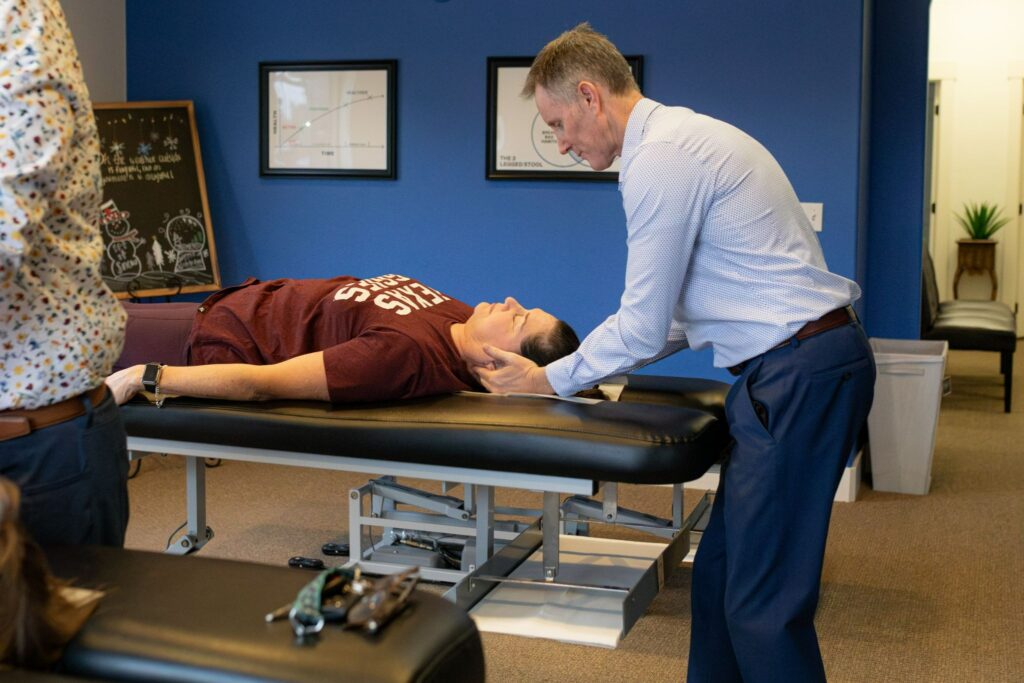

If you're struggling with persistent back pain, you're certainly not alone, and I want to reassure you that relief is possible. As a local chiropractor, I often see patients who are unfamiliar with the effective strategies that can alleviate discomfort naturally. There are several approaches we can take that not only address the pain but also promote overall wellness.
In my practice, I emphasize targeted stretching techniques and mindful relaxation practices, which can significantly improve your condition without the need for extensive equipment or time commitment. The first step in your journey to feeling better involves understanding how to apply these techniques effectively. Together, we can explore simple methods tailored to your needs, allowing you to experience relief quickly and safely.
Let's work together to uncover these seven secrets that can transform how you feel and enhance your quality of life. I'm here to guide you every step of the way.
Stretching Techniques
As a chiropractor, I want to emphasize the importance of incorporating effective stretching techniques into your daily routine, especially if you're experiencing back pain. Stretching can significantly enhance flexibility, alleviate tension, and promote better posture, all of which are essential for reducing discomfort and supporting your overall well-being.
Let's start with some gentle stretches that specifically target the lower back, hips, and hamstrings. One of my favorite recommendations is the knee-to-chest stretch. To do this, lie on your back with your knees bent. Gradually pull one knee toward your chest while keeping the other foot flat on the floor. Hold this position for about 20-30 seconds, then switch legs. This stretch is excellent for relieving tension in the lower back.
Another beneficial stretch is the cat-cow stretch, which is great for mobilizing the spine. Begin in a tabletop position on your hands and knees. As you inhale, arch your back and let your belly drop toward the floor (this is the cow position). As you exhale, round your back and tuck your chin to your chest (the cat position). Repeat this motion several times, allowing yourself to feel the stretch along your spine.
Additionally, I encourage you to try the standing forward bend. Stand tall, then hinge at your hips and bend forward, letting your head and arms hang down. This position will provide a wonderful stretch for your hamstrings and lower back.
Incorporating these stretches into your daily routine can be quite simple. You might consider doing them in the morning to start your day or during short breaks at work. Consistency is key, so aim for 5-10 minutes of stretching each day. Over time, you may notice improved mobility and a reduction in pain.
Always listen to your body, and remember to ease into each stretch to prevent any risk of injury. As a chiropractor, I'm here to support you on your journey to better health through natural healing methods like stretching and chiropractic care. Together, we can work towards alleviating your discomfort and enhancing your quality of life.
Heat and Cold Therapy
As a local chiropractor dedicated to helping you understand natural healing methods, I want to share the benefits of heat and cold therapy in managing back pain.
These techniques can be transformative in your recovery journey.
Heat therapy is excellent for soothing tight muscles and enhancing blood circulation, which can help alleviate discomfort and promote relaxation.
On the other hand, cold therapy is effective in reducing inflammation and numbing sharp, localized pain.
By integrating these methods into your routine, you can significantly improve your overall well-being and support the healing process.
It's all about empowering you with knowledge to take control of your health.
If you have any questions about how to implement these therapies effectively, feel free to reach out!
Benefits of Heat Therapy
As a local chiropractor, I often see patients who are seeking relief from back pain and are curious about effective therapy methods. One approach that I frequently recommend is heat therapy, which can provide soothing benefits for your discomfort. When you apply heat to your back, it helps to increase blood flow to the area, promoting healing and relaxing tight muscles. This can significantly reduce discomfort and stiffness, allowing for improved mobility.
One of the great advantages of heat therapy is its versatility. You can easily incorporate it into your routine by using a heating pad, hot water bottle, or even enjoying a warm bath. Each of these methods delivers consistent warmth that penetrates deeply into your muscles, helping to alleviate pain. Many patients find that just a few minutes of heat can lead to a noticeable improvement in their ease of movement.
Heat therapy is particularly beneficial for those dealing with chronic pain conditions, as it helps to disrupt the cycle of pain and tension. By integrating heat therapy into your self-care regimen, you aren't only addressing immediate discomfort but also aiding in your long-term recovery journey.
However, it's important to remember that heat shouldn't be applied to fresh injuries or in cases where heat might exacerbate an existing condition. Overall, heat therapy is a simple yet effective tool that I encourage my patients to utilize for managing back pain naturally.
Cold Therapy Techniques
As a local chiropractor, I want to emphasize the importance of cold therapy in managing back pain, alongside the benefits you might already know about heat therapy. Cold therapy is a powerful tool for reducing inflammation and numbing sharp pain, making it particularly effective for acute injuries or sudden flare-ups.
You can easily incorporate cold therapy into your self-care routine by using ice packs, gel packs, or even a simple bag of frozen peas wrapped in a towel to protect your skin. When applying the cold source to the affected area, aim for about 15 to 20 minutes at a time, allowing for breaks of at least 1 hour between sessions. This method works by constricting blood vessels, which helps decrease swelling and alleviate discomfort.
Just be cautious not to apply ice directly to your skin to avoid the risk of frostbite.
For those of you experiencing chronic back pain, I recommend using cold therapy after engaging in physical activity or after sitting for extended periods. This practice can help manage any discomfort that arises from these activities.
Additionally, consider alternating between cold and heat therapy, as this combination can enhance overall pain relief and promote healing.
It's important to listen to your body and adjust the duration and frequency of your cold therapy sessions as needed. With consistent practice, many of my patients have found that incorporating cold therapy into their routines can significantly improve mobility and effectively relieve back pain.
Posture Correction
As a local chiropractor, I want to emphasize the importance of proper alignment in preventing and alleviating back pain. Many people underestimate how much our posture affects our overall health. It's crucial to pay attention to how we sit, stand, and move throughout the day.
Setting up an ergonomic workstation is a fantastic first step towards improving your daily comfort. This means adjusting your chair, desk, and computer screen to promote better spinal alignment.
Additionally, I highly recommend incorporating posture exercises into your daily routine. These exercises not only strengthen your spine but also enhance your flexibility, helping you maintain a healthy, pain-free lifestyle.
Remember, taking care of your posture is a proactive step towards your wellbeing. As you begin to make these changes, you may find that your back feels better, allowing you to enjoy life more fully.
If you have any questions or need personalized guidance, don't hesitate to reach out to me. Together, we can work towards a healthier spine!
Importance of Proper Alignment
As your local chiropractor, I want to emphasize the critical importance of proper body alignment in managing and preventing back pain. Many people don't realize how much alignment affects their overall well-being, but maintaining the right posture is key to reducing strain on your muscles and ligaments.
Let me share three significant benefits of proper alignment that can help you take control of your back pain:
- Enhanced Muscle Function: When your spine and joints are correctly aligned, your muscles can operate more efficiently. This improvement means you experience less fatigue and tension, leading to a noticeable reduction in discomfort.
- Increased Flexibility: Proper alignment promotes better mobility and flexibility. When your body is in sync, you can move freely without placing added pressure on your back, making everyday activities easier and more enjoyable.
- Lowered Injury Risk: Good posture plays a vital role in evenly distributing your weight, which helps minimize the risk of injuries caused by overexertion or awkward movements. By maintaining alignment, you can lead a more active lifestyle with less worry about back pain.
As your chiropractor, I'm here to guide you on your journey to better alignment and natural healing, ensuring you feel your best every day.
Ergonomic Workstation Setup
As a local chiropractor, I want to emphasize the importance of creating an ergonomic workstation to support your spinal health and reduce discomfort, especially if you spend long hours sitting.
The first step is to adjust your chair to provide proper support for your lower back. It's crucial that your feet rest flat on the floor; if they don't, consider using a footrest. Your knees should form a 90-degree angle, with your thighs parallel to the ground – this positioning helps in maintaining healthy spinal alignment.
Next, let's talk about your desk and monitor setup. Position your desk and monitor at eye level to avoid straining your neck. Ideally, your monitor should be about an arm's length away, and the top of the screen should be at or just below your eye level.
If you're using a laptop, I recommend investing in a separate keyboard and mouse. This will help keep your wrists aligned properly, reducing the risk of repetitive strain injuries.
It's also vital to keep your mouse and keyboard close enough so that you don't have to reach for them; reaching can lead to shoulder tension and discomfort. If your chair has adjustable armrests, utilize them to support your arms comfortably and keep your shoulders relaxed.
Lastly, don't overlook the importance of good lighting. Proper lighting can significantly reduce eye strain, making your work environment more comfortable.
Daily Posture Exercises
As a local chiropractor dedicated to promoting natural healing and spinal health, I want to emphasize the importance of maintaining good posture. Many people underestimate how significantly posture affects their overall well-being. By committing just a few minutes each day to specific posture exercises, you can strengthen your muscles, improve flexibility, and reduce back pain.
Here are three effective exercises I recommend incorporating into your daily routine:
- Wall Angels: Stand with your back flat against a wall, positioning your feet about six inches away. Bend your arms at a 90-degree angle, pressing your forearms against the wall. Slowly slide your arms up and down, ensuring that both your back and arms remain in contact with the wall throughout the movement. Aim for 10 repetitions. This exercise helps open up your shoulders and promotes better alignment.
- Chin Tucks: Whether sitting or standing, maintain a straight spine. Gently tuck your chin toward your chest, being careful not to round your back. Hold this position for a few seconds before releasing. Perform this for 10 repetitions to strengthen the muscles in your neck, which is crucial for supporting your head and improving overall posture.
- Cat-Cow Stretch: Start on all fours in a tabletop position. As you inhale, arch your back and lift your gaze upward (this is the cow position). Then, as you exhale, round your back and tuck your chin toward your chest (the cat position). Repeat this flowing movement for 10 cycles. This stretch not only enhances spinal flexibility but also relieves tension in the back.
By integrating these simple exercises into your daily life, you can significantly improve your posture and alleviate back pain.
Strengthening Exercises
As a local chiropractor, I want to emphasize the vital role that strengthening exercises can play in alleviating back pain and enhancing your overall spinal health.
Focusing on your core, which encompasses both your abdominal and back muscles, is crucial for establishing a sturdy foundation for your spine. When these muscles are well-conditioned, they help evenly distribute weight and lessen strain on your lower back, enabling you to move more freely and comfortably.
Let's start with a simple exercise known as the pelvic tilt. To perform it, lie on your back with your knees bent and your feet flat on the floor. Gently tighten your abdominal muscles and press your lower back into the floor. Hold this position for a few seconds, then relax. Aim for about 10-15 repetitions to effectively engage your core.
Another beneficial exercise to incorporate is the bridge. Start by lying on your back with your knees bent and feet hip-width apart. Press your heels into the floor, lift your hips towards the ceiling, and squeeze your glutes at the top. After holding for a moment, lower your hips back down. Completing 10-15 repetitions of this exercise will help strengthen both your glutes and lower back.
It's equally important to maintain flexibility alongside building strength. I encourage you to include stretches that target your hamstrings, hip flexors, and quadriceps. A balanced approach that combines strength and flexibility won't only bolster your muscles but also further support your spine.
Always pay attention to your body during these exercises. If you feel any pain, it's crucial to stop and reach out to a healthcare professional.
Mindfulness and Relaxation
As a local chiropractor, I want to share with you the importance of incorporating mindfulness and relaxation techniques into your daily routine.
These practices can significantly reduce back pain and enhance your overall well-being. By focusing on the present moment and practicing relaxation, you can alleviate the stress and tension that often contribute to discomfort.
Here are three effective strategies that I encourage you to easily integrate into your life:
1. Deep Breathing Exercises: I recommend taking a few minutes each day to engage in deep breathing exercises. Inhale deeply through your nose, allowing your abdomen to expand, and then exhale slowly through your mouth.
This simple yet powerful technique can help lower stress levels and promote relaxation, ultimately easing your back pain.
2. Progressive Muscle Relaxation: This method is particularly beneficial for those of you who may not be aware of how much tension you're holding in your body.
Start by tensing and then relaxing different muscle groups, beginning with your toes and working your way up to your head. As you tense each group, hold for a few seconds before releasing.
This practice not only helps you become more aware of tension but also teaches your body how to relax effectively.
3. Mindfulness Meditation: I encourage you to set aside time for mindfulness meditation. Find a quiet space, close your eyes, and focus on your breath.
If thoughts come to mind, acknowledge them without judgment and gently return your attention to your breathing. Regular meditation can help create a sense of calm and may even reduce your perception of pain.
Over-the-Counter Medications
As a local chiropractor, I often see patients who turn to over-the-counter (OTC) medications as their first response to back pain. While these medications can offer temporary relief and allow you to resume your daily activities, I want to encourage you to consider a more holistic approach to managing your pain.
The most common OTC options include nonsteroidal anti-inflammatory drugs (NSAIDs) like ibuprofen and naproxen, which help reduce inflammation and alleviate pain. Acetaminophen is another popular choice for pain relief. However, it's essential to understand that while these medications can provide quick fixes, they don't address the underlying issues contributing to your discomfort.
If you choose to use OTC medications, it's vital to adhere to the recommended dosages. Overusing these products can lead to unwanted side effects. For example, excessive NSAID consumption can cause stomach issues or kidney problems, while too much acetaminophen can be harmful to your liver. Always read the label carefully, and feel free to reach out to your pharmacist with any questions.
I also recommend considering the strategy of alternating between NSAIDs and acetaminophen to enhance your relief without relying too heavily on one type of medication. Additionally, if muscle spasms are part of your experience, some OTC products contain muscle relaxants that may offer extra comfort.
However, I encourage you to explore chiropractic care and natural healing methods alongside these medications. Chiropractic adjustments can help realign your spine, relieve tension in your muscles, and promote overall wellness.
Seeking Professional Help
When it comes to persistent back pain, seeking professional help from a chiropractor can be a game changer in your journey to recovery. Many individuals may not fully understand the benefits of chiropractic care, but as a chiropractor, I can assure you that we offer valuable insights and natural treatment options tailored to your unique situation.
Here are three key reasons why you should consider visiting a chiropractor:
- Comprehensive Assessment: As a chiropractor, I focus on assessing your entire posture and spine to identify any misalignments or issues contributing to your discomfort. This thorough evaluation helps us understand the root causes of your pain, which is crucial for effective treatment.
- Customized Treatment Plans: Chiropractors specialize in creating personalized treatment plans that may include spinal adjustments, physical therapy techniques, and lifestyle recommendations. These individualized approaches are often more successful than one-size-fits-all solutions, as they address the specific needs of your body.
- Holistic Wellness Strategies: In addition to alleviating your current pain, I can provide you with strategies to prevent future issues. This involves educating you on proper posture, ergonomic adjustments for your workspace, and exercises to enhance your back's strength and flexibility.
If you're struggling with ongoing back pain, I encourage you to reach out to a local chiropractor. We're here to guide you through your discomfort and help you on the path to recovery.
Conclusion
As a local chiropractor, I want to share with you seven essential strategies that can help relieve your back pain quickly and effectively. By integrating targeted stretches into your daily routine, utilizing heat and cold therapy, and focusing on correcting your posture, you can begin to experience relief. Strengthening your core is also crucial in supporting your spine and preventing further discomfort.
Mindfulness plays a significant role in managing pain, so I encourage you to practice being present and aware of your body. In some cases, over-the-counter medications can provide temporary relief, but I always recommend exploring natural healing options first. If you find that your pain persists, seeking professional chiropractic care can be a valuable step toward recovery.
Remember, consistency is key in these practices. By committing to a routine that incorporates these strategies, you'll be paving the way to a healthier, pain-free life. Let's work together to help you feel better!