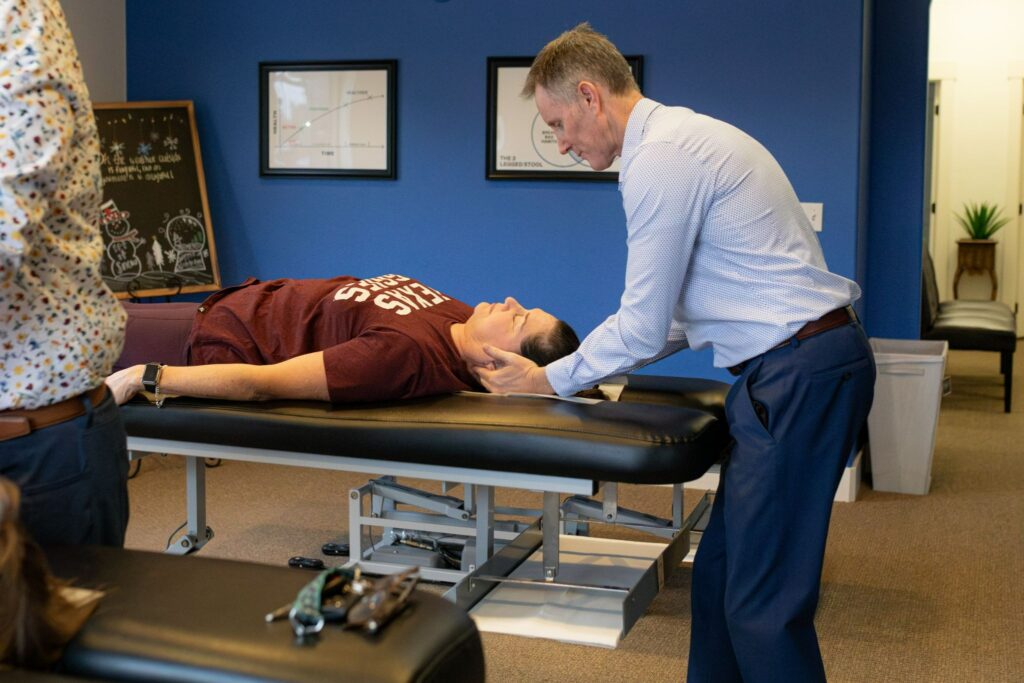

As a local chiropractor, I want to help you understand the recovery process after a sports injury. It's crucial to realize that getting back in the game involves more than just taking time off; it requires a comprehensive approach that includes targeted rehabilitation, proper nutrition, and innovative therapies tailored to your specific situation. You may be surprised to learn how important mental strategies can be in your recovery journey as well.
In our chiropractic practice, we focus on holistic healing techniques that not only address your immediate injuries but also support your overall well-being. This can significantly influence your future performance and help prevent re-injury. So, what are the essential elements we incorporate in your recovery plan to ensure a successful outcome and safeguard against future setbacks? Let's explore these together, so you can return to the activities you love with confidence and strength.
Understanding Sports Injuries
As a local chiropractor, I want to emphasize the importance of understanding sports injuries for both prevention and recovery. Many people may not be aware of the different types of injuries that can occur while participating in sports, and recognizing these can help you take proactive steps to avoid them.
Common sports injuries include sprains, strains, fractures, and tendonitis, each with its own set of symptoms and treatment needs.
Sprains occur when ligaments—tissues that connect bones at joints—are stretched or torn, often due to awkward movements. If you experience swelling, pain, or limited mobility, it may indicate a sprain.
Strains, on the other hand, involve injuries to muscles or tendons and can happen when your body is pushed too hard without proper warm-up. Symptoms such as muscle spasms and swelling are typical signs of a strain.
Fractures, which are breaks in bones, can result from falls or collisions and often lead to severe pain, necessitating immediate medical attention.
Meanwhile, tendonitis is an inflammation of the tendons that develops gradually, frequently due to repetitive motions. It's crucial to listen to your body—ignoring early signs of discomfort can lead to more severe issues down the line.
Preventing injuries is key, and this is where chiropractic care can play a vital role. Focusing on proper techniques, warm-up routines, and adequate conditioning is essential. Additionally, wearing the right shoes and protective gear can significantly reduce your risk of injury.
If an injury does occur, early recognition and a proper response are critical for ensuring a smooth recovery.
As a chiropractor, I aim to educate you on how to effectively navigate these sports challenges. Through natural healing methods, regular adjustments, and personalized care plans, we can help you maintain optimal health and performance in your sports activities.
The Role of Physical Therapy
When recovering from a sports injury, incorporating chiropractic care can be a vital part of your healing journey.
As a chiropractor, I focus on creating personalized treatment plans that address your unique circumstances, ensuring that we target the root cause of your pain and discomfort.
Through gentle adjustments and natural pain management techniques, we can enhance your recovery.
Additionally, specific rehabilitation exercises will be designed to help you rebuild strength and improve mobility, allowing you to return to your favorite activities more quickly and effectively.
Embracing chiropractic care means choosing a holistic approach to healing that prioritizes your overall well-being.
Individualized Treatment Plans
Creating individualized treatment plans is crucial for effectively managing sports injuries, especially when it comes to chiropractic care. Each athlete's needs and circumstances are unique, and a customized approach ensures that your specific injury, sport, and personal goals are prioritized.
As your local chiropractor, I'll assess your condition by taking into account factors such as your injury history, fitness level, and lifestyle. This thorough evaluation allows me to develop a treatment plan that includes targeted adjustments, rehabilitation techniques, and exercises specifically tailored to you. By focusing on your individual requirements, you can expect a more efficient recovery process.
Open communication is vital in this journey. It's important for you to share your pain levels, progress, and any concerns with me regularly. This ongoing feedback enables me to adjust your treatment plan as necessary, keeping you on track to regain strength and mobility.
Additionally, I may incorporate sport-specific techniques to help you transition back to your competitive form safely and effectively.
Pain Management Strategies
Pain management is a vital part of recovering from sports injuries, and chiropractic care can be a key player in this journey. If you're experiencing pain, a chiropractor can help you understand the root causes of your discomfort and develop personalized strategies to alleviate it.
We utilize a variety of techniques, including spinal adjustments, soft tissue therapy, and gentle mobilizations to help reduce pain and inflammation in a natural way.
During your visits, we'll assess your injury and monitor your pain levels, making adjustments to your treatment as necessary. Education is also a significant part of what we do; we'll guide you on proper body mechanics and posture to help prevent further injury and discomfort.
A crucial aspect of pain management in chiropractic care includes specific exercises that strengthen the affected area without increasing your pain.
Furthermore, we incorporate relaxation techniques, such as deep breathing exercises, which can be effective in managing pain and promoting overall well-being.
Rehabilitation Exercises Importance
As a local chiropractor, I want to emphasize the vital role that rehabilitation exercises play in your recovery from sports injuries. These exercises aren't just about regaining strength; they're essential for restoring flexibility and functionality to the affected areas. By participating in a structured rehabilitation program, you're not only speeding up your recovery but also taking proactive steps to prevent future injuries.
These exercises are designed to target specific muscle groups and joints, helping you regain the full range of motion that's crucial for your return to sports. Incorporating rehabilitation exercises into your routine allows you to rebuild muscle tissue that may have weakened during your injury, while also enhancing your balance and coordination—key components for safely returning to your activity of choice.
As your chiropractor, I can create a personalized rehabilitation plan tailored to your unique needs. I'll guide you through each step, ensuring that you understand the importance of each exercise and monitoring your progress along the way.
Moreover, committing to your rehabilitation exercises can significantly boost your confidence and motivation. As you begin to see improvements, you'll feel more empowered to return to your sport with a renewed sense of capability.
Importance of Nutrition
As a local Chiropractor, I want to emphasize how vital nutrition is when recovering from a sports injury.
Many people may not realize that what you eat can significantly influence your healing process. Consuming foods that promote muscle repair and help reduce inflammation can significantly enhance your recovery time.
By focusing on the right nutrients, you're not just aiding your body's healing; you're also setting the stage to come back even stronger.
Understanding the connection between nutrition and recovery is a crucial step in your journey to optimal health and wellness.
Fueling Muscle Repair
As a local chiropractor, I want to emphasize the vital role that proper nutrition plays in your recovery from sports injuries. When you're healing, your body requires specific nutrients to rebuild muscle tissue and regain strength. Protein is especially crucial; it serves as the foundational building blocks for your muscles. I recommend focusing on lean protein sources such as chicken, fish, eggs, and legumes to support your healing process.
Carbohydrates shouldn't be overlooked either. They're essential for replenishing glycogen stores, which provide the energy you need to recover and return to your active lifestyle.
Healthy fats also contribute significantly to your recovery. They assist with hormone production and overall cellular health. Include sources like avocados, nuts, and olive oil in your meals to ensure you're getting these important nutrients.
Don't forget hydration! Drinking enough water is critical as it helps transport essential nutrients throughout your body and flush out toxins, which is a key part of the healing process.
Additionally, vitamins and minerals are crucial in supporting your recovery. Foods rich in vitamin C, like citrus fruits and leafy greens, can aid in collagen formation, while zinc from nuts and seeds can enhance tissue repair.
By balancing your diet with these nutrients, you can optimize your recovery. Remember, taking care of your body through proper nutrition isn't just about healing; it can greatly accelerate your recovery and set you up for your next challenge.
As your chiropractor, I'm here to guide you through every aspect of your healing journey, including how to fuel your body effectively.
Anti-Inflammatory Foods
As a local chiropractor, I want to emphasize the vital role that nutrition plays in your overall health, especially when it comes to muscle repair and managing inflammation.
Inflammation can often be a major contributor to sports injuries and discomfort, and by incorporating anti-inflammatory foods into your diet, you can help alleviate swelling and accelerate your recovery process. These foods are rich in compounds that fight inflammation and promote healing, helping you return to your favorite activities more quickly.
Here are some essential anti-inflammatory foods to consider including in your meals:
- Fatty fish: Varieties such as salmon and mackerel are loaded with omega-3 fatty acids, known for their powerful ability to reduce inflammation in the body.
- Berries: Delicious and packed with antioxidants, fruits like blueberries and strawberries can offer protective benefits against inflammation.
- Leafy greens: Nutrient-rich vegetables such as spinach and kale are fantastic choices, as they provide essential vitamins and minerals that support your overall health and help keep inflammation at bay.
By being mindful of your diet and choosing these anti-inflammatory foods, you can significantly enhance your healing process and overall well-being.
Innovative Recovery Techniques
As a local chiropractor, I want to share some innovative recovery techniques that can greatly enhance your healing and overall performance, especially if you're new to chiropractic care and natural healing methods.
One exciting approach is cryotherapy. This involves exposing your body to extremely cold temperatures for brief sessions. Cryotherapy can help reduce inflammation, alleviate pain, and speed up recovery—benefits that many professional athletes have come to rely on.
Another technique gaining popularity is the use of electrical stimulation devices. These gadgets gently send electrical impulses into your muscles, promoting blood flow and aiding in faster healing. The great news is that you can conveniently use these devices at home, adding them to your recovery routine.
You may also want to explore infrared therapy. This method employs infrared light that penetrates the skin, enhancing circulation and reducing muscle soreness. Many athletes who incorporate infrared therapy into their recovery regimen report quicker recovery times and better performance.
Flotation therapy, often referred to as sensory deprivation, is another unique option. In this method, you float in a saltwater tank, creating a tranquil environment that encourages relaxation and recovery. It can significantly reduce muscle tension and stress, while also promoting mental clarity.
Lastly, wearable technology that tracks your recovery metrics is becoming increasingly popular. These devices monitor important aspects such as heart rate, sleep patterns, and overall well-being. The insights they provide can help you tailor your recovery strategies effectively.
As your chiropractor, I encourage you to consider these innovative recovery techniques as part of your journey toward better health and wellness. Each method offers unique benefits that can complement your chiropractic care and enhance your recovery process.
Mental Strategies for Healing
When it comes to healing from sports injuries, your mindset is more important than you might realize. A positive outlook can significantly influence how quickly and effectively you recover. As a chiropractor, I often emphasize the connection between mental strategies and physical healing.
Let's explore some effective mental techniques that can support your recovery journey.
- Visualization: Imagine yourself fully healed and back to your peak performance. This powerful mental imagery can enhance your motivation and strengthen your resolve to recover. Visualizing your success can create a positive feedback loop that encourages your body to heal.
- Mindfulness and Relaxation Techniques: Incorporating practices such as meditation or deep breathing exercises can help alleviate anxiety and stress. Maintaining a calm mindset not only benefits your emotional health but can also have a positive effect on your physical recovery.
By reducing tension, you can promote better alignment and function in your body.
– Set Realistic Goals: It's important to break your recovery process into achievable milestones. Celebrate those small victories along the way; each step forward can boost your confidence and keep you motivated. Remember, every bit of progress counts!
It's completely normal to experience feelings of frustration or discouragement during your recovery. Acknowledge these emotions, but don't let them dominate your mindset. Surround yourself with supportive friends and family who can encourage you on tougher days.
Additionally, working with healthcare professionals, including chiropractors or sports psychologists, can provide you with valuable tools to build your mental resilience.
By focusing on these mental strategies, you empower yourself in the healing process. Embrace these techniques, trust in your body's ability to heal, and remain committed to your recovery journey.
Together, we can work towards not just physical healing, but also enhancing your overall well-being.
Preventing Future Injuries
As a local chiropractor, I want to share some insights on how you can prevent injuries and promote a healthier, more active lifestyle. Injuries can be frustrating obstacles on your path to wellness, but by taking proactive measures, you can significantly reduce your risk.
First and foremost, prioritizing proper warm-ups and cool-downs is essential. Before and after your workouts, dedicate at least 10-15 minutes to preparing your muscles and allowing them to recover. Incorporating dynamic stretches before exercising and static stretches afterward can greatly enhance your flexibility and lower the risk of strains.
Another important aspect to consider is the equipment you use. Whether it's your shoes, protective gear, or any sports-specific equipment, it's vital to ensure that everything fits well and is appropriate for your activity. Ill-fitting gear can lead to discomfort and increase the likelihood of injuries.
Strength training is a fundamental component of injury prevention. I recommend incorporating exercises that focus on your core, hips, and legs, as these areas play a crucial role in providing stability and strength. A solid foundation allows your body to better absorb impact and protects your joints from strain.
Listening to your body is equally important. If you experience fatigue or pain, it's crucial not to ignore these signals. Instead of pushing through discomfort, take the time to rest and recover. Allowing your body to heal properly is essential for long-term health.
Lastly, I encourage you to consider cross-training by mixing various types of exercise into your routine. This approach not only keeps your workouts engaging but also helps to develop different muscle groups, enhancing your overall performance and reducing the risk of overuse injuries.
As your chiropractor, I'm here to support you in understanding these principles and applying them to your life. Together, we can work towards preventing injuries and fostering a healthier, more vibrant you!
Conclusion
As a local chiropractor, I want to emphasize that unlocking recovery from sports injuries involves a holistic approach that integrates chiropractic care, nutrition, and innovative healing techniques. It's important for you to actively participate in your rehabilitation process. Embracing mental strategies alongside physical ones can significantly enhance your healing journey and equip you with resilience for future athletic challenges.
Chiropractic care focuses on restoring proper alignment and function to your body, which can accelerate recovery and prevent further injuries. By prioritizing proper techniques in your training and considering cross-training methods, you can effectively reduce the risk of injuries occurring in the first place.
I encourage you to take charge of your healing journey today. Together, we can create a personalized recovery plan that supports your goals and paves the way for success in your athletic pursuits. Remember, a proactive approach to your health is key to achieving long-term wellness and performance.