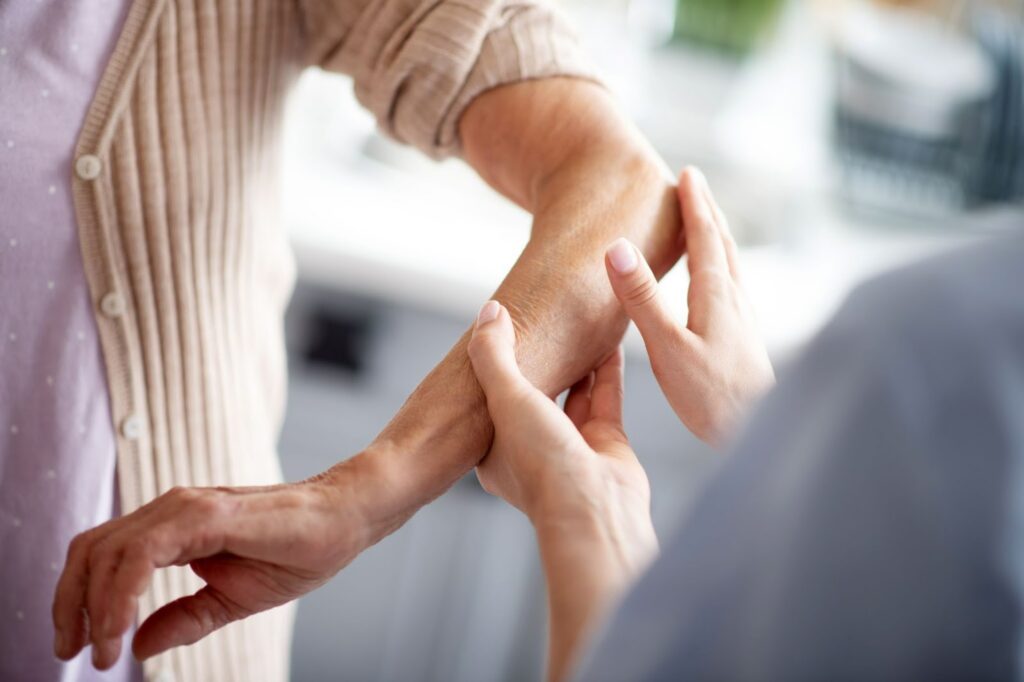

As your local chiropractor, I understand that dealing with a sports injury can be daunting. However, I want to share that recovery doesn't have to be a struggle; it can be a journey of revitalization through natural healing. By incorporating essential elements like proper nutrition, adequate hydration, and gentle therapeutic practices, you can significantly boost your healing process.
Recovery isn't solely about taking time off; it's about equipping your body with the right resources and techniques to heal effectively. Have you ever wondered how certain foods can aid in recovery or how alternative treatments can facilitate healing? Together, we can delve into these natural strategies that can help you regain your strength and energy. My goal is to educate you on how chiropractic care, alongside lifestyle changes, can play a pivotal role in your recovery from sports injuries. Let's embark on this journey to wellness together!
Understanding Sports Injuries
As a local chiropractor, I understand that sports injuries can feel like an unwelcome barrier to your active lifestyle, often leaving you feeling sidelined and frustrated.
It's essential to comprehend these injuries to facilitate effective recovery and prevention. They can manifest in various forms, such as sprains, strains, fractures, or tears, frequently resulting from overuse, improper technique, or a lack of adequate warm-up. By recognizing the type of injury you're facing, you can take informed steps toward healing.
When you start to feel pain or discomfort during or after physical activity, it's crucial to listen to your body. Ignoring these warning signs can lead to more serious complications later on. For example, while a mild sprain may recover with proper rest, a tear might necessitate professional medical care. Observing symptoms such as swelling, bruising, or restricted movement can help guide your next actions.
Additionally, understanding how your injury occurred is key to preventing future issues. I encourage you to reflect on your training habits: Are you pushing your limits too far? Are you employing the right techniques? Answering these questions can lead to necessary adjustments in your routine, ultimately aiding in injury prevention.
Remember, recovery encompasses more than just the physical aspect; it's also a mental journey. Maintaining a positive outlook and focusing on your rehabilitation can significantly influence your path back to full strength.
By gaining a deeper understanding of sports injuries, you empower yourself to navigate the recovery process effectively. This knowledge ensures that when you return to your favorite activities, you do so stronger and more informed than ever before.
As your chiropractor, I'm here to support you every step of the way on this healing journey.
The Role of Nutrition
As a local chiropractor, I want to emphasize that recovery from a sports injury involves more than just rest and rehabilitation; your nutrition plays a critical role in how quickly and effectively you heal. The foods you consume provide your body with the essential nutrients needed to repair tissues, reduce inflammation, and regain strength.
To support your recovery, it's important to include plenty of protein in your meals. Lean meats, fish, eggs, and legumes are vital for muscle repair and overall recovery. Additionally, aim for a balanced intake of complex carbohydrates, which serve as the energy source your body requires to function optimally during this healing process. Whole grains, vegetables, and fruits are excellent choices to consider.
Healthy fats shouldn't be overlooked either. Omega-3 fatty acids, found in fish, walnuts, and flaxseeds, can be particularly beneficial in reducing inflammation and supporting your overall healing journey.
Furthermore, essential vitamins and minerals are crucial for recovery. For instance, Vitamin C, abundant in citrus fruits and leafy greens, aids in collagen formation, which is essential for repairing connective tissues. Zinc, which can be found in nuts and seeds, is also important for tissue healing.
Consider incorporating anti-inflammatory foods like turmeric and ginger into your diet. These spices can help manage pain and reduce inflammation, further supporting your recovery.
Lastly, remember the importance of eating a variety of colorful foods; they offer a broad spectrum of nutrients that work synergistically to promote healing.
As your chiropractor, I encourage you to think of nutrition as a key component of your recovery plan. Together with chiropractic care, a well-rounded diet can enhance your healing process and help you get back to your best self.
Importance of Hydration
As a local chiropractor, I want to emphasize the crucial role that hydration plays in your recovery from a sports injury. Staying properly hydrated is vital for facilitating your body's natural healing processes.
When you drink enough fluids, it aids in tissue repair and helps to minimize inflammation, which can be particularly beneficial during your recovery journey.
Let's discuss some effective hydration guidelines that can support your healing and overall wellness.
Hydration Affects Healing Process
As a local chiropractor, I want to emphasize the vital role that proper hydration plays in your healing journey. Many people may not realize that staying well-hydrated is crucial for your body's ability to recover from injuries effectively. When you drink enough water, your body can efficiently transport essential nutrients and oxygen to the injured areas, which in turn promotes quicker repair and regeneration of tissues.
Conversely, dehydration can hinder this process, leading to increased pain and inflammation.
Additionally, water is key in maintaining the viscosity of synovial fluid, which acts as a lubricant in your joints. This is especially important if you're experiencing joint injuries, as adequate lubrication minimizes friction and enhances mobility, making it easier for you to engage in rehabilitation exercises.
Staying hydrated also aids in flushing out toxins and waste products from your body, which can help prevent further complications during your recovery.
Furthermore, proper hydration helps regulate your body temperature, allowing you to participate in gentle activities without the risk of overheating. It can also have a positive impact on your mood and energy levels, which is incredibly beneficial when you're dealing with the emotional challenges that can accompany an injury.
Optimal Fluid Intake Guidelines
As your local chiropractor, I want to emphasize the importance of staying hydrated—not just for quenching your thirst, but for supporting your body's healing processes, especially when recovering from a sports injury. Proper hydration is crucial for reducing inflammation, transporting essential nutrients, and keeping your joints lubricated, which are all vital for your recovery and overall health.
A simple guideline to follow is to drink at least half your body weight in ounces of water each day. For instance, if you weigh 160 pounds, aim for around 80 ounces of water.
Keep in mind that individual hydration needs can vary based on factors such as your activity level, the climate you live in, and your overall health, so it's important to pay attention to your body's signals.
In addition to water, I encourage you to include electrolyte-rich beverages, especially if you're engaged in physical therapy or light exercises. Options like sports drinks, coconut water, or homemade electrolyte solutions can help replenish the minerals your body may lose during physical activity.
To monitor your hydration status, be aware of your urine color: dark urine can be a sign of dehydration, while clear urine typically indicates that you're well-hydrated.
It's best to sip water consistently throughout the day rather than drinking a large amount all at once. By prioritizing your fluid intake, you'll not only support your recovery but also enhance your overall well-being, aligning perfectly with the principles of chiropractic care and natural healing.
Natural Supplements for Recovery
As a local chiropractor, I want to share some insights on how natural supplements can significantly aid your recovery from sports injuries. Many people may not be aware of the power of these supplements, but they can help reduce inflammation, support tissue repair, and enhance your overall healing process.
By integrating these natural aids into your routine, you can experience a faster and stronger recovery. Here are four key supplements worth considering:
- Turmeric: This vibrant spice contains curcumin, which is celebrated for its anti-inflammatory properties. It can effectively alleviate pain and swelling in areas that have been injured.
- Omega-3 Fatty Acids: Sourced from fish oil, these fatty acids are renowned for their anti-inflammatory benefits. They play a crucial role in supporting muscle recovery and promoting joint health, making them particularly important for anyone engaged in physical activities.
- Glucosamine and Chondroitin: These two compounds work synergistically to enhance cartilage repair and improve joint function. They're especially beneficial for individuals who've experienced joint injuries.
- Vitamin D: This vitamin is essential for maintaining bone health as it supports calcium absorption. Adequate levels of vitamin D can significantly contribute to your overall healing, especially if your activity levels have decreased due to an injury.
Before you start incorporating any supplements into your health regimen, I highly recommend consulting with a healthcare professional. They can help ensure that you're selecting the right supplements tailored to your unique needs.
Gentle Physical Therapy Techniques
As a local chiropractor, I want to emphasize the importance of gentle physical therapy techniques during your recovery from a sports injury. These methods are integral to your healing process.
Incorporating stretching and mobility exercises not only enhances your flexibility but also improves your range of motion, which is vital for getting back to your favorite activities.
Additionally, manual therapy approaches can effectively alleviate tension and pain, promoting a faster recovery.
By understanding and utilizing these gentle techniques, you can support your body's natural healing abilities.
Let's take a closer look at how chiropractic care can guide you on this journey toward recovery and overall wellness.
Stretching and Mobility Exercises
As a local chiropractor, I want to emphasize the importance of gentle stretching and mobility exercises in your recovery from sports injuries.
These practices are vital in enhancing flexibility, alleviating stiffness, and improving blood circulation to the affected areas, all of which can significantly support the healing process.
Integrating these exercises into your daily routine is both straightforward and beneficial. Here are four essential exercises to consider:
- Static Stretching: This involves holding a stretch for 15-30 seconds, which helps to lengthen your muscles and increase flexibility. I recommend focusing on the muscle groups surrounding your injury to maximize your recovery.
- Dynamic Stretching: Engaging in controlled, fluid movements can gently stretch your muscles and prepare your body for more strenuous activities as you heal. This is a great way to gradually ease into your regular exercise routine.
- Foam Rolling: Using a foam roller is an excellent method for releasing muscle tension and enhancing blood flow. When targeting the injured areas, be mindful not to apply excessive pressure too quickly, as your body needs time to adjust.
- Gentle Range-of-Motion Exercises: These exercises involve moving your joints through their full range without any resistance. Practicing this can help maintain your mobility and prevent stiffness, aiding in your recovery journey.
By incorporating these exercises into your healing process, you can support your body's natural recovery and get back to your favorite activities sooner.
Manual Therapy Approaches
As a local chiropractor, I want to emphasize the importance of manual therapy approaches in your recovery journey, especially after experiencing a sports injury. These gentle yet effective techniques, such as soft tissue mobilization and joint manipulation, are integral to alleviating pain and restoring function. By focusing on specific areas of discomfort, manual therapy not only helps reduce muscle tension but also enhances circulation and flexibility.
During your sessions, I'll use my hands to carefully manipulate your soft tissues and joints. This hands-on care goes beyond just pain relief; it also assists in breaking down any scar tissue that may have developed after your injury. As a result, you may notice an improvement in your range of motion, making it easier for you to return to the activities you love.
Incorporating manual therapy into your recovery plan can work synergistically with other natural healing methods, such as stretching and mobility exercises.
It's essential to maintain open communication with me about your symptoms and progress. This way, I can tailor the treatment specifically to your needs. Each session is designed with your well-being in mind, aiming to help you feel better and achieve peak performance once again.
Mindfulness and Mental Health
How can mindfulness enhance your recovery from sports injuries? As a local chiropractor, I want to emphasize the importance of integrating mindfulness practices into your daily routine. This approach not only supports your mental well-being but is also crucial for your physical recovery.
Mindfulness allows you to remain present, alleviates anxiety, and nurtures a positive mindset—key factors in navigating the challenges that come with an injury. Here are four ways mindfulness can aid in your recovery process:
- Reduces Stress: By concentrating on your breath and becoming aware of your thoughts, you can significantly lower your stress levels. Reduced stress is associated with quicker recovery, leading to better physical health overall.
- Enhances Focus: Mindfulness practices train your mind to hone in on your rehabilitation exercises. Increased focus ensures that you carry out movements correctly, which helps to minimize the risk of re-injury as you heal.
- Promotes Emotional Resilience: Engaging in mindfulness teaches you to recognize your emotions without judgment. This acceptance is vital for managing the emotional fluctuations that frequently accompany sports injuries.
- Encourages Positive Thinking: Consistent mindfulness practice can help shift your mindset from negative to positive. When you cultivate a belief in your own healing abilities, you're more likely to actively participate in your recovery journey.
By incorporating mindfulness into your daily life, you create a powerful link between your mental and physical healing. Nurturing your mind lays the groundwork for a more effective recovery journey, enabling you to return to your sport with renewed strength and vitality.
As your chiropractor, I encourage you to explore these mindfulness techniques to complement your chiropractic care and support your overall healing process.
Incorporating Rest and Sleep
As a local chiropractor, I want to emphasize the critical role that proper rest and quality sleep play in your recovery from sports injuries. When you engage in training or competition, your body endures physical stress and trauma, which is why it's vital to give it the time it needs to heal and rejuvenate. This is where prioritizing both rest and sleep becomes essential.
During periods of rest, your body activates important repair mechanisms. This is when your muscles rebuild, inflammation is reduced, and your energy levels are replenished. It's crucial to listen to your body—if you're feeling fatigued or are experiencing discomfort, it's a sign that you need to take a step back and allow yourself to recover. Overlooking these signals can lead to further injury and a longer recovery process.
Quality sleep can't be overstated in its importance. Aim for 7-9 hours of uninterrupted sleep each night to optimize your recovery. Sleep is the time when your body produces growth hormones, which are vital for tissue repair. To improve your sleep quality, consider establishing a calming bedtime routine, reducing screen time before bed, and creating a comfortable sleep environment.
Additionally, don't underestimate the power of short naps during the day. A 20-30 minute nap can recharge your energy levels and enhance your focus.
Remember, recovery isn't solely about the hours spent training; it's also about the time devoted to rest and restorative sleep. By integrating rest and sleep into your routine, you'll significantly enhance your recovery from sports injuries and support your overall health.
As your chiropractor, I'm here to help you understand and implement these natural healing practices for a quicker, more effective recovery.
Benefits of Massage Therapy
As a local chiropractor, I want to emphasize the incredible benefits of incorporating massage therapy into your recovery plan, especially if you're dealing with sports injuries. Many people may not be familiar with how effective chiropractic care and natural healing methods can be in aiding recovery, so let's explore how massage therapy can play a vital role.
- Reduced Muscle Tension: Regular massage can significantly relieve tightness in your muscles, which is essential for relaxation. By easing muscle tension, you can enhance your flexibility and lower the risk of sustaining further injuries.
- Improved Circulation: One of the remarkable effects of massage is its ability to boost blood circulation to the injured areas. This increased blood flow delivers crucial nutrients and oxygen, promoting faster healing by helping to eliminate toxins and metabolic waste from your body.
- Pain Relief: If you're experiencing pain from your sports injuries, massage therapy can be a game-changer. The manipulation of soft tissues stimulates the release of endorphins, your body's natural painkillers, making your recovery process much more comfortable.
- Enhanced Mental Well-being: Healing isn't just about addressing physical injuries; it's also about supporting your mental health. Massage therapy can significantly reduce anxiety and stress, helping to create a more relaxed state of mind that's essential for a successful recovery.
By integrating massage therapy into your healing routine, you can receive both physical and mental support. Embracing this natural approach won't only expedite your recovery but also empower you to return to your favorite sports feeling stronger and more resilient.
Utilizing Heat and Cold Therapy
As a local chiropractor, I often emphasize the importance of heat and cold therapy in the recovery process from sports injuries. These two methods can significantly enhance your healing journey, each offering distinct benefits that cater to different needs.
Let's start with heat therapy. When you apply heat to an injured area, it promotes increased blood flow, helps relax tight muscles, and alleviates stiffness. This is particularly beneficial for chronic injuries or when you're dealing with muscle tension. For effective heat therapy, consider using a warm towel or a heating pad for about 15-20 minutes.
Just remember to always place a barrier between the heat source and your skin to prevent burns.
On the other hand, cold therapy is your go-to for reducing inflammation and numbing sharp pain. This is especially crucial immediately following an injury, as cold therapy constricts blood vessels and decreases swelling. Ice packs are great, but you can also use a bag of frozen peas wrapped in a cloth for about 15-20 minutes.
Again, be cautious to avoid applying ice directly to your skin to prevent frostbite.
Understanding when to switch between these therapies is key. For acute injuries, I recommend starting with cold therapy to minimize swelling and then transitioning to heat as the inflammation subsides.
In the case of chronic issues, heat can often be your first line of defense to relieve discomfort.
Incorporating heat and cold therapy into your recovery routine can't only expedite the healing process but also empower you to take an active role in your healing.
By learning how to use these methods effectively, you'll enhance your overall well-being and get back to enjoying your favorite activities sooner.
If you have any questions or need personalized guidance, feel free to reach out during your next visit!
Exploring Alternative Treatments
As a local chiropractor, I want to share how alternative treatments can play a crucial role in your recovery from sports injuries. Many people aren't familiar with the benefits of chiropractic care and other natural healing methods, so let me explain how these approaches can enhance your healing journey by addressing both your physical and emotional well-being.
1. Chiropractic Care: At our practice, we focus on realigning your spine and joints to improve your overall range of motion. This adjustment can significantly alleviate discomfort and support your body's natural recovery processes.
Many athletes have found that regular chiropractic visits not only help with pain relief but also enhance their performance.
2. Acupuncture: Although not a primary service we offer, acupuncture is an ancient practice that I often recommend to my patients. By inserting thin needles into specific points on your body, it can help reduce pain and inflammation, which can accelerate your healing.
3. Massage Therapy: We often collaborate with licensed massage therapists to provide you with therapeutic massage. This treatment increases blood circulation, relaxes tight muscles, and reduces stress, all of which are essential for healing.
Many of my patients find that combining chiropractic adjustments with massage therapy provides a comprehensive approach to recovery.
4. Herbal Remedies: While I don't prescribe herbal remedies myself, I often discuss the benefits of certain herbs, such as arnica and turmeric, with my patients. These natural options can help reduce inflammation and aid in your recovery.
However, I always encourage you to consult with a healthcare professional before incorporating any new supplements into your routine.
Conclusion
As a local chiropractor, I want to share how incorporating natural strategies into your recovery plan can significantly enhance the healing process from sports injuries. When you focus on nutrition, hydration, and gentle therapies, you're not only addressing your physical needs but also supporting your mental well-being. It's essential to listen to your body and give it the rest it deserves. I encourage you to explore alternative treatments, such as chiropractic care, which can help realign your body and promote healing. With dedication and the right approach, you'll be on your way to returning stronger than ever. Remember, your body has an incredible ability to heal naturally, and I'm here to guide you every step of the way.