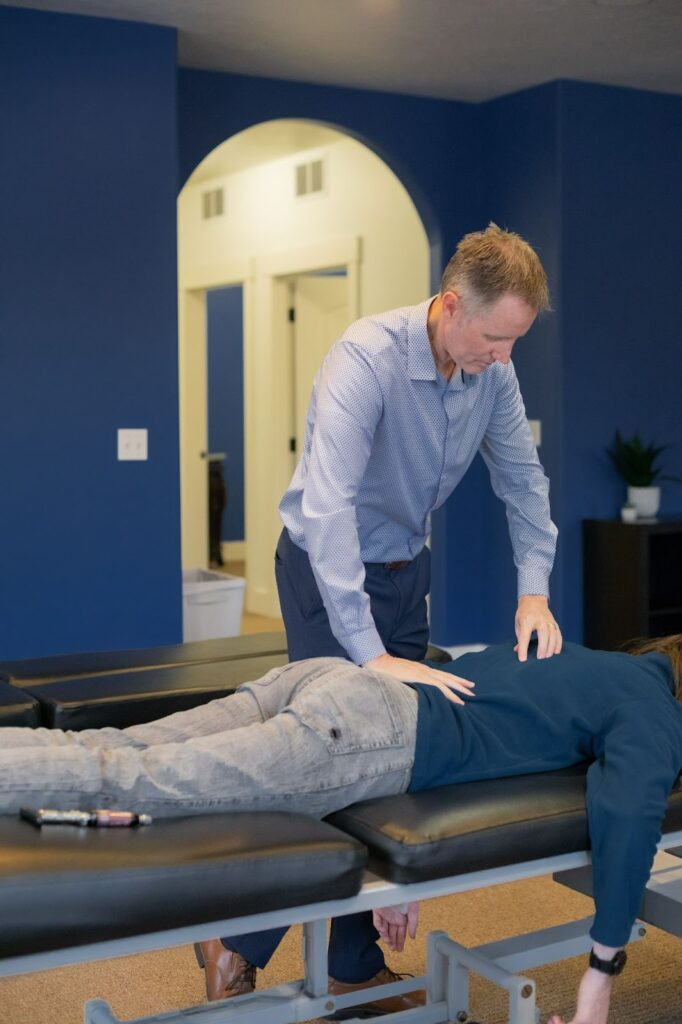

If you're struggling with upper back pain, I want you to know that you're not alone, and there are natural, effective solutions available to you. As a chiropractor, I often see patients who are unaware of how their daily habits and posture can contribute to discomfort. Understanding the root causes of your pain is the first step toward relief.
Incorporating specific exercises and stretches into your routine can significantly improve your comfort and mobility. Simple adjustments, particularly in your workspace, can also have a transformative effect on your daily life. However, before you dive into these techniques, it's essential to recognize the various factors that may be contributing to your discomfort.
By understanding these elements, you'll be better prepared to make lasting changes that enhance your overall well-being. Chiropractic care can play a pivotal role in this journey, offering natural healing methods that address the underlying issues rather than just masking the symptoms. Together, we can work towards a healthier, pain-free future.
Understanding Upper Back Pain
As a local chiropractor, I want to help you understand upper back pain and its potential causes, so you can find effective relief. Many of my patients report discomfort in the area between the neck and lower back, and it's important to recognize that this pain can arise from various factors.
One of the most common culprits is poor posture. If you spend long hours sitting or slouching, especially over a computer, you may be straining the muscles in your upper back. This can lead to tension and discomfort that can impact your daily life.
Another factor to consider is muscle strain, which can occur from heavy lifting or sudden movements. If you've recently engaged in intense physical activity or overexerted yourself, you might notice the effects in your upper back.
Additionally, stress plays a significant role in upper back pain. When you're under constant pressure, your body may respond by tightening up, particularly in the upper back area, leading to increased discomfort.
Recognizing the symptoms of upper back pain is crucial for addressing the issue. You may experience a dull ache, sharp pain, or stiffness in your upper back. Sometimes, this pain can radiate to your neck or shoulders, creating further unease.
It's important to pay attention to the duration of the pain and whether it worsens with certain activities. If you find that the pain persists or intensifies, I encourage you to consult a healthcare professional for a proper diagnosis.
As a chiropractor, I focus on natural healing methods to help alleviate pain and improve your overall well-being. Understanding the underlying causes of your upper back pain is the first step toward finding effective relief and restoring balance to your body.
Stretching Exercises for Relief
As a local chiropractor, I want to emphasize the importance of incorporating effective stretching exercises into your routine to alleviate upper back pain.
Many of my patients have found that focusing on the right techniques, as well as the frequency and duration of their stretches, can make a significant impact on their comfort and mobility.
Let me share some practical tips that can help you experience relief and support your journey toward natural healing.
Effective Stretching Techniques
As a local chiropractor, I want to share how effective stretching techniques can play a crucial role in relieving upper back pain. By enhancing flexibility and alleviating muscle tension, stretching can significantly reduce discomfort in your upper back.
Integrating specific stretches into your daily routine can't only improve your posture but also promote relaxation, making it easier to manage any pain you may be experiencing.
Let's begin with the cat-cow stretch. Position yourself on your hands and knees, and alternate between arching your back upward and lowering it downward, coordinating your movements with your breath. This dynamic stretch warms up your spine and helps release built-up tension.
Next, I recommend the child's pose. Sit back on your heels and extend your arms forward, allowing a gentle stretch to flow through your upper back. This position encourages relaxation and helps to ease tightness in the muscles.
Another beneficial technique is the thoracic extension stretch. You can perform this while seated or standing. Place your hands behind your head and gently lean back, opening up your chest and stretching the upper back. Remember to hold each stretch for about 15-30 seconds, and focus on taking deep, calming breaths.
Lastly, consider the doorway stretch to help open your shoulders. Stand in a doorway, placing your arms on the frame, and lean forward gently. This will effectively lengthen and relax your upper back muscles.
By regularly practicing these stretches, you can greatly enhance your comfort and mobility, making it easier to manage upper back pain naturally.
If you have any questions or would like personalized guidance on incorporating these stretches into your routine, feel free to reach out!
Frequency and Duration Tips
As a local chiropractor, I want to share some insights on how incorporating stretching exercises into your daily routine can significantly alleviate upper back pain. Understanding the frequency and duration of these stretches is crucial for maximizing their benefits. Ideally, aim to stretch your upper back at least three to four times a week. However, daily stretching is even more advantageous, as consistency plays a vital role in enhancing flexibility and reducing muscle tension.
When you engage in stretching, hold each position for about 15 to 30 seconds. This duration allows your muscles to relax and elongate properly. You should feel a gentle stretch, but it's important to avoid pushing yourself to the point of pain. If you're new to stretching, I recommend starting with shorter intervals and gradually increasing the time as your flexibility improves.
To make it easier to incorporate stretching into your routine, consider dedicating just 5 to 10 minutes each morning or evening to a quick stretching session. If your day involves prolonged sitting, remember to take short breaks every hour to perform a few simple stretches. This practice helps combat stiffness and keeps your back feeling more comfortable throughout the day.
Most importantly, always listen to your body and adjust your routine as needed. With regular stretching, you may notice a significant reduction in upper back pain and an overall improvement in your comfort and well-being.
If you have any questions or need further guidance, feel free to reach out—I'm here to help you on your journey to better health!
Ergonomic Adjustments at Work
As a chiropractor, I often see patients suffering from upper back pain due to poor ergonomics at work. Making some simple ergonomic adjustments can significantly improve your comfort and help alleviate discomfort.
First, let's take a closer look at your workstation. It's crucial that your chair offers proper support for your lower back. Ensure that your feet are resting flat on the floor or on a footrest. Ideally, your knees should be at or slightly below hip level to promote proper posture.
Next, consider the positioning of your computer monitor. It should be at eye level and roughly an arm's length away. This setup prevents you from straining your neck or hunching over, which can lead to tension and discomfort. If you primarily use a laptop, I recommend investing in a laptop stand and using an external keyboard and mouse to create a more ergonomic environment.
Don't forget about your desk height. If it's too high or too low, it can contribute to poor posture and discomfort. When typing, your elbows should be bent at a 90-degree angle, with your wrists straight and hands hovering comfortably above the keyboard.
It's also essential to take regular breaks. I advise setting a timer to remind yourself to stand up, stretch, and move around every hour. Even just a minute or two of stretching can help relieve tension in your upper back and improve your overall well-being.
Lastly, pay attention to how you carry items throughout the office. Using both hands or a bag that provides proper support can prevent unnecessary strain on your back.
Strengthening Your Upper Back
As your local chiropractor, I want to help you understand the importance of strengthening your upper back for overall health. Focusing on specific exercises that target key muscle groups in this area can significantly improve your posture and prevent discomfort.
Good posture isn't just about standing tall; it plays a vital role in avoiding pain and enhancing your overall strength.
Let's delve into some effective exercises for your upper back, along with posture improvement techniques that you can easily integrate into your daily routine.
Effective Upper Back Exercises
As a local chiropractor, I want to emphasize the importance of strengthening your upper back for maintaining good posture and preventing discomfort. By incorporating a few effective exercises into your routine, you can build strength and stability in this crucial area.
Let's start with the seated row. If you have access to a resistance band or a cable machine, this exercise is perfect for you. Simply pull the handles towards your torso while focusing on squeezing your shoulder blades together. Aim to complete three sets of 10-15 repetitions. This exercise not only strengthens your upper back but also enhances your overall posture.
Next, consider the bent-over dumbbell fly. Stand with your feet shoulder-width apart, bend your knees slightly, and hinge at your hips. Grip a dumbbell in each hand and lift them out to the sides while squeezing your shoulder blades together. This movement helps to open up your chest and improve shoulder mobility. Perform three sets of 10-12 repetitions for effective results.
Another beneficial exercise is the wall angel. Stand a few inches away from a wall, ensuring your lower back, shoulders, and head are pressed against it. Raise your arms to create a "W" shape, then slide them up to form a "Y" shape while maintaining contact with the wall. This exercise promotes proper alignment and mobility in your shoulders. Aim for three sets of 8-10 repetitions.
Lastly, don't overlook the plank. This exercise is fantastic for strengthening your entire core, including your upper back. Hold a plank position for 20-30 seconds, and as you progress, gradually increase your hold time. A strong core supports your spine and overall body mechanics.
Incorporating these exercises into your routine can greatly benefit your upper back health and contribute to your overall well-being. If you have any questions or would like personalized advice, feel free to reach out during your next visit!
Posture Improvement Techniques
As your local chiropractor, I want to emphasize the importance of posture in maintaining a healthy upper back. Many of my patients are surprised to learn how much their daily habits can impact their spinal health. Let's break this down together.
First, it's essential to be mindful of how you sit and stand throughout the day. When sitting, ensure that your feet are flat on the floor and that your back is straight. Your shoulders should be relaxed, but make sure they're not slumping forward. A chair that supports your lower back is crucial; if your chair isn't providing the support you need, consider using a cushion to help maintain the natural curve of your spine.
When it comes to standing, try to distribute your weight evenly on both feet. Avoid locking your knees, as this can create tension in your lower back. Picture a string gently pulling you upward from the crown of your head; this visualization can help align your spine and promote better posture.
Incorporating specific posture exercises into your daily routine can also be beneficial. One exercise I recommend is called wall angels. Stand against a wall, making sure your lower back, head, and shoulders are in contact with it. Then, slide your arms up and down against the wall, mimicking the motion of a snow angel. This simple exercise strengthens your upper back muscles and reinforces the posture we strive for.
Lastly, I advise taking regular breaks from prolonged sitting. Set reminders for yourself to stretch and move. Small adjustments throughout your day can make a significant difference in your posture and overall comfort.
By consistently practicing these techniques, you won't only strengthen your upper back but also reduce discomfort, leading to a healthier and more comfortable lifestyle.
Lifestyle Changes for Prevention
As a local chiropractor, I want to share with you some effective lifestyle changes that can help prevent upper back pain and promote overall wellness. It all starts with evaluating your daily habits, particularly in terms of physical activity and nutrition. Engaging in regular exercise is crucial, as it strengthens your back muscles and enhances flexibility, which ultimately supports your spine.
I recommend a balanced routine that includes aerobic exercises, strength training, and stretching. Even simple activities like walking or swimming can significantly contribute to your back health.
Hydration and nutrition are equally important. Staying well-hydrated ensures that your muscles and joints function optimally, while a balanced diet rich in essential vitamins and minerals boosts your overall health. Focus on incorporating foods high in calcium and vitamin D to help strengthen your bones and muscles.
Quality sleep is vital for recovery and general well-being. Make sure you're getting enough restful sleep each night. Take a moment to assess your mattress and pillows; a supportive mattress that maintains your spine's natural alignment can be instrumental in preventing discomfort.
It's also essential to be mindful of your daily movements. If your job involves long hours of sitting, remember to take regular breaks to stretch and walk around. Investing in ergonomic furniture can promote proper posture while you work.
When it comes to lifting heavy objects, remember to bend at your knees and keep the load close to your body to avoid straining your back.
Lastly, managing stress is key. High levels of stress can lead to muscle tension and pain. I encourage you to incorporate relaxation techniques into your routine, such as yoga, meditation, or deep-breathing exercises.
When to Seek Professional Help
As a local chiropractor, I want to help you understand when it's time to seek professional help for upper back pain. Recognizing the right moment can significantly enhance your recovery journey. If your pain lingers for more than a few weeks despite trying self-care methods like rest, ice, or gentle stretching, it's a good idea to reach out to a healthcare professional, especially one who specializes in chiropractic care. Prolonged pain can lead to more complex issues, and an accurate assessment can help uncover any underlying causes.
It's also important to pay attention to the intensity of your discomfort. If you're experiencing sharp, shooting, or debilitating pain, don't hesitate to seek assistance. These types of symptoms may suggest nerve involvement or indicate a more serious condition that needs addressing.
Moreover, if your pain is accompanied by other concerning symptoms—such as numbness, tingling, fever, or unexplained weight loss—it's crucial to consult with a medical provider right away.
Another key indicator that professional help is needed is if your upper back pain starts interfering with your daily life, including your work or sleep. Your quality of life is incredibly important, and you shouldn't have to live with constant discomfort. A chiropractor can develop a personalized treatment plan that aligns with your specific needs, incorporating natural healing methods to promote recovery.
Lastly, if you've recently experienced an injury or trauma to your back, it's wise to get evaluated. Ignoring injuries can lead to ongoing issues down the line, and chiropractic care is a safe and effective option for addressing these concerns.
Conclusion
As a local chiropractor, I want to share some effective strategies to help you relieve upper back pain and improve your overall well-being. Incorporating specific stretches and strengthening exercises into your daily routine can significantly alleviate discomfort. Paying attention to your posture and making ergonomic adjustments in your workspace are essential steps in preventing pain from returning.
It's important to move regularly throughout the day—take short breaks to stand, stretch, and reset your posture. By doing so, you can promote better spinal health and reduce the risk of upper back pain.
However, if you find that your pain persists or worsens, I encourage you to seek guidance from a healthcare professional like myself. I can provide tailored advice and treatment options that suit your unique needs. Remember, taking proactive steps in managing your upper back health can lead to a more comfortable, pain-free life. Let's work together to help you feel your best!