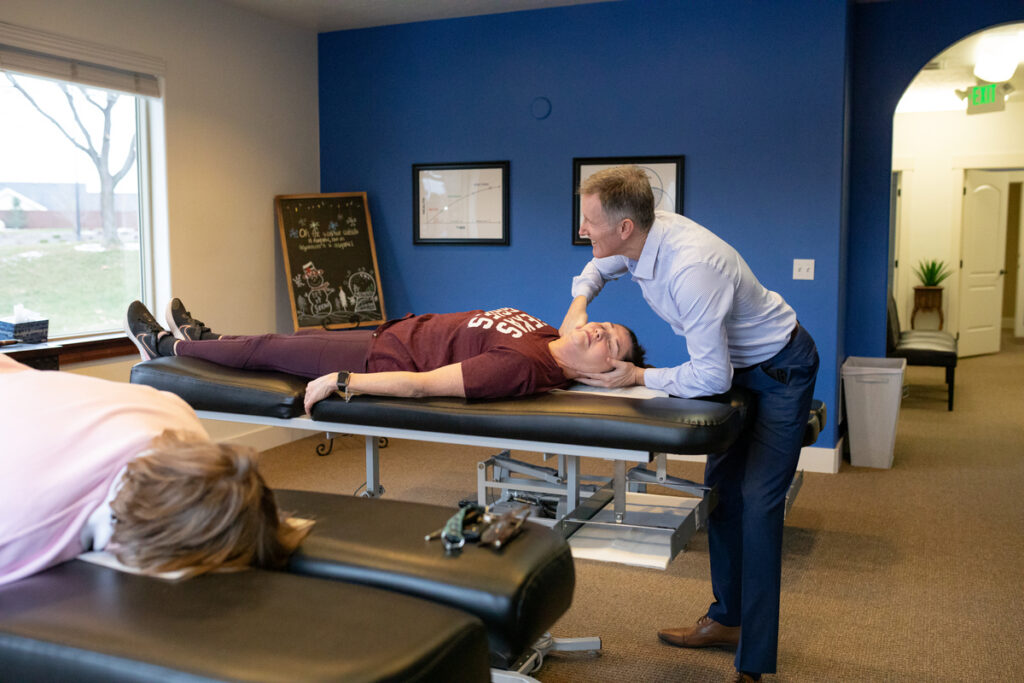

As a local chiropractor, I often encounter individuals struggling with sports-related back pain, and I understand how significantly it can affect both your athletic performance and daily activities. Many of you may be curious about which relief strategies are truly effective and worth exploring. In my practice, I emphasize the importance of various therapeutic techniques and natural healing approaches, including chiropractic adjustments, exercises, and mindfulness practices. Each of these methods has its unique benefits, but it's crucial to find the right fit for your specific needs. By gaining a deeper understanding of these strategies, you can better manage your pain and support your recovery journey. So, what do you think might be the most effective way to address your back pain? Let's explore this together!
Understanding Sports-Related Back Pain
As a local chiropractor, I often see athletes grappling with sports-related back pain, which can be a significant barrier to enjoying and excelling in their favorite activities. This type of pain can hinder your performance, disrupt your training routines, and even dampen your enthusiasm for the sports you cherish. Gaining a clear understanding of this pain is crucial for effectively managing it.
When you participate in physical activities, your back experiences considerable stress. The muscles, ligaments, and vertebrae work in harmony to support your movements. However, factors like overuse, poor technique, or sudden impact can lead to discomfort or injury. It's important to remember that back pain isn't solely linked to a specific event; it can also arise from muscle fatigue or imbalances resulting from repetitive actions.
You may encounter pain in various forms, such as sharp, dull, or radiating sensations. This discomfort can occur during or after an activity, making it vital to pay attention to your body. Ignoring pain and pushing through it can exacerbate the situation, potentially leading to chronic issues later on.
Taking a proactive approach to your back health is essential. Simple practices such as incorporating proper warm-up routines, maintaining good posture, and using suitable equipment can significantly reduce the risk of injury.
Furthermore, being attuned to your body's signals empowers you to make necessary adjustments to your training regimen. By understanding how your body reacts to sports and physical strain, you can enhance your performance and enjoy a healthier, more fulfilling athletic journey.
At our chiropractic practice, we focus on natural healing methods to support your back health and overall well-being. We can work together to develop a tailored plan that addresses your needs, helping you stay active and pain-free.
Common Causes of Back Pain
As a local Chiropractor, I want to share some important insights about back pain, especially for athletes.
Commonly, back pain can arise from a few key issues. One major factor is muscle strains and sprains, which often occur when posture or technique isn't optimal during physical activity.
Additionally, overuse and repetitive stress on the back can lead to significant discomfort. It's crucial to recognize these factors, as understanding them can help you prevent further injury.
Muscle Strain and Sprain
As a local chiropractor, I often see patients who experience sudden pain, particularly when they push their bodies too hard. Muscle strains and sprains are frequent issues, especially in those who engage in sports or physical activities.
Let me explain the difference: a muscle strain occurs when the fibers of a muscle are overstretched or torn, while a sprain affects the ligaments that support your spine and joints. Both types of injury can occur during activities that involve sudden movements, heavy lifting, or incorrect techniques.
If you've ever felt sharp pain, stiffness, or swelling in your back after physical activity, you may be dealing with a strain or sprain. These symptoms can significantly impact your ability to perform at your best and can make everyday tasks feel daunting.
Factors such as not warming up properly, fatigue, or even dehydration can elevate your risk of these injuries.
To help prevent muscle strains and sprains, it's essential to condition your body correctly. I recommend incorporating strength training and flexibility exercises into your routine to build resilience.
Always ensure you warm up adequately before participating in sports and allow time for cooling down afterward to aid in muscle recovery.
Listen to your body—if you start to feel any discomfort, it's vital to stop and evaluate what's happening before pushing through.
By following these strategies, you can significantly lower your chances of experiencing muscle strains or sprains.
As a chiropractor, I'm here to support you on your journey to natural healing and help you enjoy your activities without pain. If you do find yourself in discomfort, consider visiting a chiropractor to explore safe and effective treatment options.
Poor Posture and Technique
As a local chiropractor, I frequently encounter athletes and active individuals who may not realize the significant impact of poor posture and improper technique on their overall well-being.
It's essential to understand that maintaining the right posture while engaging in sports is crucial for preventing discomfort and injuries. For instance, slouching or leaning forward can put unnecessary strain on your back, leading to pain and potential long-term issues. A classic example is lifting weights with a rounded back—this common mistake can set you up for serious injuries.
Additionally, the technique you use during physical activities plays a vital role in how your body feels. Whether you're swinging a golf club or running, improper form can cause your muscles to work inefficiently, resulting in fatigue and discomfort. Often, these issues don't manifest immediately, but over time, small errors can accumulate and lead to significant problems.
I encourage you to pay close attention to your body mechanics. Focus on engaging your core, keeping your spine aligned, and utilizing your legs for power rather than relying on your back.
It can be incredibly beneficial to work with a coach or trainer who can help identify and correct any flaws in your technique. By prioritizing good posture and proper form in your training, you can significantly reduce your risk of back pain and enhance your overall performance.
Remember, chiropractic care can also support you in your journey towards better posture and technique. Through spinal adjustments and personalized advice, we can work together to help you achieve optimal function and prevent discomfort from arising in the first place.
Let's take proactive steps towards your health and well-being!
Overuse and Repetitive Stress
As a local chiropractor, I want to share some important insights about how engaging in sports and physical activities can sometimes lead to overuse injuries, particularly in the back.
Many people may not realize that these injuries can occur from repeating the same movements without allowing for adequate rest and recovery. This oversight can result in pain and diminished performance.
Here are some common factors that contribute to overuse and repetitive stress injuries:
- Neglecting Warm-Ups: Failing to properly warm up your muscles can leave them unprepared for the physical demands of your sport, significantly increasing your risk of injury.
- Overtraining: It's easy to get caught up in pushing yourself too hard. Without sufficient recovery time, your back muscles and ligaments can become strained and lead to discomfort.
- Inadequate Equipment: Using the wrong gear, whether it's ill-fitting shoes or a misaligned bike, can create imbalances and put extra stress on your back.
- Lack of Variety: Performing the same movement repeatedly—whether in training or competition—without incorporating a variety of exercises can cause muscle imbalances and strain.
To help prevent these types of injuries, it's essential to listen to your body.
Take regular breaks, diversify your training routines, and focus on maintaining proper technique.
By following these guidelines, you can protect your back and improve your overall athletic performance.
If you're experiencing pain or discomfort, consider scheduling an appointment with a chiropractor to explore natural healing options and get personalized advice on how to stay healthy and active.
Preventive Measures for Athletes
As a local chiropractor dedicated to helping athletes, I want to share some essential preventive measures to minimize the risk of sports-related back pain.
It's vital to focus on maintaining proper body mechanics during your training and competitions. This means employing the correct techniques for lifting, running, and jumping to prevent unnecessary strain on your back. Always be aware of your posture, whether you're actively playing or resting.
A well-structured training program is also crucial. Gradually increasing the intensity and duration of your workouts allows your body to adapt safely. Sudden spikes in activity can lead to injuries, including back pain.
Incorporating strength training into your routine is equally important, as a strong core is your spine's best ally.
Don't overlook the significance of your equipment. Whether it involves your shoes, protective pads, or any other gear, ensure that they're suitable for your sport and fit properly. Ill-fitting equipment can lead to compensatory movements that inadvertently increase stress on your back.
Recovery should be a top priority as well. Ensure you're getting sufficient rest and proper nutrition to support your training. Fatigue can compromise your form and heighten your risk of injury.
It's essential to listen to your body; if you experience pain or discomfort, don't hesitate to take a break or seek professional advice.
Lastly, I encourage you to consider regular check-ups with a chiropractor. We can help identify potential issues before they become serious problems.
Stretching and Flexibility Exercises
As a local chiropractor, I want to emphasize the crucial role stretching plays in preventing and alleviating back pain. Many of my patients, including athletes, often underestimate the impact of flexibility on their overall well-being.
By integrating effective stretching techniques into your daily routine, you can't only enhance your athletic performance but also significantly reduce your risk of injury.
It's important to understand that the timing and frequency of these stretching exercises can greatly influence their effectiveness. Regularly incorporating stretching into your routine can help maintain proper alignment and support your body's natural movement.
As we work together on your healing journey, I encourage you to prioritize flexibility as an essential aspect of your overall health.
Importance of Stretching
As a local chiropractor, I want to emphasize the importance of incorporating stretching into your daily routine for optimal health and well-being.
Stretching plays a vital role in maintaining flexibility and preventing discomfort, particularly when it comes to sports-related back pain. By making regular stretching a habit, you can effectively lengthen your muscles, enhance your range of motion, and alleviate stiffness.
This proactive approach not only boosts your athletic performance but also significantly lowers your risk of injury.
Here are four key benefits of stretching that I encourage you to consider:
- Increased Flexibility: Stretching works to elongate your muscles, which allows for an improved range of motion in your joints. This can be especially beneficial for everyday activities as well as sports performance.
- Improved Posture: Consistent stretching strengthens the muscles that support your spine, which is crucial for maintaining proper alignment. Good posture reduces strain on your back and can help alleviate discomfort.
- Enhanced Blood Flow: Engaging in regular stretching increases circulation throughout your body. This process ensures that your muscles receive adequate nutrients and oxygen, facilitating recovery and minimizing soreness after physical activity.
- Stress Relief: Stretching not only targets physical tension but also helps relieve mental stress. By incorporating stretching into your routine, you can create a sense of calm that allows you to focus better and perform optimally in your sports activities.
As your chiropractor, I encourage you to embrace stretching as a natural and effective way to enhance your overall health and well-being.
Effective Flexibility Techniques
As a local chiropractor, I want to share with you some important techniques to enhance your flexibility, which can significantly improve your athletic performance and help prevent injuries. Understanding and incorporating effective flexibility practices into your routine is vital for maintaining a healthy back and ensuring your overall body functions well.
One of the simplest yet most impactful techniques is static stretching. After your workouts, I recommend spending 15-30 seconds stretching each muscle group, particularly those that feel tight. This practice can help relieve tension and promote relaxation in your muscles.
Dynamic stretching is another excellent approach to boost your flexibility. Before engaging in physical activities, consider incorporating movements like leg swings, arm circles, or torso twists. These dynamic stretches warm up your muscles and prepare them for the movements to come, reducing the risk of strains.
Additionally, practices such as yoga and Pilates are fantastic for enhancing flexibility while simultaneously strengthening your core – an essential component for supporting your back. These routines can be beneficial not just for flexibility but also for improving your overall strength and stability.
Foam rolling is another technique I often recommend. It helps to release muscle tension and improve your range of motion. Focus on areas like your hamstrings, quadriceps, and lower back to alleviate tightness and discomfort.
Lastly, I want to emphasize the importance of consistency. Aim to integrate these flexibility exercises into your routine at least three times a week.
Timing and Frequency
As a local chiropractor, I want to emphasize the importance of timing when it comes to flexibility exercises and how they can greatly enhance your overall health and well-being. Incorporating stretching into your routine isn't just beneficial; it's essential for reducing injury risk and optimizing your physical performance.
Here are some important points to consider:
- Warm-up: Before you start any stretching, it's crucial to do a brief warm-up. This could be a few minutes of light activity that boosts blood flow to your muscles, making them more flexible and ready for stretching.
- Post-activity: After engaging in any sports or workouts, take the time to stretch. This not only helps maintain your flexibility but also supports recovery and can significantly reduce muscle soreness.
- Consistency: Establishing a regular stretching routine is key. I recommend incorporating flexibility exercises into your schedule at least 3-4 times a week. This consistent practice can significantly improve your range of motion and overall mobility.
- Duration: When you stretch, hold each position for about 15-30 seconds. This allows your muscles to relax and lengthen effectively, maximizing the benefits of your efforts.
By integrating these timing and frequency strategies into your routine, you'll be taking a proactive step towards better health and natural healing.
If you have any questions about how to incorporate stretching into your lifestyle, feel free to reach out!
Strengthening Core Muscles
As a chiropractor dedicated to helping my patients achieve optimal health, I want to emphasize the importance of regularly strengthening your core muscles, especially when it comes to preventing and alleviating sports-related back pain.
Many people think of the core as just a six-pack, but it actually consists of a group of muscles that stabilize your spine and pelvis. These muscles play a vital role in allowing for better movement and balance. Weak core muscles can place extra stress on your lower back, leading to discomfort and pain.
To effectively strengthen your core, I recommend incorporating a variety of exercises into your routine. A great starting point is the plank, which engages multiple muscle groups simultaneously. Aim to hold a plank position for 30 seconds, gradually increasing your time to a minute or longer.
Side planks are another excellent option, as they specifically target the obliques and improve your lateral stability. The bird-dog exercise is also beneficial. It involves balancing on all fours while extending one arm forward and the opposite leg back. This movement not only enhances coordination but also strengthens your lower back.
Additionally, bridges are fantastic for activating your glutes and lower back, providing a solid foundation for your body. I advise my patients to include core-strengthening exercises at least two to three times a week.
Consistency is key; even dedicating just 10 to 15 minutes per session can lead to significant improvements. As you build strength in your core, you may notice better posture and enhanced athletic performance, which can further reduce your risk of back pain.
Proper Posture and Techniques
As a local chiropractor, I want to share some important insights about how maintaining a strong core is crucial for achieving proper posture and utilizing safe techniques during physical activities. Many of my patients often overlook how their posture can significantly affect their performance in sports and daily activities, as well as contribute to back pain.
Here are some essential tips to help you adopt better posture and techniques for your physical health:
- Align Your Spine: It's vital to keep your head, shoulders, and hips aligned in a straight line. Proper alignment helps distribute your weight evenly, which can alleviate strain on your back and prevent discomfort.
- Engage Your Core: By activating your core muscles—think of pulling your belly button towards your spine—you provide your body with the stability and support it needs during movement. This practice can protect your back from injury and improve your overall performance.
- Bend at the Hips: When lifting or picking up objects, try to bend at your hips and knees instead of bending at your waist. This technique minimizes stress on your lower back and promotes safe lifting mechanics, which is especially important for avoiding injuries.
- Use Your Legs: Remember to leverage the strength of your legs when pushing or pulling heavy objects. This not only reduces the strain on your back but also enhances your overall strength and endurance, leading to better performance in your activities.
By incorporating these tips into your daily routine, you can support your spine's health and improve your physical activities.
If you have any questions or need personalized advice, feel free to reach out to me during your next visit!
Heat and Cold Therapy
As a local chiropractor, I often encounter patients struggling with sports-related back pain, and one of the most effective approaches I recommend is the use of heat and cold therapy. Understanding how and when to use each can greatly enhance your recovery process.
Heat therapy is a fantastic way to relax and loosen tight muscles. You might consider using a heating pad, enjoying a warm bath, or applying a hot water bottle to the affected area. For optimal results, aim for about 15 to 20 minutes of heat application at a time. This warmth not only increases blood flow but also promotes healing and reduces stiffness in the muscles.
However, it's important to note that heat should be avoided immediately after an injury, as it can lead to increased swelling.
In contrast, cold therapy is most beneficial during the first 48 hours after an injury occurs. Utilizing ice packs or cold compresses can help numb the area, effectively reducing inflammation and pain. When applying cold therapy, keep it on for 10 to 20 minutes, allowing your skin to return to a normal temperature between uses.
Remember to always place a cloth between the ice and your skin to prevent frostbite.
Another effective technique is to alternate between heat and cold therapy. Start with cold therapy to address any inflammation, then switch to heat to alleviate muscle tension. It's crucial to listen to your body and observe how each method impacts your pain levels.
If your back pain persists, I strongly encourage you to consult with a healthcare professional. In the meantime, incorporating heat and cold therapy into your self-care routine can provide significant relief and support your overall recovery.
Embracing these natural healing methods is a wonderful step towards better health and wellness!
Professional Treatment Options
As a local chiropractor, I want to share with you some effective professional treatment options that can help alleviate sports-related back pain. Understanding these methods can empower you to make informed decisions about your recovery and get back to doing what you love.
Here are four valuable treatment options to consider:
1. Chiropractic Care: At the heart of chiropractic practice is the focus on spinal alignment and overall musculoskeletal health. By using gentle manual adjustments, we can relieve pressure on nerves and improve your mobility.
Many individuals experience immediate relief from back pain through chiropractic care, and it can be a key component of your healing journey.
2. Physical Therapy: While I specialize in chiropractic adjustments, I often collaborate with physical therapists who can assess your condition and create a tailored rehabilitation program.
They'll guide you through exercises designed to strengthen your back and enhance flexibility, which not only alleviates pain but also helps prevent future injuries.
3. Acupuncture: This ancient practice, which involves the insertion of thin needles into specific points on the body, is gaining recognition among athletes for its ability to reduce pain and promote healing.
Many of my patients have found that acupuncture complements their chiropractic treatments, enhancing their body's natural pain relief mechanisms.
4. Medication: While I advocate for natural healing methods, I understand that some patients may require additional support.
Over-the-counter pain relievers like ibuprofen or acetaminophen can be effective for managing inflammation and discomfort. For more intense pain, it's essential to consult with your healthcare provider about stronger medications or muscle relaxants that can assist in your recovery.
By exploring these treatment options, you can take proactive steps towards relieving your back pain and returning to your favorite sports activities.
If you have any questions about chiropractic care or how it can benefit you, feel free to reach out. Your journey to recovery starts here!
Mindfulness and Relaxation Techniques
As a local chiropractor, I want to share with you the significant benefits of incorporating mindfulness and relaxation techniques into your daily routine, especially if you're dealing with sports-related back pain.
These practices can really help you stay in the moment, which is key to reducing anxiety and stress—factors that often lead to muscle tension and discomfort.
Let's start with deep breathing exercises. It's simple, yet incredibly effective. Find a calm spot, either sitting or lying down comfortably, and focus on slow, deep breaths.
Inhale deeply through your nose, allowing your abdomen to expand, and then exhale slowly through your mouth. This not only calms your mind but also helps relax your muscles, which can alleviate some of the discomfort in your back.
Another technique I recommend is progressive muscle relaxation (PMR). This involves tensing each muscle group in your body, starting from your toes and working your way up to your head.
Hold the tension for a few seconds before releasing it. This method helps you identify where you're holding tension and encourages a sense of relaxation throughout your body.
Mindfulness meditation can also play a vital role in your recovery. Try setting aside a few minutes each day to sit quietly and concentrate on your breathing or a calming mantra.
If your mind starts to wander, gently guide your focus back to your breath. This practice enhances your awareness of your body, allowing you to recognize areas of pain or discomfort without judgment.
Finally, consider incorporating gentle yoga or stretching routines that emphasize mindfulness. Poses such as Child's Pose or Cat-Cow are excellent for relieving tension while keeping you present in your body.
By integrating these mindfulness and relaxation techniques into your routine, you'll not only support your recovery but also adopt a holistic approach to managing your back pain.
This can facilitate a quicker healing process and improve your overall well-being.
Conclusion
As a local chiropractor, I want to share some effective relief strategies for managing sports-related back pain. Understanding the underlying causes of your discomfort is crucial, and I encourage you to take a proactive approach to prevention.
Incorporating regular stretching and core-strengthening exercises can significantly enhance your athletic performance while minimizing pain. Additionally, maintaining proper posture during both your sports activities and daily routines can make a big difference in your overall back health.
Don't underestimate the power of heat and cold therapy—these simple techniques can provide immediate relief and help reduce inflammation. I also recommend considering professional chiropractic treatments, which can address misalignments and promote natural healing in your body.
Mindfulness techniques, such as meditation or deep breathing, can further assist in managing pain and stress. By taking a holistic approach to your health, you not only manage your back pain more effectively but also support long-term recovery. This allows you to stay active and continue enjoying the sports you love. If you're interested in learning more about how chiropractic care can help you, feel free to reach out!