
As a local chiropractor, I want to share something you might find surprising: chronic back pain has been a concern for centuries, not just a modern-day issue. Ancient civilizations, such as the Egyptians and Greeks, had their own insights into what causes back pain. They recognized that lifestyle choices and physical activities significantly impacted spinal health.
By examining their observations, we can see how many of their principles still resonate with our understanding of pain and its treatment today. For instance, they understood the importance of maintaining a balanced lifestyle and the role of physical movement in preventing discomfort.
As we explore these historical contexts together, I encourage you to think about the lessons we can learn from these ancient cultures. How can we apply their wisdom to enhance our own back health? Let’s work together to find a natural approach to healing that honors those age-old insights while addressing your unique needs.
The Role of Ancient Civilizations in Understanding Back Pain
As a local chiropractor, I’d like to share how ancient civilizations have profoundly influenced our current understanding of back pain. Civilizations such as the Egyptians and Greeks took the time to explore the intricacies of the human body, which laid the foundation for how we approach back pain today.
They meticulously studied anatomy and documented symptoms related to back issues, observing how lifestyle choices and physical activities—like heavy lifting and prolonged sitting—could lead to discomfort.
It’s quite interesting to note that early healers utilized a combination of herbal remedies and hands-on techniques to manage back pain, highlighting the importance of balance and alignment in the body.
The Greeks, in particular, emphasized correct posture and movement, which has become fundamental in chiropractic care. Their insights into the interconnectedness of physical health and daily activities are still relevant and shape our modern practices.
By looking back at these ancient approaches, you can gain a deeper appreciation for the evolution of our understanding of back pain. Many of the principles they discovered continue to inform today’s treatment and prevention strategies, including the chiropractic care I provide.
My goal is to help you find relief and maintain a healthy lifestyle by incorporating these time-tested principles into your care.
Occupational Hazards Throughout History
As your local chiropractor, I want to take a moment to educate you about the various occupational hazards that have affected back health throughout history.
From the manual labor demands seen in ancient times to the ergonomic challenges we encounter in modern workplaces, each era has presented unique risks to our spine and overall well-being.
Understanding these historical changes can be crucial in recognizing how your current job may contribute to chronic back pain.
By being aware of these occupational hazards, you can take proactive steps towards maintaining your spinal health.
As we explore these issues together, I’m here to guide you on how chiropractic care and natural healing can effectively support your body and alleviate discomfort.
Manual Labor Demands
As a local chiropractor, I want to take a moment to discuss the impact of manual labor on your health, particularly when it comes to chronic back pain. For centuries, many individuals engaged in physically demanding work have experienced discomfort due to the strain these jobs place on the body.
If you’ve ever found yourself lifting heavy objects or performing repetitive motions, you may have noticed how these activities can strain your spine and lead to persistent pain. Unfortunately, the working conditions in many manual labor jobs have often overlooked the importance of ergonomic safety.
This can result in your body having to adapt to the stresses of your work, which can lead to discomfort that affects your daily life. It’s not uncommon for laborers to experience chronic back pain as a result of these physical demands.
Understanding the link between manual labor and back pain is crucial. It highlights the importance of using proper techniques and engaging in self-care practices to mitigate these risks.
As a chiropractor, I emphasize the value of natural healing methods, such as spinal adjustments and exercise routines tailored to your individual needs. By prioritizing your spinal health and learning how to properly care for your body, you can reduce the likelihood of chronic pain and improve your overall well-being.
Let’s work together to ensure that your hard work doesn’t take a toll on your health.
Ergonomic Challenges Over Centuries
As a local chiropractor, I want to shed light on the ergonomic challenges that many of us face in our daily lives, which can lead to chronic pain. It’s important to realize that these issues have been around for centuries, affecting everyone from medieval craftsmen hunched over their tools to modern office workers who spend hours at their desks.
Poor posture and repetitive motions are common culprits that can lead to discomfort and strain. Many of you mightn’t be aware that improper lifting techniques and inadequate workspace setups are significant contributors to back pain and other musculoskeletal issues.
Historically, those in physically demanding jobs, such as agriculture and construction, have had to contend with heavy loads and awkward positions, which greatly increases the risk of injury.
Fortunately, awareness around these ergonomic challenges has increased over time, leading to better design in tools and work environments. It’s crucial to adapt your practices and equipment to better fit your body.
Cultural Beliefs and Their Influence on Pain Perception
As a local chiropractor, I want to emphasize how cultural beliefs can significantly influence your perception and response to pain, particularly chronic back pain.
Many people come to us with different backgrounds and experiences, and it’s essential to understand how these factors shape your approach to healing.
Traditional healing practices and societal attitudes can impact how you view pain and your willingness to seek treatment. For instance, some cultures may prioritize natural healing methods, while others may lean more towards conventional medicine. Understanding these beliefs can help us work together more effectively in managing your pain.
Moreover, spiritual beliefs can also play a crucial role. They can affect not only how you cope with pain but also how you communicate your pain to others, including healthcare providers.
Our goal here is to create a supportive environment that respects your cultural background while guiding you through effective chiropractic care and natural healing practices that can alleviate your discomfort.
Traditional Healing Practices
As a chiropractor, I want to help you understand how traditional healing practices can complement modern approaches to health. While conventional medicine often targets physical symptoms, these traditional methods emphasize the role of cultural beliefs in shaping how we experience pain.
Here are a few holistic approaches that might resonate with you:
- Herbal Remedies: Many cultures utilize local plants to help alleviate discomfort. Incorporating these natural remedies can be a gentle way to support your body’s healing process.
- Spiritual Rituals: Engaging in cultural ceremonies or prayers can foster a deeper connection to your heritage, providing a sense of comfort and understanding that may enhance your healing journey.
- Community Support: The importance of surrounding yourself with supportive family and friends can’t be overstated. Their empathy and understanding create a nurturing environment that can significantly ease your pain.
Societal Attitudes Toward Pain
As a chiropractor, it’s important to understand how societal views on pain can affect your experience and response to it. In many cultures, pain is often perceived as a sign of weakness, which can lead people to suppress their feelings or avoid discussing their discomfort altogether. This stigma may cause you to endure suffering in silence, worried about being judged or misunderstood.
On the other hand, in some communities, expressing pain is viewed as a demonstration of strength, promoting open dialogue and support. This can be incredibly beneficial when seeking help.
Your perception of pain can also be swayed by societal expectations surrounding work, productivity, and resilience, influencing how you manage your pain and interact with others.
As you explore chiropractic care and natural healing, it’s essential to recognize these societal influences. Understanding them can empower you to advocate for your own needs and reshape your relationship with pain.
Embracing a holistic approach to health can help you find relief and support, allowing you to engage in conversations about your pain without fear or stigma. Remember, seeking help is a sign of strength, and your well-being matters.
Spiritual Beliefs and Pain
As a chiropractor, I want to share how your experience of pain can be influenced not only by physical factors but also by your spiritual beliefs. Understanding this connection can help you cope with discomfort more effectively. Here are a few ways that your spiritual perspective can play a role in your healing journey:
- Holistic Practices: Engaging in mindfulness techniques such as prayer or meditation can complement your chiropractic care. These practices can promote relaxation and help create a sense of peace, making it easier for your body to heal.
- Community Support: The stories of healing and resilience from your spiritual community can shape your outlook on pain and recovery. Hearing how others have navigated similar challenges can inspire hope and set positive expectations for your own healing process.
- Finding Purpose: Many people find that reframing pain as a lesson or an opportunity for growth can change their relationship with discomfort. This mindset can empower you to approach your healing with strength and a sense of purpose, enhancing the benefits of the chiropractic adjustments you receive.
The Evolution of Medical Understanding and Treatments
As a local chiropractor, I want to take a moment to share how our understanding of chronic back pain has evolved and how chiropractic care can play a vital role in your healing journey.
In the past, many doctors would recommend rest and limited movement for back pain, often attributing discomfort to spiritual or emotional issues. However, with advancements in medical knowledge, we now recognize the importance of the body’s anatomy and physiology in understanding pain.
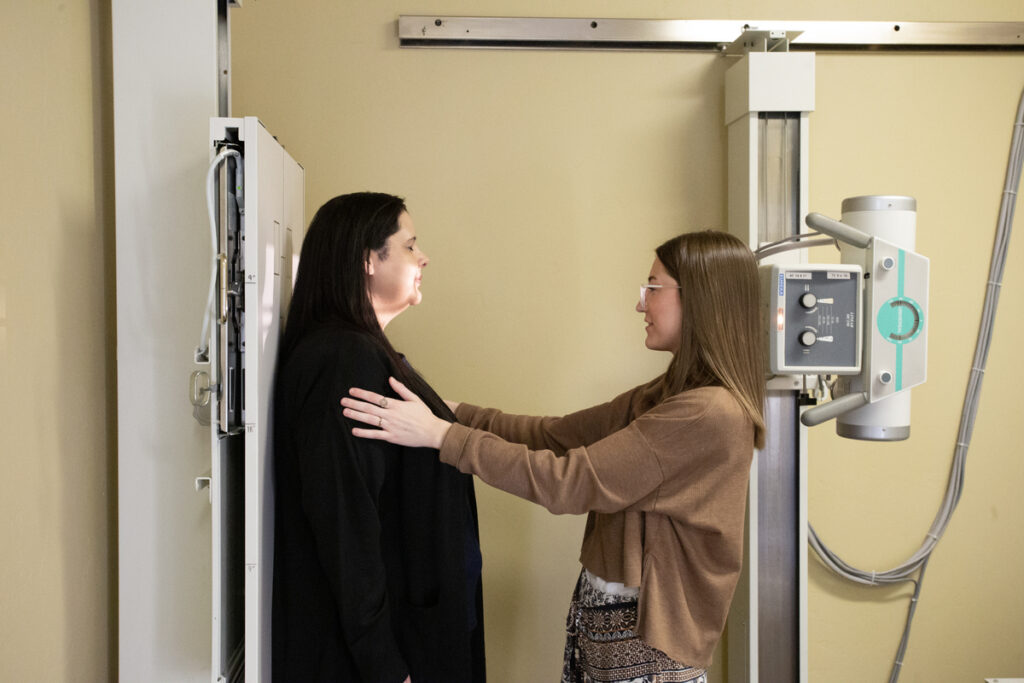
Thanks to modern diagnostic tools like MRIs and X-rays, we can identify specific problems in the spine and surrounding structures, allowing for more tailored treatment plans.
At our clinic, we offer a variety of natural healing options that focus on restoring balance to your body. This includes chiropractic adjustments, physical therapy, and advice on lifestyle modifications.
What’s particularly exciting in today’s approach is the emphasis on holistic care. We understand that chronic back pain often involves psychological aspects and lifestyle factors.
That’s why we incorporate education on proper posture, ergonomics, and the importance of regular exercise as part of your pain management strategy.
By acknowledging that chronic back pain isn’t just a physical issue but a complex interplay of various factors, we ensure that you receive comprehensive care that addresses the root causes of your discomfort.
Our goal is to empower you with knowledge and natural healing methods to help you achieve lasting relief and improved well-being.
The Impact of Industrialization on Back Health
As a local chiropractor dedicated to your health and well-being, I want to address an important issue that many may not be aware of: the impact of industrialization on our back health.
While advancements in technology and economic growth have undeniably improved our lives, they’ve also introduced challenges, particularly concerning our musculoskeletal system.
Many of you mightn’t realize that your everyday activities could be contributing to chronic back pain. Let’s explore a few key factors:
- Prolonged Sitting: In today’s work environment, many jobs demand long hours of sitting, which can lead to muscle stiffness and poor posture. This can significantly impact your back health over time.
- Repetitive Movements: Jobs that involve assembly line work or heavy lifting can cause overuse injuries. These repetitive motions can strain your back muscles, leading to discomfort and pain.
- Inadequate Ergonomics: Unfortunately, not all workstations are designed with your health in mind. Poorly set-up workspaces can force your body into unnatural positions, putting additional stress on your spine.
These industrial influences can accumulate, resulting in long-term back issues.
As your chiropractor, I encourage you to be aware of these factors and to take proactive steps to protect your back health.
Simple adjustments like incorporating regular breaks, improving your workspace ergonomics, and practicing good posture can make a significant difference.
The Connection Between Lifestyle Changes and Chronic Pain
As a local chiropractor, I want to share how lifestyle changes can significantly impact your experience with chronic pain, particularly if you’re new to chiropractic care and natural healing. Your daily habits—ranging from how active you’re to what you eat—play a crucial role in your overall well-being and how your body feels.
For example, if you lead a sedentary lifestyle, you may notice that your muscles weaken and your back becomes strained, leading to increased discomfort. In contrast, incorporating regular exercise into your routine can strengthen your core and enhance flexibility, which helps to alleviate pain.
Nutrition is another vital aspect to consider. A balanced diet can aid in weight management, reducing pressure on your spine and joints. Additionally, be aware of your posture during everyday activities, especially if you spend long hours at a desk. Poor posture can contribute to chronic pain, so being mindful of how you sit and move can make a significant difference.
Moreover, I encourage you to explore stress management techniques like yoga or meditation. These practices can help reduce tension in your body and lower your perception of pain.
Modern Perspectives: Lessons From History for Today’s Treatment
As your local chiropractor, I believe that understanding historical practices can greatly enhance how we approach chronic back pain treatment today. By looking back at what’s worked for centuries, we can uncover valuable insights that inform our modern strategies.
Here are three key takeaways that I encourage you to consider:
1. Holistic Approaches: Ancient cultures recognized the importance of a holistic approach to health, often integrating herbal remedies, physical therapy, and meditation into their pain management.
In our practice, we emphasize not just spinal adjustments but also the incorporation of mindfulness techniques and natural treatments to help you find relief.
2. Community Support: Historically, healing was often a communal effort. Engaging with support groups or having family members involved in your recovery process can provide significant emotional and psychological benefits.
Together, we can create a supportive environment that encourages healing.
3. Personalized Care: Traditional healers tailored their treatments to meet the unique needs of each individual.
Similarly, I encourage you to advocate for a personalized care plan that reflects your specific experiences and lifestyle. In our practice, we aim to customize your treatment to ensure it resonates with your individual journey toward wellness.
Conclusion
As a local chiropractor, I want to share some insights into how historical perspectives on chronic back pain can inform our approach to health today. Throughout ancient civilizations, people recognized the significant role that lifestyle choices, work-related activities, and cultural beliefs played in back health. Understanding these factors is essential to appreciate the complexity of the issues we face with our backs.
By examining how our ancestors managed their posture and movement, we can learn valuable lessons that apply to our lives now. Embracing these insights allows us to make informed decisions regarding our own posture, daily activities, and available treatment options.
My goal is to empower you to take control of your back health. Through chiropractic care and natural healing methods, we can work together to potentially reduce your risk of chronic pain and enhance your overall well-being. Let’s explore these historical lessons and apply them to foster a healthier spine and body for you!