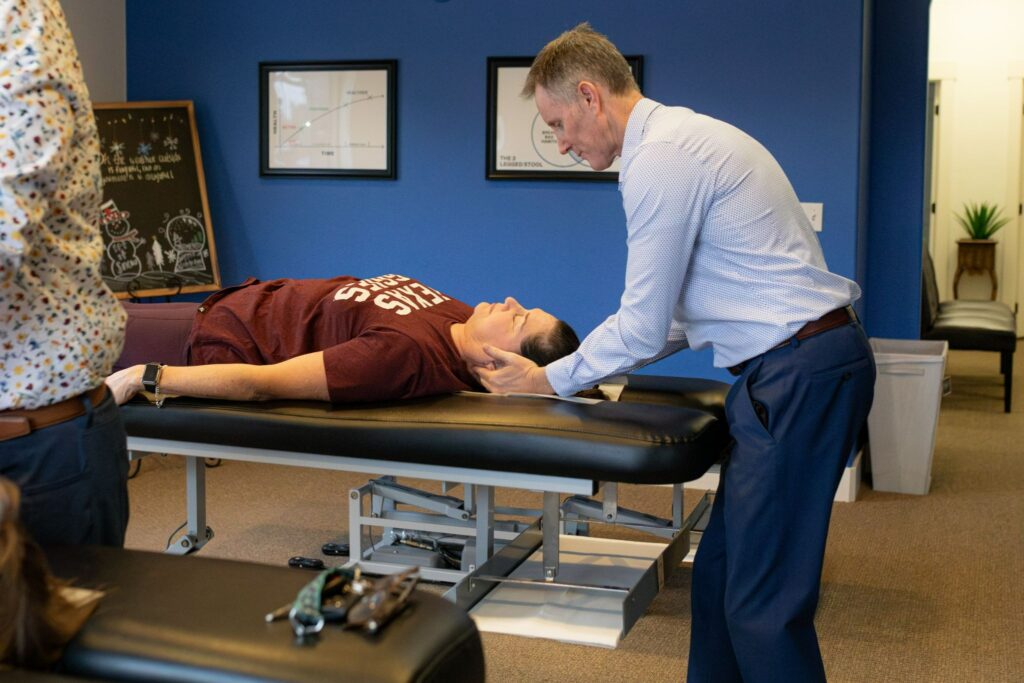

As a local chiropractor, I understand that lower back discomfort can be a significant hurdle in your daily life, impacting everything from your work to your leisure activities. Many people are not familiar with how chiropractic care and natural healing can effectively address this issue. Managing lower back pain requires a holistic approach, and I’m here to guide you through some practical strategies. By incorporating these tips into your routine, you can ease discomfort and enhance the health of your back. Are you ready to take charge of your lower back health? Let’s dive into seven valuable tips that can make a meaningful difference for you.
Practice Good Posture
As a local chiropractor, I want to emphasize the importance of practicing good posture in your daily life. It may seem straightforward, but maintaining proper alignment is crucial for preventing and managing lower back discomfort.
Whether you’re sitting, standing, or moving, being aware of your posture can significantly impact your overall well-being.
When you sit, ensure that your shoulders are back, your chest is open, and your spine is straight. It’s essential to have your feet flat on the floor and your knees at a right angle for optimal support.
While standing, try to distribute your weight evenly between both feet to minimize strain.
I frequently see patients who unknowingly slouch or lean forward, especially while working at a desk or using their phones. While ergonomic furniture can be beneficial, it’s your awareness of posture that truly matters.
I encourage you to take regular breaks to stretch and reset your position throughout the day. By actively maintaining good posture, you can significantly reduce the strain on your back and enhance your overall body health.
This proactive approach will help you tackle daily activities with greater ease and less discomfort. Remember, small changes in your posture can lead to significant improvements in your well-being!
Incorporate Regular Exercise
Incorporating regular exercise into your daily routine can significantly help in managing lower back discomfort, and as your chiropractor, I want to emphasize the importance of this practice. Engaging in physical activity isn’t just about staying fit; it plays a crucial role in strengthening your core muscles, which are vital for supporting your spine and maintaining proper alignment.
I recommend a balanced approach that includes both aerobic exercises—such as walking or swimming—and strength training focused on your back and abdominal muscles. These activities can help alleviate pain and prevent future issues.
Start with low-impact exercises to ensure you don’t aggravate any existing discomfort. As you become stronger and more comfortable, you can gradually increase the intensity of your workouts.
Remember, consistency is essential; aim to make exercise a part of your routine several times a week. It doesn’t require long hours at the gym; even short, targeted workouts can yield significant benefits.
Always listen to your body and avoid pushing through pain. If you’re uncertain about where to begin, I encourage you to consult with a physical therapist or a fitness professional who can help create a personalized exercise program tailored to your specific needs.
Utilize Stretching Techniques
As a local chiropractor dedicated to your well-being, I want to share how incorporating effective stretching techniques can significantly alleviate lower back discomfort. Many of my patients are surprised to learn that simple stretches, when done correctly and consistently, can enhance their flexibility and comfort.
It’s important to consider both the timing and frequency of these stretches to achieve the best results. Regularly integrating these stretches into your daily routine can help reduce tension and promote healing in your back muscles.
Let’s dive into some key stretching techniques that I often recommend to my patients for improved mobility and relief from discomfort.
Effective Stretching Exercises
As a local chiropractor, I want to share some effective stretching exercises that can significantly help alleviate lower back discomfort.
These exercises not only improve flexibility but also strengthen the muscles that support your spine, which is crucial for overall spinal health.
Let’s start with the cat-cow stretch. Begin by getting on all fours, with your hands under your shoulders and knees under your hips. Arch your back upward like a frightened cat, then gently dip it down, bringing your belly toward the floor. This movement warms up your spine and enhances its mobility.
Next, consider trying the child’s pose. Kneel on the floor and sit back on your heels, then stretch your arms forward while lowering your forehead to the ground. This resting posture is great for relaxing your back and can be held for several deep breaths to maximize its benefits.
Another excellent stretch is the standing hamstring stretch. While standing, hinge at your hips and bend forward to reach for your toes. This stretch targets your hamstrings and lower back, helping to alleviate tension in these areas.
Lastly, I recommend the piriformis stretch, which can relieve tightness in the hips and lower back. Lie down and cross one leg over the other, then gently pull the knee of the crossed leg toward your chest. This can help release any built-up tension.
Incorporating these stretches into your daily routine can bring significant relief from discomfort and promote better spinal health.
Timing and Frequency
As a local chiropractor, I want to emphasize the significance of incorporating stretching exercises into your routine for optimal spinal health and overall well-being.
It’s not just about doing the stretches; it’s about knowing when and how often to do them to maximize their benefits. I recommend aiming to stretch at least three to four times a week, but ideally, you should aim for daily practice, especially if your lifestyle involves prolonged sitting.
Morning stretches can be particularly beneficial as they help to wake up your muscles and get your blood flowing, setting a positive tone for the day. On the other hand, evening stretches are excellent for releasing the tension that accumulates throughout your day.
It’s essential to listen to your body; if you notice any stiffness or discomfort, take a moment to engage in a quick stretch session to alleviate that tightness.
When performing stretches, aim to hold each one for about 15 to 30 seconds, and repeat each stretch two to three times for the best results.
Consistency is crucial—making stretching a regular part of your daily routine can significantly aid in preventing and alleviating lower back discomfort.
Maintain a Healthy Weight
As a local chiropractor, I want to emphasize the importance of maintaining a healthy weight, particularly for those experiencing lower back discomfort. Excess weight can place additional strain on your spine and the muscles that support it, leading to poor posture and increased pressure on your lower back.
To effectively manage your weight, it’s crucial to adopt a balanced diet that includes plenty of whole foods, such as fruits, vegetables, lean proteins, and whole grains. These foods not only nourish your body but also help reduce inflammation and support overall health.
Incorporating regular physical activity into your routine is equally important. Aim for at least 150 minutes of moderate exercise each week. Simple activities like walking, swimming, or practicing yoga can significantly strengthen your core and enhance flexibility, which in turn provides better support for your back.
Consider keeping a journal or using an app to track your progress; this can help you stay motivated and accountable. Remember, every small change you make contributes to your overall well-being, so set manageable goals and gradually build on them.
Achieving and maintaining a healthy weight can greatly improve your quality of life and alleviate lower back discomfort. If you have any questions or need guidance, don’t hesitate to reach out. Your journey to better health is important, and I’m here to support you!
Invest in Proper Supportive Gear
As a local chiropractor, I want to emphasize the importance of investing in proper supportive gear to manage lower back discomfort, particularly if you find yourself sitting for extended periods or engaging in physical activities.
A high-quality chair with lumbar support can significantly enhance your posture and alleviate strain on your back, helping you maintain a healthy spine.
For those of you who lead an active lifestyle, it’s crucial to choose footwear that offers adequate arch support and cushioning. This not only helps absorb impact but also keeps your spine aligned during movement, reducing the risk of injury.
If you often lift heavy objects, consider using a supportive belt. This can help you maintain proper form and protect your lower back from strain.
For those working at a desk, ergonomic accessories such as keyboard trays or standing desks can improve your comfort and further reduce the risk of back discomfort.
Don’t overlook the importance of support while sleeping. A mattress that provides the right level of firmness can make a significant difference in how well your back feels.
By investing in supportive gear, you’re taking proactive steps toward alleviating discomfort and enhancing your overall well-being.
Apply Heat and Cold Therapy
As a local chiropractor, I want to share some valuable insights about managing lower back discomfort through heat and cold therapy. These natural healing methods can significantly enhance your recovery and provide relief from pain.
Heat therapy is particularly beneficial for relaxing tight muscles and improving blood circulation in the affected areas. When you apply heat, it helps to soothe tension and promotes healing by increasing the blood flow to the muscles. This can be especially effective after a long day of physical activity or after sitting for extended periods.
On the other hand, cold therapy is excellent for reducing inflammation and numbing sharp pain. Applying cold compresses can help to constrict blood vessels, which in turn reduces swelling and provides immediate relief from acute discomfort. This method is often recommended after injuries or flare-ups of pain.
Understanding how to use heat and cold therapy effectively can empower you to take control of your pain management. I encourage you to consider these techniques as part of your overall approach to healing, and I’m here to guide you through their application to ensure you get the best results.
Benefits of Heat Therapy
As a local chiropractor, I want to share with you the incredible benefits of heat therapy, particularly for those struggling with lower back discomfort. Many of my patients find that after a long day of physical activity, applying heat can bring significant relief.
Heat therapy works by increasing blood flow to the affected area, which not only promotes healing but also encourages relaxation of the muscles.
When your muscles are relaxed, it can help ease tension and stiffness, making movement much easier and more comfortable. There are various ways to apply heat, such as using a heating pad, wrapping yourself in a warm towel, or enjoying a warm bath. Just be sure to keep the temperature at a comfortable level to avoid any burns.
Beyond the physical benefits, heat therapy can also elevate your mood. The soothing sensation it provides can be crucial for managing pain and enhancing your overall well-being.
I encourage you to consider incorporating heat therapy into your self-care routine as a simple yet effective method to alleviate discomfort and support your journey toward better health. Remember, natural healing approaches like these can work wonders alongside chiropractic care!
Advantages of Cold Therapy
As a local chiropractor, I want to share with you the incredible benefits of cold therapy, especially for those experiencing discomfort in their lower back.
Cold therapy can be a fantastic complement to heat treatment, as it effectively reduces inflammation and provides relief by numbing sore areas, which can significantly ease your pain.
When you apply cold packs or ice to the affected area, you’ll likely notice a reduction in swelling. This makes it much easier for you to move and go about your daily activities.
Cold therapy is particularly useful after engaging in physical activity, as it helps decrease muscle soreness and accelerates your recovery process.
To use cold therapy effectively, I recommend applying it for 15 to 20 minutes at a time. It’s important to place a cloth barrier between the ice and your skin to protect yourself from frostbite.
Also, remember to take breaks between sessions to give your skin a chance to recover.
Consider Professional Help
If you’re experiencing persistent lower back discomfort, I encourage you to consider seeking professional help, as it can be a vital step toward recovery.
As a local chiropractor, I want to share how chiropractic care can specifically benefit you and help address your unique needs.
Chiropractic adjustments focus on realigning the spine, which can relieve pressure and alleviate discomfort in your back. By correcting misalignments, we can help restore proper function and mobility, leading to significant improvements in your overall well-being.
In addition to spinal adjustments, I can also guide you through personalized exercise programs to strengthen your back and enhance flexibility. These exercises are designed to support your recovery and prevent future issues.
Furthermore, I understand the importance of relaxation in the healing process. While I primarily focus on spinal care, I can recommend massage therapy as a complementary treatment to ease muscle tension and promote relaxation, which can further help reduce pain.
If necessary, I can also collaborate with medical professionals to ensure a comprehensive approach to your care. This may include assessments and recommendations for medications or other interventions tailored to your specific situation.
Remember, you don’t have to navigate this discomfort alone. By reaching out to a professional like me, you can gain valuable insights and strategies to effectively manage your pain.
Your health is important, and taking that crucial step toward chiropractic care can set you on the path to feeling better!
Conclusion
As a local chiropractor, I want to share some valuable tips to help you manage lower back discomfort and enhance your overall well-being. First and foremost, practicing good posture is essential; it can significantly alleviate strain on your spine. Staying active through regular exercise is also crucial—movement helps to strengthen your back muscles and improve flexibility.
Incorporating stretching exercises into your daily routine can further support your spine’s health. Additionally, maintaining a healthy weight is important, as excess weight can put unwanted stress on your back. Consider investing in supportive gear, such as ergonomic chairs or proper footwear, to provide your body with the support it needs.
Don’t forget that applying heat or cold therapy can be an effective way to relieve discomfort. If your pain persists or worsens, I encourage you to seek professional help—chiropractic care can offer natural solutions tailored to your needs. By prioritizing these strategies, you’ll be on your way to a more comfortable and active life, free from the limitations of back pain.