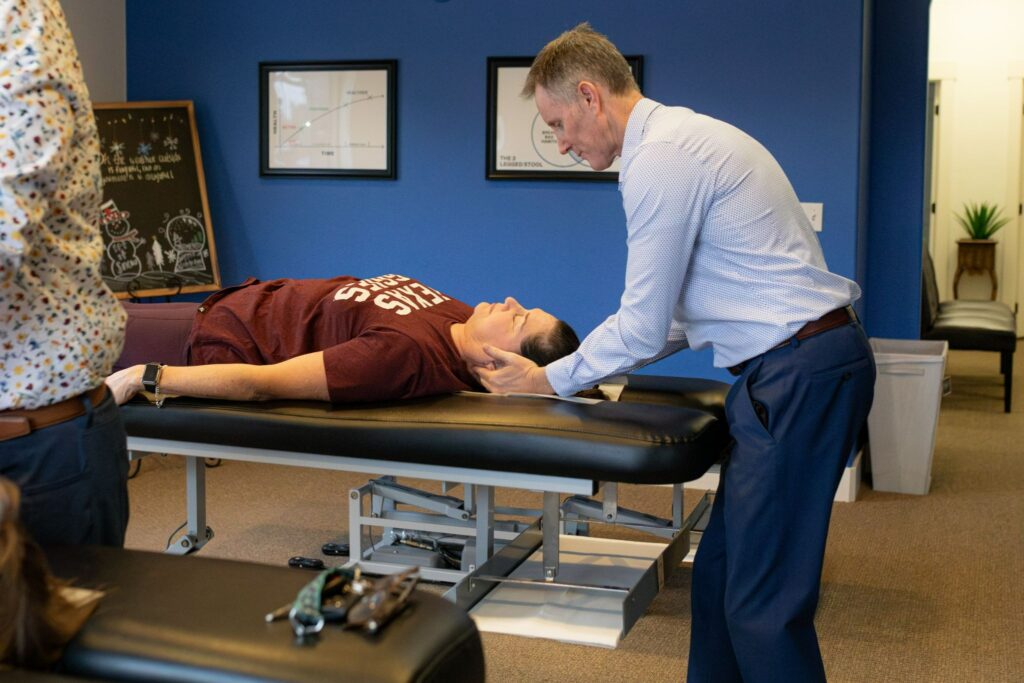

If you’re experiencing back pain, it’s essential to take a closer look at your posture. Many individuals are unaware of how their everyday habits can impact their spinal health. As a chiropractor, I’ve seen firsthand how simple changes can lead to significant relief. By gaining a better understanding of how your body aligns, you can take proactive steps towards improving your comfort and well-being.
So, what specific adjustments should you consider to effectively transform your posture? You might be surprised by how small tweaks can yield remarkable results. Let’s explore some practical strategies that can help you achieve a healthier spine and alleviate that nagging back pain.
Understanding the Connection Between Posture and Back Pain
As a local chiropractor, I want to emphasize the significant link between your posture and back pain. When you slouch or hunch over, it’s not just your spine that feels the strain; it can lead to a host of discomforts and tension in your muscles, ligaments, and joints. This pressure can manifest as persistent pain that lingers throughout the day.
Many people don’t realize that the way you sit, stand, or walk plays a crucial role in your back health. If you find yourself spending long hours at a desk or frequently looking down at your phone, you may be unknowingly intensifying the issue. Your muscles are working overtime to support your posture, which can cause fatigue and discomfort.
However, by making a few simple adjustments to your posture, you can significantly reduce this strain. Aim to keep your shoulders back, chin lifted, and spine aligned. These minor changes can lead to substantial improvements in your overall comfort.
The Anatomy of a Healthy Spine
As your local chiropractor, I want to emphasize the importance of a healthy spine for your overall well-being. Your spine isn’t just a structure; it’s the foundation that supports your body, allowing for flexibility and safeguarding your nervous system.
By understanding its anatomy, you can take proactive steps in maintaining your spinal health and overall wellness.
Let’s break down the different sections of your spine:
- Cervical Region: This part consists of seven vertebrae in your neck. They play a critical role in supporting your head and enabling movement. Proper alignment in this area can reduce tension and improve your range of motion.
- Thoracic Region: Comprising twelve vertebrae, this section is crucial as it anchors your ribcage, providing protection for your heart and lungs. Maintaining the health of your thoracic spine can enhance your breathing and overall vitality.
- Lumbar Region: The five larger vertebrae in this area are designed to bear much of your body’s weight and absorb shock. Keeping your lumbar spine healthy is vital for reducing back pain and improving your posture.
- Sacrum and Coccyx: The sacrum connects your spine to the pelvis, and the coccyx, or tailbone, helps provide stability, especially when you sit. Ensuring these areas are well-aligned can enhance your comfort and support your body’s balance.
As we work together on your journey to better health, remember that understanding your spine is the first step toward achieving optimal well-being through chiropractic care and natural healing.
Let’s focus on maintaining its health for a stronger, more resilient you!
Common Postural Mistakes to Avoid
As a local chiropractor, I want to share some important insights about posture that can significantly impact your back health and overall well-being. Many individuals may not be aware that poor posture is a common contributor to back pain and discomfort.
For instance, slouching while sitting or standing can place undue stress on your spine. Instead of leaning forward, I encourage you to keep your shoulders back and your chest open, which promotes better spinal alignment.
Another frequent mistake I observe is crossing your legs when seated. This habit can misalign your hips, leading to muscle imbalances that can exacerbate discomfort.
If you’re spending hours at a desk, it’s crucial to avoid hunching over your computer. Make sure your screen is at eye level to maintain a neutral neck position and alleviate strain on your upper back.
Additionally, I urge you to be cautious about your smartphone usage. Looking down for long periods can create tension in your neck and back, potentially leading to chronic pain.
Lastly, don’t overlook your sleeping posture. Sleeping on your stomach can twist your spine and lead to misalignments. Aim for side or back sleeping, ensuring you have proper support to maintain spinal alignment throughout the night.
By being mindful of these common postural mistakes and making adjustments, you can significantly reduce your risk of back pain and enhance your overall health.
If you have any questions or would like personalized advice, please feel free to reach out. Your journey to better posture and a pain-free life starts here!
Ergonomic Adjustments for Your Workspace
As a local chiropractor, I want to emphasize the importance of creating an ergonomic workspace to promote better posture and alleviate back pain.
One of the first steps you can take is to adjust your chair height so that your feet rest flat on the floor. This helps maintain proper alignment and reduces strain on your lower back.
Additionally, position your monitor at eye level; this prevents you from leaning forward or craning your neck, which can lead to discomfort over time.
By making these simple adjustments, you can significantly enhance your comfort and productivity, fostering a healthier work environment that supports your overall well-being.
Chair Height Optimization
As a local chiropractor, I want to emphasize the importance of finding the right chair height to enhance your comfort and prevent back pain, especially if you spend long hours at a desk.
Here are some essential tips for adjusting your chair that can make a significant difference:
- Feet Flat: It’s crucial that your feet rest flat on the floor or on a footrest. This helps maintain proper circulation and reduces strain on your lower back.
- Knee Angle: Aim for your knees to be at a 90-degree angle or slightly lower than your hips. This position helps support your spine and keeps your body aligned.
- Back Support: Select a chair that offers good lumbar support for your lower back. Proper back support can alleviate pressure on your spine and help maintain its natural curve.
- Elbow Position: Your elbows should ideally be at or slightly above the height of your desk. This allows your shoulders to relax, preventing tension and discomfort.
By optimizing your chair height, you create a supportive environment that minimizes strain on your back and encourages better posture.
I encourage you to take the time to adjust your workspace accordingly; your body will thank you for it!
If you have any questions or need further guidance on maintaining your spinal health, feel free to ask during your next visit.
Monitor Positioning Techniques
As a chiropractor, I want to emphasize the importance of proper monitor positioning for your overall health and comfort, especially if you spend long hours at a desk.
It’s crucial to set up your workspace in a way that minimizes strain on your eyes and supports good posture.
Begin by positioning your monitor about an arm’s length away from you. Ideally, the top of the screen should be at or just below eye level, allowing you to gaze slightly downward. This positioning helps keep your neck in a neutral position, reducing the risk of discomfort and strain.
Make sure to adjust the tilt of your monitor to avoid glare, which can lead to awkward head movements and eye fatigue. If you use multiple screens, ensure they’re at the same height and angled inward, so you can easily view them without straining your neck.
Remember, it’s also vital to take regular breaks. Stand up, stretch, and give your eyes a rest to prevent fatigue.
Exercises to Strengthen Postural Muscles
As your local chiropractor, I want to help you understand the importance of strengthening your postural muscles for alleviating back pain and enhancing your overall stability.
Many people are unaware that by focusing on specific exercises, you can significantly improve your posture and reduce discomfort. Here are four effective exercises that I highly recommend incorporating into your routine:
- Plank: Start by holding a plank position for 20-30 seconds. This exercise engages your core and back muscles, which are crucial for maintaining good posture.
- Bird-Dog: Begin in a tabletop position on your hands and knees. Extend one arm forward while simultaneously extending the opposite leg back. Hold this position for a few seconds, then switch sides. This exercise promotes balance and strengthens the muscles that support your spine.
- Wall Angels: Stand against a wall with your feet about six inches away. Raise your arms to form a “W” shape and then slide them up to a “Y” while keeping your back pressed against the wall. This movement helps improve shoulder mobility and reinforces proper posture.
- Bridge: Lie on your back with your knees bent and feet flat on the floor. Lift your hips toward the ceiling while squeezing your glutes. This exercise strengthens the lower back and pelvic muscles, which are essential for maintaining stability.
By incorporating these exercises into your routine regularly, you’ll strengthen your postural muscles, which can lead to lasting relief from back pain.
Stretching Techniques for Improved Flexibility
As a local chiropractor, I want to emphasize the importance of not just strengthening your postural muscles, but also incorporating stretching techniques into your routine. These techniques are crucial for enhancing flexibility and preventing back pain, which many of my patients experience.
To get started, I recommend gentle stretches such as the cat-cow stretch. This exercise helps to mobilize your spine and improves flexibility in your back, setting a solid foundation for better movement.
Another beneficial stretch is the seated forward bend; it effectively stretches your hamstrings and lower back. Hold this position for 15-30 seconds to reap the full benefits.
Additionally, consider adding the standing quadriceps stretch to your regimen. This stretch opens up your hip flexors, which can play a significant role in back pain.
And don’t overlook the restorative child’s pose; it’s a fantastic way to elongate your spine and promote relaxation throughout your entire body.
I advise my patients to aim for stretching at least three times a week. It’s important to listen to your body and adjust the intensity based on how you feel.
Mindfulness and Body Awareness Practices
As a local chiropractor dedicated to helping you achieve optimal health, I want to share how incorporating mindfulness and body awareness practices can significantly alleviate back pain.
Many people may not realize the power of focusing on your breath and engaging in body scan meditation. These techniques can help you cultivate a stronger connection with your body, allowing you to better understand how it feels.
By practicing mindfulness, you become more aware of areas of tension and discomfort. This heightened awareness can be instrumental in recognizing poor posture habits that may contribute to your back pain.
As you learn to listen to your body, you can make conscious choices to promote healthier alignment and movement patterns. Integrating these practices into your daily routine can complement chiropractic care and support your journey toward a pain-free lifestyle.
Breathing Techniques
As a local chiropractor, I often see patients who are unaware of the significant role that breathing techniques can play in managing back pain.
By integrating mindful breathing into your daily practices, you can enhance your body awareness and promote deep relaxation, which is essential for healing.
Here are four powerful techniques I encourage you to try:
- Diaphragmatic Breathing: Start by inhaling deeply through your nose, allowing your diaphragm to fully expand. Then, exhale slowly through your mouth. This technique helps to oxygenate your body and reduce tension in your muscles.
- Box Breathing: This structured method involves inhaling for four counts, holding your breath for four counts, exhaling for four counts, and then pausing for another four before your next inhale. This technique not only calms the mind but also helps to stabilize your breathing pattern.
- 4-7-8 Breathing: Inhale for four counts, hold that breath for seven counts, and then exhale for eight counts. This method is particularly effective for releasing built-up tension and promoting relaxation throughout your body.
- Pursed Lip Breathing: Inhale through your nose and then exhale slowly through pursed lips, which creates a gentle resistance. This technique can help improve your lung function and overall relaxation.
Incorporating these breathing techniques into your routine can greatly aid in your journey toward back pain relief.
As you work on your chiropractic care, remember that mindful breathing can be a powerful tool in your healing process.
Body Scan Meditation
As a chiropractor dedicated to your well-being, I want to introduce you to an effective technique known as body scan meditation, which can significantly enhance your awareness of your body and promote natural healing. This practice complements the chiropractic care you receive by helping you connect with your body on a deeper level.
To begin, find a comfortable position lying down. Focus your attention on each part of your body, starting from your toes and gradually moving upwards. As you engage in deep, mindful breathing, pay attention to any areas of tension or discomfort. It’s important to acknowledge these sensations without judgment.
Once recognized, consciously relax each area, allowing tension to release. Incorporating body scan meditation into your routine can cultivate mindfulness, leading to relaxation and a reduction in stress.
This heightened awareness of your body can also improve your posture, as you become more mindful of how you hold your body throughout the day. Over time, practicing this technique can lead to lasting relief from back pain and enhance the effects of your chiropractic adjustments.
Embracing both chiropractic care and body scan meditation can create a holistic approach to your health and well-being.
The Role of Footwear in Posture
As your local chiropractor, I want to emphasize how vital the footwear you choose is to your posture and overall back health. Many people may not realize it, but the right shoes can significantly support your body, while the wrong ones can lead to misalignment and discomfort.
Here are four key factors to consider when selecting your footwear:
- Arch Support: It’s crucial to choose shoes with adequate arch support. This helps maintain proper foot alignment, which is foundational for good posture.
- Cushioning: Look for shoes with proper cushioning. Good cushioning absorbs shock and reduces strain on your back as you move, helping to prevent discomfort.
- Heel Height: Aim for shoes with a moderate heel height. This can promote natural posture and prevent unnecessary pressure on your spine, which is essential for maintaining your overall health.
- Fit: Always ensure your shoes fit well. Shoes that are too tight or too loose can create imbalances and lead to discomfort, affecting your posture and overall well-being.
Investing in quality footwear can make a significant difference in how you feel throughout the day.
Daily Habits for Maintaining Good Posture
As a chiropractor, I want to emphasize the importance of maintaining good posture for your overall health. One of the first steps you can take is to create an ergonomic workspace that truly supports your body. This means ensuring that your chair, desk, and computer setup are all aligned to reduce strain on your back and neck.
In addition to an ergonomic setup, incorporating mindful movement practices into your daily routine can make a substantial difference. Simple adjustments to how you move and sit throughout the day can protect your spine and enhance your overall well-being.
Ergonomic Workspace Setup
As a local chiropractor, I want to emphasize the importance of creating an ergonomic workspace for all of you who may be struggling with posture issues or back pain.
A well-designed workspace can significantly enhance your comfort and overall well-being. Here are four crucial tips to help you set up your workspace effectively:
- Chair Height: It’s vital to adjust your chair so that your feet rest flat on the ground and your knees form a 90-degree angle. This alignment helps support your spine and prevents unnecessary strain.
- Desk Position: Make sure your desk is at elbow height. This allows your arms to rest comfortably while typing, reducing tension in your shoulders and neck.
- Screen Alignment: Position your computer monitor at eye level, ideally about an arm’s length away. This prevents you from leaning forward or craning your neck, which can lead to discomfort and pain over time.
- Keyboard and Mouse: Keep your keyboard and mouse within easy reach. Your wrists should remain straight and relaxed while you work, minimizing the risk of repetitive strain injuries.
By following these guidelines, you can create a workspace that promotes better posture and reduces the risk of pain.
Mindful Movement Practices
As a local chiropractor, I want to share how incorporating mindful movement practices into your daily routine can significantly enhance your posture and overall spinal health.
It’s essential to start by being aware of your body during everyday activities. When you’re standing or sitting, aim to align your ears, shoulders, and hips in a straight line.
Engaging in gentle stretching or yoga can be incredibly beneficial. These activities not only increase your flexibility but also help counteract stiffness that can lead to discomfort.
I recommend taking short movement breaks throughout your day—stand up, walk around, or do some simple stretches every hour to keep your body engaged and reduce tension.
When it comes to lifting objects, remember to use your legs instead of your back to avoid unnecessary strain. Additionally, practicing deep breathing can enhance your awareness and promote relaxation, further supporting your spinal health.
By consciously integrating these habits into your daily life, you’ll not only improve your posture but also strengthen your back.
This holistic approach can pave the way for lasting relief from discomfort and help you maintain a healthier spine. If you have any questions or need more personalized guidance, don’t hesitate to reach out!
When to Seek Professional Help for Postural Issues
As a local chiropractor, I want to help you understand when it’s important to seek professional assistance for postural issues. Many people are unaware of how chiropractic care can effectively address these concerns, so let’s take a look at some key signs that indicate it’s time to reach out for help:
- Chronic Pain: If you’re dealing with back pain that persists for several weeks or seems to worsen over time, it’s crucial not to ignore it. Chiropractic care can provide relief and help identify the root cause of your discomfort.
- Limited Mobility: If you find yourself struggling to perform everyday activities due to stiffness or discomfort, this could be a sign of an underlying issue. Chiropractic adjustments can improve your range of motion and make daily tasks easier.
- Numbness or Tingling: If you experience sensations like numbness or tingling in your arms or legs, it may indicate nerve compression or other concerns. A chiropractor can assess your condition and offer treatments to alleviate these symptoms.
- Postural Changes: Are you noticing changes in your posture, such as a hunched back or uneven shoulders? These shifts can lead to further complications if left unaddressed. A professional evaluation will help determine the best course of action to correct your posture.
By addressing these symptoms early on, you can prevent more serious complications and benefit from effective, natural treatments.
Don’t hesitate to reach out to your local chiropractor for guidance on overcoming your posture-related challenges. Your body will thank you!
Conclusion
As a local chiropractor, I want to share how transforming your posture can lead to lasting relief from back pain. Many people underestimate the impact of posture on overall health. Simple adjustments—like maintaining a neutral spine and setting up an ergonomic workspace—can significantly alleviate discomfort.
In addition to these changes, I recommend incorporating strengthening exercises and mindfulness practices into your daily routine. These activities not only support your posture but also promote overall well-being.
If you find yourself struggling with postural issues, don’t hesitate to reach out for professional help. Chiropractic care focuses on restoring balance in your body, and with dedication and the right strategies, you can achieve a healthier, pain-free back. Together, we can work towards a more comfortable and active lifestyle.