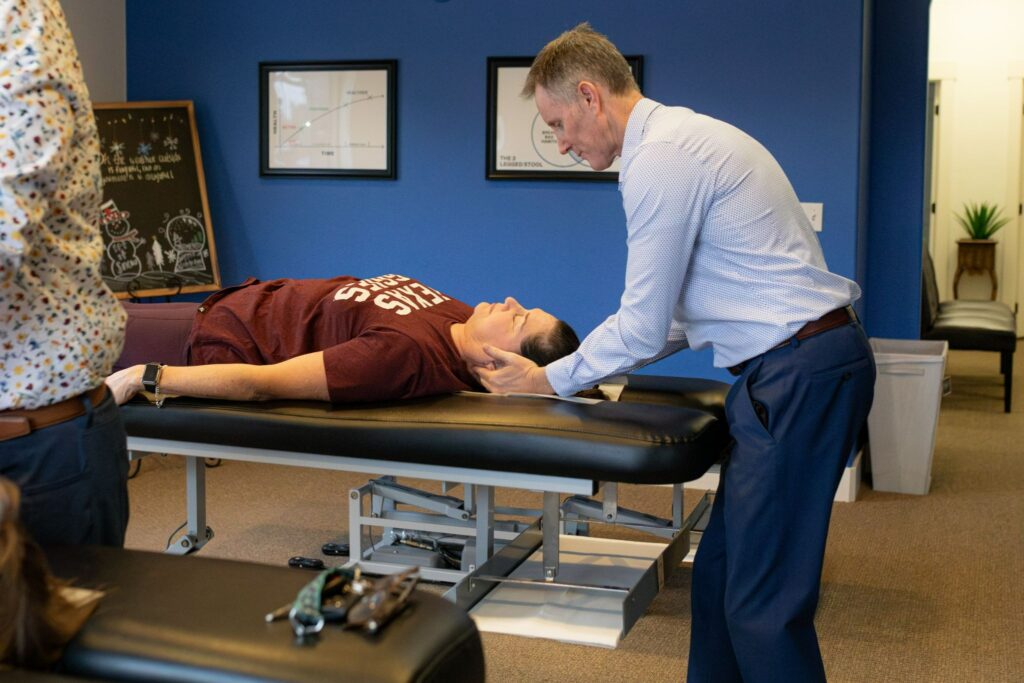

When you experience a sports injury, it’s crucial to understand that recovery goes beyond simply resting. As a local chiropractor, I want to emphasize that making adjustments to your rehabilitation plan can significantly enhance your healing journey. By gaining insight into the specifics of your injury and working closely with healthcare professionals, we can create a customized recovery approach that aligns with your unique needs.
So, what should you keep in mind as you embark on this path to recovery? Let’s delve into the essential elements that can play a pivotal role in your healing process. Embracing natural healing methods and chiropractic care can help restore balance to your body, alleviate pain, and ultimately expedite your return to the activities you love.
Understanding the Nature of Your Injury
Understanding Your Injury from a Chiropractic Perspective
As your local chiropractor, I want to emphasize the importance of understanding your injury for a successful recovery. Each injury, whether it’s a sprain, strain, or fracture, has unique characteristics that we need to address.
Taking the time to learn about your specific condition—its causes, symptoms, and potential complications—can significantly enhance your healing journey.
Listening to your body is crucial. Pay attention to how your injury impacts your daily activities and overall performance. Are there specific movements that cause discomfort?
Keeping a record of these experiences can be invaluable when discussing your condition with me. This understanding not only helps you set realistic recovery expectations but also minimizes the risk of further injury.
Don’t hesitate to ask questions. Engaging with me about your injury can clarify its severity and the anticipated healing timeline.
The more you understand about your condition, the better equipped you’ll be to actively participate in your recovery. By embracing this process, you increase your chances of not only recovering but also coming back stronger and more resilient, reducing the likelihood of future injuries.
The Importance of a Tailored Rehabilitation Plan
As a local chiropractor, I want to emphasize the importance of understanding your injury in order to create a personalized rehabilitation plan tailored specifically for you. A generic approach simply won’t suffice when it comes to healing. The type and severity of your injury, along with your individual recovery goals, should guide your rehabilitation process.
By working collaboratively with me, we can identify specific exercises and natural therapies that not only promote healing but also take into account your physical condition and lifestyle. This customized plan is designed not only to expedite your recovery but also to strengthen areas that may be prone to future injuries.
Tracking your progress is a crucial part of this journey. By monitoring your improvements, we can make necessary adjustments to your plan, ensuring that you’re always moving in the right direction.
Modifying Training Regimens for Optimal Recovery
As a local chiropractor, I want to emphasize the importance of modifying your training regimen while recovering from a sports injury. Making these adjustments is crucial for ensuring proper healing and avoiding any additional complications.
Here are some strategies to consider that align with a natural healing approach:
- Reduce intensity: It’s important to lower the weight you lift or the speed at which you train. This helps prevent any strain on the injured area, allowing it to recover more effectively.
- Focus on flexibility: Incorporating stretching exercises into your routine can help maintain your mobility and promote healing. Flexibility is key in supporting your overall recovery process.
- Include low-impact activities: Engaging in low-impact exercises like swimming or cycling can help you maintain your cardiovascular fitness without putting too much stress on your injury. These activities allow you to stay active while giving your body the chance to heal.
- Prioritize rest: Allowing adequate recovery time between workouts is vital. Resting gives your body the opportunity to repair itself and can significantly speed up the healing process.
- Listen to your body: It’s essential to pay close attention to any pain signals you might experience. Adjust your regimen accordingly—if something doesn’t feel right, don’t hesitate to modify your approach.
By following these strategies, you can create a training regimen that supports your recovery and promotes natural healing.
If you have any questions or need personalized guidance, feel free to reach out to me for assistance. Your health and well-being are my top priorities!
The Role of Nutrition in Healing
As a local chiropractor, I want to emphasize the vital role that proper nutrition plays in your healing journey, particularly when recovering from sports injuries. Many people may not realize how significantly what you eat can impact the speed and effectiveness of your recovery.
By focusing on a nutritious diet, you’re equipping your body with essential nutrients needed to repair tissues, reduce inflammation, and strengthen your immune system.
A balanced diet that includes ample protein, vitamins, and minerals is crucial for optimal healing. Protein is particularly important as it aids in rebuilding damaged muscles. Vitamins, such as C and D, are also key players in supporting collagen formation and maintaining bone health.
Additionally, don’t overlook the importance of healthy fats; they can help mitigate inflammation and promote overall wellness.
Hydration is another fundamental aspect of your recovery. Drinking enough water not only helps transport nutrients throughout your body but also flushes out toxins, further supporting your healing process.
I encourage you to listen to your body’s signals. If you find yourself craving certain foods, it may be your body’s way of signaling a need for specific nutrients.
Prioritizing Rest and Recovery
As a local chiropractor, I want to emphasize how crucial it’s to prioritize rest when you’re recovering from a sports injury.
Your body’s natural healing process heavily relies on adequate sleep, which allows your muscles and tissues to repair effectively.
Additionally, incorporating active recovery techniques, such as gentle stretching or low-impact activities, can significantly enhance your recovery journey.
It’s also important to remember that proper nutrition plays a vital role in supporting your body’s healing capabilities.
Importance of Sleep
As your local chiropractor, I want to emphasize the critical role that sleep plays in your recovery from sports injuries. Many people underestimate how vital quality rest is for healing, but it’s during sleep that your body works hard to repair and rejuvenate itself. By prioritizing restful sleep, you can significantly enhance your recovery process.
Here are some key benefits of ensuring you get enough rest:
- Muscle Repair: Sleep is essential for synthesizing proteins and facilitating muscle tissue recovery, which is crucial after an injury.
- Hormonal Balance: Getting adequate sleep helps regulate the hormones that control stress and recovery, promoting a more efficient healing environment.
- Pain Management: A restorative night’s sleep can help lessen your perception of pain and discomfort, making your recovery journey a bit easier.
- Cognitive Function: Quality rest enhances your focus and decision-making abilities, which are vital during rehabilitation and can help you follow your recovery plan more effectively.
- Immune Support: When you prioritize sleep, you strengthen your immune system, which is important for warding off illnesses that could hinder your healing process.
Incorporating better sleep habits into your daily routine can have a profound impact on your recovery journey.
As your chiropractor, I encourage you to consider these aspects of rest as part of your overall wellness and healing strategy.
Active Recovery Techniques
As a chiropractor, I want to share with you the importance of active recovery techniques in enhancing your recovery from sports injuries. Many people may not realize that these techniques are just as crucial as getting adequate sleep. Active recovery promotes blood circulation, reduces stiffness, and supports the healing process.
I recommend incorporating low-impact activities into your routine, such as walking, swimming, or cycling. These activities can keep your body moving without putting too much strain on it. Additionally, gentle stretching and yoga can help maintain muscle flexibility and encourage relaxation.
It’s vital to listen to your body during this recovery phase. If you experience pain, it’s essential to ease off and not push yourself too hard. I suggest aiming for short, frequent sessions instead of intense workouts, which can sometimes do more harm than good.
You might also benefit from foam rolling, which can help alleviate muscle tension and improve your flexibility.
Remember, the goal of active recovery is to support your body’s healing process, not to challenge it further. By prioritizing these techniques, you can significantly enhance your overall recovery journey and get back to doing what you love more quickly.
If you have any questions or need guidance on how to incorporate these practices into your routine, feel free to reach out. Your health and recovery are my top priorities.
Nutrition for Healing
As your local chiropractor, I want to emphasize the vital role nutrition plays in your healing journey. When you’re focusing on recovery, the right nutrients can significantly enhance your body’s ability to repair itself.
Here’s a guide to some key dietary components to consider:
- Protein: This is crucial for tissue repair and muscle recovery, which can help you regain strength after an injury.
- Healthy Fats: Incorporating omega-3 fatty acids into your diet can help reduce inflammation, making it easier for your body to heal.
- Vitamins and Minerals: Nutrients like vitamin C and zinc are essential for supporting your immune system and aiding in tissue repair.
- Hydration: Keeping yourself well-hydrated is important for the transport of nutrients throughout your body, which aids in the recovery process.
- Antioxidants: Foods rich in antioxidants can help combat oxidative stress, supporting your overall healing and well-being.
By focusing on these nutritional elements, you can enhance the benefits of chiropractic care and support your body’s natural healing capabilities.
Mental Health and Its Impact on Recovery
As a local chiropractor, I want to emphasize the crucial role mental health plays in your recovery from sports injuries. Your emotional well-being is intricately linked to your physical healing process. When you experience pain or the frustration of being sidelined, your mental state can significantly impact how quickly you recover. A positive mindset and resilience can boost your motivation to adhere to rehabilitation routines, while negative emotions may lead to avoidance and a delay in your healing journey.
It’s important to understand that stress and anxiety can manifest physically, potentially hindering your body’s ability to heal effectively. This relationship highlights the need to nurture your mental health just as much as you focus on your physical therapy plan.
I encourage you to engage in mindfulness practices, set achievable goals, and surround yourself with supportive friends and family. These steps can help foster a healthier mindset, which is essential for your recovery.
By prioritizing your mental health alongside your physical treatment, you’re not only enhancing your emotional well-being but also creating a strong foundation for a successful recovery.
The Benefits of Professional Guidance
As a local chiropractor, I want to emphasize the immense benefits of seeking professional guidance during your recovery from a sports injury. My expertise in chiropractic care can significantly enhance your healing process. I bring valuable insights into your recovery, allowing for a more streamlined and effective rehabilitation journey.
Here are some key advantages of working with a chiropractor during your recovery:
- Customized Care: I’ll assess your specific injury and develop a personalized treatment plan tailored to your unique needs, ensuring you receive the best possible care.
- Holistic Techniques: Utilizing advanced chiropractic methods, I focus on promoting natural healing and preventing re-injury through adjustments and therapeutic exercises.
- Encouragement and Accountability: As your chiropractor, I’m here to keep you motivated and accountable, guiding you every step of the way on your path to recovery.
- Education on Self-Management: You’ll gain valuable knowledge on how to manage pain and avoid future issues, empowering you to take charge of your health.
- Injury Prevention Insights: I’ll equip you with strategies to reduce the risk of similar injuries down the line, helping you maintain a healthy and active lifestyle.
Investing in chiropractic care and professional guidance can make a significant difference in your recovery journey.
Let’s work together to ensure you heal effectively and safely.
Listening to Your Body: Recognizing Signs of Overexertion
As a local chiropractor, I want to emphasize the importance of understanding your body’s signals, especially when recovering from a sports injury. Many people may not realize that pushing your limits can lead to signs of overexertion. It’s crucial to listen to your body during this healing process.
You might notice fatigue that feels different from the usual tiredness you experience after a workout. This could be a sign that your body isn’t ready to return to your previous training intensity. While muscle soreness is a typical part of recovery, be cautious if you experience sharp pain or swelling; these are indicators that it may be time to take a step back.
Additionally, symptoms such as dizziness, nausea, or shortness of breath are clear signals that you need to stop and rest. After you engage in physical activity, your heart rate should gradually return to normal. If it remains elevated, this could suggest that you’re overdoing it.
I encourage you to pay close attention to your body’s feedback. Modify your routine based on how you’re feeling, and don’t hesitate to take a break when necessary.
Remember, recovery is a process that takes time, and recognizing these signs is essential to avoid setbacks. Prioritizing your healing will enable you to return to your activities stronger than before.
If you have any concerns or need guidance, feel free to reach out to me for support in your recovery journey!
Setting Realistic Goals for Return to Sport
As you work towards recovering from a sports injury, it’s crucial to set realistic goals for your return to the game. This approach not only helps you maintain focus but also fosters motivation throughout your healing journey.
Here are some valuable tips to consider when setting your recovery goals from a chiropractic perspective:
- Understand Your Body’s Current State: It’s important to assess how you feel physically and mentally. A thorough evaluation can help identify areas that need attention.
- Seek Professional Guidance: Collaborating with healthcare professionals, such as chiropractors, therapists, and trainers, can provide you with tailored advice and treatment plans that align with your recovery needs.
- Establish Short-term and Long-term Goals: Breaking your recovery into smaller, achievable milestones can make the process feel more manageable and less overwhelming.
- Stay Adaptable: Be open to adjusting your goals based on how your body responds to treatment and rehabilitation. Healing isn’t always linear, and flexibility can be key to your success.
- Celebrate Every Step Forward: Recognizing and celebrating your achievements, no matter how minor they may seem, can boost your morale and encourage continued progress.
Conclusion
As a local chiropractor, I want to emphasize the importance of making adjustments in your approach to sports injury recovery. Understanding your injury is the first step to healing, and that’s where chiropractic care comes in. We focus on developing a customized rehabilitation plan that aligns with your unique needs, helping you recover safely and efficiently.
Listening to your body is crucial, and chiropractic adjustments can support your healing process by enhancing mobility and reducing pain. Additionally, prioritizing rest, proper nutrition, and maintaining your mental well-being are vital components of recovery that we can guide you through.
Setting realistic goals is key, and I encourage you to seek professional guidance—whether it’s from a chiropractor or another healthcare provider—to ensure you’re on the right track. Remember, patience and focus are essential, and with the right support, you’ll be well on your way to a successful return to your sport. Let’s work together to get you back in the game!