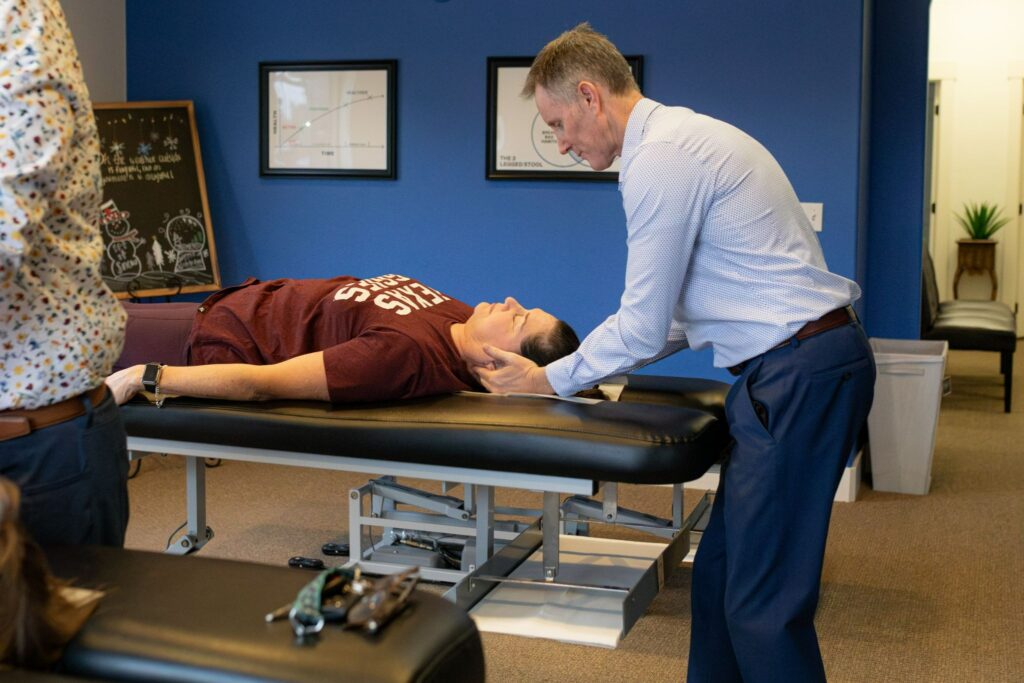

Managing pain at home can feel overwhelming, but there are proven techniques that can help you regain control and promote your overall wellness. As a chiropractor, I believe that understanding your body and its signals is key to effective pain management. Start by identifying your pain triggers—this awareness can illuminate patterns that may be linked to your spinal health.
Incorporating simple exercises, like gentle stretching and strengthening routines, can enhance your range of motion and alleviate discomfort, particularly if they are designed to support your spine. Heat and cold therapies can also provide relief; using a warm compress can soothe tight muscles, while ice packs can reduce inflammation.
But the journey to feeling better doesn’t stop there. Embracing natural remedies, such as essential oils or herbal supplements, can also support your healing process. Additionally, establishing a supportive environment—whether it’s finding a good chair for your back or creating a calming space in your home—can make a significant difference.
Chiropractic care should be a cornerstone of your pain management strategy. Regular adjustments can help align your spine, improve nerve function, and promote your body’s natural healing processes. By prioritizing chiropractic care, you can achieve optimal health and wellness, paving the way for a pain-free life. Let’s explore these methods together and empower your journey towards effective pain management, focusing on natural healing and healthier living.
Understanding Your Pain: Identifying Triggers
Understanding Your Pain: Identifying Triggers
Pain can often feel like a shadow, subtly influencing your daily activities and overall quality of life. To manage it effectively, it’s crucial to identify what triggers your discomfort. One helpful approach is to start a pain diary. Jot down when your pain flares up, what activities you were engaged in, and any emotions you were experiencing at the time. This practice can help you uncover patterns and highlight specific activities or situations that may worsen your pain.
Don’t forget to consider environmental factors as well. For example, did you notice a change in the weather, or were you sitting in an awkward position for an extended period? Recognizing these triggers empowers you to take proactive steps to minimize your discomfort.
Chiropractic care can play a significant role in this journey. By focusing on spinal health, chiropractic adjustments can help restore balance to your body, alleviating pain and enhancing your overall well-being. When you discuss your findings with your chiropractor, they can offer personalized strategies tailored to your unique situation, helping you achieve optimal health naturally.
Additionally, here are some general tips to keep in mind:
- Maintain Good Posture: Pay attention to your body mechanics, especially when sitting or standing for long periods. Proper alignment can prevent unnecessary strain.
- Stay Active: Incorporating gentle exercises or stretches into your daily routine can help keep your muscles and joints flexible, reducing the risk of pain flare-ups.
- Practice Relaxation Techniques: Stress can contribute to pain. Techniques such as deep breathing, yoga, or meditation can promote relaxation and overall wellness.
- Stay Hydrated and Eat Well: Nourishing your body with healthy foods and adequate hydration can support your body’s natural healing processes.
Incorporating Regular Exercise and Stretching
Incorporating regular exercise and stretching into your daily routine can significantly alleviate pain and enhance your overall well-being. As a chiropractor, I believe that staying active is crucial for maintaining a healthy spine and preventing discomfort. Engaging in physical activity not only boosts your flexibility but also strengthens your muscles, which plays a vital role in supporting your spine and reducing the risk of injury.
Let’s explore some simple yet effective techniques that can help you stay active and improve your health naturally:
- Start with Gentle Stretching: Begin each day with gentle stretches to increase flexibility and reduce stiffness. Focus on areas like your neck, shoulders, and lower back, as these are often the most affected by daily activities.
- Incorporate Low-Impact Activities: Activities such as walking, swimming, or cycling are excellent ways to stay active without putting too much strain on your body. Aim for at least 30 minutes of movement most days of the week.
- Practice Good Posture: Being mindful of your posture while sitting, standing, and moving can dramatically affect your spinal health. Ensure your workspace is ergonomically friendly and take breaks to stretch and move around.
- Strengthen Core Muscles: Building strength in your core can provide better support for your spine. Simple exercises like planks and bridges can be done at home without any special equipment.
- Listen to Your Body: Pay attention to how your body feels during and after exercise. If you experience pain, it’s important to consult with a chiropractor who can provide personalized advice and adjustments to support your healing journey.
By integrating these practices into your routine, you can enhance your physical health and experience relief from pain naturally.
Benefits of Consistent Activity
Managing chronic pain can often feel like an uphill battle, but incorporating consistent activity through regular exercise and stretching can significantly enhance your quality of life. As a chiropractor, I want to share how movement plays a vital role in your overall health and wellness.
Engaging in routine physical activity can help release endorphins—your body’s natural pain relievers—which can lift your mood and provide a sense of well-being. You’ll likely experience increased flexibility and strength, which can reduce stiffness and lower the risk of injury.
Improved circulation from regular movement also ensures that more oxygen and nutrients reach your muscles, aiding in recovery and helping to alleviate discomfort.
Setting achievable fitness goals can be a powerful motivator and can greatly boost your self-esteem. Even simple activities like walking or gentle stretching can make a noticeable difference.
Remember, it’s not about pushing yourself too hard but rather about staying consistent and finding enjoyment in your movements.
As you incorporate more activity into your life, consider complementing it with chiropractic care. Regular chiropractic adjustments can enhance your body’s function, improve your mobility, and support your overall health.
By prioritizing consistent activity and seeking chiropractic care, you empower yourself to take control of your pain and foster a healthier, more fulfilling life.
Always listen to your body and consult with a chiropractor to find the best plan for your needs. Together, we can work towards achieving optimal health naturally!
Effective Stretching Techniques
Stretching is an essential component of your journey toward pain relief and overall wellness, complementing the benefits of chiropractic care. By incorporating effective stretching techniques into your routine, you can enhance flexibility, prevent injuries, and support your spine’s health.
Begin your workouts with dynamic stretches to warm up your muscles and joints; this prepares your body for movement and helps to prevent strain.
After your exercise session, focus on static stretches to further enhance your flexibility and relieve any tension you may be holding in your body. Make sure to target major muscle groups such as your hamstrings, quadriceps, and shoulders. Hold each stretch for 15-30 seconds, taking deep breaths to help your body relax into each position.
Remember, avoid bouncing while stretching, as this can lead to injuries.
Consistency is crucial; aim to incorporate stretching into your routine at least three times a week. This practice not only alleviates pain but also contributes to your overall physical well-being.
By making stretching a regular part of your exercise regimen, you’ll find it easier to maintain a healthy spine and improve your body’s natural ability to heal.
As your local chiropractor, I encourage you to view stretching as a vital part of your self-care routine. Alongside regular chiropractic adjustments, it can help you achieve optimal health and a pain-free lifestyle.
Embrace these simple stretching techniques, and you’ll be on your way to a healthier, more active life!
Utilizing Heat and Cold Therapy
When managing pain at home, heat and cold therapy can be invaluable tools in your wellness toolkit, especially when complemented by chiropractic care.
Heat therapy is fantastic for soothing stiff muscles and enhancing blood flow, which can help your body heal more effectively. On the other hand, cold therapy is great for reducing inflammation and numbing sharp pain, providing quick relief when you need it most.
As a chiropractor, I believe in the body’s ability to heal naturally, and these therapies can support your recovery process. Here are some practical tips to effectively apply heat and cold therapy for maximum relief:
- Heat Therapy: Use a warm towel, heating pad, or hot water bottle on areas where you feel stiffness or discomfort. Apply for about 15-20 minutes at a time. This can help relax tight muscles and promote circulation, working in harmony with adjustments you may receive in chiropractic care.
- Cold Therapy: If you’re dealing with acute pain or swelling, try using an ice pack wrapped in a cloth. Apply it for 10-15 minutes to the affected area. Cold therapy can numb sharp pain and help minimize inflammation, allowing your body to function more comfortably.
- Listen to Your Body: Pay attention to how your body responds to these therapies. If heat worsens your pain, switch to cold, and vice versa. Finding what works best for you is key to effective pain management.
- Combine with Chiropractic Care: Regular chiropractic adjustments can enhance the effectiveness of heat and cold therapy. By addressing the root causes of your pain, chiropractic care can help your body heal more efficiently, making your home therapies even more beneficial.
- Stay Hydrated: Drinking plenty of water supports your body’s natural healing processes. Hydration can also help your muscles recover from tension and stress, complementing the relief you gain from heat and cold therapy.
Incorporating these simple techniques into your pain management routine can lead to significant improvements in your comfort and overall well-being.
Benefits of Heat Therapy
Heat therapy is a fantastic, natural way to relieve pain and tension, especially when paired with cold therapy for an effective balance. When you apply heat to sore muscles or joints, it increases blood flow, which not only aids in healing but also helps reduce stiffness. Many of my patients find that using a heating pad or a warm towel can provide instant relief by relaxing tight muscles.
This form of therapy can enhance your flexibility, allowing you to move more freely throughout your day. It’s particularly helpful for those dealing with chronic pain conditions like arthritis or lower back pain.
However, it’s important to use heat therapy safely—avoid prolonged exposure and always protect your skin with a cloth.
Incorporating heat therapy into your daily routine can significantly improve your comfort and overall well-being. Remember, while heat therapy is beneficial, regular chiropractic care is the best way to address the underlying causes of pain and promote long-term health.
By visiting a chiropractor, you can receive personalized treatment plans that focus on your specific needs, helping you achieve optimal health and wellness naturally.
For some additional tips, try setting aside a few minutes each day for heat therapy while practicing gentle stretches to further enhance your flexibility and reduce tension. This simple combination can lead to significant improvements in how you feel.
Advantages of Cold Therapy
While heat therapy can be beneficial for muscle relaxation and pain relief, incorporating cold therapy into your wellness routine can take your pain management to the next level. Cold therapy is particularly effective for reducing inflammation and numbing sharp pain, making it an excellent choice for acute injuries or sudden flare-ups. When you apply cold, it constricts blood vessels, which helps decrease swelling and provides quick relief.
This technique isn’t just for injuries; it can also help ease headaches and migraines by cooling the blood vessels in your head. The great thing about cold therapy is that it can easily fit into your daily life – whether you’re using ice packs or cold compresses, it’s straightforward to implement.
As a chiropractor, I recommend alternating between heat and cold to optimize your recovery and enhance overall comfort. Heat can help relax stiff muscles, while cold can reduce inflammation, creating a balanced approach to healing.
Always listen to your body and choose the method that feels best for you. Incorporating these techniques can complement chiropractic care, which focuses on natural healing and spinal health.
Application Techniques Explained
Understanding how to effectively use heat and cold therapy can significantly support your pain management journey and enhance your overall wellness. As a chiropractor, I emphasize the importance of these natural methods to relieve discomfort and promote healing without relying on medications or invasive procedures.
For heat therapy, consider using a warm towel or a heating pad on the affected area for about 15-20 minutes. It’s essential to ensure the heat is warm, not hot, to protect your skin from burns. This soothing warmth can help improve blood flow and relax tight muscles, making it a great addition to your self-care routine. You can repeat this several times a day as needed, especially when experiencing stiffness or muscle tension.
On the other hand, cold therapy can be a fantastic way to address inflammation and sharp pain. Simply wrap ice packs in a cloth and apply them to the affected area for 15-20 minutes. This method helps reduce swelling and numbs painful sensations. However, be sure to give your skin a break between applications to avoid frostbite.
Keep in mind that both heat and cold therapies can be helpful tools in your journey to wellness, but they’re most effective when combined with regular chiropractic care. By addressing the root cause of your discomfort, chiropractic adjustments can further enhance your body’s natural ability to heal itself.
Exploring Natural Remedies and Supplements
As a chiropractor, I understand that many people seek natural remedies and supplements for effective home pain management. These alternatives can provide relief without the unwanted side effects often linked to pharmaceuticals.
While I believe chiropractic care is the best choice for achieving optimal health and relieving pain, here are some natural options you might consider to complement your wellness journey:
- Turmeric: This vibrant spice contains curcumin, which is celebrated for its powerful anti-inflammatory properties. Incorporating turmeric into your meals or taking it as a supplement can help reduce discomfort, especially when combined with regular chiropractic adjustments.
- Ginger: Similar to turmeric, ginger is known for its anti-inflammatory benefits. You can enjoy it as a soothing tea, add it to your cooking, or take it in capsule form to help alleviate pain. Remember, maintaining a healthy diet supports your overall spinal health.
- Omega-3 Fatty Acids: Found in fish oil, these beneficial fatty acids can lower inflammation and promote joint health. By including omega-3s in your diet, you may improve your body’s ability to manage pain naturally. This can be a great addition alongside your chiropractic care.
- Willow Bark: Traditionally used for its pain-relieving properties, willow bark contains salicin, which is similar to aspirin. It may help ease headaches and lower back pain. However, it’s important to remember that the best long-term solution for these issues often lies in regular chiropractic adjustments that address the root causes of pain.
While exploring these natural remedies, I encourage you to prioritize chiropractic care as a holistic approach to achieving optimal health and well-being.
Always consult your healthcare provider before trying any new supplement, and consider scheduling regular chiropractic visits to support your body’s natural healing processes.
In addition to these remedies, here are some general tips for maintaining a healthier lifestyle:
- Stay hydrated: Drinking plenty of water is essential for spinal health and overall wellness.
- Practice good posture: Being mindful of your posture can help prevent unnecessary strain on your spine.
- Incorporate gentle exercises: Activities like walking, stretching, or yoga can keep your muscles flexible and strong, promoting a healthy spine.
- Get enough rest: Quality sleep is crucial for healing and recovery, so aim for a consistent sleep schedule.
Practicing Mindfulness and Relaxation Techniques
Incorporating mindfulness and relaxation techniques into your daily routine can significantly support your pain management journey, especially when combined with chiropractic care. Start by dedicating a few minutes each day to deep breathing exercises. Focus on inhaling slowly through your nose, holding your breath for a moment, and then exhaling gently through your mouth. This straightforward practice helps reduce stress and relieve tension in your muscles, which is essential for maintaining a healthy spine.
Another technique to consider is guided imagery. Picture a peaceful scene, like a tranquil beach or a serene forest. This mental escape can help distract your mind from discomfort and instill a sense of calm throughout your body.
Additionally, you can try progressive muscle relaxation, where you tense and then release each muscle group. This method not only relieves stress but also promotes better alignment and function in your spine.
Mindfulness meditation is also beneficial. By observing your thoughts and feelings without judgment, you can develop a deeper awareness of your body and its sensations. Regular practice of these techniques can enhance your overall well-being and empower you to manage pain more effectively.
Remember, chiropractic care is a natural and holistic approach to achieving optimal health. By focusing on your spine, you can improve your body’s function and alleviate pain.
Incorporating mindfulness and relaxation techniques alongside chiropractic adjustments can create a powerful synergy for lasting relief and a healthier lifestyle.
Creating a Comfortable Living Environment
Creating a comfortable living environment is essential for promoting relaxation and managing pain effectively. As a chiropractor, I believe that the right environment can significantly enhance your overall well-being and support your journey towards optimal health. Here are some strategies to help you create a space that fosters natural healing and complements chiropractic care:
- Optimize Lighting: Use soft, warm lighting to create a soothing atmosphere. Bright, harsh lights can contribute to discomfort and tension. Consider using dimmer switches or lamps with adjustable brightness to set a calming mood that encourages relaxation and helps ease pain.
- Choose Comfortable Furniture: Invest in ergonomic furniture that supports your body properly. Look for chairs and sofas that provide adequate lumbar support to reduce strain on your spine. A comfortable seating arrangement can help ease muscle tension and promote better posture, enhancing the benefits of your chiropractic treatments.
- Control Temperature: Keeping your environment at a comfortable temperature is vital for relaxation. Whether it’s using fans, heaters, or air conditioning, ensure your space feels just right. A comfortably heated or cooled room can help reduce muscle stiffness and improve circulation, making it easier for your body to heal naturally.
- Incorporate Calming Colors: The colors in your home can have a profound impact on your mood and relaxation levels. Opt for soft blues, greens, and neutral tones that promote tranquility. A peaceful environment can enhance the effectiveness of chiropractic care by helping to reduce stress and anxiety, allowing your body to focus on healing.
By implementing these simple strategies, you can create a supportive living space that not only enhances your comfort but also complements the natural healing process of chiropractic care.
Establishing a Support System and Seeking Professional Guidance
A nurturing environment is essential for managing pain effectively, but having a strong support system can make a world of difference too. Surround yourself with family and friends who understand the challenges you face. They can provide emotional support, assist with daily tasks, or simply lend a listening ear when you need to talk. Sharing your feelings and experiences can foster deeper connections and understanding, which is vital for your overall well-being.
In addition to your support network, seeking professional guidance is important. As a chiropractor, I encourage you to explore chiropractic care as a primary avenue for pain relief and natural wellness. A chiropractor specializes in spinal health and can help you develop a personalized plan that addresses your specific needs.
Through gentle adjustments and other natural healing techniques, chiropractic care not only alleviates pain but also promotes overall health and vitality. Be open to discussing your concerns with your chiropractor and exploring various non-invasive treatment options that align with your wellness goals.
Remember, opting for natural healing methods can enhance your body’s ability to heal itself, leading to lasting results.
Here are some general tips to help you on your wellness journey:
- Stay active: Engage in gentle exercises or stretches to keep your body moving and support spinal health.
- Maintain good posture: Be mindful of your posture while sitting, standing, or lifting to reduce strain on your spine.
- Practice relaxation techniques: Incorporate deep breathing, meditation, or yoga into your routine to help manage stress and pain.
- Prioritize sleep: Ensure you get enough restorative sleep to allow your body to heal and regenerate.
Conclusion
Incorporating proven techniques for home pain management can empower you to take control of your discomfort, and chiropractic care is a key component in this journey. By identifying your pain triggers and staying active, you can harness the power of your body to promote healing and improve your overall well-being.
Chiropractic adjustments are designed to align your spine and relieve pressure on your nervous system, which can significantly reduce pain and enhance your body’s natural healing abilities. Regular chiropractic visits can help maintain this alignment and keep your body functioning optimally.
Additionally, consider exploring natural remedies such as heat and cold therapy, which can be beneficial for managing pain at home. Practicing mindfulness through techniques like deep breathing and meditation can also support your pain management efforts by reducing stress and promoting relaxation.
Creating a comfortable environment in your home is crucial. Ensure you have supportive furniture and consider ergonomic adjustments to your workspace to reduce strain on your body. Building a support system with friends and family can also enhance your wellness journey, providing encouragement and motivation.
Remember, managing pain is a personal journey, and with chiropractic care, you have effective tools at your disposal to make a significant difference in your life. Embrace these strategies, and you’ll be on your way to a healthier, pain-free future!