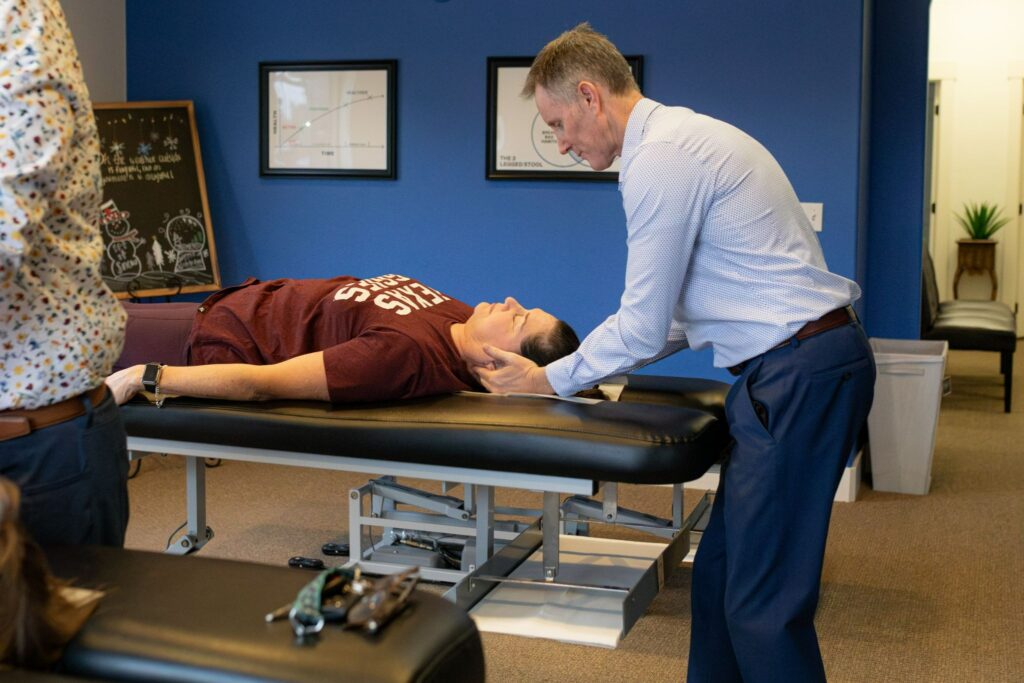

When it comes to managing back pain, you might find that a customized treatment plan offers more than just temporary relief. By focusing on your unique circumstances, these tailored strategies can address the root causes of your discomfort, leading to improved recovery times and enhanced engagement in your own healing process. This approach not only minimizes reliance on medications but also has the potential to transform your overall quality of life. As you consider these benefits, it's worth exploring how personalized treatments can make a significant difference in your journey toward long-term wellness.
Individualized Assessment
When tackling back pain, it's important to conduct an individualized assessment to pinpoint the root causes of your discomfort. Each person's experience with back pain is unique, shaped by various factors like lifestyle, medical history, and physical condition.
To get to the bottom of your pain, you'll need to take these aspects into account carefully. Start by reflecting on your daily activities. Do you spend long hours sitting, or do you engage in heavy lifting? These habits can contribute markedly to your back pain.
Next, think about any past injuries or surgeries you've had. They might provide significant clues about your current condition. Keep track of your pain's intensity, frequency, and specific locations, as this information is important for understanding your situation.
It's also a good idea to consult a healthcare professional who specializes in back pain. They'll typically perform a thorough physical examination, assess your posture, and might even recommend imaging tests if necessary.
These steps help paint a clear picture of your back health.
Targeted Treatment Strategies
After identifying the specific factors contributing to your back pain, it's time to explore targeted treatment strategies that can effectively address your unique situation.
Tailoring your approach guarantees you're not just treating the symptoms but also tackling the root causes of your discomfort. Here are three effective strategies to contemplate:
1. Physical Therapy: Engaging in a customized physical therapy program can help strengthen your back muscles and improve flexibility.
A trained therapist will design exercises specifically for your condition, guaranteeing you're building strength where you need it most, while also teaching you proper body mechanics to prevent further injury.
2. Medication Management: Depending on the severity of your pain, your healthcare provider might recommend specific medications.
These could range from over-the-counter anti-inflammatory drugs to prescription pain relievers. The goal is to find a medication regimen that minimizes pain while allowing you to engage in daily activities and other therapeutic interventions effectively.
3. Alternative Therapies: Exploring alternative treatments such as acupuncture, chiropractic adjustments, or massage therapy can provide additional relief.
These modalities can complement your primary treatment plan, addressing pain points and promoting relaxation and overall well-being.
Enhanced Patient Engagement
When you're actively engaged in your back pain treatment, you're more likely to see positive outcomes.
A personalized care approach encourages you to participate in your recovery, leading to better compliance with your treatment plan.
Personalized Care Approach
A truly effective back pain treatment plan hinges on a personalized care approach that enhances patient engagement.
When you're actively involved in your treatment, you're more likely to stick with the plan and achieve better results. By tailoring your care to your specific needs, you can feel more in control of your recovery journey.
Here are three key benefits of a personalized care approach:
- Tailored Solutions: You receive treatments that address your unique symptoms and lifestyle, rather than a one-size-fits-all approach. This customization can lead to more effective pain relief and improved functionality.
- Increased Understanding: When your treatment plan is personalized, you gain a deeper understanding of your condition and the rationale behind each recommendation. This knowledge empowers you to make informed decisions and fosters a stronger commitment to your care.
- Stronger Patient-Provider Relationship: A personalized approach encourages open communication with your healthcare provider. This partnership can enhance trust and make it easier for you to share concerns or changes in your condition.
Active Participation Encouraged
How can active participation transform your back pain treatment? When you take an active role in your own care, you're not just a passive recipient of treatment; you become an essential part of the healing process. Engaging with your healthcare provider allows you to voice your concerns, preferences, and experiences. This dialogue can lead to a more tailored treatment plan that truly fits your needs.
By actively participating, you gain a better understanding of your condition and the rationale behind each treatment option. This knowledge empowers you to make informed decisions and encourages you to adhere to your plan. You'll likely feel more motivated to follow through with exercises, lifestyle changes, or any other recommendations your provider suggests.
Additionally, your feedback helps your healthcare team adjust your treatment as needed. If something isn't working, you can discuss it openly and explore alternatives. This ongoing communication fosters trust and collaboration, making you feel more in control of your recovery journey.
Ultimately, your active involvement can lead to more effective pain management and a quicker return to daily activities. So, don't hesitate to engage—your participation is key to achieving the best possible outcomes.
Improved Compliance Rates
Engaging actively in your back pain treatment not only enhances your understanding but also greatly boosts compliance rates. When you're involved in a customized plan, you're more likely to stick with it, leading to better outcomes.
Here are three reasons why improved compliance rates matter:
- Personal Accountability: When you take part in your treatment decisions, you feel a sense of responsibility for your progress. This personal stake often translates into consistent adherence to prescribed therapies and exercises.
- Tailored Goals: Customized plans allow you to set realistic and achievable goals. When you see these goals aligned with your lifestyle and preferences, you're more motivated to follow through, rather than feeling overwhelmed by a one-size-fits-all approach.
- Open Communication: Engaging actively fosters better communication with your healthcare provider. This relationship encourages you to ask questions, voice concerns, and seek adjustments to your treatment, making it more effective and suited to your needs.
Improved Recovery Times
When it comes to back pain treatment, personalized plans can really speed up your recovery times. Customized treatment takes into account your specific condition, lifestyle, and preferences, allowing healthcare providers to target the underlying issues more effectively. Instead of using a one-size-fits-all approach, a tailored plan guarantees that you're receiving the right therapies and exercises suited to your unique needs.
You may find that personalized plans include a combination of physical therapy, medication, and lifestyle changes that work best for you. This targeted approach not only helps alleviate pain faster but also enhances your body's natural healing processes. For instance, if you're struggling with muscle imbalances, your treatment might focus on correcting those issues through focused exercises, which can lead to quicker improvements.
Additionally, a customized plan often incorporates regular check-ins with your healthcare provider, allowing for adjustments based on your progress. This ongoing assessment means you won't waste time on ineffective treatments. Instead, you'll continuously refine your approach to recovery, guaranteeing that you're always on the right track.
Long-Term Pain Management
Managing back pain over the long term requires a proactive and adaptable approach. It's vital to create a thorough pain management plan that evolves with your needs. The right strategy can help you maintain a higher quality of life, allowing you to engage in daily activities without being hindered by discomfort.
Here are three key elements to contemplate for effective long-term pain management:
- Regular Exercise: Staying active is vital. Incorporate low-impact activities like walking, swimming, or yoga into your routine. These exercises strengthen your core muscles, improve flexibility, and increase blood flow to the affected areas, all of which can alleviate pain over time.
- Mindfulness and Stress Management: Chronic pain often exacerbates stress, creating a vicious cycle. Practicing mindfulness techniques such as meditation, deep breathing, or progressive muscle relaxation can help you manage stress levels. When you're more relaxed, you're less likely to perceive pain as intensely.
- Continuous Evaluation and Adjustment: Your pain management plan shouldn't be static. Regularly assess your pain levels and how well your current strategies are working. Be open to adjusting your plan as needed. This might include trying new therapies, consulting with specialists, or modifying your exercise routine.
Cost-Effectiveness
While effective back pain treatment plans can seem costly, understanding their cost-effectiveness is essential in the long run. When you invest in a customized plan tailored to your specific needs, you're not just paying for immediate relief; you're also investing in your overall health. Customized treatments often lead to quicker recovery times and improved functionality, reducing the chances of future flare-ups.
Think about it: when you choose a one-size-fits-all approach, you might end up spending more on ineffective treatments or additional medications that don't address the root cause of your pain. Customized plans focus on addressing your unique symptoms and lifestyle, which can lead to fewer doctor visits and reduced reliance on pain medication. This saves you money in the long run.
Moreover, by preventing chronic pain through effective treatment, you can avoid costly interventions like surgeries or long-term therapy. You'll likely find that a well-structured plan minimizes time off work, which can greatly impact your financial stability.
In addition, many insurance companies recognize the value of customized treatment plans, often covering a larger portion of the costs compared to generic options. This means you could enjoy better financial support while receiving the specific care you need.
Ultimately, investing in a customized back pain treatment plan isn't just about immediate costs; it's about long-term savings, enhanced quality of life, and minimizing future health-related expenses.
Conclusion
To summarize, customized back pain treatment plans empower you to take control of your recovery. By focusing on your unique needs, these plans not only enhance your engagement but also lead to faster recovery times and long-term pain management. You'll find that personalized strategies can reduce your reliance on medications, ultimately saving you money. Embracing this tailored approach improves your overall quality of life, helping you stay active and healthy for the long haul.