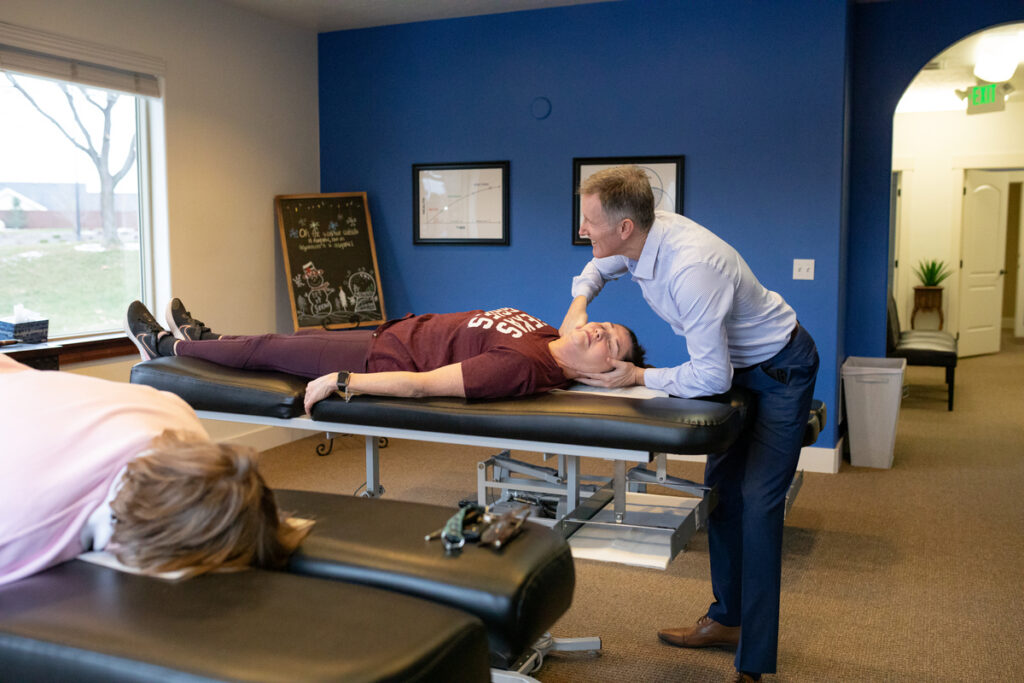

As a local chiropractor, I often see patients who are unaware that their posture could be contributing significantly to their back pain. It’s common to underestimate how our daily habits and routines affect our spinal health. Thankfully, there are several effective techniques I recommend to help correct your posture and relieve discomfort. By strengthening your core and making simple adjustments to your workspace, you can experience a noteworthy difference in how you feel. If you’re eager to learn more about how to enhance your posture and diminish pain, let’s dive into some of the best strategies together. Your journey to better health and well-being starts here!
Strengthening Core Muscles
As a local chiropractor, I want to emphasize the importance of strengthening your core muscles for your overall health and well-being. When you focus on your core, you’re not just supporting your spine; you’re also improving your posture and stability. A strong core acts as a stabilizing force for your body, which can significantly reduce the strain on your back during everyday activities.
Incorporating exercises such as planks, bridges, and bird-dogs into your daily routine can effectively target your abdominal muscles, obliques, and lower back. These exercises work together to create a balanced support system that’s crucial for maintaining a healthy spine.
I encourage you to aim for consistency. Even dedicating just a few minutes each day to these exercises can lead to noticeable improvements in your core strength. Additionally, remember to engage your core during other physical activities, whether you’re lifting weights or simply standing.
It’s vital to maintain proper form to prevent injury and to maximize the benefits of your efforts. As you strengthen your core, you’ll likely notice it becomes easier to sit upright, walk tall, and perform daily tasks with less discomfort.
Prioritizing core strength is an important step toward achieving better posture and enhancing your overall back health. If you have any questions or need guidance on how to safely incorporate these exercises into your routine, please don’t hesitate to reach out. Your journey to a healthier back starts with a strong core!
Ergonomic Workstation Setup
As a local chiropractor, I want to emphasize the importance of an ergonomic workstation setup for your comfort and overall health, especially if you find yourself spending long hours at a desk.
Making some simple adjustments can significantly enhance your productivity and well-being.
First and foremost, it’s crucial to adjust your chair to support your lower back. This means ensuring that your feet rest flat on the floor, your knees are at a 90-degree angle, and your thighs are parallel to the ground.
Proper chair alignment is essential for maintaining a healthy spine.
Next, focus on your monitor placement. Position it about an arm’s length away, with the top of the screen at or just below eye level.
This positioning helps minimize neck strain, which is a common issue I see in my practice.
When it comes to your keyboard and mouse, choose devices that allow your wrists to stay straight, and keep your elbows at a 90-degree angle.
This helps prevent repetitive strain injuries and promotes better posture.
I also recommend using a document holder to keep reference materials at eye level, reducing the need to bend your neck.
Finally, don’t forget to take regular breaks. Standing up, stretching, and walking around can significantly promote circulation and alleviate tension in your muscles and joints.
By optimizing your workspace, you can reduce the risk of back pain and improve your overall health.
Mindful Breathing Exercises
As a local chiropractor, I want to share how you can enhance your overall well-being through mindful breathing exercises, especially when it comes to improving your posture. Many people underestimate the power of these techniques, which not only promote relaxation but also foster a greater awareness of your body’s alignment.
Here are four effective mindful breathing exercises that I recommend:
- Diaphragmatic Breathing: This exercise is essential for improving your posture. Start by placing one hand on your chest and the other on your abdomen. Inhale deeply through your nose, allowing your abdomen to rise while keeping your chest as still as possible. Then, exhale slowly through your mouth. This technique helps engage your diaphragm, leading to better oxygen flow and relaxation.
- Box Breathing: This structured technique can help reduce tension and improve your focus. Inhale for a count of four, hold your breath for four counts, exhale for four counts, and then pause for another four counts before repeating. This rhythm can help calm your nervous system and create a sense of balance.
- 4-7-8 Technique: This breathing method is fantastic for stress relief. Inhale for four seconds, hold your breath for seven seconds, and then exhale slowly for eight seconds. This extended exhalation helps to release tension and can improve your overall sense of calm.
- Mindful Observation: While practicing any of these breathing techniques, pay attention to the sensations in your body. Notice how your posture shifts with each breath. This awareness can help you identify areas of tension and guide you towards better alignment.
Incorporating these mindful breathing exercises into your daily routine can significantly enhance your posture and reduce tension, promoting a healthier spine and overall well-being.
If you have any questions or need guidance on how to incorporate these practices into your life, feel free to reach out. Your journey to better health is just a breath away!
Regular Stretching Routines
As a local chiropractor, I want to emphasize the importance of incorporating a regular stretching routine into your daily life. This simple practice can greatly alleviate back pain and enhance your posture. Stretching maintains flexibility in your muscles and joints, helping to reduce the tension that often contributes to discomfort.
I recommend focusing on key areas such as your hamstrings, hip flexors, and back muscles. Start with gentle stretches like the cat-cow stretch or child’s pose, which are excellent for gradually increasing your mobility. It’s beneficial to hold each stretch for at least 20-30 seconds while breathing deeply to promote relaxation.
You don’t have to set aside a large chunk of time for stretching; even a few minutes spread throughout your day can have a positive impact. I encourage you to set reminders to stretch during your breaks or incorporate these stretches into your morning routine.
By prioritizing flexibility, you’re not only addressing back pain but also fostering better posture. This will enable you to move more freely and comfortably in your daily activities, ultimately supporting your overall well-being.
Utilizing Posture Correctors
As a local chiropractor, I often see patients struggling with the effects of poor posture, which can lead to various discomforts and long-term health issues. One effective tool I recommend for improving posture is a posture corrector. These devices serve as reminders to help you align your spine properly, ultimately reducing discomfort and fostering healthier habits.
Here’s how you can effectively use them:
- Select the Right Type: It’s important to choose a posture corrector that aligns with your everyday activities—be it a brace, shirt, or ergonomic support. Each option has its own benefits, so consider what fits best into your lifestyle.
- Wear it Gradually: When you start using a posture corrector, introduce it into your routine slowly. Begin with short periods to allow your body the time it needs to adjust to the new alignment. Gradually increasing the wear time can help prevent any discomfort as your body adapts.
- Incorporate Exercises: To maximize the benefits of your posture corrector, pair it with specific strengthening exercises for your back and core. This combination not only enhances the corrector’s effectiveness but also promotes overall spinal health.
- Pay Attention to Your Body: It’s crucial to listen to your body. If you experience any pain or discomfort while using the corrector, consider adjusting the fit or reducing the amount of time you wear it. Your comfort is essential for the success of this journey towards better posture.
By integrating these practices, you can effectively utilize posture correctors as part of a holistic approach to improving your spinal health and overall well-being.
If you have any questions or need personalized advice, feel free to reach out during your next visit!
Conclusion
As a local chiropractor dedicated to your health and well-being, I want to share five effective posture correction techniques that can significantly alleviate back pain and enhance your overall quality of life.
First, strengthening your core is essential; a strong core supports your spine and reduces strain on your back muscles. Next, setting up an ergonomic workstation is crucial, especially if you spend long hours sitting—this ensures your body is properly aligned while you work.
Don’t underestimate the power of mindful breathing; it helps you stay aware of your body’s posture and promotes relaxation, which can relieve tension in your back. Regular stretching is also vital; it increases flexibility and helps counteract the stiffness that can lead to discomfort. Lastly, consider using posture correctors as a temporary aid to help you maintain better alignment until good habits are established.
Always remember to listen to your body, and don’t hesitate to seek professional guidance if you’re unsure about your posture or experience persistent pain. By integrating these techniques into your daily routine, you can pave the way for a healthier, pain-free back. Let’s embark on this journey to better health together!