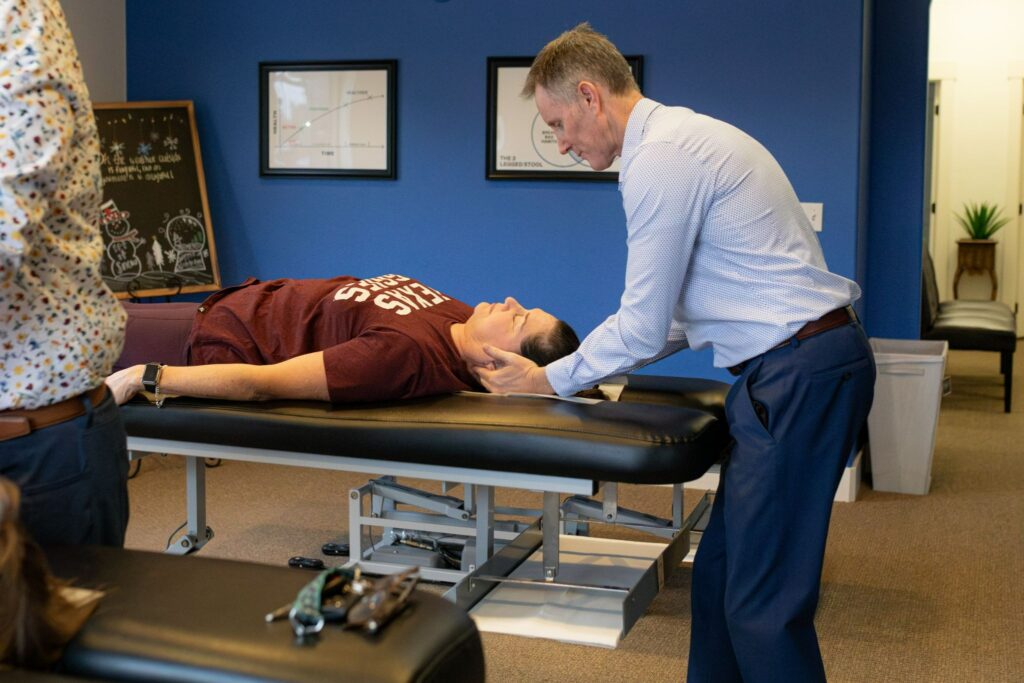

If you’re dealing with chronic tension headaches, you’re not alone — these persistent, band-like head pains affect many people and can really reduce your enjoyment of daily life. As a local chiropractor, I’ve helped many patients find lasting relief by addressing the musculoskeletal and lifestyle contributors to tension headaches. Below are natural, practical approaches that can help reduce frequency and intensity — with spinal care and simple self-care steps at the center.
Why chiropractic care helps
- Tension headaches often come from tight neck and shoulder muscles, poor posture, and joint dysfunction in the upper spine. Chiropractic adjustments, combined with soft-tissue work, aim to restore proper joint motion, relieve nerve irritation, and reduce muscle tension. Many patients notice fewer headaches, improved posture, and better range of motion after a course of care.
- Chiropractic is drug-free and noninvasive, making it a good first-line option for people seeking natural relief.
Practical, effective treatments and tips
- Chiropractic adjustments and spinal mobilization
- Regular gentle adjustments to the neck and upper back restore alignment and joint function, which can decrease the muscle tension that triggers headaches.
- Mobilization techniques and targeted approaches for the upper cervical spine are commonly used to reduce headache frequency and intensity.
- Soft-tissue therapy and trigger-point work
- Massage, myofascial release, and trigger-point release for tight neck, shoulder, and upper-back muscles can relieve the tight bands that refer pain into the head.
- Combining this work with adjustments improves outcomes and helps muscles relax more permanently.
- Posture correction and ergonomic changes
- Poor posture (forward head carriage, rounded shoulders) stresses the upper spine and muscles. Simple posture retraining and workspace adjustments (monitor at eye level, keyboard height, proper chair support) relieve that strain.
- Small changes you can do today: set hourly reminders to check your posture, keep shoulders relaxed, and align ears over shoulders.
- Home exercises and neck mobility routines
- Gentle stretching for the levator scapulae, upper trapezius, and suboccipital muscles helps reduce tightness. Strengthening the deep neck flexors and upper back muscles supports better posture.
- Try simple daily routines: chin tucks, doorway pec stretches, and scapular squeezes. I can show specific exercises tailored to your needs in the clinic.
- Stress management and relaxation techniques
- Emotional stress contributes to muscle tension and headache flare-ups. Deep breathing, progressive muscle relaxation, short walks, or guided relaxation apps can lower overall tension.
- Incorporating 5–10 minutes of breathing or stretching breaks into your day often makes a noticeable difference.
- Lifestyle and sleep habits
- Good sleep position and a supportive pillow reduce strain on the neck. Avoid sleeping on your stomach; side or back sleeping with proper neck support is preferred.
- Regular hydration, balanced meals, and scheduled movement breaks reduce headache triggers. Minimize prolonged screen time without breaks.
- Home self-care tools
- Heat and cold packs applied to tight neck muscles can provide quick relief — heat to relax muscles, cold for acute soreness.
- Simple tools like a foam roller, lacrosse ball for trigger-point work, or a posture reminder brace (used temporarily) can supplement hands-on care.
How to get started
- If headaches are frequent or getting worse, schedule a chiropractic evaluation. I’ll assess your spine, posture, and muscle tension, then create a natural, individualized plan that typically combines adjustments, soft-tissue work, targeted exercises, and ergonomic advice.
- Many people see steady improvements within a few weeks of care, and with ongoing self-care and posture habits, headaches can become much less frequent.
Remember: you don’t have to accept chronic headaches as part of life. With spinal-focused care, practical exercises, and simple lifestyle changes, you can reduce pain and get back to the activities you enjoy — naturally and without drugs or surgery. If you’d like, book a consultation and I’ll walk you through an assessment and a step-by-step plan tailored to your situation.
Key Takeaways
- Regular chiropractic adjustments can restore proper spinal alignment and reduce nerve irritation, easing muscle tension in the neck and upper back — a common root cause of chronic tension headaches. Gentle, targeted spinal care also improves joint mobility and helps your body heal naturally over time.
- Incorporate low-impact exercises like walking, swimming, or gentle yoga to boost circulation and support spinal health. These activities strengthen postural muscles, reduce stiffness, and complement chiropractic care by helping your spine maintain its proper alignment between visits.
- Make simple ergonomic changes at your workstation: raise your monitor to eye level, keep feet flat on the floor, use a supportive chair, and bring your keyboard and mouse close so your shoulders stay relaxed. Good posture reduces strain on neck and shoulder muscles and prolongs the benefits of spinal care.
- Practice relaxation techniques such as deep-breathing, progressive muscle relaxation, or short mindfulness breaks throughout the day to lower overall muscle tension and stress — both common headache triggers. Try a few minutes of focused breathing or gentle neck stretches when you feel tension building.
- Use noninvasive self-care strategies for short-term symptom relief: apply a warm compress to tight neck muscles, do gentle range-of-motion exercises, and get regular sleep with good pillow support. If headaches persist, schedule an evaluation with your chiropractor — together you can develop a personalized plan combining spinal adjustments, therapeutic exercises, postural coaching, and lifestyle tips to address the underlying causes naturally.
Lifestyle Modifications
As a local chiropractor, I see how small daily changes — combined with regular chiropractic care — can make a big difference in reducing chronic tension headaches. Here are practical, easy-to-follow lifestyle modifications that support natural healing, improve spinal health, and help prevent recurring head pain.
Posture and workstation setup
- Keep your spine in neutral alignment: sit with your hips slightly higher than your knees, feet flat on the floor, and shoulders relaxed.
- Position your monitor at eye level so you don’t jut your head forward — forward head posture increases tension in the neck and upper back.
- Use a supportive chair or a lumbar roll to maintain the natural curve in your lower back.
- Take micro-breaks every 20–30 minutes to stand, stretch, and reset your posture. Gentle neck and shoulder range-of-motion exercises help relieve built-up tension.
Hydration and nutrition
- Drink water regularly throughout the day. Dehydration frequently contributes to headache triggers and muscle tightness.
- Eat balanced meals on a consistent schedule. Low blood sugar can make headaches worse, so don’t skip meals — opt for whole foods with protein, healthy fats, and fiber to keep blood sugar steady.
- Limit excess caffeine and alcohol. Both can dehydrate you and disrupt sleep, which in turn can increase headache frequency.
Sleep hygiene
- Aim for consistent sleep and wake times to support restorative sleep.
- Create a spine-friendly sleep set-up: a medium-firm mattress and a pillow that keeps your neck aligned with your spine. Side and back sleeping are often easiest to keep the neck neutral.
- If you wake with neck pain or headache, bring it up at your next chiropractic visit — small adjustments to your pillow or sleep posture can help.
Movement and self-care
- Regular low-impact exercise (walking, swimming, yoga) improves circulation, reduces muscle tension, and supports spinal health.
- Incorporate gentle neck and upper back stretches and simple strengthening exercises recommended by your chiropractor to improve endurance and reduce strain.
- Use heat or cold packs as needed to relieve tight muscles — heat for chronic tightness, cold for recent flare-ups.
Stress management
- Practice relaxation techniques: deep breathing, progressive muscle relaxation, or brief guided stretches during the day can lower muscle tension that leads to headaches.
- Schedule short mental breaks during busy days to prevent built-up stress and neck clenching.
Why chiropractic care helps
- Chiropractic care focuses on restoring proper spinal alignment and joint motion, which reduces nerve irritation and muscle tension that commonly cause tension headaches.
- Regular spinal adjustments, combined with targeted soft-tissue work and personalized posture and exercise plans, address the root mechanical causes of headaches rather than just covering symptoms.
- Your chiropractor can assess your posture, ergonomics, sleep setup, and movement patterns, then give hands-on treatment plus simple at-home exercises and habit changes to prevent recurrence.
Takeaway tips you can use now
- Set a recurring timer to move every 20–30 minutes.
- Keep a water bottle at your desk and sip frequently.
- Check your monitor height and pillow support — small changes can yield big results.
- Practice a 2-minute neck stretch routine morning and evening.
- Book a chiropractic evaluation if headaches persist — we can create a natural, non-invasive plan to reduce pain and improve your overall spinal health.
By combining these daily habits with ongoing chiropractic care, many people experience fewer and less intense tension headaches and a greater sense of well-being — naturally and without reliance on invasive treatments.
If you’d like, I can suggest a short, personalized at-home routine or arrange an evaluation to identify the best plan for you.
Stress Management Techniques
As a local chiropractor, I often see patients whose chronic tension headaches are driven by stress, poor posture, and tension in the neck and upper back. Managing stress is an important part of long-term headache relief, and when combined with regular chiropractic care to restore proper spinal alignment and reduce nerve irritation, many people find lasting improvement without relying on medications or invasive procedures.
Here are simple, effective stress-management tools that pair well with chiropractic treatment:
- Mindfulness meditation: Just 5–10 minutes a day of focused breathing and paying attention to the present moment can lower muscle tension and calm the nervous system. Try sitting comfortably, breathing slowly, and noticing sensations without judgment.
- Deep breathing exercises: Diaphragmatic breathing (slow, deep breaths into the belly) reduces the body’s stress response and helps relax tight neck and shoulder muscles. A useful routine is inhale for 4 seconds, hold 1–2 seconds, exhale for 6–8 seconds, repeat for a few minutes.
- Progressive muscle relaxation: Tense, then relax, each muscle group from your toes up to your head. This teaches you how tension feels and how to release it, which can decrease the frequency and intensity of tension headaches.
- Posture awareness and micro-breaks: Many headaches start with forward head posture from long hours at a desk or phone. Set a timer to take brief breaks every 30–45 minutes to stand, roll your shoulders, and stretch your neck. Small posture adjustments throughout the day add up.
- Gentle at-home stretches: Simple neck stretches (chin tucks, side bends) and shoulder rolls can ease tightness. I can show you specific, safe stretches tailored to your needs during an appointment.
- Sleep and hydration: Poor sleep and dehydration increase headache risk. Aim for consistent sleep patterns and drink water throughout the day to keep tissues hydrated and muscles less prone to cramping.
- Routine and self-care: Regular exercise, hobbies you enjoy, and limiting caffeine or screen time before bed help reduce overall stress load.
How chiropractic fits in: Chiropractic care complements these techniques by addressing spinal alignment, improving joint mobility, and reducing muscle tension around the neck and upper back—common sources of tension headaches. Through gentle spinal adjustments, soft-tissue work, and personalized posture and exercise recommendations, we help remove the physical triggers that contribute to headaches and teach you long-term strategies to prevent them.
Tips to take away:
- Practice a 5-minute breathing or mindfulness routine daily.
- Break up long sitting periods with quick posture checks and stretches.
- Stay hydrated and keep a regular sleep schedule.
- Book a chiropractic evaluation if headaches persist—together we can build a natural, drug-free plan to reduce headaches and improve overall well-being.
If you’d like, I can provide a quick set of stretches and a breathing practice you can try at home, or schedule an assessment to determine whether spinal alignment is contributing to your headaches.
Mindfulness Meditation Practices
Mindfulness meditation is a simple, natural tool that can help people who suffer from chronic tension headaches — and it pairs especially well with regular chiropractic care for long-term relief.
As a local chiropractor, I’ve seen patients get better results when they combine gentle spinal care with stress-reduction strategies like mindfulness. Together, these approaches address both the mechanical sources of pain (neck and upper back tension, joint restrictions, poor posture) and the stress-related muscle tightness that often makes headaches worse.
What mindfulness can do for tension headaches
- Lowers stress and reduces the muscle tension around the neck and shoulders that commonly triggers headaches.
- Increases body awareness so you can spot early signs of tension and take action before a headache ramps up.
- Helps with emotional regulation, reducing the stress cycle that can make headaches more frequent and intense.
How to practice a simple mindfulness routine (quick, easy, and effective)
- Find a quiet, comfortable spot. Sit in a chair with good back support or lie down on a firm surface.
- Take 3–5 slow, deep breaths to start. Breathe in through the nose, out through the mouth, letting your shoulders drop.
- Close your eyes if comfortable. Scan your body from head to toe, noticing areas that feel tight or sore.
- When you find tension (commonly the base of the skull, neck, shoulders), breathe into that spot and consciously soften those muscles on the exhale.
- If your mind wanders, gently bring your attention back to your breath and your body — no judgment.
- Practice 5–15 minutes daily. Short, consistent sessions are more helpful than occasional long ones.
Practical tips you can use right away
- Set a daily reminder on your phone for a 5-minute mindfulness break, especially mid-day when posture and stress build up.
- Pair mindfulness with light neck stretches or gentle shoulder rolls to release tight muscles.
- Improve your workstation ergonomics: keep the top of your monitor at eye level, sit with lumbar support, and take brief movement breaks every 30–60 minutes.
- Use heat (a warm towel or heating pad) on the upper back and neck for 10–15 minutes after your mindfulness session to help relax muscles.
- Track headache triggers in a simple journal (sleep, posture, stress, screen time) so you and your chiropractor can address patterns together.
Why combine mindfulness with chiropractic care
Chiropractic adjustments and targeted soft-tissue work help restore proper alignment and joint motion in the spine and neck, which reduces mechanical sources of headache.
Mindfulness reduces the stress and muscle guarding that compound that mechanical irritation. Working together, these approaches promote natural healing, reduce the need for frequent interventions, and help you regain better function and quality of life — without relying on pills or procedures.
If you struggle with recurring tension headaches, consider scheduling an evaluation. A chiropractor can assess posture and spinal function, teach you simple at-home stretches and ergonomic fixes, and design a care plan that combines hands-on care with mindfulness and lifestyle strategies to reduce headaches and improve overall wellness.
Deep Breathing Exercises
As a local chiropractor, I encourage combining mindfulness and breathing practices with regular chiropractic care to support natural healing, reduce stress, and manage chronic tension headaches.
Deep breathing exercises are a simple, drug-free way to calm your nervous system, relieve muscle tension in the neck and shoulders, and complement spinal adjustments that restore proper alignment and nerve function.
Why it helps: When you breathe deeply, you stimulate the parasympathetic nervous system — the “rest-and-digest” response — which reduces muscle tightness and lowers stress hormones that can contribute to tension headaches.
Paired with gentle chiropractic care to correct misalignments and ease pressure on the nerves and soft tissues, deep breathing becomes an easy, effective tool you can use every day.
How to do it
- Find a quiet, comfortable spot. Sit in a supportive chair or lie down on your back with a pillow under your knees if needed.
- Inhale slowly through your nose for a count of four, feeling your belly rise rather than your chest.
- Hold the breath gently for a count of four.
- Exhale slowly through your mouth for a count of six, letting your shoulders and jaw relax.
Practice this for 3–5 minutes, once or twice a day, or whenever you feel the start of a headache or neck tension.
Tips and tricks you can use at home
- Pair breathing with posture checks: sit upright with your shoulders back and head centered over your spine to reduce strain on neck muscles.
- Try a short breathing break every hour if you work at a desk — set a reminder on your phone.
- Use gentle neck stretches after a breathing session: drop your ear toward each shoulder, holding 15–20 seconds, to release tight muscles.
- Sleep support: use a pillow that keeps your head aligned with your spine to prevent morning headaches.
- Hydration and movement: drink water and take brief walks during the day to improve circulation and reduce stiffness.
When to see your chiropractor
If your tension headaches are frequent or interfere with daily life, an evaluation at my clinic can determine whether spinal misalignments or muscle imbalances are contributing.
Chiropractic adjustments, soft-tissue work, and individualized exercise and posture advice can work together with deep-breathing techniques to provide lasting relief without relying on medications or invasive procedures.
If you’d like, I can show you a tailored breathing routine and simple spinal exercises during your next visit to help manage headaches and support healthier living.
Progressive Muscle Relaxation
Progressive Muscle Relaxation (PMR) is a simple, drug-free technique that pairs well with chiropractic care to relieve tension, reduce stress, and support better posture and spinal health.
By deliberately tensing and then relaxing groups of muscles, PMR helps you find and release areas of tightness that can pull on the spine and contribute to headaches and neck or back pain.
How to do PMR (easy steps)
- Find a quiet, comfortable place where you won’t be disturbed. You can do this sitting in a supportive chair or lying on your back.
- Start at your feet. Squeeze the muscles in your feet and toes for about 5 seconds, then let go and notice the difference for 10–15 seconds.
- Move upward through your body: calves, thighs, hips, lower back, abdomen, chest, hands, forearms, upper arms, shoulders, neck, and finally your face and scalp. Tense each group briefly, then fully relax and pay attention to how the muscles soften.
- Breathe slowly and evenly throughout. Inhale while preparing to tense and exhale as you release each group.
- Spend 10–20 minutes on a full session. With practice you can shorten it to 5–10 minutes for a quick reset.
Why this helps
- Muscle tension pulls on your spine and joints. Releasing tight muscles can reduce the mechanical stress that contributes to tension headaches and neck pain.
- PMR increases body awareness so you can spot habitual tightness and posture problems that benefit from chiropractic adjustments and corrective exercises.
- It promotes calm and better sleep, which are essential for tissue repair and long-term spinal health.
Tips from the chiropractor
- Combine PMR with regular chiropractic visits. Adjustments can address spinal misalignments while PMR helps the muscles stay relaxed and supportive between visits.
- Use supportive posture: when sitting, keep feet flat, hips slightly higher than knees, and maintain the natural curve of your lower back. PMR will be more effective when your spine is in a neutral, relaxed position.
- Do short PMR sessions during the day if you notice tension building—especially after long periods of sitting, computer work, or phone use.
- Pair PMR with gentle stretches and low-impact movement (like walking or light yoga) to improve flexibility and reduce recurrence of tightness.
- Make PMR part of your bedtime routine to improve sleep quality, which aids recovery and reduces headache frequency.
When to seek care
– If headaches, neck, or back pain are frequent, getting worse, or limit your daily activities, a chiropractic evaluation can identify spinal or joint issues and create a natural, individualized care plan.
Chiropractic care combined with self-care practices like PMR often provides effective, long-lasting relief without drugs or surgery.
PMR is an easy, noninvasive tool you can use every day to reduce tension, support spinal health, and get more benefit from your chiropractic care.
If you’d like, I can walk you through a full PMR session at your next appointment and show you stretches and posture adjustments tailored to your needs.
Physical Therapy
As a local chiropractor, I see many people who suffer from chronic tension headaches — and I’ve found that chiropractic care is one of the best natural ways to relieve them and support long-term wellness.
While tight muscles in the neck and shoulders often trigger these headaches, misalignment or restricted movement in the spine and upper neck can also play a major role. Chiropractic care focuses on restoring proper spinal alignment and improving joint function, which reduces nerve irritation and muscle tension that lead to headaches.
What chiropractic care offers
- Spinal adjustments: Gentle, targeted adjustments to the upper neck and upper back help restore proper alignment and movement. This eases pressure on nerves, reduces muscle guarding, and can lead to faster, longer-lasting headache relief.
- Hands-on soft-tissue work: Therapists use soft-tissue techniques and therapeutic massage to release tight neck and shoulder muscles, improving circulation and reducing pain.
- Movement and posture training: We teach simple exercises and stretches to strengthen the muscles that support your head and neck and to retrain posture, helping prevent future flare-ups.
- Ergonomic and lifestyle advice: Small changes at your workstation and daily habits can make a big difference — I’ll show you how to set up your desk, adjust your chair and monitor height, and modify phone and tablet use to protect your neck.
Takeaway tips you can use right away
- Chin tucks: Gently draw your chin back (like making a double chin) and hold 5–10 seconds. Repeat 8–10 times several times a day to help align the head over the shoulders.
- Neck stretches: Tilt your ear toward each shoulder and hold 20–30 seconds to release tight side neck muscles. Do this 2–3 times per side.
- Shoulder rolls: Roll your shoulders backward and forward 10 times to loosen upper traps and improve circulation.
- Desk ergonomics: Raise your screen so the top is at eye level, sit back in your chair with lumbar support, and keep knees level with hips. Take a 2–3 minute break each hour to stand, move, and stretch.
- Hydration and movement: Drink water throughout the day and avoid long periods of static posture — frequent movement decreases tension and improves circulation.
What to expect from chiropractic care
A visit begins with a focused assessment to determine the spinal areas and muscles contributing to your headaches.
Treatment plans usually combine gentle spinal adjustments, soft-tissue work, and home exercises tailored to your needs. Many patients notice reduced headache frequency and intensity within a few visits, and ongoing care helps maintain spinal health and prevent recurrence.
If headaches are interfering with your daily life, consider scheduling a chiropractic evaluation. We focus on natural, hands-on care to address the root causes, restore proper function, and help you get back to feeling your best without relying on drugs or invasive procedures.
Medication Options
When you’re dealing with chronic tension headaches, it helps to understand options that support lasting relief — and as a chiropractor I focus on natural, non-drug approaches that address the root causes.
Tension headaches often come from tight neck and upper back muscles, poor posture, or restricted joint movement in the spine. Chiropractic care aims to restore proper spinal alignment and mobility, reduce muscle tension, and improve nerve function so headaches become less frequent and less severe.
How chiropractic care can help
- Spinal adjustments: Gentle realignment of the neck and upper back can relieve pressure on joints and nerves that contribute to tension headaches.
- Soft-tissue work: Techniques like myofascial release and trigger-point therapy loosen tight muscles that pull on the head and neck.
- Postural correction: We assess posture and show you simple exercises and stretches that retrain muscles to hold your head and shoulders in a healthier position.
- Lifestyle review: We look at workstation setup, sleep position, and daily habits that strain the neck, then help you change them.
- Exercise and rehab: A tailored program of strengthening and mobility exercises helps prevent recurrence by building lasting support around the spine.
Simple tips you can use at home
- Improve your workstation: Keep your screen at eye level, feet flat on the floor, and avoid leaning forward for long periods.
- Take micro-breaks: Every 30–45 minutes, stand, roll your shoulders, and do a gentle neck stretch to break up tension.
- Sleep well: Use a supportive pillow that keeps your neck aligned with your spine; avoid sleeping on your stomach.
- Use heat and gentle massage: A warm pack and self-massage along the base of the skull and upper traps can ease tightness.
- Practice stress-relief techniques: Deep breathing, progressive muscle relaxation, and short walks reduce overall muscle tension that triggers headaches.
- Stay hydrated and move regularly: Dehydration and prolonged stillness make headaches more likely — drink water and aim for light movement throughout the day.
When to seek care
If headaches are frequent, getting worse, or limiting your daily life, schedule an evaluation. A chiropractor will perform a gentle, thorough assessment to identify contributing spinal and muscular issues and create a personalized care plan.
We emphasize natural, conservative care to reduce pain and improve function without relying on long-term medications.
If you’d like, I can outline a simple at-home stretching routine and posture checklist you can start today, or book an appointment to get a hands-on assessment and individualized treatment plan.
Over-the-Counter Medications
If you suffer from chronic tension headaches, you have options to help manage pain and support long-term wellness. Over-the-counter (OTC) medicines like ibuprofen, acetaminophen, and aspirin can provide short-term relief by easing pain and reducing inflammation, and they’re readily available at pharmacies and grocery stores. If you do use them, follow the package directions and avoid taking them frequently for long periods without checking with a healthcare professional to reduce risk of side effects.
As a local chiropractor, I also want to share natural, non-drug approaches that often help reduce the frequency and intensity of tension headaches by addressing the spine, posture, and lifestyle factors that contribute to muscle tension and nerve irritation:
- Consider chiropractic care: Gentle spinal adjustments and mobilization can improve alignment, reduce muscle tension in the neck and upper back, and restore better joint motion. Many patients notice fewer headaches after a course of care that addresses spinal mechanics and posture.
- Improve posture: Poor posture, especially when sitting at a desk, strains the neck and upper back. Set up your workstation so your screen is at eye level, sit with hips back in the chair, and take regular breaks to stand and stretch.
- Stretch and strengthen: Daily neck and shoulder stretches plus targeted exercises for upper back strength can relieve tight muscles and improve support for your head and neck.
- Hydrate and rest: Dehydration and poor sleep are common headache triggers. Aim for consistent sleep hours and steady fluid intake throughout the day.
- Manage stress: Tension headaches are often tied to stress. Simple practices — deep breathing, short walks, progressive muscle relaxation, or brief mindfulness sessions — can lower muscle tension and reduce headache frequency.
- Heat and self-massage: Applying a warm compress to the base of the skull or massaging tight neck and shoulder muscles can release knots and ease pain.
- Ergonomic adjustments: Use a supportive chair, consider a lumbar roll, and position your phone and keyboard so you don’t crane your neck. For phone calls, use a headset instead of cradling the phone between ear and shoulder.
- Track triggers: Keep a brief headache diary to spot patterns — foods, activities, posture, sleep, or stressors — so you can make practical changes.
OTC pain relievers can help in the short term, but combining them with natural measures and spinal care often gives better, longer-lasting results. If your headaches persist, change in pattern, or are severe, it’s important to seek a professional evaluation.
As your local chiropractor, I focus on natural, hands-on care and lifestyle strategies to reduce pain and improve overall wellness — helping you move, work, and live with less discomfort. If you’d like, I can assess your posture and spine and recommend a personalized plan to address the likely causes of your tension headaches.
Prescription Pain Relievers
While over-the-counter meds can sometimes ease chronic tension headaches for a short time, many people find longer-lasting relief by addressing the root causes of their pain — especially problems in the neck, spine, and posture.
As a local chiropractor, I focus on natural, drug-free approaches that help your body heal and function better so headaches occur less often and are less severe.
What I offer and recommend:
- Gentle spinal adjustments and mobilization to improve alignment, reduce nerve irritation, and relieve muscle tension in the neck and upper back.
- Soft-tissue work and myofascial release to ease tight muscles that commonly trigger tension headaches.
- Posture correction and ergonomic advice for workstations, phones, and driving to remove common daily stressors on the spine.
- Targeted stretching and strengthening exercises you can do at home to support spinal stability and reduce recurrence.
- Lifestyle guidance on sleep habits, hydration, stress management, and movement breaks — key contributors to fewer headaches.
- Education on body mechanics and self-care strategies so you can prevent flare-ups and maintain progress.
Practical tips you can use today:
- Take frequent short breaks from screens: stand, stretch your neck and shoulders for 30–60 seconds every 30–45 minutes.
- Check your workstation: monitor at eye level, sit with a neutral spine, and keep feet flat on the floor.
- Use gentle neck stretches: tilt your ear toward each shoulder and hold 20–30 seconds; repeat 2–3 times per side.
- Strengthen your upper back: simple rows with resistance bands (2–3 sets of 10–15 reps) help counteract forward head posture.
- Prioritize sleep posture: use a supportive pillow that keeps your neck in a neutral position.
- Manage stress with breathing exercises or short walks—tension and anxiety often make headaches worse.
- Stay hydrated: dehydration is a common, overlooked trigger.
When to get professional help:
If headaches are frequent, worsening, or limiting your daily activities, schedule a thorough assessment.
A chiropractic visit includes a physical exam, movement testing, and a personalized plan that may combine adjustments, soft-tissue care, exercise, and lifestyle coaching.
Regular follow-ups let’s track progress and adapt your care so you regain comfort and function without relying on medications.
Chiropractic care emphasizes natural, conservative methods to reduce headache frequency and improve overall wellbeing.
If you’d like, I can help set up an evaluation and design a simple, at-home routine to start easing your tension headaches naturally.
Acupuncture
As your local chiropractor, I want to share how acupuncture can be a helpful complement to chiropractic care for people who suffer from chronic tension headaches. Both acupuncture and chiropractic focus on natural, non-drug approaches to healing and aim to restore the body’s balanced function. When used together, they often provide better, longer-lasting relief than relying on temporary fixes.
How acupuncture helps
- Targets specific points to reduce muscle tightness and calm the nervous system.
- Stimulates the body’s natural pain-relief responses, which can lower headache intensity and frequency.
- Works well alongside spinal adjustments and soft-tissue work to address the root causes of tension headaches rather than just masking symptoms.
Why chiropractic care is central
- Many tension headaches come from neck and upper back dysfunction—tight muscles, joint restrictions, or poor posture.
- Chiropractic spinal adjustments restore normal joint movement, reduce nerve irritation, and help muscles relax, often improving headaches at their source.
- Combining spinal care with acupuncture and soft-tissue therapies (like massage, trigger-point release, or stretching) supports better, longer-term outcomes.
Quick comparison: acupuncture + chiropractic vs. symptomatic approaches
- Approach: Restorative and whole-body vs. only treating symptoms
- Focus: Fix underlying joint and muscle issues, improve nerve function vs. temporary relief
- Frequency: Regular care plans individualized to you (adjustments plus acupuncture as needed) vs. occasional use of short-term measures
- Side effects: Minimal when performed by licensed professionals vs. potential for reliance on temporary fixes
Practical tips you can use at home
- Improve posture: Keep screens at eye level, sit with a supported lower back, and take short posture breaks every 30–45 minutes.
- Stretch and strengthen: Gentle neck stretches, shoulder blade squeezes, and upper-back mobility exercises help reduce tension buildup.
- Hydrate and sleep: Dehydration and poor sleep can worsen headaches—drink enough water and aim for consistent sleep routines.
- Heat and self-massage: Apply a warm pack to tight neck muscles and use your fingers or a massage ball to ease trigger points in the shoulders and upper back.
- Track triggers: Keep a simple headache diary to spot patterns tied to posture, stress, food, or activities.
If you suffer from frequent tension headaches, schedule a consultation at our chiropractic clinic. We’ll assess your spine and soft tissues, create a personalized plan that may include spinal adjustments, targeted soft-tissue work, posture and exercise coaching, and, when appropriate, referrals to a licensed acupuncturist to complement your care.
Our goal is to help you achieve natural, lasting relief and better overall health.
Massage Therapy
As a local chiropractor, I often see patients with chronic tension headaches and want to share a natural, effective approach that centers on spinal health and whole-body wellness.
Massage therapy can be a helpful part of a care plan, especially when combined with chiropractic care to address the underlying spinal and muscular imbalances that commonly cause head and neck pain.
How massage helps
- Massage targets tight muscles in the neck, shoulders, and scalp, helping to release tension and improve blood flow. This reduces the tightness that often triggers tension headaches.
- You’ll usually notice less muscle stiffness and a greater sense of relaxation after a session — both important for managing headache symptoms.
- Techniques like trigger-point therapy and deep tissue work can loosen the specific “knots” that refer pain into the head.
Why chiropractic care makes a difference
- Tension headaches often start with misalignment or restricted motion in the upper spine and neck. Chiropractic adjustments restore proper joint motion and nerve function, addressing the root mechanical causes of headaches rather than only treating symptoms.
- When adjustments are combined with therapeutic massage, the muscles relax more easily and the spine holds its improved position longer. This teamwork often results in fewer headaches and better long-term outcomes.
- Chiropractic care also looks at posture, movement patterns, and ergonomics — correcting these reduces the chance that tight muscles and headaches will return.
Simple, practical tips you can start today
- Improve posture: Keep your head aligned over your shoulders. Avoid jutting your chin forward when using phones or computers.
- Take regular breaks: If you sit a lot, stand, stretch, and gently roll your shoulders every 30–45 minutes.
- Gentle neck stretches: Slowly tilt your ear to shoulder, hold 15–30 seconds each side; rotate your head gently to keep neck muscles flexible.
- Hydrate and breathe: Dehydration and shallow breathing can increase muscle tension. Drink water and try diaphragmatic (deep) breaths when you feel stressed.
- Sleep support: Use a pillow that supports the natural curve of your neck; side or back sleeping often helps reduce neck strain.
- Combine care: Consider regular chiropractic check-ups with periodic therapeutic massage to keep both the spine and surrounding muscles functioning well.
If tension headaches are frequent or getting worse, schedule a consultation. A chiropractor can evaluate your spine, recommend a personalized plan of adjustments, soft-tissue work, posture and movement advice, and simple home strategies to reduce headaches naturally and improve your overall quality of life.
Alternative Therapies
Exploring natural approaches can give you extra ways to manage chronic tension headaches and support overall wellness. As a chiropractor, I focus on gentle, non-invasive methods that address the spine, nervous system, posture and daily habits—because tension headaches are often linked to neck strain, poor posture and stress.
Hands-on care and spinal health
- Chiropractic adjustments help restore proper alignment and mobility in the neck and upper back, which can reduce nerve irritation and muscle tension that contribute to headaches.
- Mobilization, soft-tissue work and gentle stretching around the cervical spine and shoulders can relieve tight muscles and improve range of motion.
- Many patients report fewer and less intense tension headaches after a course of care that combines adjustments with targeted soft-tissue treatments.
Posture and ergonomic tips you can use today
- Keep screens at eye level to avoid forward head posture; imagine a string pulling the top of your head toward the ceiling.
- When sitting, support the lower back and keep hips slightly higher than knees if possible.
- Take short movement breaks every 30–45 minutes: stand, stretch the chest and neck, shrug the shoulders, and gently rotate the head.
Self-care tools and natural therapies that complement chiropractic care
- Gentle neck stretches and strengthening exercises (chin tucks, scapular squeezes) can reduce strain and help prevent recurrence.
- Heat or cold packs applied to tight neck and shoulder muscles can provide quick relief—use heat to relax muscles and cold to reduce acute discomfort.
- Mindfulness, deep-breathing exercises and simple yoga poses help lower stress and muscle tension; even 5–10 minutes daily can make a difference.
- Aromatherapy with peppermint or lavender may offer soothing effects for some people when used alongside physical care.
- Some people explore herbal supplements like butterbur or feverfew; always check with your chiropractor so we can coordinate care and make sure there are no interactions with your overall plan.
Lifestyle habits for long-term benefits
- Hydration, regular sleep, and balanced meals support muscle function and recovery.
- Regular low-impact exercise (walking, swimming) improves circulation and reduces stiffness.
- Manage work-related strain by setting up an ergonomic workspace and using supportive seating.
Takeaway tips
- If headaches feel related to neck tightness or posture, start with posture fixes, regular movement breaks, and gentle neck exercises.
- Combine spinal care (adjustments and soft-tissue work) with at-home stretches, ergonomics, and stress reduction for best results.
- Track headache patterns (triggers, timing, activities) so you and your chiropractor can tailor a care plan that reduces frequency and intensity.
If tension headaches are a regular problem, schedule a consultation. I can assess your spine and posture, show you specific stretches and exercises, and design a natural, personalized care plan to reduce headaches and improve your daily comfort—without surgery or long-term medications.
Conclusion
As a local chiropractor, I’ve seen how chronic tension headaches can wear people down — but there are effective, natural ways to get relief and restore a better quality of life. Here are seven practical treatments and tips that work together to reduce headache frequency and intensity, with a focus on spinal health and natural care.
- Chiropractic spinal care
- Regular chiropractic adjustments help restore proper alignment and reduce tension in the neck and upper back, which are common sources of tension headaches.
- Mobilizing the spine and improving joint function can relieve pressure on sensitive nerves and decrease muscle tightness.
- Ask your chiropractor about a personalized treatment plan that may include adjustments, gentle joint mobilization, and posture coaching.
- Posture and ergonomics
- Poor posture, especially from long hours at a desk or looking down at a phone, strains neck muscles and contributes to headaches.
- Simple changes — raise your monitor to eye level, sit with both feet flat on the floor, and keep your shoulders relaxed — can make a big difference.
- Your chiropractor can teach you posture-friendly setups and exercises to reinforce good habits.
- Targeted therapeutic exercises and stretches
- Specific neck and upper back stretches reduce muscle tightness and improve mobility. Simple daily routines (neck tilts, chin tucks, shoulder rolls) help prevent tension buildup.
- Strengthening the deep neck and shoulder blade muscles improves posture and reduces the chances of headaches returning.
- Your chiropractor can prescribe a short, easy-to-follow exercise program tailored to your needs.
- Soft-tissue therapy and massage
- Therapeutic massage, myofascial release, and trigger-point work loosen tight muscles in the neck, shoulders, and upper back — common contributors to tension headaches.
- Regular soft-tissue care complements spinal adjustments and helps maintain long-term relief.
- Stress management and relaxation techniques
- Stress tightens muscles and worsens tension headaches. Simple mindfulness, deep-breathing exercises, progressive muscle relaxation, or short guided meditations can lower stress and reduce headache frequency.
- Incorporate a few minutes each day, especially during high-stress periods.
- Lifestyle and self-care habits
- Good sleep, regular movement, balanced hydration, and a consistent daily routine support overall spinal health and reduce headaches.
- Take regular breaks from screens, stay hydrated, and aim for gentle daily activity (walking, stretching) to keep muscles from stiffening.
- Natural adjuncts and home care
- Apply a warm compress to tight neck or shoulder muscles to increase blood flow before doing stretches; use ice briefly for acute, intense tightness.
- Gentle self-massage or using a foam roller or massage ball on the upper back can help release knots between sessions.
- Over-the-counter pain relievers and invasive procedures are not part of my practice focus — I encourage noninvasive, natural strategies and regular chiropractic care as safer long-term options.
Takeaway tips
- Schedule a consultation with a chiropractor to assess your spine and build a personalized care plan.
- Combine spinal adjustments, soft-tissue work, posture correction, and a short daily exercise routine for the best results.
- Consistency is key: small daily habits (posture breaks, stretches, stress relief) add up to big improvements.
If chronic tension headaches are limiting your life, chiropractic care offers a natural, noninvasive path to lasting relief. Book an assessment to find out how a tailored chiropractic approach can help you get back to feeling like yourself.