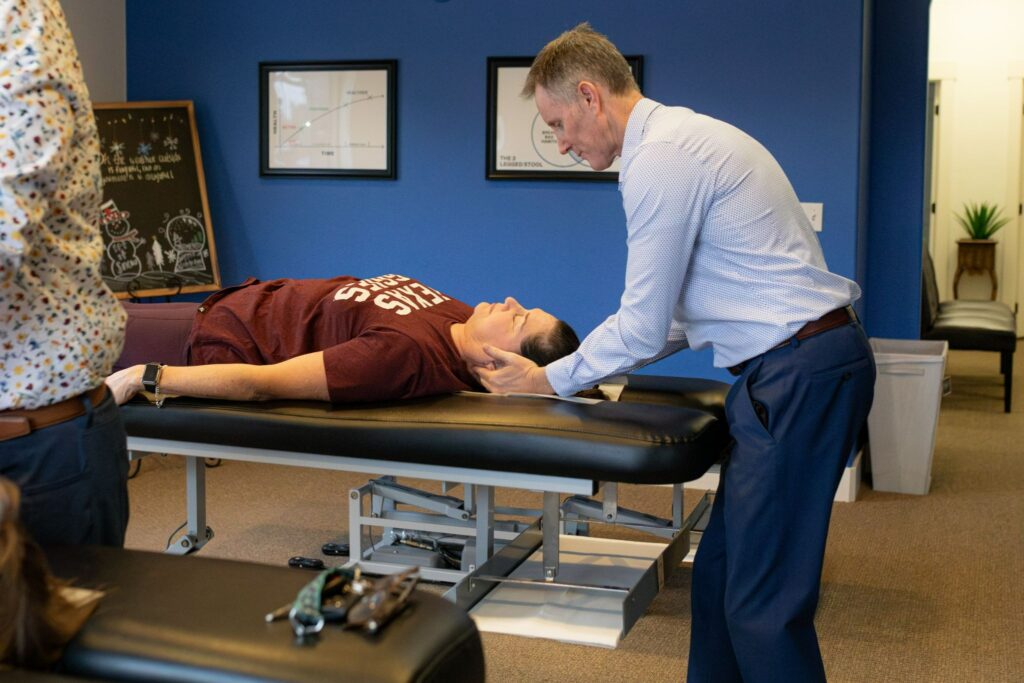

If you’re experiencing migraines, you might be amazed at how chiropractic care can be a game-changer for you. By focusing on spinal manipulation and nutritional guidance, chiropractic treatments target the underlying causes of your pain, rather than just masking the symptoms. Each approach provides distinct advantages that can transform the way you cope with migraines. Let’s delve into these five effective strategies and discover how they can enhance your well-being.
- Spinal Adjustments: One of the primary treatments in chiropractic care is spinal manipulation. By realigning the spine, we can reduce nerve irritation and tension in your body, which may significantly decrease the frequency and intensity of migraines.
- Nutritional Counseling: What you eat can play a crucial role in managing migraines. A chiropractor can offer tailored dietary advice to help you identify potential food triggers and promote a balanced, anti-inflammatory diet that supports overall health.
- Stress Management Techniques: Stress is a common trigger for migraines. Chiropractic care often includes teaching relaxation techniques and exercises that can help you manage stress effectively, which can lead to fewer migraine episodes.
- Posture Improvement: Poor posture can contribute to neck strain and tension headaches. As a chiropractor, I can guide you in correcting your posture, both at work and home, to relieve pressure on your spine and reduce migraine occurrences.
- Lifestyle Recommendations: Incorporating regular physical activity, maintaining proper hydration, and ensuring adequate sleep are all vital components of a healthy lifestyle that can help minimize migraines. As your chiropractor, I can provide practical tips to integrate these habits into your daily routine.
By choosing chiropractic care, you’re opting for a natural, holistic approach to achieve optimal health and wellness. These strategies not only aim to provide relief from migraines but also promote a healthier, more balanced life. If you’re ready to take control of your health and reduce your migraines, consider reaching out to a local chiropractor to explore how these treatments can work for you.
Key Takeaways
- Chiropractic spinal manipulation is a powerful tool that helps realign the spine, which can significantly reduce the frequency and intensity of migraines. By relieving tension and restoring proper nerve function, chiropractic care addresses the root cause of many migraine issues.
- Another important aspect of managing migraines is nutritional counseling offered through chiropractic care. By identifying trigger foods and promoting an anti-inflammatory diet, you can take control of your health and support effective migraine management. Simple changes in your diet can lead to significant improvements.
- Incorporating physical therapy exercises into your routine can also be a game-changer. These exercises are designed to strengthen your neck and upper back muscles, easing tension and discomfort that could lead to migraines. I can guide you in finding the right exercises tailored to your needs.
- Lifestyle changes play a crucial role in controlling migraines. Stress management techniques and regular physical activity can greatly contribute to your overall health and well-being. I encourage you to explore activities that help you relax and stay active, as they can make a big difference in managing migraine symptoms.
- Lastly, focusing on posture correction is essential. Improving your spinal alignment can not only reduce strain on your body but also lower the chances of experiencing migraines linked to poor posture. Simple adjustments in your daily habits can lead to long-lasting benefits.
By embracing chiropractic care and these holistic strategies, you’re on your way to achieving optimal health and reducing migraine occurrences naturally. Remember, small changes can lead to big improvements!
Spinal Manipulation Techniques
When you experience migraines, chiropractic care can be a powerful ally in finding relief by addressing potential spinal misalignments. Our techniques focus on realigning your spine, which may help ease tension and restore proper nerve function. By correcting these misalignments, you might notice a reduction in both the frequency and intensity of your migraine attacks.
During a chiropractic session, I’ll evaluate your spine’s alignment and pinpoint any areas that may need attention. Using gentle, targeted adjustments, I’ll help realign your spine to promote better health and function. This process can enhance blood flow, reduce muscle tension, and alleviate inflammation—all of which are factors that can contribute to migraines.
Incorporating chiropractic care into your wellness routine can lead to long-term benefits, offering you a natural and drug-free way to manage your migraines. Regular visits can support spinal health and overall well-being.
Here are a few tips to keep in mind for managing migraines and promoting better health:
- Stay Hydrated: Dehydration can trigger migraines, so make sure you’re drinking enough water throughout the day.
- Maintain Good Posture: Poor posture can lead to spinal misalignments and tension. Be mindful of your posture when sitting or standing.
- Regular Exercise: Engaging in regular physical activity can help reduce stress and tension in your body, lowering the chances of a migraine.
- Stress Management: Techniques such as deep breathing, meditation, or yoga can help manage stress levels, which is a common migraine trigger.
- Adequate Sleep: Ensure you’re getting enough restful sleep each night, as sleep disturbances can contribute to migraines.
Nutritional Counseling
While chiropractic care is primarily known for its focus on spinal alignment, it’s important to recognize that nutrition also plays a vital role in managing migraines. Your diet can significantly influence how often and how intensely migraine attacks occur. By identifying and avoiding certain trigger foods—like aged cheeses, processed meats, and specific additives—you may find relief from your symptoms.
Incorporating more anti-inflammatory foods into your meals can also be beneficial. Think of leafy greens, fatty fish, and nuts as your allies in reducing inflammation. Staying well-hydrated is crucial too, as dehydration can easily trigger headaches.
Moreover, maintaining stable blood sugar levels is essential for preventing migraines. Regular meals and healthy snacks throughout the day can help keep your energy steady and ward off those painful episodes. A handy tip is to keep a food diary. This can help you track what you eat and how it may be affecting your migraines.
As a chiropractor, I emphasize that a holistic approach to health, which includes both spinal care and mindful eating, can pave the way for optimal wellness.
Physical Therapy Exercises
Physical therapy exercises can significantly contribute to managing migraines by promoting strength and flexibility in the neck and upper back. By incorporating certain movements into your daily routine, you can reduce tension that often leads to migraine triggers.
As a chiropractor, I believe that focusing on natural healing methods, such as exercise, can lead to long-term relief and optimal health. Here are some simple yet effective exercises to consider:
| Exercise | Description |
|---|---|
| Neck Stretches | Gently tilt your head side to side to stretch and relax your neck muscles. |
| Shoulder Shrugs | Raise your shoulders up towards your ears, hold for a moment, then relax them down. This helps release tension in the shoulders and neck. |
| Chin Tucks | Pull your chin in towards your neck, as if you’re making a double chin. This strengthens the muscles in your neck and improves posture. |
| Upper Back Stretch | Interlace your fingers and stretch your arms straight in front of you, feeling a gentle stretch across your upper back. |
Consistently performing these exercises can strengthen the muscles in your neck and back, alleviate tension, and potentially reduce the frequency and intensity of migraines.
Lifestyle and Stress Management
Managing lifestyle factors and stress is essential for reducing the frequency and intensity of migraines, and chiropractic care can play a key role in achieving this. By focusing on spinal health, we can enhance nerve function and promote overall well-being, which may help alleviate migraine symptoms.
Start by identifying triggers in your daily routine, such as certain foods, irregular sleep patterns, or environmental factors. Keeping a migraine diary can help you pinpoint what exacerbates your symptoms and guide your journey towards better health.
Incorporating regular physical activity into your day not only helps reduce stress levels but also supports spinal health. Aim for at least 30 minutes of moderate exercise most days. Activities like walking, yoga, or swimming can promote flexibility and strength, further benefiting your spine.
Prioritize sleep by establishing a consistent sleep schedule and creating a calming bedtime routine. A well-aligned spine contributes to improved sleep quality, allowing your body to rest and recover effectively.
Mindfulness techniques, such as meditation or deep breathing exercises, are also valuable for managing stress. These practices promote relaxation and can enhance your overall well-being.
Don’t underestimate the healing power of social support; connecting with friends or family can provide emotional relief and boost your mood.
Consider setting boundaries to balance work and personal responsibilities. A well-managed lifestyle can help minimize stress and, in turn, contribute to fewer migraine episodes.
Posture Correction Strategies
Good posture is essential not only for overall health but also for reducing the frequency and intensity of migraines. As a chiropractor, I believe that maintaining proper alignment can significantly alleviate pain and enhance your well-being. Here are some simple strategies to help you improve your posture, which in turn may help in managing migraines naturally.
First, be mindful of your body position throughout the day. When sitting, make sure your feet are flat on the floor, and your back is well-supported by your chair. If necessary, use a cushion to help maintain the natural curve of your spine. This small adjustment can make a big difference in how your body feels.
When standing, distribute your weight evenly on both feet and engage your core muscles. This not only helps with posture but also supports your spine. Remember to take breaks to stretch your neck and shoulders, as tension in these areas can contribute to headaches.
Consider investing in ergonomic furniture that promotes a neutral spine. Adjust your desk and chair height to suit your body, ensuring that you’re not straining while working. Simple changes like these can lead to significant improvements in your posture and comfort.
Lastly, I highly recommend incorporating practices like yoga or Pilates into your routine. These activities enhance flexibility and strengthen your core, which is vital for maintaining good posture. By focusing on these strategies, you’ll reduce strain on your neck and shoulders, potentially leading to fewer migraines.
Remember, chiropractic care is a natural and effective way to support your spinal health and overall wellness. By addressing posture and alignment, you can take proactive steps toward a healthier, migraine-free life.
If you have any questions or need personalized guidance, don’t hesitate to reach out. Your journey to optimal health starts with understanding your body and making informed choices!
Conclusion
Integrating chiropractic care into your migraine treatment plan can truly enhance your overall well-being. By focusing on spinal manipulation, nutritional guidance, tailored physical therapy exercises, and essential lifestyle changes, you can significantly reduce the frequency and intensity of your migraine attacks.
Chiropractic adjustments help align the spine, which can alleviate tension and pressure that may contribute to migraines. Additionally, understanding the role of nutrition in your health can empower you to make better choices that support your body. Simple adjustments in your diet can lead to improved health and fewer migraine episodes.
Physical therapy exercises designed specifically for migraine sufferers can strengthen your body and enhance your resilience against triggers. Lifestyle adjustments, including stress management techniques and better sleep habits, can also play a vital role in minimizing migraine occurrences.
Moreover, focusing on maintaining good posture throughout your daily activities can reduce strain on your neck and back, which are often linked to headaches.
Taking charge of your health is a journey, and exploring these holistic approaches through chiropractic care is a great way to find relief tailored to your unique needs. Remember, creating a balanced routine that incorporates these strategies can lead to a healthier, more vibrant life—naturally!