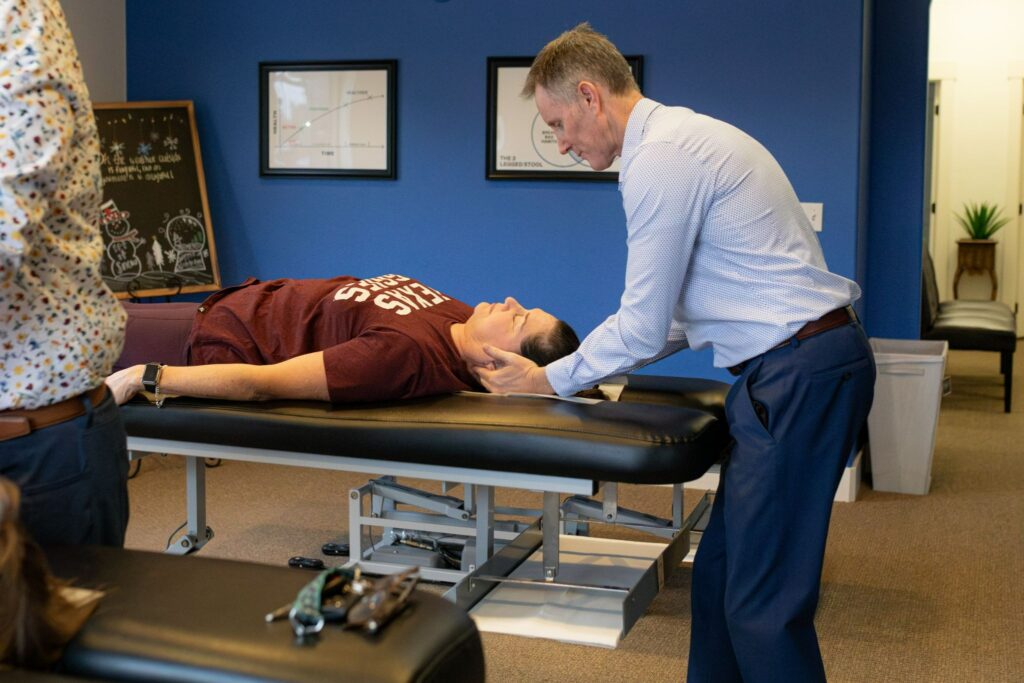

As a local chiropractor, I want to reassure you that if you’re experiencing back pain, you’re not alone in this struggle. Many individuals seek natural solutions for relief without turning to medications. By adopting simple yet effective practices, you can manage your discomfort and significantly enhance your overall well-being.
One of the first steps I encourage is to pay attention to your posture. Proper alignment can make a big difference in how your body feels. Additionally, incorporating mindful practices such as yoga or meditation can help ease tension and promote relaxation.
In my experience, there are several strategies we can explore together that will empower you to take control of your pain and improve your daily life. Whether it’s through gentle adjustments, exercises tailored to your needs, or lifestyle changes, chiropractic care offers a holistic approach to healing. I’m here to guide you on this journey to a healthier, pain-free life.
Maintain Proper Posture
As a local chiropractor, I want to emphasize how crucial maintaining proper posture is for preventing and alleviating back pain. It’s something that often gets overlooked, but being mindful of your alignment while sitting, standing, or walking can greatly impact your overall well-being.
When you’re seated, remember to keep your shoulders back and relaxed, ensuring that your head is in line with your spine. A supportive chair that cradles your lower back is essential, and make sure your feet are flat on the ground.
If you’re on your feet, try to distribute your weight evenly across both legs to prevent any one side from becoming strained.
For those of you who spend long hours at a desk, it’s important to take regular breaks to stretch and reassess your posture. Ergonomic tools, such as a well-designed chair or a standing desk, can be incredibly beneficial in helping you maintain good posture throughout the day.
Remember, small adjustments in your daily habits can lead to significant improvements in your spinal health. By prioritizing your posture, you can reduce the strain on your back and promote a healthier spine.
As you become more aware of your posture, you’ll likely start to feel the positive effects on your body. Let’s work together to make posture a priority in your life!
Incorporate Regular Exercise
As a local chiropractor, I’m here to emphasize that maintaining proper posture is just one aspect of achieving optimal back health. A key component of supporting your spine involves incorporating regular exercise into your daily routine.
Engaging in physical activity not only strengthens the muscles surrounding your spine but also improves flexibility and enhances your overall mobility. To help you on your journey to better back health, here are some effective exercises to consider:
- Walking: This simple, low-impact exercise is a fantastic way to get your body moving and promote circulation.
- Stretching: Focusing on areas such as your hamstrings and hip flexors can help release tension and improve your range of motion.
- Core exercises: Strong abdominal and back muscles provide essential support for your spine, helping to prevent discomfort and injuries.
- Yoga: This practice promotes balance and flexibility while also encouraging relaxation, which can be particularly beneficial for your back.
- Swimming: A gentle way to build strength without putting excessive stress on your joints, swimming offers a full-body workout that’s great for spinal health.
By incorporating these exercises into your routine, you can work towards a stronger, healthier back and enhance your overall well-being.
Utilize Heat and Cold Therapy
As a local chiropractor, I often find that many patients are unfamiliar with the benefits of heat and cold therapy for managing back pain. Understanding how to use these methods can be a game-changer in your recovery process.
Heat therapy is a wonderful way to relax tight muscles and promote increased blood circulation in the affected area, which helps speed up healing. I recommend using a heating pad, hot water bottle, or a warm towel applied for about 15-20 minutes at a time. Just remember to ensure it’s at a comfortable temperature to avoid burns.
Conversely, cold therapy is effective for reducing inflammation and numbing pain. Ice packs or even a bag of frozen vegetables wrapped in a cloth can serve as great options. I suggest applying cold therapy for 15-20 minutes, particularly after activities that might exacerbate your discomfort.
Switching between heat and cold can be especially beneficial, as it addresses both muscle tension and inflammation. It’s important to listen to your body and choose the method that offers you the most relief.
Explore Mindfulness and Relaxation Techniques
As your chiropractor, I want to guide you on your journey to alleviate back pain through the incorporation of mindfulness and relaxation techniques. These practices not only enhance your overall well-being but also play a crucial role in managing pain and improving your connection to your body.
Here’s how you can integrate these methods into your daily routine:
- Deep Breathing: Begin by focusing on slow, deep breaths. This simple practice can significantly calm your mind and relieve tension in your body. It’s a great way to center yourself, especially when you’re feeling discomfort.
- Meditation: I encourage you to dedicate just a few minutes each day to meditation. This can help cultivate awareness and relaxation, allowing you to tune into your body’s needs and signals, which is essential for healing.
- Progressive Muscle Relaxation: This technique involves tensing and then relaxing each muscle group in your body. It’s an effective way to release built-up stress and tension that may be contributing to your back pain.
- Yoga: Gentle yoga stretches can be incredibly beneficial. They not only improve flexibility but also help strengthen your back. I can recommend specific poses that are particularly helpful for your condition.
- Visualization: Take a moment to picture a peaceful scene or a place where you feel calm. This mental imagery can redirect your thoughts away from pain and promote a sense of tranquility.
By incorporating these mindfulness and relaxation techniques into your routine, you can enhance your chiropractic care and support your body’s natural healing process.
Together, we can work toward a more holistic approach to your health.
Consider Dietary Changes and Supplements
As a local chiropractor, I want to share how incorporating dietary changes and supplements can significantly enhance your back pain management. A balanced diet filled with anti-inflammatory foods—such as a variety of fruits, vegetables, whole grains, and healthy fats—can help reduce inflammation and support your overall health.
I encourage you to consider adding omega-3 fatty acids, which are abundant in fish and flaxseeds, as they can help alleviate pain and stiffness in your back. Additionally, magnesium is a crucial mineral that promotes muscle relaxation, so be sure to include foods like nuts, seeds, and leafy greens in your daily meals.
You might also want to look into natural supplements like curcumin and ginger, both of which are known for their anti-inflammatory properties. Staying well-hydrated is essential too; water plays a key role in maintaining spinal health.
It’s important to limit your intake of excessive sugar and processed foods, as these can contribute to inflammation and potentially worsen your pain.
Conclusion
As a local chiropractor, I want to share with you five effective methods to help alleviate back pain naturally. By incorporating these practices into your daily routine, you can significantly improve your comfort and well-being.
First, maintaining proper posture is crucial. Whether you’re sitting at a desk, standing, or lifting objects, being mindful of your posture can reduce strain on your back.
Next, regular exercise is vital. Engaging in low-impact activities, such as walking or swimming, can strengthen your back muscles and improve flexibility, which may help prevent pain.
Using heat and cold therapy is another beneficial approach. Applying heat can relax tight muscles, while cold packs can reduce inflammation and numb sharp pain. Alternating between the two can provide relief.
Additionally, practicing mindfulness techniques, such as meditation or deep breathing, can help reduce stress and tension in your body, which often contributes to back pain.
Lastly, consider making dietary changes. Consuming a balanced diet rich in anti-inflammatory foods can support overall health and may help alleviate pain.
Remember, consistency is key. By staying committed to these practices and being patient with your progress, you may notice significant improvements in your back pain. Take charge of your health and explore these natural solutions for a better quality of life!