
Recovering from a sports injury can seem daunting, but as a local chiropractor, I want to assure you that it doesn’t have to be a complicated process. There are specific steps you can take to ensure a smoother and more effective recovery. Prioritizing rest is essential, but it’s equally important to understand the benefits of incorporating chiropractic care into your healing journey.
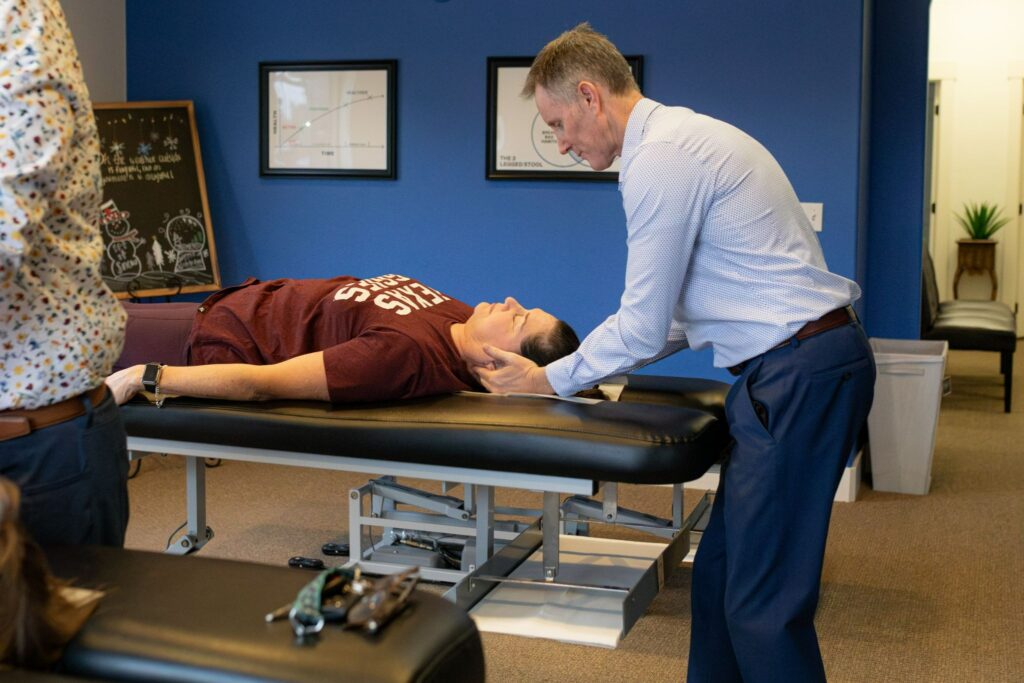
Chiropractic adjustments can help realign your body, reduce inflammation, and improve mobility, which are all crucial for recovery. Physical therapy is another valuable component; it complements chiropractic treatment by strengthening the muscles around the injured area and restoring function. By understanding how these methods work together, you can enhance your recovery and ultimately bounce back stronger than before.
Let’s delve into the best ways to support your healing journey and discover how natural healing can aid in your recovery process.
Rest and Recovery
As a local chiropractor, I want to emphasize how crucial rest and recovery are when you sustain a sports injury. Your body requires this vital downtime to repair damaged tissues and decrease inflammation. I understand the temptation to jump back into your usual activities, but it’s important to recognize that pushing yourself too soon can lead to further injuries or prolong your recovery process.
One of the most important aspects of healing is prioritizing sleep. Quality rest is fundamental, as it provides your body with the energy necessary to heal effectively. I encourage you to aim for consistent sleep patterns to aid in your recovery.
During your healing period, it’s essential to listen to your body. If you experience pain with certain movements, it’s best to avoid them. Instead, consider gentle stretches or alternative movements that won’t aggravate your injury. This approach allows your body to recover while still maintaining some level of activity.
Additionally, staying hydrated and maintaining a balanced diet is key to supporting your recovery. Proper nutrition will provide your body with the essential nutrients it needs during this time.
Above all, remember that patience is vital. It can be frustrating to step back from your sport, but allowing your body the necessary time to heal will ultimately lead to a stronger and more resilient return.
If you have any questions about your recovery process or how chiropractic care can assist you, feel free to reach out. I’m here to help guide you on your path to healing.
Ice Therapy
As your local chiropractor, I want to emphasize the importance of ice therapy in your recovery process. After you’ve taken some time to rest and allow your body to begin healing, adding ice therapy can significantly enhance your recovery routine. Ice therapy is effective in reducing inflammation, numbing pain, and promoting faster healing.
To maximize the benefits, I recommend applying ice to the injured area for approximately 15-20 minutes every hour, especially during the first 48 hours following your injury. Remember, it’s crucial to wrap the ice pack in a thin towel to safeguard your skin from frostbite.
If you don’t have an ice pack available, frozen peas or a cold pack can serve as excellent alternatives.
It’s also important to listen to your body. If you start to experience increased pain or discomfort while using ice therapy, please take a break. Incorporating these natural healing methods can aid in your recovery and help you get back to your daily activities sooner.
Compression Techniques
As a local chiropractor, I want to share how compression techniques can significantly aid your recovery from sports injuries. These methods involve applying pressure to the injured area, which can help reduce swelling and enhance blood circulation, ultimately speeding up the healing process.
You might find it beneficial to use compression wraps, sleeves, or specialized bandages to achieve this effect. It’s important to ensure that the compression isn’t too tight, as overly restrictive pressure can hinder blood flow and lead to additional complications.
For optimal results, I recommend combining compression with ice therapy. The cold from the ice can numb pain while the compression works to diminish swelling. Aim to wear your compression gear for several hours daily, particularly after engaging in activities that could exacerbate your injury.
Always pay attention to your body’s signals; if you notice increased pain or discomfort, it may be necessary to adjust the compression level. By incorporating these techniques into your recovery strategy, you’ll enhance your journey towards returning to your favorite activities more quickly and safely.
Elevation Strategies
As a chiropractor, I want to share some valuable insights on how to support your recovery from sports injuries through a simple yet effective practice: elevation. Elevating the injured area can significantly aid in reducing swelling and enhancing blood circulation, which in turn accelerates the healing process.
Here are some practical elevation strategies that I recommend to my patients:
- Utilize Pillows: When you’re resting, it’s beneficial to prop your injured limb on pillows. Make sure to elevate it above the level of your heart. This positioning maximizes the therapeutic benefits and can help diminish swelling.
- Incorporate a Wedge: A foam wedge can offer a stable and comfortable way to keep your injury elevated. It allows you to maintain proper positioning without much effort, making it easier to keep the injured area raised for extended periods.
- Adjust Your Position: While you go about your daily activities, try to keep your leg or arm elevated on a stool or chair. This adjustment helps maintain elevation, promoting healing even when you’re not resting.
By implementing these elevation strategies, you can complement your chiropractic care and foster a more effective recovery from your sports injuries.
Physical Therapy
As a local chiropractor, I want to emphasize the vital role chiropractic care plays in your recovery from sports injuries.
Our approach focuses on natural healing methods tailored specifically to your unique needs, allowing you to regain strength and mobility effectively.
With a comprehensive rehabilitation plan, we ensure you stay on track and safely return to your favorite activities.
Embracing chiropractic care not only aids in recovery but also enhances your overall well-being, promoting a healthier lifestyle and preventing future injuries.
Benefits of Physical Therapy
As a local chiropractor, I want to emphasize the importance of incorporating physical therapy into your recovery from sports injuries. This holistic approach not only aids in healing but also helps you regain strength and mobility.
Here are three essential benefits you can expect:
- Customized Care: In chiropractic practice, we understand that each injury is unique. A physical therapist will create a personalized recovery plan specifically for your condition, ensuring you receive the most effective treatment tailored to your needs.
- Natural Pain Relief: Through various techniques, including manual therapy and targeted exercises, physical therapy can significantly alleviate pain. This allows you to move forward in your recovery journey without the burden of discomfort.
- Injury Prevention: Physical therapy focuses on enhancing your strength and flexibility, equipping you with the knowledge and skills to prevent future injuries. This is crucial as you transition back to your favorite sports, helping you stay active and healthy.
Types of Treatments Offered
As a local chiropractor, I want to help you understand the various types of treatments available through chiropractic care that can significantly aid in your recovery from sports injuries. One of the key approaches we utilize is spinal manipulation, where I use hands-on techniques to align your spine and relieve pain while enhancing mobility.
In addition to spinal adjustments, therapeutic exercises are an essential part of your rehabilitation. These exercises are designed to help you regain strength, flexibility, and coordination, promoting overall wellness.
We also incorporate modalities such as heat and ice therapy, which can help reduce inflammation and encourage healing in injured areas.
Education plays a crucial role in our treatment plan as well. I’ll guide you on proper body mechanics and strategies for injury prevention, which can help minimize the risk of future injuries.
Each treatment plan is uniquely tailored to your individual needs, so open communication with me about your symptoms and goals is vital.
By participating in these chiropractic therapies, you can expedite your recovery process and return to the activities you love much sooner.
Importance of Rehabilitation Plans
As a local chiropractor, I want to emphasize the importance of rehabilitation plans for your recovery from sports injuries. These plans offer a structured approach that not only aids in healing but also helps to rebuild your strength naturally.
By adhering to a personalized rehabilitation plan, you can effectively address your specific injury while reducing the risk of future complications. Here are three key benefits of incorporating a rehabilitation plan into your recovery process:
- Guided Progression: A well-designed plan ensures that you gradually ramp up your activity levels, which is crucial in minimizing the chances of re-injury. This step-by-step approach allows your body to adapt and heal appropriately.
- Targeted Exercises: You’ll engage in specific exercises tailored to strengthen the injured area. This targeted approach not only accelerates your recovery but also enhances your overall performance in your sport.
- Professional Support: Regular consultations with a chiropractor provide you with expert guidance and support. This collaboration helps keep you motivated and accountable, making your healing journey more effective and enjoyable.
By embracing a comprehensive rehabilitation plan, you can significantly improve your recovery experience and return to your sport with greater strength and confidence.
Nutrition and Hydration
As a local chiropractor, I want to emphasize the vital role that proper nutrition and hydration play in your recovery from sports injuries. Your body requires specific nutrients to heal effectively, and focusing on a balanced diet is key.
Incorporating a variety of proteins, carbohydrates, and healthy fats into your meals will provide the necessary building blocks for recovery. Proteins are crucial for repairing damaged tissues, while carbohydrates help restore your energy levels after physical activity.
Don’t forget to include plenty of colorful fruits and vegetables in your diet, as they’re packed with essential vitamins and minerals that can boost your immune system and support overall health.
Equally important is hydration. Maintaining proper fluid balance through adequate water intake is essential for your body’s overall function and nutrient transport. I recommend aiming for at least eight glasses of water a day, and if you’re sweating a lot, consider incorporating electrolyte-rich beverages to replenish lost minerals.
Additionally, I encourage you to explore the benefits of omega-3 fatty acids, which are found in fish and flaxseeds. These healthy fats can help reduce inflammation, further aiding your recovery process.
Gradual Return to Activity
As you embark on your recovery journey, it’s crucial to pay attention to what your body is telling you and understand its boundaries.
At our chiropractic clinic, we emphasize the importance of setting achievable goals to keep you motivated while slowly ramping up your activity. This method not only supports your healing process but also significantly reduces the chances of reinjuring yourself.
Through chiropractic care, we can guide you in developing a personalized plan that respects your body’s needs, ensuring a safe and effective return to your regular activities.
Listen to Your Body
As a local chiropractor, I want to emphasize the importance of listening to your body during your recovery from a sports injury. Your body has an incredible ability to guide you through the healing process, and being attuned to its signals—such as pain, fatigue, and discomfort—is essential for a successful recovery.
Ignoring these signals can lead to further complications and setbacks.
Here are three effective strategies to help you listen to your body:
- Monitor Pain Levels: If you experience sharp or persistent pain while engaging in any activity, it’s crucial to stop immediately and rest. Pain is your body’s way of signaling that something isn’t right, and addressing it early can prevent further injury.
- Notice Fatigue: Pay attention to how you feel. If you find yourself unusually tired, it’s important to give your body the time it needs to recover. Pushing through fatigue can hinder your healing process and prolong your recovery time.
- Adjust Your Activities: If you notice that certain movements exacerbate your injury, don’t hesitate to modify your routine or switch to gentler exercises. Finding alternatives that allow you to stay active while respecting your body’s limits is key to a safe and effective recovery.
Remember, chiropractic care can play a vital role in your healing journey by helping to restore balance and function to your body.
Always consult with a healthcare professional if you have concerns about your recovery process.
Set Realistic Goals
As a local chiropractor, I want to emphasize the importance of setting realistic goals for your gradual return to activity after experiencing a sports injury. Understanding your current condition and recognizing your limits is crucial in this process.
It’s best to break down your recovery into manageable steps, focusing on achievable short-term goals. Instead of trying to jump back into full activity right away, it’s beneficial to aim for small milestones that promote progress while minimizing the risk of re-injury.
For instance, if you’re recovering from a leg injury, consider setting a goal to walk short distances before progressing to running.
Tracking your achievements can also be a helpful way to maintain motivation and adjust your goals as you improve. By setting realistic expectations throughout your healing journey, you can boost your confidence and make your recovery more effective.
Incremental Activity Increase
As a local chiropractor dedicated to helping you recover from sports injuries, I want to emphasize the importance of gradually increasing your activity level during your healing process. This method not only reduces the risk of re-injury but also allows your body to adapt effectively.
Here’s how you can implement an incremental activity increase in your rehabilitation journey:
- Begin with Low-Impact Exercises: Start with gentle activities such as swimming or cycling. These exercises are easy on your injury while still helping you maintain your overall fitness levels.
- Incorporate Shorter Duration Workouts: Gradually extend your workout sessions by adding an extra 5-10 minutes. Pay close attention to your body’s response as you increase your activity.
- Keep an Eye on Pain Levels: It’s crucial to monitor any discomfort you may experience. If you encounter pain, it’s important to scale back your activities and allow your body some time to adjust before you ramp up the intensity again.
By following these guidelines, you can foster a safer and more effective recovery process.
If you have any questions or need personalized advice, please don’t hesitate to reach out. Your health and well-being are our top priorities!
Conclusion
As a local chiropractor, I want to emphasize the importance of prioritizing rest and recovery in your healing journey. It’s crucial to listen to your body and allow it the time it needs to heal properly. Utilizing ice therapy, compression, and elevation can be very effective in managing pain and reducing swelling.
In addition, don’t underestimate the benefits of physical therapy, which can help restore function and strength. A balanced diet and staying hydrated play significant roles in your overall recovery as well.
As you begin to ease back into your activities, it’s important to set realistic goals and pay attention to how your body responds to movement. This will help you avoid the risk of re-injury. Remember, patience is vital in this process. By committing to these natural healing strategies, you’ll not only recover but also come back even stronger.