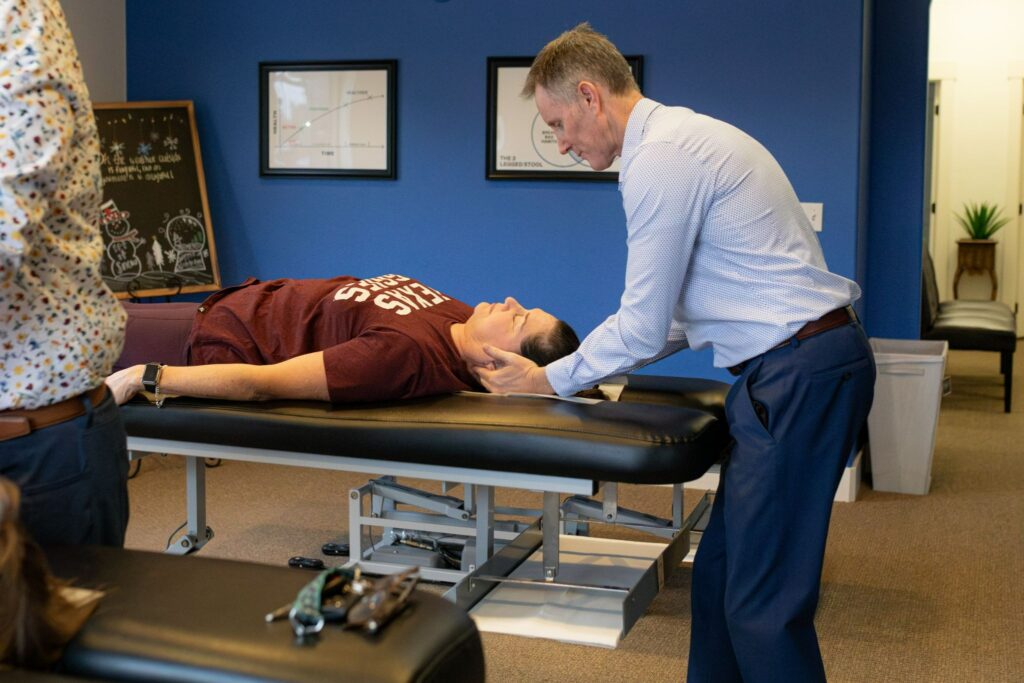

As a local chiropractor, I understand how debilitating back pain can be and how it can affect your everyday activities. It’s important to recognize that while understanding the root causes of your pain is vital, it is only one piece of the puzzle. A comprehensive approach that includes chiropractic adjustments, physical therapy, lifestyle modifications, and mindfulness practices can lead to significant improvement in your condition.
Imagine having a personalized plan that integrates these elements, designed specifically for you. By working together, we can explore how chiropractic care can relieve your pain and improve your overall well-being. Let’s delve into how these strategies can be combined to help you find lasting relief and enhance your quality of life.
Understanding the Causes of Back Pain
As a local chiropractor, I want to help you understand the potential causes of your back pain so that we can work together toward relief.
It’s important to recognize that several factors can contribute to this discomfort, and identifying them is a crucial first step.
One common cause is poor posture. Many of us spend hours sitting at desks or looking down at our phones, which can put a strain on your back muscles over time, leading to pain.
It’s essential to maintain good posture to support your spine and alleviate discomfort.
Another factor to consider is heavy lifting. If you lift heavy objects without proper technique, you can injure your back, resulting in either acute or chronic pain.
I can provide guidance on safe lifting practices to protect your back.
A sedentary lifestyle can also contribute to back pain. When you sit for prolonged periods, your back muscles can weaken, making them more vulnerable to injury.
Incorporating regular movement and exercise into your routine can help strengthen these muscles and support your spine.
Stress is another element that often goes unnoticed. It can create tension in your back, exacerbating any existing discomfort.
Techniques such as chiropractic adjustments, stretching, and relaxation exercises can help relieve this tension.
Lastly, age-related wear and tear can affect the spine and surrounding structures. As we age, it’s natural for our bodies to undergo changes, but there are many natural healing methods available that can help manage pain and improve mobility.
The Role of Physical Therapy in Recovery
As you look for solutions to alleviate back pain, chiropractic care can be a vital component of your recovery journey. A knowledgeable chiropractor will assess your individual needs and develop a customized treatment plan to help restore your strength and mobility.
Here are three significant advantages of incorporating chiropractic care into your recovery:
- Pain Relief: Chiropractors utilize various techniques, including spinal manipulation and other hands-on therapies, to effectively reduce pain and promote healing in your body.
- Strengthening and Stability: Through specific exercises and adjustments, you’ll learn how to strengthen your back and core muscles, providing essential support and helping to prevent future injuries.
- Enhanced Flexibility and Range of Motion: Chiropractic treatments often include stretching and mobilization techniques that improve your flexibility, allowing for better movement and reduced stiffness in your back.
Lifestyle Modifications for Spinal Health
As a local chiropractor, I want to share some important lifestyle modifications that can significantly benefit your spinal health.
First and foremost, it’s essential to create an ergonomic workspace. This means arranging your desk, chair, and computer in a way that supports your natural posture, reducing strain on your spine.
Incorporating regular exercise into your daily routine is another crucial factor. Activities like walking, swimming, or yoga can strengthen your back muscles and improve flexibility, helping to alleviate pain and prevent future issues.
Additionally, managing your weight is important for overall spinal health. Excess weight can put extra pressure on your spine, leading to discomfort and pain. By adopting a balanced diet and staying active, you can maintain a healthy weight, which in turn supports your spine.
Making these adjustments can have a profound impact on your spinal health and overall well-being.
If you have any questions or need guidance on how to implement these changes, feel free to reach out to me. Together, we can work towards a healthier, pain-free life.
Ergonomic Workplace Adjustments
As a chiropractor, I often see how a well-designed workplace can significantly impact your spinal health and overall well-being. Many of my patients experience back pain, which can often be alleviated by making some simple ergonomic adjustments to their work environment.
Here are three essential changes I recommend for a healthier workspace:
- Chair Selection: It’s crucial to choose a chair that provides proper support for your lower back. Look for one with adjustable height and built-in lumbar support, as this helps maintain the natural curve of your spine and can lessen discomfort.
- Desk Height: The height of your desk should allow your elbows to rest comfortably at a 90-degree angle while you type. If your desk is too high or too low, it can lead to unnecessary strain on your shoulders and wrists, contributing to pain and discomfort.
- Monitor Position: Your computer monitor should be positioned at eye level, approximately an arm’s length away from you. This setup not only reduces neck strain but also encourages you to maintain a better posture, which is vital for spinal health.
By implementing these ergonomic adjustments, you can experience lasting relief from back pain and support your body’s natural healing processes.
Regular Exercise Routines
As a local chiropractor, I want to emphasize the importance of incorporating regular exercise into your daily routine for better spinal health and overall well-being. Engaging in activities such as walking, swimming, or yoga can significantly strengthen your core muscles, which in turn provides essential support for your spine.
I recommend aiming for at least 150 minutes of moderate exercise each week to help keep your back flexible and strong.
Stretching exercises are particularly beneficial, as they can alleviate tension and improve your posture, ultimately reducing your risk of experiencing pain. It’s important to listen to your body; if you feel discomfort while exercising, don’t hesitate to modify your movements or seek professional guidance.
Remember, consistency is crucial. By prioritizing exercise, you not only relieve back pain but also enhance your mood and energy levels, contributing to a healthier lifestyle overall.
As your chiropractor, I’m here to support you on your journey to better health, so feel free to reach out with any questions about how to incorporate these practices safely and effectively.
Healthy Weight Management
As a local chiropractor, I want to emphasize that maintaining a healthy weight is crucial not just for your overall wellness, but also for your spinal health.
Carrying excess weight can place significant stress on your spine, leading to pain and discomfort. To help you manage your weight effectively, I recommend considering the following strategies:
- Balanced Diet: Aim to incorporate whole foods into your meals, such as fresh fruits, vibrant vegetables, lean proteins, and whole grains. These foods are packed with essential nutrients that nourish your body without loading you up on unnecessary calories.
- Portion Control: Pay attention to your serving sizes. By choosing smaller portions, you can prevent overeating and better support your weight management efforts.
- Stay Hydrated: It’s essential to drink plenty of water throughout the day. Staying hydrated not only keeps your body functioning optimally but can also help regulate your appetite and improve digestion.
By adopting these habits, you can contribute to your spinal health and overall well-being.
If you have any questions about how weight management relates to chiropractic care, feel free to reach out during your next visit!
Exploring Alternative Therapies
As your local chiropractor, I want to share some insights into how alternative therapies can provide relief from back pain and improve your overall well-being. Many people are unfamiliar with chiropractic care, but it can play a significant role in your healing journey.
Chiropractic adjustments are a cornerstone of this approach. By gently realigning your spine, we can enhance your mobility and significantly reduce discomfort. This method focuses on restoring balance to your body, which can lead to lasting pain relief.
In addition to chiropractic care, I encourage you to explore massage therapy. This technique can relieve muscle tension, improve circulation, and promote relaxation. Many of my patients find that regular massage complements their chiropractic treatments beautifully.
You may also want to consider incorporating herbal remedies, such as turmeric and ginger, into your routine. These natural ingredients are known for their anti-inflammatory properties and may assist in managing pain effectively.
Don’t overlook the power of mind-body practices like yoga and meditation. These activities can help you learn stress management techniques and improve your flexibility, both of which are vital for maintaining a healthy back.
Before embarking on any new therapy, it’s essential to consult with a healthcare professional. Together, we can create a personalized plan that integrates various alternative approaches, empowering you to take control of your back pain and enhancing your quality of life.
The Importance of Regular Exercise
As your local chiropractor, I want to emphasize that exercise plays a crucial role in alleviating back pain and supporting your overall spinal health. Many people overlook the importance of physical activity in their healing journey, but I can assure you that incorporating regular exercise can significantly strengthen the muscles around your spine.
This not only enhances your flexibility and stability but also contributes to your overall well-being. Here are three vital benefits of integrating exercise into your daily routine:
- Strengthens Core Muscles: Engaging in targeted exercises can bolster the strength of your abdominal and back muscles, which are essential for providing adequate support to your spine. A strong core is fundamental in preventing and alleviating back pain.
- Improves Flexibility: Incorporating stretching and mobility exercises allows you to maintain a full range of motion. This practice helps reduce stiffness and tension in your back, making it easier to perform daily activities without discomfort.
- Promotes Healthy Weight: Staying active helps you manage your weight effectively. Maintaining a healthy weight is crucial, as excess weight can put additional strain on your back, exacerbating pain and discomfort.
By understanding the benefits of exercise and making it a regular part of your life, you can take significant steps towards improving your spinal health and overall quality of life.
Mindfulness and Stress Management Techniques
As a local chiropractor, I want to share some valuable insights on managing back pain effectively through natural healing approaches. One of the most impactful methods we recommend is incorporating mindfulness and stress management techniques into your daily routine.
For instance, simple breathing exercises can be incredibly beneficial in helping you relax, which may reduce tension in your back. Additionally, practicing meditation can serve as a powerful tool for pain relief by promoting a sense of calm and focus.
Engaging in yoga not only enhances your body awareness but also aids in improving flexibility and strength, which are crucial for maintaining a healthy spine.
These holistic strategies not only help alleviate discomfort but also contribute to your overall well-being. By integrating these practices into your life, you may find a more balanced approach to managing your back pain and enhancing your quality of life.
Breathing Exercises for Relaxation
As a chiropractor, I often see patients who experience back pain exacerbated by stress and muscle tension. One effective way to address this is through breathing exercises that can enhance relaxation and support your overall well-being.
By focusing on your breath, you can calm both your mind and body, helping to alleviate discomfort. Here are three simple yet powerful breathing techniques that you can easily incorporate into your daily routine:
- Diaphragmatic Breathing: This technique involves taking deep breaths through your nose, allowing your abdomen to expand fully. As you exhale slowly through your mouth, feel the tension release from your body. Practicing this for several minutes can help promote relaxation and reduce pain.
- 4-7-8 Breathing: This method is great for reducing anxiety. Inhale deeply for a count of 4 seconds, hold your breath for 7 seconds, and then exhale slowly for 8 seconds. This rhythm not only calms your nervous system but also helps to relieve tension in your muscles.
- Box Breathing: This technique can help ground you and ease tension. Inhale for 4 seconds, hold your breath for another 4 seconds, exhale for 4 seconds, and pause for another 4 seconds before taking your next breath. This structured approach can promote a sense of control and relaxation.
By integrating these breathing exercises into your daily routine, you can find relief from back pain and enhance your overall health.
Meditation for Pain Relief
As a chiropractor, I want to share with you the benefits of meditation as a complementary approach to managing back pain and reducing stress. By incorporating meditation into your routine, you can enhance the relaxation techniques we’ve discussed during your visits.
Meditation allows you to focus your mind and calm your body, which can create a mental environment that helps you cope with discomfort more effectively.
I encourage you to start with just a few minutes each day. Find a quiet place where you can sit comfortably without distractions. Close your eyes, take deep breaths, and focus on your breathing or a calming mantra.
It’s normal for your mind to wander; when it does, gently redirect your attention back to your breath. This practice not only increases your awareness of pain but also helps you learn how to respond to it with a sense of calm.
As you continue to develop this skill, you may notice a reduction in tension and an increased sense of control over your pain.
Yoga and Mindfulness Practices
As a local chiropractor, I want to share how yoga and mindfulness practices can be effective tools for managing stress and alleviating back pain, especially if you’re new to chiropractic care and natural healing.
Incorporating these techniques into your daily routine can significantly enhance your physical and mental well-being. Here are three effective approaches I recommend:
1. Gentle Yoga Poses: Incorporating gentle stretches, such as Child’s Pose or Cat-Cow, can help relieve tension in your back and improve your flexibility.
These poses are great for easing discomfort and promoting better spinal alignment.
2. Breath Awareness: Engaging in deep, conscious breathing can be incredibly beneficial.
It not only calms your mind but also helps reduce stress levels and promotes relaxation, which is essential for maintaining a healthy spine and overall well-being.
3. Mindfulness Meditation: Taking just a few minutes each day to observe your thoughts and feelings without judgment can help you cultivate a greater sense of presence.
This practice is particularly valuable for reducing pain perception and enhancing your body’s natural healing processes.
By integrating these practices into your life, you can support your chiropractic care and foster a healthier lifestyle.
Conclusion
As a local chiropractor, I want to share some comprehensive approaches that can significantly aid in relieving your back pain. Understanding the root causes of your discomfort is crucial, and that’s where we begin. Through tailored chiropractic care, we can address misalignments in your spine and improve your overall spinal health.
In addition to chiropractic adjustments, I encourage you to consider committing to physical therapy and making positive lifestyle changes. These steps are essential in creating a strong foundation for recovery. Regular exercise is another key component; it not only strengthens your back but also enhances your overall well-being.
I also recommend exploring alternative therapies, such as acupuncture or massage, which can complement your chiropractic treatment. Don’t underestimate the importance of mindfulness and stress management techniques—they can be powerful allies in maintaining both your physical health and emotional balance.
Take charge of your well-being by incorporating these strategies, and together, we can work towards a more pain-free life!