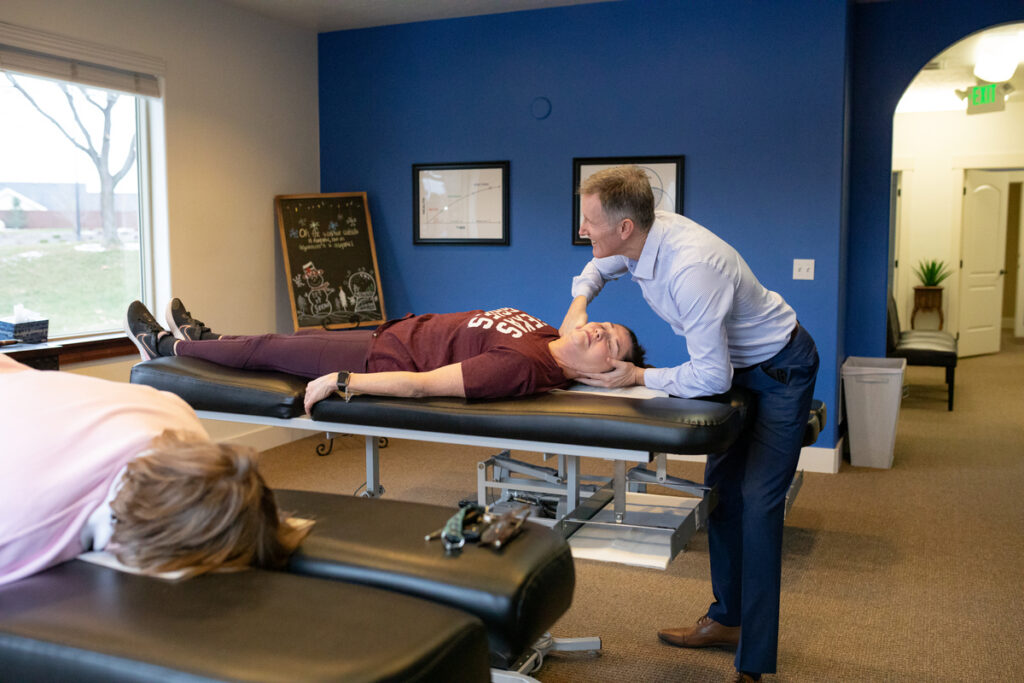

As a local chiropractor, I want to emphasize the importance of proper care in overcoming sports-related back pain. You may not fully appreciate how crucial this is until you find that it affects your performance on the field or court. Whether you're just starting out in sports or have been competing for years, understanding the root causes of your discomfort is vital. It's not merely about managing pain; it's about addressing the underlying issues to prevent future injuries.
In my practice, I've seen how effective strategies such as core strengthening exercises and proper warm-up techniques can create a solid foundation for a pain-free athletic experience. These methods not only help alleviate current discomfort but also play a key role in preventing recurrences.
So, what specific steps can you take to ensure you're on the right path? Start by considering a thorough assessment of your posture and biomechanics, which are often overlooked but crucial in identifying the causes of your back pain. Incorporating chiropractic adjustments can also help realign your spine, relieve tension, and improve your overall function.
By integrating these natural healing approaches into your routine, you can enhance your athletic performance while minimizing the risk of injury. Remember, taking proactive steps toward your back health is essential for any athlete, regardless of their level of experience. Let's work together to pave the way for your pain-free journey in sports!
Understanding Back Pain Causes
As a local Chiropractor, I want to help you understand the common causes of sports-related back pain so you can manage and prevent it effectively. Many people experience back pain for various reasons, and recognizing these underlying issues can lead to better outcomes.
One prevalent cause of back pain is muscle strain. Engaging in activities like lifting heavy weights or making sudden movements without proper form can overstretch or tear your muscles, resulting in discomfort. It's crucial to use correct techniques to protect your body.
Another factor to consider is poor posture. Maintaining proper alignment while participating in sports is essential. If you find yourself slouching or twisting incorrectly, you may be putting unnecessary strain on your back muscles and ligaments, leading to pain.
Repetitive motions, which are common in many sports, can also lead to overuse injuries. These injuries often develop gradually and can manifest as chronic pain if not addressed early on.
Inadequate core strength is another important consideration. Your core muscles play a vital role in stabilizing your spine. If these muscles are weak, your back has to compensate, which can lead to discomfort or even injury during physical activities. Strengthening your core can help alleviate some of that strain.
Additionally, not allowing your body adequate recovery time can worsen existing issues and lead to more severe injuries. It's essential to listen to your body and give it the rest it needs.
Lastly, previous injuries or underlying conditions such as herniated discs or arthritis may also contribute to your back pain during sports. Understanding these factors is key to tailoring a proactive approach to prevent pain and enhance your performance.
Importance of Proper Warm-Up
As a local chiropractor, I want to emphasize the importance of warming up properly to prevent sports-related back pain. Many people overlook this crucial step, but preparing your body for physical activity isn't only about boosting performance; it's also about protecting your back from unnecessary strain.
A proper warm-up enhances blood flow to your muscles, increases flexibility, and gets your body ready for the movements you're about to undertake. Let me share three key benefits of incorporating a warm-up routine:
- Increased Flexibility: Engaging in dynamic stretches before your activity can help lengthen the muscles and ligaments around your spine. This flexibility reduces the risk of injury during intense exercise. Flexible muscles are more adept at handling sudden movements, which can significantly lower your chances of experiencing pain.
- Improved Blood Circulation: Warming up elevates your heart rate and boosts circulation, ensuring that oxygen-rich blood is reaching your muscles. This not only enhances your physical abilities but also prepares your back to meet the demands of your sport. Proper circulation is essential for muscle function and overall joint health.
- Mental Preparedness: A good warm-up provides an opportunity to focus and mentally prepare for your activity. This mindfulness can help you become more aware of your movements and posture, allowing you to identify any potential issues before they develop into pain or discomfort.
Incorporating a consistent warm-up routine into your training regimen is vital for maintaining your health. By taking the time to prepare your body, you not only enhance your performance but also significantly reduce the chances of experiencing back pain.
I encourage you to prioritize this important step in your routine, as it sets the foundation for success in your physical activities and overall well-being. If you have any questions or need guidance on the best warm-up practices, feel free to reach out to me!
Strengthening Core Muscles
As a chiropractor, I often emphasize the importance of a strong core in maintaining overall health and preventing sports-related back pain. Many people associate core strength solely with achieving six-pack abs, but it's much more than that. Your core comprises the muscles in your abdomen, lower back, hips, and pelvis, all of which work together to stabilize your body and support your spine.
Strengthening these core muscles is essential for enhancing your athletic performance and reducing the risk of injury. One of the best exercises to engage your entire core is the plank. Start by holding the plank position for 30 seconds, and as your strength increases, gradually work towards longer holds. Incorporating side planks into your routine can specifically target your oblique muscles, providing extra support to your spine.
Another effective exercise is the bridge. To perform this, lie on your back with your knees bent and feet flat on the floor. Lift your hips toward the ceiling while squeezing your glutes, holding for a few seconds before lowering back down. This movement not only strengthens your core but also activates your glute muscles, which are vital for balance and stability.
Don't overlook the importance of rotational movements either. Exercises like Russian twists can be beneficial, as they improve your core's ability to handle the twisting motions that are common in many sports.
I recommend incorporating core strengthening exercises into your routine at least two to three times a week. As your core becomes stronger, you may notice improved balance, a decreased risk of injury, and enhanced overall performance in your physical activities.
Committing to building a strong core is a crucial step towards better health and well-being, so let's work together to establish a solid foundation for your body today!
Stretching Techniques for Relief
As a local chiropractor, I want to emphasize the importance of stretching techniques in relieving sports-related back pain. Incorporating these methods into your routine can be incredibly beneficial for your overall well-being.
Dynamic stretching is a fantastic way to warm up your muscles and prepare your body for physical activity, helping to prevent injuries. On the other hand, static stretching plays a crucial role in alleviating tension and soreness after your workouts.
Dynamic Stretching Benefits
As a local chiropractor dedicated to educating my patients about natural healing and wellness, I want to emphasize the vital role of dynamic stretching in maintaining your overall health, particularly in preventing back pain during sports activities.
Incorporating dynamic stretching into your warm-up routine can significantly prepare your muscles and enhance your performance. Here are three key benefits I often share with my patients:
- Increased Blood Flow: Dynamic stretching is a great way to elevate your heart rate and enhance circulation. This process ensures that your muscles receive the oxygen they need to function optimally. Improved blood flow can also help prevent stiffness and discomfort, particularly in your back, which is crucial for those engaging in physical activities.
- Improved Range of Motion: By practicing dynamic stretches, your joints and muscles are encouraged to move through their full range of motion. This not only makes you feel more agile but also plays a vital role in protecting your back from injuries that can occur due to sudden movements during sports. A well-prepared body is less prone to strain and discomfort.
- Enhanced Muscle Activation: Dynamic stretching activates the specific muscle groups that you'll use in your activity. This warm-up not only reduces the likelihood of straining your back but also enhances your overall stability and strength. When your muscles are primed for action, you can enjoy your sports activities with greater confidence and ease.
I encourage you to make dynamic stretching a regular part of your routine. You'll likely notice significant improvements in your athletic performance, coupled with a reduction in back pain.
Static Stretching Techniques
As a local chiropractor, I want to share with you the importance of static stretching techniques in relieving muscle tension and enhancing flexibility, particularly after engaging in physical activities. Many of my patients often experience tightness and soreness in their muscles after sports or exercise. By incorporating static stretches into your post-workout routine, you can effectively alleviate discomfort and support your recovery process.
To begin, let's focus on stretching the major muscle groups that play a crucial role in supporting your back. One simple yet effective stretch is the seated toe touch. Sit down with your legs extended in front of you, reach for your toes, and hold the stretch for about 15 to 30 seconds. This stretch primarily targets your hamstrings and lower back, providing relief and promoting flexibility.
Another excellent stretch to consider is the cat-cow pose. Start on all fours, then arch your back towards the ceiling as you inhale, and dip it towards the floor as you exhale. Cycle through these movements for roughly 30 seconds to encourage spinal flexibility and release tension.
It's important to remember to breathe deeply during each of these stretches, as this will help your muscles relax fully. Avoid bouncing or forcing any stretch, as this can lead to injury. I recommend performing these static stretches consistently, at least a few times each week. By making these techniques a regular part of your routine, you can't only relieve back pain but also enhance your overall flexibility, which will contribute to your resilience in athletic activities.
At our practice, we believe in the power of natural healing through movement and care. If you're interested in learning more about how chiropractic care can complement your stretching routine and support your journey to better health, I encourage you to reach out!
Ergonomics and Posture Correction
As a local chiropractor, I want to emphasize the vital role that ergonomics plays in preventing sports-related back pain. Ensuring that your body is properly aligned during both physical activity and rest is crucial for your overall health.
When you maintain good posture, you can significantly reduce strain on your back and other muscles, which ultimately leads to better performance and comfort in your daily activities. Here are three essential aspects to consider:
1. Workstation Setup: Whether you're working from home or hitting the gym, it's important to create an ergonomic workspace. Your chair should provide adequate support for your lower back, and your computer screen should be positioned at eye level to help prevent slouching.
When it comes to lifting weights, remember to keep them close to your body and engage your legs for lifting instead of relying solely on your back.
2. Body Mechanics: Be mindful of how you move throughout your day. It's crucial to avoid twisting your spine when lifting or carrying objects. Instead, pivot your feet and use your hips to turn.
This method not only helps maintain proper spinal alignment but also reduces the likelihood of injuries.
3. Stretching and Strengthening: Incorporate exercises that focus on stretching and strengthening your core and lower back. A strong core provides essential support for your spine and improves your posture.
Additionally, regular stretching enhances flexibility, allowing for better movement patterns during sports and everyday activities.
By paying attention to these key aspects of ergonomics, you can help protect your back and enhance your performance, leading to a healthier, more active lifestyle.
If you have any questions or need guidance on how to implement these strategies, don't hesitate to reach out to me for personalized advice and support.
Effective Pain Management Strategies
As a local chiropractor, I want to share some effective strategies for managing sports-related back pain that can significantly aid in your recovery and overall well-being.
One of the first approaches I recommend is the use of ice or heat therapy. Applying ice packs to the affected area can help diminish inflammation and numb the pain, particularly within the first 48 hours after an injury. Following this initial period, heat therapy can be beneficial for promoting blood flow and soothing tense muscles.
Additionally, over-the-counter pain relievers like ibuprofen or acetaminophen may offer temporary relief. It's important to adhere to the recommended dosages and consult with me or your healthcare provider if you have any questions or concerns regarding their use. You might also consider topical analgesics that can be applied directly to the skin for localized relief.
Incorporating gentle stretching and mobility exercises into your routine can further enhance your recovery. These movements not only help maintain flexibility but also strengthen the muscles that support your spine. Always listen to your body and refrain from any activities that worsen your pain.
Moreover, mindfulness and relaxation techniques, such as deep breathing or meditation, can play a crucial role in alleviating discomfort. It's worth noting that stress can intensify your perception of pain, so finding ways to calm your mind can be incredibly beneficial.
Lastly, maintaining a healthy weight through proper nutrition can significantly reduce strain on your back, promoting better overall health.
If you have any questions or would like personalized guidance tailored to your specific situation, I'm here to help you on your journey to recovery.
Role of Physical Therapy
As a local chiropractor, I want to emphasize the significant role that chiropractic care can play in your recovery from sports-related back pain.
Our approach focuses on restoring balance to your body and enhancing overall function through natural healing methods. By collaborating with a skilled chiropractor, you'll receive a customized treatment plan tailored to your unique needs and goals. This proactive strategy not only alleviates pain but also equips you with the tools to prevent future injuries.
Here are three key components of chiropractic care that can greatly enhance your recovery:
- Comprehensive Assessment: Your chiropractor will start with a thorough assessment of your posture, movement patterns, and any misalignments affecting your back pain. This comprehensive evaluation provides valuable insights into the underlying causes of your discomfort.
- Chiropractic Adjustments: You'll receive gentle adjustments aimed at realigning your spine and improving your overall mobility. These adjustments focus on restoring proper function to the nervous system, which can help reduce pain and enhance the body's natural healing processes.
- Soft Tissue Techniques: Your chiropractor may also use various soft tissue techniques, including massage and myofascial release, to relieve muscle tension and improve blood circulation in the affected areas. This hands-on approach can be particularly effective in promoting recovery and enhancing flexibility.
Incorporating chiropractic care into your recovery plan can significantly improve your ability to return to your sport and maintain a healthy, active lifestyle.
When to Seek Professional Help
As a local chiropractor, I want to help you understand when it's crucial to seek professional help for sports-related back pain. Recognizing the right moment can significantly impact your recovery and overall well-being.
If you're dealing with persistent pain that doesn't seem to improve with rest or basic self-care strategies, it's time to come in for a consultation. It's essential to pay attention to any symptoms that last beyond a few days or worsen over time, as these could indicate a more serious issue that deserves attention.
If you notice that your pain is radiating down your legs, especially if you also feel numbness, tingling, or weakness, don't wait to seek help. These signs can suggest nerve involvement, which requires prompt evaluation.
Furthermore, if you experience back pain alongside unexplained weight loss, fever, or issues with your bowel and bladder, please reach out for care immediately. These symptoms could indicate underlying medical conditions that need to be addressed.
Be mindful of any sudden changes in your mobility or strength. If you find it challenging to perform everyday activities, whether it's bending, lifting, or even walking, it's essential to consult a chiropractic professional. Early intervention in these cases can prevent further complications and promote a faster recovery.
I encourage you to trust your instincts. If something feels off or you have concerns about your condition, it's always better to be cautious and seek help.
A visit to a chiropractor not only aids in accurately diagnosing your issue but also allows us to develop a personalized treatment plan that aligns with your goals of returning to your sport safely and efficiently.
Preventive Measures for Athletes
As a local chiropractor dedicated to your health, I want to emphasize the importance of preventive measures for athletes to help avoid sports-related back pain. Focusing on strengthening and enhancing flexibility can significantly lower your risk of injury while allowing you to perform at your best.
1. Strength Training: It's vital to strengthen your core muscles, as they play a crucial role in supporting your spine and maintaining overall stability. Incorporating exercises such as planks, bridges, and back extensions can create a strong foundation for your body.
A well-developed core not only helps in preventing back pain but also boosts your athletic performance.
2. Flexibility Exercises: Regularly stretching your back, hips, and legs can greatly improve your flexibility and range of motion. I recommend integrating yoga or dynamic stretching into your warm-up routine.
These practices will help keep your muscles limber and alleviate tension, which can lead to discomfort or injury during physical activities.
3. Proper Technique: No matter if you're lifting weights or performing sport-specific movements, utilizing the correct techniques is essential. Improper form can put unnecessary strain on your back.
I encourage you to work with a coach or trainer to ensure you're executing exercises correctly. Seeking feedback is key to avoiding injury and enhancing your performance.
By adopting these preventive strategies, you can protect your back and enjoy a healthier, more active lifestyle.
Returning to Sports Safely
Returning to sports after an injury is a journey that requires careful planning and a thoughtful approach to ensure your safety and promote long-term health. As a chiropractor, I encourage you to first consult with your healthcare provider to evaluate your readiness for physical activity. They can help you understand the extent of your recovery and any limitations you may still have.
Once you've received the green light, it's important to ease back into your routine gradually. Start with low-impact activities that are gentle on your body, such as walking, swimming, or cycling at a comfortable pace. As you regain strength and confidence, you can slowly increase the intensity and duration of your workouts.
Pay close attention to how your body responds to these activities, and remember: it's crucial not to push through pain.
Incorporating strength and flexibility exercises into your routine is vital for a successful return to sports. Focusing on core stability will support your spine and enhance your overall performance. Additionally, stretching your back and hamstrings can help maintain flexibility and reduce tension, which is essential for preventing future injuries.
Always listen to your body. If you encounter discomfort or a resurgence of pain, it's important to scale back your activities and consult with your healthcare provider. Remember, rest is a crucial aspect of the healing process, and it's perfectly fine to take a step back when necessary.
I also recommend considering working with a chiropractor or physical therapist who's knowledgeable about your injury history. They can provide you with a tailored training program and help monitor your progress to ensure a safe return to your favorite sports.
Conclusion
As a local chiropractor, I want to emphasize the importance of taking proactive steps to conquer sports-related back pain. It starts with understanding the underlying causes of your discomfort. Proper warm-up routines are essential, as they prepare your body for physical activity and reduce the risk of injury. Strengthening your core muscles is another key factor, as a strong core supports your spine and can alleviate strain during sports.
Don't underestimate the benefits of stretching and maintaining good posture; both can play a significant role in preventing back pain. If you find that pain persists despite your best efforts, I encourage you to seek professional help. Chiropractic care offers tailored solutions that focus on natural healing methods, helping to restore proper alignment and function to your body.
Prioritizing prevention and recovery is crucial. With the right approach, you can return to your sport not only pain-free but also stronger and more resilient, ready to face new challenges head-on. Remember, your journey to better back health can start with a simple conversation about how chiropractic care can support your active lifestyle.