
As a local chiropractor, I want to reassure you that if you’re experiencing back pain, you’re not alone. Many individuals face similar challenges that can interfere with their daily activities. The good news is that there are natural solutions available to help ease your discomfort.
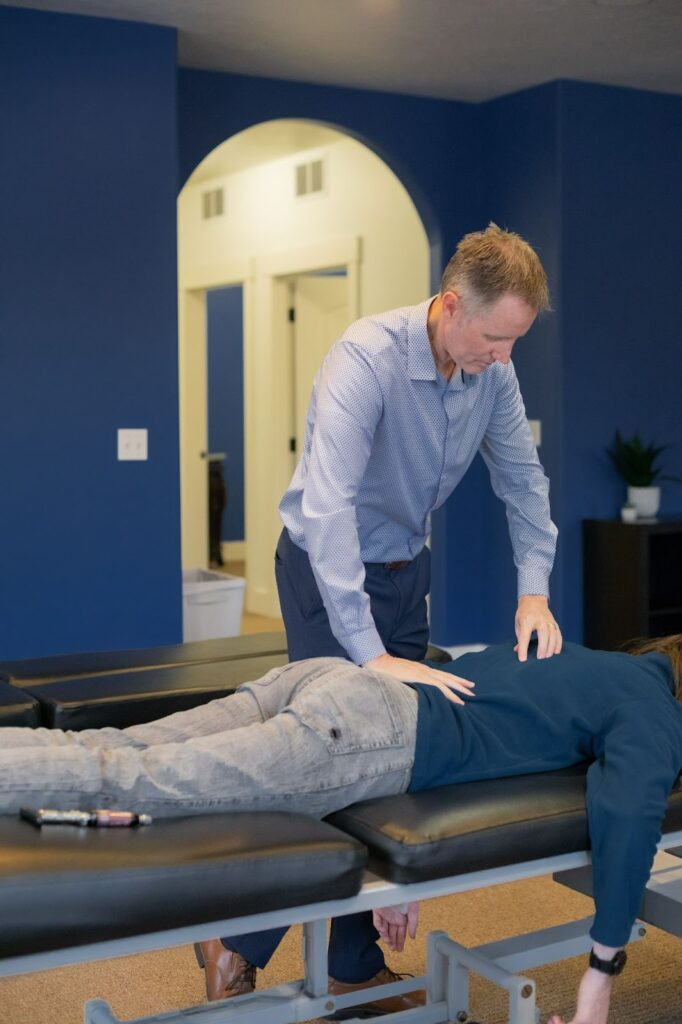
Chiropractic care is one effective approach that focuses on aligning the spine and enhancing your overall well-being. Alongside chiropractic adjustments, incorporating physical activity and making mindful dietary changes can also play a significant role in managing back pain. These holistic strategies empower you to find relief without solely depending on medication.
Are you curious about how to implement these changes in your life? Let’s dive deeper into some effective options that can help you reclaim your comfort and improve your quality of life.
Understanding the Causes of Back Pain
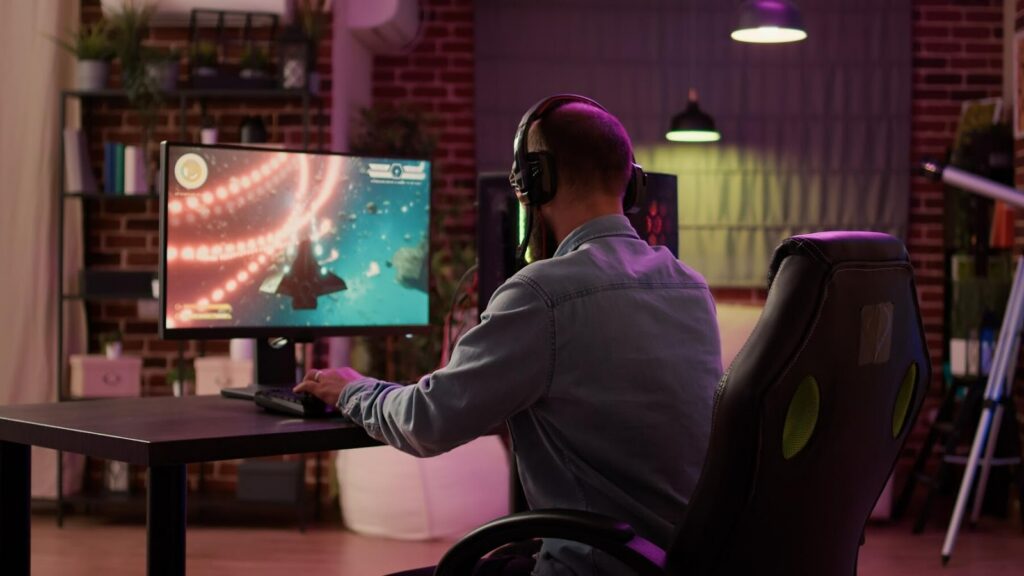
As your local chiropractor, I want to help you understand the various causes of back pain so you can find effective, natural relief. One of the most common issues we see is poor posture. Many people spend long hours slouching at their desks or hunching over their phones, which can put significant strain on your back muscles and spine.
Muscle strain is another frequent cause of back discomfort, often resulting from heavy lifting or sudden, awkward movements. Additionally, as we age, the wear and tear on our spine, known as degenerative disc disease, can lead to chronic pain. Other conditions, such as arthritis and herniated discs, can also play a role in your discomfort.
It’s important to recognize that stress can have a physical impact too, leading to muscle tension that exacerbates back pain. Furthermore, being overweight can increase the pressure on your back, making it more vulnerable to pain.
By understanding these underlying causes, you can take proactive steps not just to manage your discomfort, but also to improve your overall back health. Chiropractic care, along with lifestyle adjustments, can help restore balance and support your body’s natural healing processes.
Let’s work together to find a path toward relief and wellness!
The Role of Physical Activity in Pain Relief
As a local chiropractor, I want to emphasize the vital role physical activity plays in alleviating back pain. Regular exercise isn’t just a way to stay fit; it’s a powerful tool for strengthening the muscles that support your spine. When you engage in consistent physical activity, you can enhance your flexibility and improve your overall body mechanics. Strong and balanced muscles provide better support for your back, which can significantly reduce strain and discomfort.
You don’t need to worry about hitting the gym; there are many simple activities that can make a big difference. Walking, swimming, or cycling are excellent options that you can easily incorporate into your routine. I recommend aiming for at least 30 minutes of moderate activity most days. It’s important to listen to your body—if something doesn’t feel right, feel free to adjust your routine.
In addition to managing pain, incorporating physical activity into your life can also elevate your mood and boost your energy levels. The endorphins released during exercise act as natural pain relievers, contributing to an overall feeling of well-being.
Stretching Techniques for a Healthier Back
As a local chiropractor, I want to emphasize the importance of stretching for your back health. Many people may not realize how crucial stretching is in preventing pain and maintaining overall spinal health.
By incorporating specific stretching exercises into your daily routine, you can enhance your flexibility and provide better support for your spine.
It’s also vital to think about the timing and frequency of your stretching sessions. Doing so can significantly amplify the benefits you experience.
I encourage my patients to take a moment each day to focus on gentle stretches that cater to their individual needs, as this can lead to a healthier, more resilient back.
Importance of Stretching
As a local chiropractor, I often see patients who are unaware of the significant benefits that regular stretching can have on their back health and overall well-being.
Incorporating stretching into your daily routine isn’t just a nice addition; it’s a crucial practice for maintaining a healthy spine and alleviating discomfort. Stretching enhances muscle flexibility, which is vital for supporting your spine. Additionally, it boosts circulation, aiding in faster recovery from strains or injuries.
Let me share three key benefits of making stretching a regular part of your life:
- Increased Flexibility: Regular stretching helps lengthen your muscles and tendons, allowing for a greater range of motion. This is essential for everyday activities and can help prevent injuries.
- Reduced Tension: Stretching is an effective way to relieve tightness in the back. By doing so, you can reduce discomfort and significantly lower the risk of future pain.
- Improved Posture: Engaging in regular stretching promotes proper alignment of the spine. This can help prevent strain and discomfort, contributing to better posture overall.
Remember, taking just a few minutes each day to stretch can lead to a healthier back and a more comfortable life.
If you have any questions about how to integrate stretching into your routine or how it can benefit your chiropractic care, feel free to ask!
Effective Stretching Exercises
As a local chiropractor, I want to share with you the importance of incorporating effective stretching exercises into your daily routine. These stretches can greatly enhance the benefits you’ve already experienced from regular chiropractic care.
It’s crucial to focus on stretches that specifically target the muscle groups that support your back.
One great stretch to try is the cat-cow stretch. This exercise helps improve flexibility in your spine, which is essential for maintaining a healthy back.
If you’re feeling discomfort in your lower back, the child’s pose is a fantastic option. It allows you to gently lengthen your back muscles, promoting relief and relaxation.
Don’t overlook the seated forward bend, either. This stretch effectively targets both your hamstrings and lower back simultaneously, helping to alleviate tightness in these areas.
When practicing these stretches, aim to hold each position for 15-30 seconds while breathing deeply. This breathing technique maximizes relaxation and enhances the effectiveness of each stretch.
It’s essential to listen to your body during these exercises—never push yourself into pain.
By consistently practicing these stretches, you can promote better posture, reduce tension, and cultivate a healthier, more resilient back.
Timing and Frequency
As a local chiropractor dedicated to promoting natural healing and overall wellness, I want to share how important timing and frequency are when it comes to stretching for your back.
By incorporating stretching into your daily routine, you can significantly enhance your back health. Here are three essential points to consider:
- Start Your Day Right: Incorporating stretching into your morning routine can work wonders. It alleviates stiffness and prepares your back for the activities of the day, setting a positive tone for your overall well-being.
- Post-Exercise Care: After engaging in physical activities, it’s crucial to stretch. This practice helps prevent tightness and supports recovery, ensuring your back remains flexible and less prone to discomfort.
- Be Consistent: I encourage my patients to aim for daily stretching, even if it’s just for a few minutes. Regular stretching can lead to significant improvements in both flexibility and strength, contributing to better posture and reduced pain.
By understanding the importance of timing and frequency in your stretching routine, you can take proactive steps toward achieving a healthier back.
Strengthening Exercises to Support Your Spine
As your local chiropractor, I want to emphasize the importance of incorporating strengthening exercises to support your spine and reduce back pain.
It’s essential to integrate core stability workouts into your routine, as they significantly enhance your overall posture.
Additionally, engaging in flexibility and mobility exercises helps maintain balance and agility in your muscles.
By combining these practices, you create a strong foundation for a healthier back and improve your overall well-being.
Core Stability Workouts
As a local chiropractor, I understand that back pain can often feel overwhelming. However, I want to share how incorporating core stability workouts into your routine can make a significant difference in supporting your spine and overall health.
These exercises focus on strengthening the muscles surrounding your torso, which is essential for maintaining proper posture and reducing strain on your back. Here are three effective core stability workouts I recommend:
- Planks: Begin by holding a plank position, ensuring that your body forms a straight line from your head to your heels. Start with holding this position for 20 to 30 seconds, and as your strength improves, you can gradually increase the duration. This exercise is fantastic for engaging your core muscles.
- Bird-Dogs: While on all fours, extend one arm forward and the opposite leg back simultaneously, then switch sides. This exercise not only strengthens your core but also enhances your balance and coordination, which are vital for overall stability.
- Dead Bugs: Lie on your back and lift your arms and legs into the air. From this position, lower one arm and the opposite leg alternately while keeping your core engaged. This movement helps improve your core strength and coordination.
Incorporating these workouts into your routine can help you build a strong foundation for a healthier back and can complement the chiropractic care you receive.
Together, we can work towards alleviating your pain and enhancing your overall well-being through natural healing methods.
Flexibility and Mobility Routines
As a local chiropractor, I want to emphasize the importance of incorporating flexibility and mobility routines into your daily life. Not only do these practices enhance your range of motion, but they also play a vital role in supporting the health of your spine.
Engaging in gentle stretches and mobility exercises can greatly improve blood flow, reduce stiffness, and relieve tension in your back.
Simple movements such as cat-cow stretches, seated forward bends, and hip openers can have a remarkable impact on how you feel. It’s crucial to focus on routines that target both your lower back and hips, as tightness in these areas is often a major contributor to discomfort.
I recommend setting aside at least 10-15 minutes each day for these practices. Consistency is essential. By doing so, you’ll likely notice increased ease of movement and a stronger, more resilient spine, which can help you manage and even prevent back pain effectively.
Embracing these natural healing methods can be a transformative step toward better health and well-being.
The Benefits of Mindfulness and Meditation
As a local chiropractor, I want to share how mindfulness and meditation can be incredibly beneficial in managing back pain, especially if you’re new to chiropractic care and natural healing.
These practices not only promote relaxation but also help reduce stress, which is crucial for your overall well-being and your body’s ability to handle pain. Here are three key benefits of incorporating mindfulness and meditation into your routine:
- Enhanced Relaxation: Mindfulness teaches you to concentrate on the present moment. This focus can help release tension in your back muscles, allowing you to achieve a deeper state of calm, which is essential for healing.
- Stress Reduction: Engaging in regular meditation has been shown to lower cortisol levels in the body. Reduced cortisol can lead to decreased muscle tension and pain perception, making it much easier for you to manage any discomfort you may be experiencing.
- Improved Body Awareness: Mindfulness encourages you to listen to your body. By tuning into your physical sensations, you can identify areas of strain and respond with appropriate movements or stretches, which can complement the adjustments and care I provide in my office.
Integrating mindfulness and meditation into your daily life can be a powerful addition to your back pain management strategy.
Together with chiropractic adjustments, these practices can help you move through life with greater comfort and ease. If you have any questions or would like guidance on how to get started, feel free to reach out!
Nutrition and Its Impact on Back Health
As a local chiropractor, I want to emphasize the vital role nutrition plays in maintaining your back health. The food you eat isn’t just fuel; it has a significant impact on your body’s ability to heal and function correctly. By adopting a balanced diet that includes anti-inflammatory foods, you can help reduce back pain and support your overall well-being.
Incorporate plenty of fruits and vegetables into your meals—think berries, leafy greens, and broccoli. These foods are packed with antioxidants that combat inflammation, which can be a major contributor to back discomfort.
Healthy fats are also crucial; sources like avocados and fish promote joint health and flexibility, making it easier for your body to move without pain.
Don’t overlook the importance of whole grains and lean proteins. These provide the necessary energy for your muscles to support your spine effectively. Staying hydrated is equally important, as water helps maintain the elasticity of your spinal discs, keeping them healthy and functioning well.
I also encourage you to limit processed foods, sugars, and excessive salt in your diet, as these can worsen inflammation and contribute to pain.
By focusing on nourishing your body with the right nutrients, you can’t only support your back but also improve your overall health, allowing you to move freely and comfortably.
Alternative Therapies: Acupuncture and Massage
As a local chiropractor, I want to help you understand the benefits of exploring alternative therapies like acupuncture and massage for alleviating back pain.
These natural healing methods can complement chiropractic care, providing you with effective solutions to enhance your overall well-being.
Here are three key benefits you may experience from incorporating these therapies into your pain management routine:
- Pain Reduction: Acupuncture works by targeting specific points in the body to stimulate the release of endorphins. This can significantly ease your discomfort and support your healing process.
- Muscle Relaxation: Massage therapy is an excellent way to relieve tension and tightness in your back muscles. It promotes relaxation, which can help reduce stiffness and improve your range of motion.
- Improved Circulation: Both acupuncture and massage enhance blood flow to the affected areas. This increased circulation facilitates healing, reduces inflammation, and can accelerate your recovery from pain.
By integrating these alternative therapies with chiropractic care, you can achieve a holistic approach to managing your back pain.
Let’s work together towards your optimal health!
Ergonomic Adjustments for Home and Work
As a local chiropractor, I want to emphasize the importance of not just seeking alternative therapies like acupuncture and massage for managing back pain, but also making ergonomic adjustments in your everyday environment.
Let’s start with your workspace. It’s crucial that your chair offers adequate support for your lower back, and that your feet rest flat on the floor. If you work at a desk, ensure your computer screen is positioned at eye level; this will help you avoid unnecessary neck strain.
At home, it’s essential to create a comfortable area for relaxation. Consider using supportive cushions when seated or lounging to maintain proper posture. If you spend a significant amount of time cooking, investing in a cushioned mat can be incredibly beneficial for your feet.
When it comes to lifting objects, remember to bend your knees and keep the item close to your body. This technique is vital in preventing strain on your back.
Also, don’t underestimate the power of taking frequent breaks to stretch and move around; these simple actions can significantly alleviate tension.
By implementing these ergonomic adjustments, you can cultivate a more supportive environment that may greatly contribute to reducing your back pain.
Lifestyle Changes for Long-Term Relief
As a local chiropractor, I want to share some valuable insights on how small lifestyle changes can lead to significant, long-term relief from back pain. By adopting healthier habits, you can alleviate discomfort and enhance your overall quality of life.
Here are three essential changes I recommend:
- Stay Active: Engaging in regular exercise is crucial for strengthening your back muscles and enhancing flexibility. I often suggest activities such as walking, swimming, or practicing yoga. These movements not only keep your body agile but also promote spinal health and reduce pain.
- Maintain a Healthy Weight: Carrying excess weight can place unnecessary strain on your back, leading to discomfort. I encourage my patients to focus on a balanced diet and incorporate regular physical activity into their routines. Achieving and maintaining a healthy weight is a key factor in alleviating back pain.
- Practice Good Posture: Proper posture is vital, whether you’re sitting at a desk or standing throughout the day. It’s important to keep your spine aligned and avoid slumping, as this can place undue stress on your back. I often provide guidance on ergonomic practices that can help you maintain good posture and protect your spine.
By making these adjustments, you can pave the way for lasting relief from back pain and improve your overall well-being.
As always, I’m here to support you on your journey to better health through chiropractic care and natural healing methods.
Conclusion
As a local chiropractor, I want to share some valuable insights on how you can effectively manage back pain through natural solutions. Many people are unaware of the root causes of their discomfort, but by understanding these factors, you can take proactive steps toward healing. Staying active is crucial—engaging in regular physical activity helps to support your spine and maintain flexibility.
Incorporating stretching and strengthening exercises into your daily routine can significantly alleviate tension and improve your overall strength. Additionally, I encourage you to embrace the practice of mindfulness, as it can help reduce stress and enhance your body’s healing processes.
A balanced diet plays a vital role as well; nourishing your body with the right nutrients can promote recovery and overall wellness. Don’t overlook the importance of ergonomic adjustments in your work and home environments—simple changes can make a big difference in your posture and comfort.
By integrating these holistic approaches into your lifestyle, you can achieve lasting relief from back pain and enhance your quality of life. If you’re ready to start your journey to a healthier back, I’m here to guide you every step of the way!