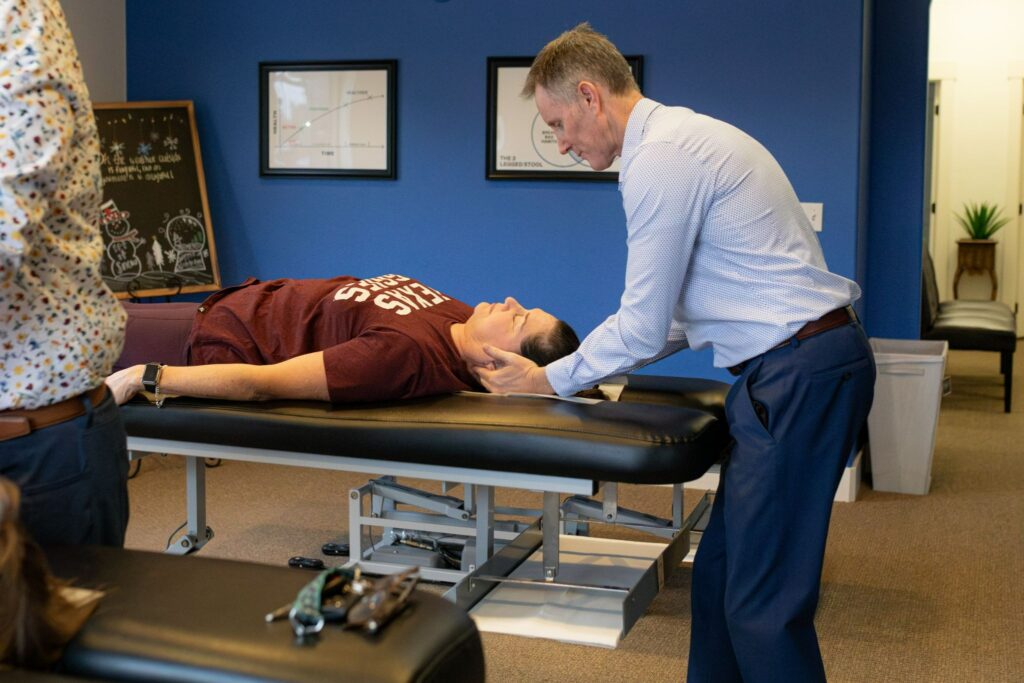

If you're struggling with back pain, you know how it can impact your daily life. The good news is that personalized plans can make a significant difference in your recovery. By understanding the specific type of pain you're experiencing and evaluating your unique lifestyle, you can find targeted strategies that work best for you. But what does this tailored approach actually involve, and how can it help you regain control over your back health? Let's explore some effective options that could lead to meaningful relief.
Understanding Back Pain Types
Understanding the various types of back pain is essential for finding effective relief. Back pain isn't a one-size-fits-all issue; it comes in different forms, each requiring a tailored approach.
First, there's acute back pain, which typically lasts less than six weeks. It often arises from injuries, strains, or specific activities. You'll likely experience sharp, sudden pain that can limit your movement.
Then, there's chronic back pain, lasting longer than three months, which can stem from underlying conditions like arthritis or degenerative disc disease. This type can be more challenging to manage since it mightn't always have a clear cause. You may find it's a dull ache that affects your daily activities and overall quality of life.
Another type is radicular pain, which occurs when pain radiates along the nerve path due to irritation or compression in the spine. You might feel this as shooting pain down your leg or arm, often referred to as sciatica.
Lastly, consider referred pain, where discomfort originates from a different area but's felt in the back. For instance, issues with your kidneys or pancreas might manifest as back pain.
Recognizing these types of back pain helps you communicate effectively with healthcare providers. By describing your symptoms accurately, you'll improve the chances of receiving an appropriate diagnosis and treatment plan tailored to your specific needs.
The journey to relief starts with understanding your unique back pain experience.
Benefits of Personalized Plans
Finding the right treatment for your specific type of back pain can greatly improve your recovery and overall well-being.
Personalized plans cater to your unique needs, ensuring you get the most effective strategies tailored just for you. Here are some key benefits of adopting a personalized approach:
- Targeted Relief: A customized plan helps pinpoint the exact causes of your pain, allowing you to address issues directly rather than relying on generic treatments that may not work.
- Enhanced Motivation: When you see progress tailored to your needs, you're more likely to stay committed to the plan. This personalized touch keeps you engaged and motivated throughout your recovery journey.
- Improved Functionality: With a plan designed specifically for you, you can expect better functional outcomes. Whether it's incorporating exercises that strengthen weak areas or providing stretches that relieve tension, your plan will enhance your daily activities.
- Faster Recovery: Personalized plans often lead to quicker results. By focusing on your unique pain triggers and lifestyle, you can effectively reduce your symptoms, allowing you to return to daily life sooner.
In essence, investing in a personalized plan for back pain relief not only addresses your immediate discomfort but also empowers you with the tools and knowledge to manage your back health long-term.
Make the choice for a tailored approach, and you'll likely find the relief and support you need to thrive.
Evaluating Your Unique Needs
Evaluating your unique needs is an integral step in creating an effective plan for back pain relief. Everyone experiences pain differently, so understanding your specific situation is vital. Start by identifying the location and intensity of your pain. Is it in your lower back, upper back, or radiating down your legs? Take note of when the pain occurs and what activities exacerbate it. This information provides insight into your personal triggers.
Next, consider your lifestyle and daily routines. Are you sitting for long periods, lifting heavy objects, or engaging in activities that strain your back? Your work environment and hobbies can play a significant role in your pain levels.
Additionally, think about your physical fitness. Are you active, or do you lead a more sedentary lifestyle? Understanding your current fitness level will help shape your relief plan.
Don't overlook your medical history. Previous injuries, surgeries, or chronic conditions can influence your back pain and the strategies you can use for relief. If you have any underlying health issues, consult with a healthcare professional to guarantee your plan aligns with your overall well-being.
Finally, listen to your body. Pay attention to how it responds to various activities or treatments. This ongoing evaluation will help you refine your approach and find what works best for you.
Tailored Exercise Regimens
When it comes to back pain relief, evaluating your individual needs is essential for creating an effective exercise regimen.
You'll want to incorporate stretching techniques that specifically target your discomfort and enhance your mobility.
Let's explore how a personalized approach can make all the difference in your recovery journey.
Importance of Individual Assessment
Tailoring exercise regimens to your specific needs is essential for effective back pain relief. Individual assessment helps identify the root cause of your discomfort and allows you to create a plan that addresses your unique situation.
It's not a one-size-fits-all approach; what works for someone else mightn't work for you.
Here are four key reasons why individual assessment is vital:
- Identifying Weaknesses: Understanding your physical strengths and weaknesses lets you focus on areas that need improvement, helping to prevent further injuries.
- Personalizing Goals: Setting achievable and realistic goals based on your current condition keeps you motivated and on track.
- Monitoring Progress: Regular assessments help track your improvements and adjust your regimen accordingly, ensuring you're always working towards relief.
- Preventing Recurrence: By identifying specific triggers and patterns in your back pain, you can develop strategies to avoid future flare-ups.
Investing time in understanding your body can lead to a more effective and sustainable path to back pain relief.
Don't overlook the importance of finding the right plan tailored just for you.
Effective Stretching Techniques
Incorporating effective stretching techniques into your personalized exercise regimen can greatly enhance your back pain relief efforts. Stretching helps improve flexibility, reduce tension, and increase blood flow to the muscles supporting your spine.
Start with gentle stretches that target your lower back, hamstrings, and hip flexors, as these areas often contribute to discomfort. You can try the child's pose to gently elongate your spine and relax your back muscles. Hold this position for 30 seconds, breathing deeply.
Another effective stretch is the seated forward bend, where you sit with your legs extended and slowly reach for your toes. This helps stretch your hamstrings and lower back.
Don't forget to incorporate spinal twists. While seated or lying down, gently twist your torso to one side, holding for 20-30 seconds before switching sides. Always listen to your body; if a stretch feels painful, ease off.
Aim to stretch at least three times a week, and consider integrating these techniques after your workouts to maximize their benefits. With consistency, you'll likely notice improved flexibility and a decrease in back pain, enhancing your overall quality of life.
Dietary Considerations for Relief
Nutrition plays an essential role in managing back pain, as the right dietary choices can greatly reduce inflammation and promote healing. By incorporating certain foods into your diet, you can support your body's natural recovery processes and potentially alleviate discomfort. Here are some dietary considerations to keep in mind:
- Omega-3 Fatty Acids: Foods rich in omega-3s, like salmon, walnuts, and flaxseeds, can help combat inflammation. Aim to include these in your meals a few times a week to benefit from their anti-inflammatory properties.
- Fruits and Vegetables: Brightly colored fruits and vegetables are packed with antioxidants that can fight inflammation. Think berries, oranges, spinach, and kale. These nutrient-dense options not only support your immune system but also help maintain overall health.
- Whole Grains: Choose whole grains over refined options. Foods like brown rice, quinoa, and whole-grain bread contain more fiber and nutrients, which can help reduce inflammation and support digestive health.
- Hydration: Staying hydrated is vital for maintaining spinal health. Water helps keep your discs hydrated and supports overall bodily functions. Aim for at least 8 glasses of water a day, adjusting based on your activity level.
Innovative Therapies and Techniques
When it comes to relieving back pain, innovative therapies and techniques can make a significant difference.
You can explore cutting-edge technology, holistic healing methods, and customized exercise regimens tailored specifically for your needs.
These approaches not only target your pain but also promote overall well-being.
Cutting-Edge Technology Approaches
Recent advancements in technology are revolutionizing the way we approach back pain relief, offering innovative therapies and techniques that can be tailored to your specific needs.
You don't have to settle for traditional methods anymore; cutting-edge solutions are here to help you find relief more effectively and efficiently.
Here are four groundbreaking approaches you might consider:
- Virtual Reality Therapy: Immerse yourself in a controlled environment that can help distract you from pain while promoting relaxation and mental well-being.
- Biofeedback Devices: These wearable gadgets provide real-time data on your body's responses, allowing you to learn how to control pain through relaxation techniques.
- Regenerative Medicine: Techniques like PRP (Platelet-Rich Plasma) therapy utilize your body's own healing properties, targeting specific pain points to promote recovery.
- Smart Pain Management Apps: Utilize technology to track your pain levels and find personalized coping strategies, ensuring you stay informed and in control of your treatment.
Holistic Healing Methods
As you explore innovative ways to manage back pain, holistic healing methods offer a thorough approach that focuses on the whole person rather than just the symptoms. These methods aim to enhance your overall well-being by addressing physical, emotional, and spiritual aspects of health.
One effective technique is acupuncture, which involves inserting thin needles at specific points to relieve pain and promote healing. You might also consider massage therapy, as it improves circulation, reduces muscle tension, and eases emotional stress. Both therapies can create a sense of relaxation that aids in your recovery process.
Another holistic approach is mindfulness and meditation. By practicing these techniques, you can reduce anxiety and improve your ability to cope with pain. Incorporating yoga into your routine can also help; it enhances flexibility and strengthens your core, which supports your spine.
Herbal remedies are worth exploring too. Certain herbs, like turmeric and ginger, have anti-inflammatory properties that can alleviate pain.
Customized Exercise Regimens
Customized exercise regimens can be a game changer for back pain relief, tailoring movements to your specific needs and limitations.
By focusing on your unique situation, these regimens help strengthen your muscles, improve flexibility, and promote better posture, all essential for alleviating pain and preventing future issues.
Here are four key elements to take into account when developing your personalized plan:
- Assessment of Your Condition: Work with a professional to evaluate your back pain and identify the root causes. This guarantees your regimen addresses the right areas.
- Targeted Strengthening Exercises: Incorporate exercises that specifically strengthen the core, hips, and lower back. A strong foundation supports your spine and reduces strain.
- Flexibility and Stretching Routines: Include stretches that enhance flexibility. Increased range of motion can relieve tension and improve overall mobility.
- Regular Progress Monitoring: Keep track of your progress and adjust your regimen as needed. Regular check-ins with a therapist or trainer can help guarantee your plan remains effective.
Conclusion
Incorporating a personalized plan for back pain relief can transform your recovery journey. By understanding your specific pain type and evaluating your unique needs, you can engage in tailored exercises and dietary strategies that truly work for you. Embracing innovative therapies can further enhance your healing process. Remember, taking charge of your back health isn't just about relief; it's about empowering yourself to live a more active and fulfilling life. Start your personalized journey today!