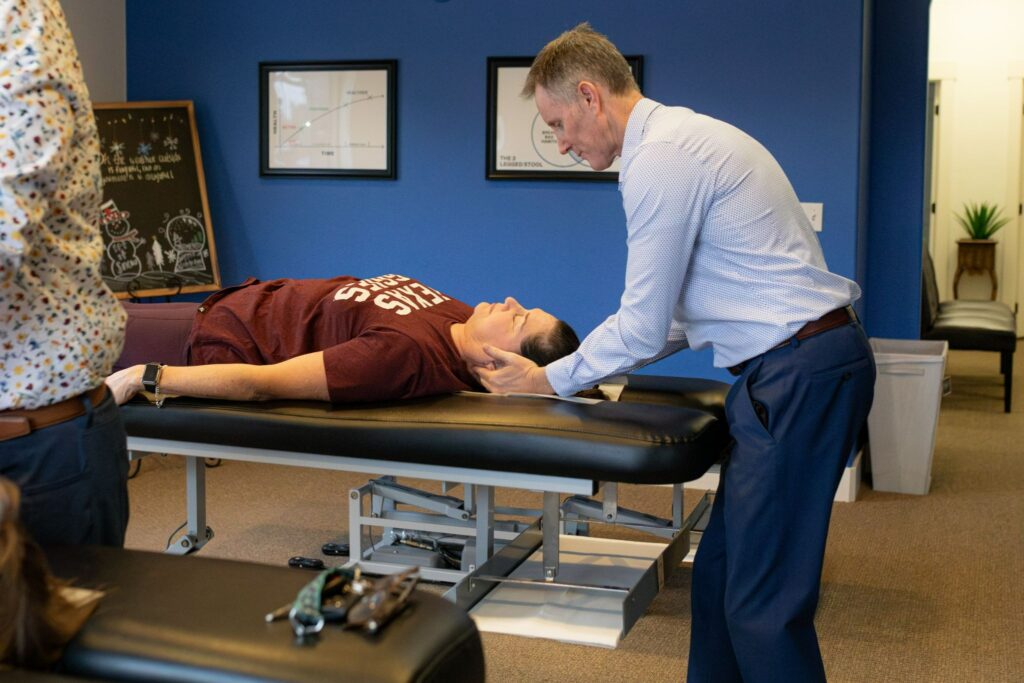

As a local chiropractor, I understand that back pain can be a challenging issue for many. However, I want to share that effective exercises can play a crucial role in preventing this discomfort. By emphasizing core strength, flexibility, and maintaining proper posture, you can significantly support your spine and alleviate pain.
Incorporating simple routines and mindful movements into your daily life can truly make a difference. If you’re wondering which specific exercises can enhance your back health and improve your overall comfort, I’m here to guide you. Let’s delve into some practical techniques that could transform how you feel and help you maintain a healthier back. Your journey to wellness starts with understanding how to care for your body naturally!
Understanding the Causes of Back Pain
As a local Chiropractor, I want to take a moment to discuss a common issue that many of you may experience at some point in your lives: back pain. In fact, around 80% of individuals will encounter this discomfort, making it essential to understand its underlying causes for effective prevention.
One significant factor contributing to back pain is poor posture, especially for those of you who spend long hours sitting. This can lead to muscle imbalances and strain on your back.
Additionally, I often see patients who experience discomfort due to muscle strains, which can occur when heavy objects are lifted improperly or from sudden, unguarded movements.
Another cause I frequently encounter in my practice is herniated discs. This occurs when the cushioning between your vertebrae shifts out of its normal position, which can put unwanted pressure on nearby nerves, resulting in pain.
Conditions such as arthritis can also play a role in causing back pain, as they affect joint health and mobility.
It’s important to note that stress and emotional well-being can contribute to physical tension in your muscles, exacerbating back pain.
As a Chiropractor, I believe in a holistic approach to healing that addresses not just the physical symptoms but also the mental and emotional factors that can impact your overall health.
If you’re experiencing back pain, consider reaching out to learn more about how chiropractic care can help restore balance and promote natural healing in your body.
Together, we can work towards a pain-free life!
Importance of Core Strength for Back Health
As a local chiropractor, I want to emphasize the critical role core strength plays in maintaining a healthy back. While many individuals often focus on strengthening their arms and legs or enhancing their overall fitness, it’s essential to recognize that your core muscles—comprising your abdominal, oblique, and lower back muscles—are fundamental to spinal stability.
When your core is strong, it provides vital support for your spine, reducing the likelihood of injury and alleviating back pain. Conversely, weak core muscles can contribute to poor posture and place additional stress on your spine, making you more vulnerable to various back issues.
Incorporating core-strengthening exercises into your daily routine can significantly improve your balance and stability, which in turn enhances your overall physical performance and well-being. Simple yet effective exercises such as planks, bridges, and pelvic tilts specifically target your core and can be easily integrated into your regimen.
It’s important to understand that developing a strong core isn’t solely for aesthetic purposes; it’s essential for functional movement and promoting back health. By prioritizing core strength, you not only safeguard your back but also empower yourself to lead a more active and fulfilling lifestyle.
As your chiropractor, I encourage you to consider these exercises as part of your natural healing journey.
Stretching Exercises for Flexibility
As a local chiropractor dedicated to your overall health and well-being, I can’t emphasize enough the importance of incorporating stretching exercises into your routine to enhance flexibility and support your back health. Stretching isn’t just about bending and reaching; it plays a crucial role in increasing blood flow to your muscles, which in turn enhances flexibility and significantly reduces the risk of injury.
Let’s start with a simple yet effective stretch: the cat-cow stretch. This gentle movement helps warm up your spine and alleviates tension, preparing your body for further stretches.
Next, I recommend the seated forward bend. Find a comfortable seated position with your legs extended in front of you. Reach for your toes and hold this position for 15-30 seconds. This stretch specifically targets your hamstrings and lower back, areas that often hold tension.
Another beneficial stretch is the standing quadriceps stretch. Stand on one leg and gently pull your opposite foot toward your glutes. This not only stretches the front of your thigh but also helps improve balance and stability.
Throughout each stretch, remember to breathe deeply and never force yourself into a position that causes pain.
Consistency is key—aim to stretch at least three to four times a week for optimal results. By making stretching a regular part of your routine, you’ll enhance your flexibility and significantly reduce the chances of experiencing back pain.
Embrace these natural healing practices as part of your journey to better health!
Strengthening Exercises for the Back
As a local chiropractor, I want to share the importance of strengthening exercises in preventing back pain.
It’s crucial to focus on core stability exercises that not only support your spine but also improve your overall flexibility.
By incorporating these techniques into your daily routine, you can significantly enhance your back health and reduce the risk of discomfort.
Remember, a strong core is the foundation for a healthy back, and I’m here to help guide you through these exercises for optimal results.
Let’s work together to promote your well-being naturally!
Core Stability Exercises
As a local chiropractor, I want to emphasize the importance of core stability exercises in maintaining a healthy spine and preventing back pain.
These exercises specifically target the muscles that support your spine, helping to enhance your overall stability and reduce the risk of injuries. Whether you’re new to chiropractic care or looking to improve your wellness routine, incorporating these exercises can be incredibly beneficial.
Here are four effective core stability exercises that I recommend:
- Plank: Begin by holding a plank position on your forearms and toes. Make sure your body forms a straight line from head to heels. This exercise strengthens your core and supports your spine.
- Bird-Dog: Position yourself on all fours. Extend one arm forward while simultaneously extending the opposite leg backward. After a few seconds, switch sides. This movement enhances coordination and stability in your core.
- Russian Twists: Sit on the floor and lean back slightly, keeping your back straight. Rotate your torso from side to side, and if you’re comfortable, hold a weight for added resistance. This exercise helps to improve rotational strength in your core.
- Dead Bug: Lie on your back with your arms and legs raised towards the ceiling. Slowly lower one arm and the opposite leg down towards the floor, then return to the starting position and switch sides. This exercise promotes core engagement while protecting your back.
Incorporating these core stability exercises into your routine can help build a strong foundation for your overall health and well-being.
Stretching and Flexibility Techniques
As a chiropractor, I often emphasize the importance of incorporating stretching and flexibility techniques into your daily routine to enhance your back strength and overall mobility. Many patients are surprised to learn that simple stretches targeting the lower back, hamstrings, and hip flexors can make a significant difference in their well-being.
For instance, movements like the cat-cow stretch and child’s pose are excellent for relieving tension and improving spinal flexibility. I recommend holding each stretch for 15-30 seconds while focusing on deep, calming breaths. This practice not only helps in loosening tight muscles but also promotes relaxation.
Additionally, dynamic stretches such as torso twists can serve as an effective warm-up before engaging in physical activities. I also encourage incorporating regular yoga or Pilates sessions into your routine, as these practices are designed to enhance flexibility and strengthen your core, which is crucial for maintaining a healthy spine.
Consistency is vital; I suggest making stretching a daily habit, especially after prolonged periods of sitting. By adopting these techniques, you’ll not only help prevent back pain but also contribute to your overall body wellness.
Posture Correction Techniques
As a local chiropractor, I want to emphasize how vital proper posture is for maintaining your overall health and well-being. Many people overlook the importance of posture, but it plays a significant role in reducing the risk of back pain and discomfort.
By being mindful of your posture throughout the day, you can’t only strengthen your back but also promote better spinal health. Here are some effective techniques I recommend to help you correct your posture:
- Sit Upright: It’s essential to keep your back straight and shoulders relaxed while sitting. Make sure your feet rest flat on the floor, with your knees forming a right angle. This position helps maintain the natural curve of your spine.
- Use Ergonomic Furniture: Investing in an ergonomic chair that provides support for your lower back is crucial. Additionally, adjust your desk height so that your monitor is at eye level. This can significantly reduce strain on your neck and back.
- Practice the Wall Test: A simple exercise I often suggest is the Wall Test. Stand with your back against a wall so that your heels, buttocks, shoulders, and head are all in contact with it. This alignment helps reinforce the correct posture and serves as a good visual guide.
- Strengthen Core Muscles: Engaging in exercises that target your core is essential for supporting your spine and improving your overall posture. A strong core can help alleviate pressure on your back and promote a healthier alignment.
By implementing these techniques into your daily routine, you can cultivate better posture and significantly reduce your chances of experiencing back pain.
Incorporating Movement Into Your Daily Routine
As a local chiropractor, I want to emphasize the importance of incorporating movement into your daily routine to help prevent back pain. Many people are unaware of how simple adjustments in their daily activities can significantly enhance their overall well-being.
For instance, I encourage you to try some easy desk exercises throughout your workday. These exercises can keep your muscles engaged and alleviate tension that builds up from prolonged sitting.
Additionally, consider exploring active commute options, such as biking or walking, instead of relying solely on your car. Not only does this add more movement to your schedule, but it also promotes a healthier lifestyle.
Simple Desk Exercises
As a local chiropractor, I often see patients who experience stiffness and discomfort from sitting at a desk for long hours. It’s important to understand that incorporating simple exercises into your daily routine can significantly alleviate tension and enhance your posture.
Here are a few movements I recommend:
- Shoulder Rolls: Begin by sitting up straight. Gently roll your shoulders forward in a circular motion for 10 repetitions, and then reverse the direction for another 10. This helps to release tightness in the shoulder area.
- Neck Stretches: To relieve tension in your neck, tilt your head gently to one side and hold the position for 15 seconds. Then, switch to the other side. This simple stretch can improve neck mobility and reduce discomfort.
- Seated Torso Twist: While seated, place your right hand on your left knee and twist your torso to the left. Hold this position for 15 seconds, and then switch sides. This exercise promotes spinal flexibility and can help alleviate lower back tension.
- Wrist and Finger Stretches: Extend one arm in front of you, and with your opposite hand, gently pull back your fingers. Hold for 15 seconds on each side. This is particularly beneficial for those who spend long hours typing, as it can reduce strain on your wrists and hands.
Incorporating these exercises into your day can enhance your overall comfort and well-being.
Active Commute Options
As a local chiropractor, I believe that finding ways to incorporate more movement into your daily commute can greatly enhance your overall health and well-being. One excellent option is biking to work; it not only gets your heart rate up but also strengthens your back, which can help prevent discomfort and misalignments.
If biking isn’t feasible for you, consider walking part of the way. You can park further from your office or get off public transport a stop earlier, which allows you to stretch your legs and promote circulation.
If you use a bus or train, try to stand instead of sitting. This small adjustment can contribute to better posture and reduce the strain that can occur from prolonged sitting. All these little movements are beneficial in countering the negative effects of long hours spent sitting at a desk.
Once you arrive at work, think about incorporating a standing desk into your routine.
Yoga Poses for Back Relief
As a chiropractor, I understand that back pain can often feel overwhelming. However, I want to share with you how incorporating specific yoga poses into your routine can offer significant relief and enhance your overall flexibility.
These poses not only stretch and strengthen your back muscles but also contribute to making daily activities more manageable.
Here are four effective yoga poses that I recommend for back relief:
- Child’s Pose: Begin by kneeling and sitting back on your heels, then reach your arms forward. This gentle stretch promotes relaxation in your spine and hips, which can be incredibly soothing for your back.
- Cat-Cow Stretch: Position yourself on all fours and alternate between arching your back (Cat) and dropping your belly while lifting your head (Cow). This dynamic movement helps increase flexibility and alleviates tension in your spine.
- Downward-Facing Dog: Transitioning from all fours, lift your hips up and back to form an inverted V-shape. This pose effectively stretches your spine and hamstrings, encouraging better alignment and reducing discomfort.
- Supine Spinal Twist: Lying on your back, gently guide one knee across your body while ensuring your shoulders remain grounded. This twist is excellent for easing tightness in your lower back and promoting spinal health.
Incorporating these poses into your routine can complement your chiropractic care and help you manage and alleviate back pain more effectively.
Using Foam Rollers for Muscle Recovery
As a local chiropractor, I want to share with you the benefits of using foam rollers for muscle recovery, especially after intense workouts or during long periods of inactivity.
Foam rolling is a fantastic way to release tension in your muscles and fascia, which enhances blood flow and helps to reduce soreness.
When selecting a foam roller, you’ll want to choose one that’s firm enough to provide adequate pressure but still comfortable for your body. This is crucial for effective muscle recovery.
While you roll, pay close attention to tight areas in your body. Apply gentle pressure and move slowly over the muscle to allow for optimal release. Aim to spend about 30 seconds on each targeted spot, taking your time with controlled movements for the best results.
You can use the foam roller on various muscle groups, including your back, thighs, calves, and shoulders.
Incorporating foam rolling into your post-workout routine can significantly enhance your recovery time and help prevent muscle stiffness.
It’s a simple yet powerful tool to keep your muscles flexible and prepared for your next activity. Remember, consistency is essential for achieving the best outcomes in your muscle health and overall well-being!
If you have any questions about foam rolling or other natural healing techniques, feel free to reach out during your next visit.
Tips for Maintaining a Healthy Spine
As your local chiropractor, I want to emphasize the importance of maintaining a healthy spine for your overall well-being. Many people are unaware that simple lifestyle adjustments can significantly reduce the risk of back pain and enhance your quality of life.
Here are some essential tips I recommend to keep your spine in optimal condition:
- Sit smart: Choose a chair designed to support your lower back. Ensure your feet are flat on the floor to maintain proper alignment.
- Stand tall: When standing, distribute your weight evenly across both feet and avoid locking your knees. This posture helps alleviate stress on your spine.
- Lift correctly: When lifting heavy objects, bend your knees instead of your back. Keeping the load close to your body can prevent injuries and strain.
- Stay active: Incorporate regular exercise into your routine that focuses on strengthening your core and enhancing flexibility. Activities like yoga or Pilates are excellent for promoting spinal health.
By following these guidelines, you can contribute to a healthier spine and a more active, pain-free life.
If you have any questions or need personalized advice, feel free to reach out during your next visit. Your spine deserves the best care!
Conclusion
As your local chiropractor, I want to share some valuable insights on how you can effectively prevent back pain and improve your spinal health. By incorporating specific exercises and techniques into your daily routine, you can significantly lower your risk of developing discomfort in your back.
It’s essential to focus on strengthening your core muscles, enhancing flexibility, and maintaining good posture throughout your everyday activities. Remember, consistency is crucial! Engaging in targeted exercises, practicing mindful movements, and exploring relaxation techniques such as yoga can be incredibly beneficial.
Taking proactive steps today will pave the way for a healthier back tomorrow. Prioritizing your spine is vital, and I encourage you to embrace these practices for a more comfortable and pain-free lifestyle. If you have any questions or need personalized guidance, please don’t hesitate to reach out!