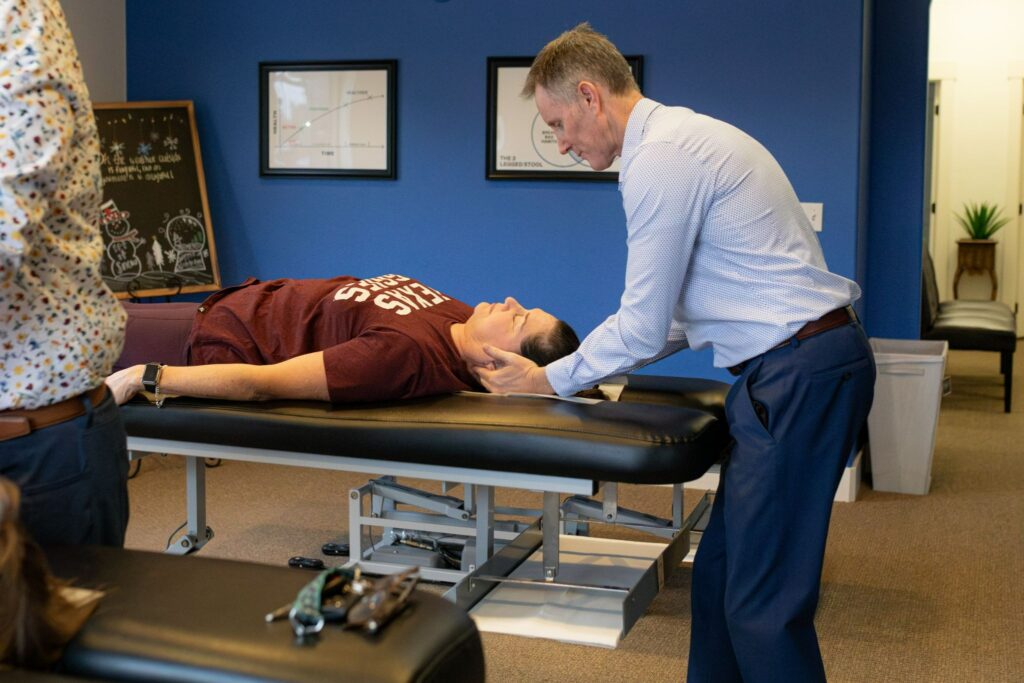

Chronic back pain can be a persistent challenge, but you don't have to accept it as a part of your life. Exploring non-invasive solutions could offer you relief without the need for medication. From tailored physical therapy and mindfulness practices to ergonomic adjustments in your workspace, there are various strategies to contemplate. Each approach not only aims to alleviate discomfort but also empowers you to regain control over your daily activities. However, the effectiveness of these solutions can vary, and understanding which ones might work best for you is essential. So, what should you prioritize first?
Understanding Chronic Back Pain
Chronic back pain often affects many people at some point in their lives, and understanding its roots is fundamental for effective management. You might find that this type of pain can stem from various factors, including muscle strain, poor posture, and underlying medical conditions. Identifying what triggers your pain is essential because it helps you tailor your approach to finding relief.
Muscle strain often occurs due to overexertion or improper lifting techniques. If you've ever felt a sudden twinge while lifting something heavy, you know how debilitating it can be.
Poor posture, especially when sitting for extended periods, can also lead to chronic discomfort. It's worth evaluating your workspace and habits to guarantee you're not contributing to your back pain unintentionally.
Underlying medical conditions like arthritis, herniated discs, or spinal stenosis can exacerbate your situation. If you suspect a more serious issue, consulting a healthcare professional is the best course of action. They can provide a thorough evaluation and guide you toward appropriate treatments.
Additionally, emotional stress may play a role in chronic back pain. You might notice that stress exacerbates your discomfort, making it critical to find ways to manage both your physical and emotional well-being.
Benefits of Physical Therapy
Physical therapy offers you a pathway to improved mobility and flexibility, essential for managing chronic back pain.
Through personalized exercise programs, you'll learn techniques tailored to your specific needs, helping you regain strength and reduce discomfort.
With effective pain management strategies, you can enhance your daily activities and enjoy a better quality of life.
Improved Mobility and Flexibility
Enhancing mobility and flexibility through targeted physical therapy can greatly improve your quality of life. When you engage in a personalized program, your therapist will assess your specific needs and design exercises that focus on strengthening the muscles supporting your spine. This tailored approach allows you to regain movement and flexibility, making daily activities easier and more enjoyable.
You'll find that incorporating stretches and strengthening exercises into your routine not only addresses stiffness but also helps prevent future injuries. As you progress, you'll notice improved posture, which plays an essential role in reducing strain on your back. With better mobility, simple tasks like bending, lifting, or even walking become less intimidating.
Moreover, physical therapy encourages you to develop a deeper awareness of your body mechanics. By understanding how to move safely and efficiently, you can enhance your overall physical function and reduce the risk of re-injury.
Ultimately, investing time in physical therapy can lead to significant improvements in your mobility and flexibility, empowering you to live a more active, fulfilling life without the limitations imposed by chronic back pain.
Pain Management Techniques
How can you effectively manage pain without relying solely on medication? One powerful option is physical therapy, which offers a range of benefits tailored to your needs. When you engage with a trained physical therapist, you'll receive personalized care that targets the root causes of your pain. This hands-on approach not only helps alleviate discomfort but also improves your overall function.
Physical therapy can enhance your strength, flexibility, and posture, all of which play significant roles in managing back pain. Through specific exercises and stretches, you'll learn how to support your spine better and reduce the risk of future injuries.
Additionally, physical therapists often employ techniques like manual therapy, ultrasound, and electrical stimulation to relieve pain and promote healing.
Another major advantage is that physical therapy empowers you with knowledge. You'll gain insights into body mechanics and ergonomics, helping you make informed choices in your daily activities.
Personalized Exercise Programs
Exercise programs tailored to your specific needs can greatly enhance the benefits of physical therapy. When you engage in a personalized exercise regimen, you're not just following a one-size-fits-all approach; you're addressing your unique challenges and goals. This targeted strategy helps improve your strength, flexibility, and overall mobility, which are essential for alleviating chronic back pain.
Working with a physical therapist, you can develop a plan that focuses on your specific pain points. They'll assess your condition and create exercises that not only strengthen your back but also improve your posture and core stability. This customized approach empowers you to take control of your recovery journey.
Incorporating these exercises into your routine can lead to significant improvements in pain management and daily function. You'll likely notice that as you get stronger, your confidence grows, making it easier to engage in activities you love.
Moreover, personalized exercise programs often include strategies for self-management, teaching you how to listen to your body and adjust your routine as needed.
Exploring Acupuncture Techniques
Acupuncture techniques offer a unique approach to alleviating chronic back pain, drawing on centuries of traditional practice. This ancient method focuses on stimulating specific points on your body to promote healing and balance. By inserting thin needles at strategic locations, acupuncture helps improve your blood circulation, reduce inflammation, and release endorphins, which are your body's natural painkillers.
When you consider acupuncture, it's important to consult a licensed practitioner who understands your specific condition. They'll assess your symptoms and develop a personalized treatment plan tailored to your needs. You might find that sessions vary in length and frequency, depending on the severity of your pain and your overall health.
During your sessions, you'll typically lie down in a comfortable position while the practitioner gently inserts the needles. Many people report feeling relaxed during this process, often describing it as a slight tingling or warmth at the needle sites.
It's common to feel a sense of calm and relief after each session, which can contribute to a more positive outlook on managing your back pain.
While acupuncture isn't a one-size-fits-all solution, many individuals experience significant improvements in their pain levels with consistent treatment. You might want to combine acupuncture with other non-invasive therapies, like physical therapy or massage, for even better results.
Ultimately, exploring acupuncture techniques can be a valuable addition to your pain management toolkit.
The Role of Mindfulness
Mindfulness can be a powerful tool in managing chronic back pain.
Mindfulness Meditation Techniques
Utilizing mindfulness meditation techniques can greatly alleviate chronic back pain by fostering a deeper connection between your mind and body. By engaging in mindfulness, you learn to focus on the present moment, which can shift your attention away from the pain.
Begin by finding a comfortable position, either sitting or lying down, and take a few deep breaths to center yourself. As you breathe, direct your awareness to the sensations in your back. Notice any areas of tension or discomfort without judgment. Acknowledge these feelings and allow them to exist, but don't let them dominate your thoughts.
Instead, visualize your breath flowing in and out of your body, bringing relaxation to those tense areas. You might also experiment with guided meditations that specifically address pain management. These can help structure your practice and provide additional support.
Aim for short sessions daily, gradually increasing their length as you become more comfortable. Over time, you'll likely find that this practice not only enhances your awareness of your body but also empowers you to manage your pain more effectively.
Stress Reduction Benefits
Chronic back pain often intertwines with stress, creating a cycle that can be challenging to break. When you're stressed, your body tenses up, which can exacerbate your back pain. Mindfulness practices can help you interrupt this cycle by promoting relaxation and reducing stress levels. By focusing on the present moment, you can learn to recognize your stress triggers and respond to them in healthier ways.
Incorporating mindfulness into your daily routine can provide significant stress reduction benefits. Techniques like deep breathing, meditation, or gentle yoga can help calm your mind and relax your body. These practices allow you to discover a sense of peace, making it easier to manage pain.
As you develop a greater awareness of your thoughts and feelings, you may find that your response to stress becomes more controlled and less reactive. Moreover, reducing stress can lead to better sleep, improved mood, and enhanced overall well-being, all of which can contribute to alleviating chronic back pain.
Enhancing Body Awareness
Developing body awareness is vital for managing chronic back pain effectively. When you tune into your body, you can identify tension, discomfort, and pain more accurately. This heightened awareness allows you to recognize patterns that may contribute to your back pain, such as poor posture or repetitive movements.
Mindfulness plays a significant role in enhancing this awareness. By practicing mindfulness techniques, like meditation or focused breathing, you can cultivate a better connection with your body. These practices help you stay present and attentive to how different activities and emotions affect your back.
As you become more aware, you'll notice when you're slouching or holding tension. This knowledge empowers you to make conscious adjustments throughout your day. For instance, you might consciously engage your core while sitting or take breaks to stretch, reducing strain on your back.
Additionally, mindfulness encourages self-compassion. Instead of criticizing yourself for pain or discomfort, you learn to acknowledge it without judgment. This shift in perspective can ease emotional stress, which often exacerbates physical pain.
Importance of Ergonomic Adjustments
When it comes to alleviating back pain, making ergonomic adjustments in your workspace or home environment can be a game changer. You mightn't realize it, but the way you sit, stand, and even move throughout your day can greatly impact your back health.
By paying attention to ergonomics, you can create a more supportive environment that promotes proper posture and reduces strain on your back.
Start by evaluating your workspace. If you spend hours at a desk, make sure your chair supports your lower back and encourages an upright posture. Adjust the height of your chair so your feet rest flat on the floor, and your knees are at a 90-degree angle.
Your computer screen should be at eye level to prevent neck strain, and you should position your keyboard and mouse close enough to avoid reaching.
Don't overlook your home environment, either. If you're frequently lifting objects, use correct lifting techniques by bending at the knees and keeping the load close to your body.
Additionally, take breaks to stretch and change positions throughout the day—this can prevent stiffness and keep your muscles engaged.
Utilizing Heat and Cold Therapy
Making ergonomic adjustments can considerably enhance your back health, but incorporating heat and cold therapy into your routine can provide additional relief. Both methods are simple, effective, and can be easily integrated into your daily life.
When you use heat therapy, it helps to relax and loosen tissues, improving blood flow to the affected area. You can try heating pads, warm towels, or even a hot shower. Apply heat for about 15-20 minutes to soothe tight muscles and alleviate pain. Just make sure the heat isn't too intense to avoid burns.
On the other hand, cold therapy is great for reducing inflammation and numbing sharp pain. You can use ice packs, frozen vegetables, or a cold compress, placing it on the affected area for 15-20 minutes at a time. Remember to wrap ice packs in a towel to protect your skin.
You might find it beneficial to alternate between heat and cold therapy. This combination can help address different types of pain or discomfort you might experience. Listen to your body; if one method feels better, stick with it.
Incorporating these therapies into your routine can be a game-changer for managing chronic back pain. Whether you choose heat, cold, or a combination of both, you'll likely notice a significant improvement in your comfort and mobility.
Lifestyle Changes for Pain Management
While managing chronic back pain often involves medical treatments and therapies, lifestyle changes play an important role in your overall pain management strategy. By making a few adjustments, you can greatly improve your comfort and quality of life.
First, focus on maintaining a healthy weight. Excess weight puts added stress on your spine and back muscles, exacerbating pain. Adopting a balanced diet rich in fruits, vegetables, whole grains, and lean proteins can help you achieve and maintain your ideal weight.
Next, incorporate regular physical activity into your routine. Activities like walking, swimming, or yoga can strengthen your back muscles and improve flexibility. Aim for at least 30 minutes of moderate exercise most days.
Don't forget to consult your doctor before starting any new exercise program.
Additionally, pay attention to your posture. Poor alignment while sitting, standing, or lifting can strain your back. Use ergonomic furniture, keep your screen at eye level, and practice proper lifting techniques to minimize discomfort.
Finally, prioritize sleep. Quality rest is vital for healing and pain management. Establish a consistent sleep schedule, create a comfortable sleep environment, and consider using supportive pillows.
Conclusion
Incorporating these non-invasive solutions can greatly improve your quality of life while managing chronic back pain. By embracing physical therapy, mindfulness practices, and ergonomic adjustments, you're taking proactive steps toward relief. Don't underestimate the power of heat and cold therapy either; they can provide immediate comfort. By making simple lifestyle changes, you're not just alleviating pain—you're empowering yourself to live more fully and actively. Take charge of your health and explore these effective strategies today!