
As a local chiropractor, I want to address a common concern that many expectant mothers face: prenatal back pain. You are certainly not alone in this experience. Finding effective relief is crucial for enhancing your comfort and overall well-being during pregnancy.
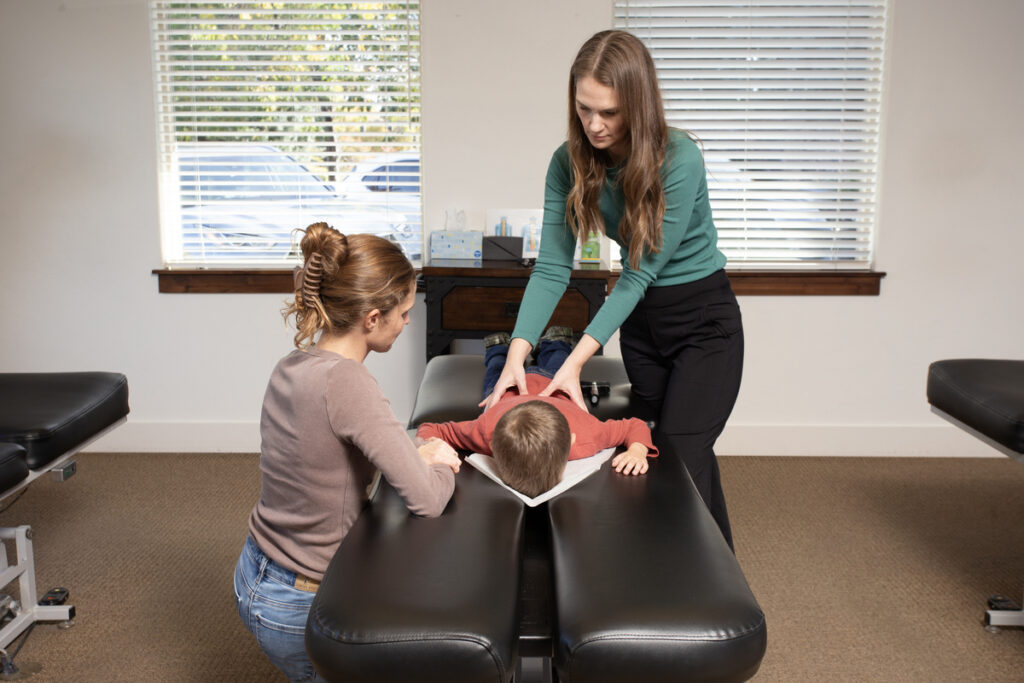
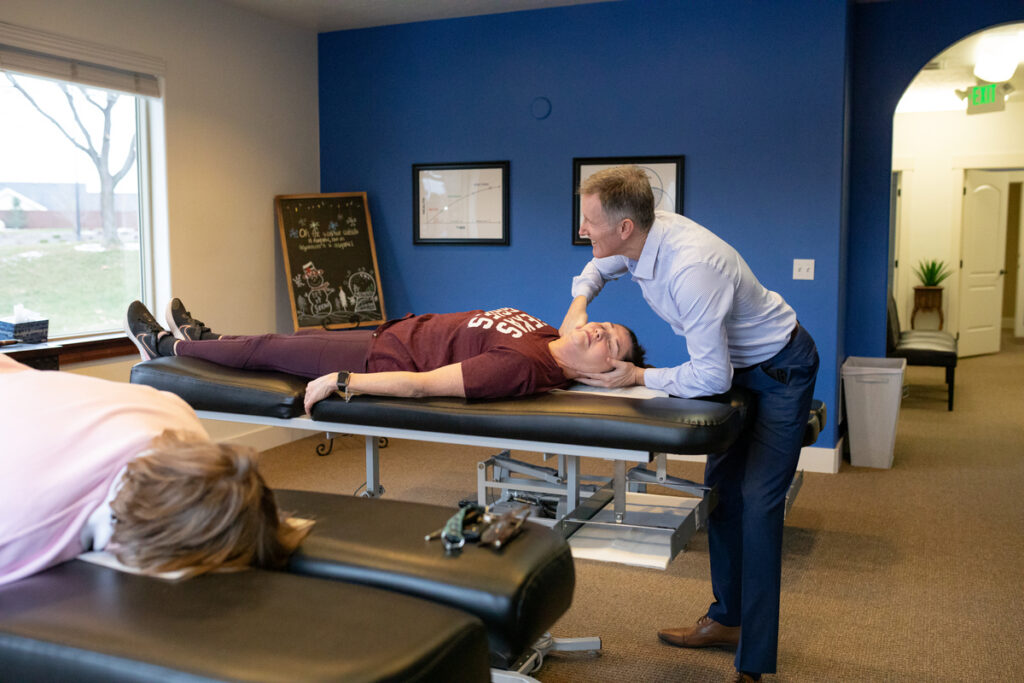
Chiropractic care can be a valuable option for managing this type of pain. We focus on holistic, natural healing methods that promote proper spinal alignment and overall body function. This can alleviate discomfort and improve mobility.
In addition to chiropractic adjustments, I encourage exploring complementary strategies such as maintaining proper posture, engaging in gentle stretching exercises, and making ergonomic adjustments in your daily routine. Each of these approaches offers unique benefits, and together they can create a tailored relief plan that meets your specific needs.
If you're curious about how chiropractic care can help with prenatal back pain, let's discuss some personalized strategies that can enhance your comfort during this beautiful journey.
Understanding Prenatal Back Pain
As a local chiropractor, I often encounter expectant mothers who experience back pain during pregnancy. This discomfort is quite common and can be attributed to several physical changes your body undergoes as it adapts to accommodate your growing baby.
As your pregnancy progresses, you may notice shifts in your posture and center of gravity, which can place added strain on your back muscles and spine. One of the key players in this process is the hormone relaxin, which increases during pregnancy. This hormone helps prepare your body for childbirth by loosening ligaments, but it can also lead to increased instability in your pelvic and lower back areas.
It's important to understand how these changes impact your body. Weight gain is another factor that contributes to back pain. As your baby grows, the extra weight can exert pressure on your spine and surrounding muscles, leading to discomfort.
Additionally, you may find that the way you walk and move changes during pregnancy, which can further stress your back. Emotional factors, such as stress and fatigue, can also heighten your pain levels, making it more challenging to manage.
I encourage you to pay close attention to where and when you experience pain. Is it localized in your lower back, upper back, or around your pelvis? Understanding the specific areas of discomfort can help us develop an effective approach to address your pain.
While experiencing back pain during pregnancy is common, it's important not to ignore severe or persistent discomfort. Consulting with a healthcare professional, such as myself, can provide valuable guidance on managing your symptoms naturally and ensuring both you and your baby remain healthy throughout this transformative time.
Together, we can explore chiropractic care and other natural healing methods to help alleviate your discomfort and support your well-being during pregnancy.
Importance of Proper Posture
As a local chiropractor, I want to emphasize the importance of maintaining proper posture, especially for those managing back pain during pregnancy. As your body adapts to accommodate your growing baby, your center of gravity shifts, which can lead to discomfort and strain on your back. By focusing on your posture, we can help alleviate some of that pressure and promote better spinal alignment, which is crucial for your overall well-being.
It's essential to be mindful of how you sit, stand, and move throughout your day. When standing, I recommend keeping your shoulders back and relaxed, with your feet shoulder-width apart. Make sure to distribute your weight evenly on both legs and avoid locking your knees, as this can increase strain on your lower back. Engaging your abdominal muscles can provide support for your spine and help keep your pelvis in a neutral position.
When it comes to sitting, choose a chair that offers good lumbar support. Your feet should rest flat on the floor or on a footrest, with your knees positioned at or slightly below hip level. If you're spending time at a desk, consider using a cushion to encourage better alignment and comfort.
Be cautious about slumping or leaning forward, particularly when using your phone or computer. It's best to bring your devices closer to eye level to reduce neck strain and promote better posture.
Being conscious of your posture not only helps relieve current discomfort but also plays a vital role in preventing further complications as your pregnancy progresses. By taking the time to adjust your posture, you can experience significant relief, allowing you to enjoy this special time with less pain and more comfort.
Gentle Stretching Exercises
As a local chiropractor, I want to share how gentle stretching exercises can significantly benefit those experiencing prenatal back pain.
These stretches aren't just about enhancing flexibility; they're also effective in relieving tension in your muscles, which can be particularly helpful during pregnancy.
It's crucial, however, to approach these stretches with the right techniques and safety measures in mind. Ensuring that you and your baby remain safe while engaging in these exercises is my top priority.
I encourage you to consider incorporating these gentle stretches into your routine, as they can play a vital role in your overall comfort and well-being during this important time.
If you have any questions or need guidance on how to perform these stretches safely, please don't hesitate to reach out.
Benefits of Stretching
As a local chiropractor, I want to share with you how beneficial stretching can be, especially for expectant mothers experiencing back pain. Incorporating gentle stretching into your daily routine can significantly ease discomfort and improve your overall well-being during pregnancy.
Firstly, stretching enhances flexibility in your muscles and joints, which is crucial as your body undergoes various changes. This increased flexibility can alleviate tightness and tension in your back, making it easier to manage the physical demands of pregnancy.
Moreover, stretching promotes better circulation, which is vital for supplying oxygen and nutrients to both you and your baby. Improved blood flow can help reduce swelling and discomfort, contributing to a more pleasant pregnancy experience.
Another important aspect of stretching is its ability to encourage relaxation. By lowering stress levels, it can help alleviate pain that may arise from tension.
Additionally, when you focus on your breath during stretching, you foster mindfulness. This practice allows you to connect more deeply with your body and your growing baby, creating a sense of grounding and soothing mental relief alongside the physical advantages.
As you consider incorporating stretching into your routine, remember that it's a natural and effective way to support your body during this beautiful journey of motherhood.
If you have further questions or would like personalized guidance, feel free to reach out to us for support.
Recommended Stretching Techniques
As a local chiropractor, I want to emphasize the importance of incorporating gentle stretching exercises into your daily routine, especially during pregnancy.
These stretches can significantly alleviate back pain and enhance your overall comfort as your body undergoes various changes. Not only do they improve flexibility, but they also promote relaxation, making your experience more enjoyable.
Here are three effective stretching techniques that I recommend:
- Cat-Cow Stretch: Begin by getting on all fours. Arch your back upward like a cat, tucking your chin in, and then lower your belly while lifting your head smoothly, resembling a cow. This motion is excellent for relieving tension in the spine.
- Seated Forward Bend: Take a seat with your legs extended straight in front of you. Take a deep breath in, and as you exhale, reach for your toes. This stretch targets your back and hamstrings. Hold this position for a few breaths and really feel the tension release.
- Side Stretch: Stand with your feet shoulder-width apart. Raise one arm overhead and gently lean to the opposite side, which will stretch the side of your body. Don't forget to switch sides and repeat. This stretch is beneficial for relieving tightness in your back and sides.
Incorporating these stretches into your routine can create a wonderful sense of relief and support better posture throughout your pregnancy.
As part of a holistic approach to your health, stretching can complement chiropractic care and help you navigate this transformative time with greater ease.
Safety Precautions to Consider
As a local chiropractor, I want to emphasize the importance of safety when it comes to gentle stretching exercises, especially during pregnancy. Before starting any new exercise routine, it's crucial to consult with your healthcare provider. They can provide tailored advice based on your individual health needs and any pre-existing conditions or complications you may have.
When you begin your stretching routine, it's vital to find a comfortable position. Use a sturdy chair or wall for support if necessary. Be cautious about overstretching; during pregnancy, your body produces a hormone called relaxin, which increases joint flexibility but can also make you more susceptible to injuries. Pay attention to your body's signals and stop if you experience any pain or discomfort.
As your center of gravity shifts during pregnancy, your balance can be affected. I recommend performing stretches slowly and steadily, avoiding any quick movements that could result in falls. Wearing supportive footwear and choosing a flat, stable surface can also help prevent slips and falls.
Staying hydrated is key, so make sure to drink plenty of water before and after your stretching session. If you start to feel dizzy or lightheaded at any point, it's important to sit down and take a break.
Lastly, aim to practice your stretches in a calm environment, focusing on your breathing to promote relaxation. By following these safety precautions, you can safely enjoy the benefits of gentle stretching, which can help alleviate prenatal back pain and enhance your overall well-being during pregnancy.
Strengthening Core Muscles
As a local chiropractor, I want to emphasize the importance of strengthening your core muscles during pregnancy.
A strong core supports your growing belly and helps alleviate back pain, which is common as your body undergoes changes.
It's crucial to engage in safe exercises that target these muscles without placing excessive strain on your body.
Let's discuss some effective methods to enhance your core strength while ensuring both you and your baby remain safe throughout this beautiful journey.
Importance of Core Strength
As a local chiropractor, I want to emphasize the crucial role that core strength plays during pregnancy. Strengthening your core muscles isn't just about aesthetics; it's vital for supporting your growing belly and alleviating pressure on your back. A robust core stabilizes your body, enabling you to maintain good posture and balance, which can be particularly challenging as your body undergoes changes.
Here are some benefits of having a strong core during pregnancy that I often share with my patients:
- Enhanced Stability: A well-conditioned core helps you stay balanced as your center of gravity shifts, reducing the risk of falls and enhancing your overall stability.
- Reduced Back Pain: By strengthening your core, you can decrease the strain on your back. Many pregnant individuals experience discomfort, but a strong core can help alleviate some of that pain.
- Improved Posture: With a stronger core, you can support better posture, which can lead to less fatigue and a greater sense of well-being throughout your pregnancy.
Taking the time to focus on your core strength not only prepares your body for the demands of pregnancy but also supports a smoother postpartum recovery.
I encourage you to make core strengthening a priority; it can significantly enhance your comfort and activity levels during this special time. Remember, every small effort contributes to a healthier you and a more enjoyable pregnancy journey!
If you have any questions about how chiropractic care can assist you in this process, feel free to reach out.
Safe Core Exercises
As a local chiropractor, I want to emphasize the importance of safe core exercises during pregnancy to help you maintain strength and stability while protecting your body.
Strengthening your core is crucial for supporting your growing belly, alleviating back pain, and preparing for labor.
A gentle and effective exercise to start with is the pelvic tilt. You can do this while standing or on all fours. Simply arch and flatten your back to engage your core muscles. Aim for 10-15 repetitions, and remember to move slowly and mindfully.
Another great exercise is seated leg lifts. Find a comfortable chair and sit with your feet flat on the ground. Gradually lift one leg, keeping your knee bent, and hold it for a few seconds. Alternate legs and aim for 10-12 reps. This movement helps to strengthen your lower body while keeping your core engaged.
Side-lying leg lifts are also beneficial. Lie on your side with your legs straight, and slowly lift your top leg before lowering it back down. This exercise targets your obliques and hip muscles, and you can do 10-15 repetitions on each side.
Finally, consider trying a modified plank. Position yourself on your knees and forearms, engaging your core while holding the position for 10-20 seconds.
Remember, it's essential to listen to your body and stop if you feel any discomfort.
Incorporating these exercises into your routine can help you stay strong and alleviate some common pregnancy discomforts.
As always, if you have any questions or concerns about your exercise regimen or chiropractic care, feel free to reach out to me for guidance. Your well-being is my priority!
Safe Yoga Practices
As a local chiropractor, I want to emphasize the importance of safe practices when it comes to yoga during pregnancy. Engaging in yoga can create a wonderful sense of calm and enhance your connection to your body, which is particularly beneficial for alleviating back pain. By incorporating gentle and supportive yoga poses into your routine, you can stretch and strengthen your muscles while promoting relaxation.
Here are three safe yoga practices that I recommend for pregnant individuals:
- Cat-Cow Stretch: This pose is excellent for mobilizing your spine and easing tension in your back. Begin on your hands and knees. As you inhale, arch your back and drop your belly, and as you exhale, round your back and tuck your chin. This rhythmic movement can help improve spinal flexibility and relieve discomfort.
- Child's Pose: This restful position provides a soothing stretch for your back and hips. To perform it, kneel on the floor, sit back on your heels, and extend your arms forward while lowering your torso towards the ground. This pose encourages relaxation and can help reduce strain on your back.
- Seated Forward Bend: For this pose, sit with your legs extended in front of you. Gently lean forward from your hips to stretch your lower back and hamstrings. Remember to keep your spine straight to avoid any unnecessary strain.
It's crucial to listen to your body throughout your practice. If any pose doesn't feel right, it's perfectly okay to skip it. Modifying poses to suit your comfort level is essential, and I always recommend consulting with your healthcare provider before starting any new exercise routine, especially during pregnancy.
The ultimate goal of incorporating yoga into your wellness routine is to find comfort and support, which can significantly alleviate prenatal back pain.
Embrace this journey of connecting with both your body and your baby through yoga, and remember that natural healing approaches like chiropractic care can also complement your efforts in achieving overall well-being.
Heat and Cold Therapy
As a local chiropractor, I often see patients who are seeking relief from prenatal back pain, and I want to share how heat and cold therapy can be incredibly beneficial for you during this special time. Both of these methods address discomfort in unique ways, allowing you to find the relief that suits your needs.
If you're dealing with tightness or muscle spasms, heat therapy is a fantastic option. Applying heat to the affected areas can help soothe sore muscles. You might consider using a heating pad, a warm towel, or even enjoying a warm bath.
Just remember, it's important to keep the heat at a comfortable level; you don't want to risk overheating yourself or your baby. Aim to apply heat for about 15-20 minutes, as this can increase blood flow, relax your muscles, and alleviate tension.
On the flip side, if you notice swelling or inflammation, cold therapy can be your best ally. Ice packs or cold compresses work by numbing the area and reducing swelling. Make sure to wrap ice in a cloth before applying it to your skin to avoid any risk of frostbite.
A 10-15 minute application can be effective in soothing discomfort.
For optimal results, consider alternating between heat and cold therapy. You might begin with heat to relax your muscles and then switch to cold to tackle inflammation, or vice versa. Pay attention to how your body responds and choose the method that gives you the most relief.
Moderation is essential; whether you're using heat or cold, you don't want to overdo it.
In addition to these therapies, combining them with gentle stretches or prenatal exercises can enhance your overall comfort as your pregnancy progresses.
As a chiropractor, I'm here to support you with natural healing techniques that can make a significant difference in managing your pain. If you have any questions or need guidance on incorporating these therapies into your routine, don't hesitate to reach out. Your comfort and well-being are our priority!
Ergonomic Adjustments at Home
As a chiropractor, I want to emphasize the importance of creating an ergonomic home environment, especially for those experiencing prenatal back pain.
It's crucial to optimize your workspace to minimize strain on your body. Consider investing in supportive seating solutions that are specifically designed to meet your needs during this special time.
Making these adjustments can significantly enhance your comfort and well-being throughout the day, helping you to manage pain and maintain a healthier posture.
Optimize Your Workspace
As a local chiropractor, I often see patients struggling with prenatal back pain, particularly those who spend long hours at a desk. One of the most effective ways to alleviate discomfort is by creating an ergonomic workspace at home. Making some simple adjustments can significantly improve your posture and reduce strain on your body.
Here are a few tips to help you optimize your workspace for better health:
- Adjust Your Chair: It's crucial to have a chair that provides proper support for your back. Your feet should rest flat on the floor, and if your chair is too high, consider using a footrest to achieve the proper height. This will help maintain the natural curve of your spine.
- Position Your Computer Screen: To avoid neck strain, position your computer screen at eye level. It should be about an arm's length away from you, which will help prevent you from leaning forward and putting unnecessary pressure on your spine.
- Take Regular Breaks: I can't stress enough the importance of movement. Every 30 minutes, stand up, stretch, and take a short walk. This simple practice can help alleviate tension in your muscles and promote better circulation, which is particularly important during pregnancy.
By implementing these tips, you can create a workspace that not only enhances your comfort but also supports your overall health during this special time.
Supportive Seating Solutions
As a local chiropractor, I understand how crucial it's to find the right seating solutions to manage prenatal back pain, especially during this transformative time in your life.
One of the best investments you can make is in an ergonomic chair that provides support for your lower back. Look for chairs with adjustable height and built-in lumbar support to encourage proper posture while you sit.
If you spend extended periods at home, consider enhancing your current chair with a cushion or lumbar roll to offer additional support where it's most needed.
When you're seated on the couch or at the dining table, using pillows can help maintain your spine's natural curve, promoting better alignment.
It's also important to prioritize movement. I recommend taking breaks every 30 minutes to stand up, stretch, and walk around. This simple practice can help relieve tension and prevent stiffness.
If you're working at a desk, ensure that your feet are flat on the ground or use a footrest to avoid unnecessary strain on your back.
Lastly, utilizing a pregnancy support pillow while sitting can be incredibly beneficial. This type of pillow helps to distribute your weight evenly and enhances overall comfort.
By making these adjustments, you can create a more supportive seating environment that will significantly alleviate back pain during your pregnancy.
Supportive Maternity Products
As a local chiropractor, I often see patients who are navigating the challenges of pregnancy and experiencing back pain. I want to emphasize how supportive maternity products can play a crucial role in alleviating discomfort during this special time. These products are specifically designed to provide additional support to your body as it undergoes significant changes, helping you maintain proper posture and relieving pressure on your spine.
Here are a few supportive maternity products that I recommend to my patients:
- Maternity Support Belts: These belts are fantastic for lifting your belly and providing essential support to your lower back. By doing so, they can significantly relieve the strain on your muscles and ligaments. The best part is they're adjustable, allowing you to find the perfect fit as your body continues to change throughout your pregnancy.
- Pregnancy Pillows: A high-quality pregnancy pillow is invaluable for getting restful sleep. Look for one that cradles both your back and belly, helping you maintain a comfortable position throughout the night. This can be a game-changer for reducing any discomfort you may experience while sleeping.
- Supportive Footwear: It's important to consider what you're wearing on your feet as well. Supportive shoes can help alleviate back pain by improving your posture and providing the right amount of cushioning. I recommend avoiding high heels and opting for well-fitted, comfortable shoes that offer good arch support.
Incorporating these supportive maternity products into your daily routine can truly enhance your pregnancy experience. They can help ease the discomfort associated with pregnancy-related back pain, allowing you to focus more on enjoying this unique journey.
Massage and Acupuncture Benefits
As a local chiropractor, I want to share with you the benefits of incorporating massage and acupuncture into your prenatal care, especially when it comes to alleviating back pain during pregnancy. As your body undergoes significant changes, both therapies can be instrumental in easing discomfort and promoting overall relaxation, which is vital during this transformative time.
Prenatal massage, provided by a trained therapist, can specifically target areas of tension that may be causing you discomfort. This specialized care helps to relieve muscle tightness and enhances circulation, which not only nourishes your muscles but can also reduce swelling.
Many of my patients have found that regular massages not only alleviate physical pain but also help manage stress and anxiety, contributing to a more positive experience throughout their pregnancy.
Acupuncture is another effective option that I often recommend. This traditional practice involves the insertion of fine needles into specific points on the body to stimulate energy flow.
Numerous pregnant individuals have reported significant improvements in pain reduction, mood enhancement, and sleep quality through acupuncture. Moreover, it can assist in regulating hormones, which may help stabilize the emotional fluctuations that often accompany pregnancy.
Both massage and acupuncture are generally safe during pregnancy, but I always encourage my patients to consult with their healthcare provider before starting any new treatments. They can help you find qualified practitioners who specialize in prenatal care.
By integrating these natural therapies into your routine, you can take a holistic approach to managing your prenatal back pain, allowing you to focus more on enjoying your pregnancy journey.
When to Seek Professional Help
As a local chiropractor, I want to emphasize how important it's to pay attention to your body during pregnancy, especially when it comes to back pain. While some discomfort is typical as your body adapts to this new chapter, there are specific signs that should prompt you to seek professional guidance. Ignoring these symptoms could lead to further complications or extended discomfort, so being proactive is key.
If you find yourself experiencing any of the following, please don't hesitate to reach out for help:
- Severe or persistent pain that doesn't improve with rest or basic home remedies. This may indicate that your body needs a more specialized approach.
- Pain that's accompanied by other symptoms, such as fever, chills, or difficulty walking, which could suggest a more serious underlying issue.
- Numbness or tingling in your legs, as this might point to nerve involvement that requires attention.
The changes your body undergoes during pregnancy can be significant, and while some discomfort is part of the process, it's vital to recognize when something feels off.
As a chiropractor, I can help assess your condition, provide a thorough diagnosis, and recommend safe, natural treatment options tailored to your needs. This might include gentle adjustments, physical therapy, or modifications to your daily routine that can help alleviate your pain.
Moreover, if your back pain is affecting your daily activities or disrupting your sleep, please consider seeking help. You deserve to feel comfortable and supported throughout your pregnancy journey.
Conclusion
As a local chiropractor, I want to emphasize the importance of managing prenatal back pain for your overall comfort and well-being during pregnancy. It's crucial to pay attention to your posture, as maintaining proper alignment can significantly reduce discomfort. Incorporating gentle stretches into your daily routine can also provide relief and help keep your body flexible.
Additionally, making ergonomic adjustments at home—like using supportive chairs and pillows—can further alleviate strain on your back. I encourage you to explore supportive maternity products designed to relieve pressure on your back and abdomen.
Therapeutic options such as chiropractic care, massage, and acupuncture can be incredibly beneficial for managing pain naturally. These approaches focus on promoting your body's innate healing abilities without the need for medication.
Always listen to your body; if you experience persistent pain, don't hesitate to seek professional assistance. As a chiropractor, I'm here to help you prioritize your health and ensure you can enjoy your pregnancy journey to the fullest. Your well-being is my top priority, and I'm dedicated to supporting you every step of the way.