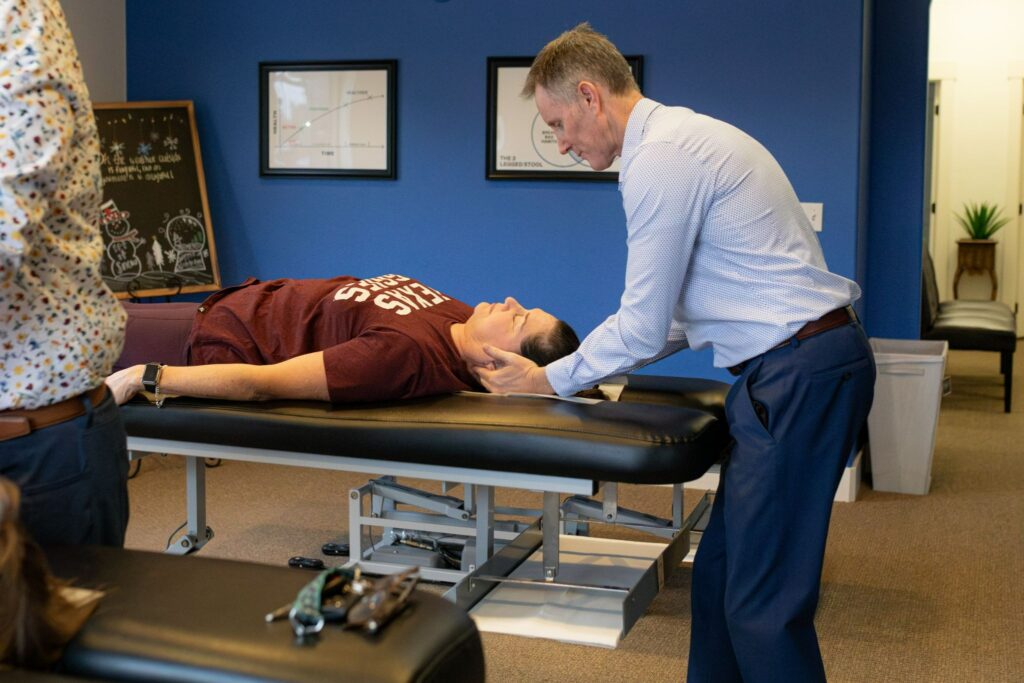

As a local chiropractor, I often see athletes who find that traditional recovery methods alone may not be enough to maintain peak performance. That's where alternative therapies come into play. Techniques such as acupuncture, cryotherapy, and therapeutic massage can significantly enhance your recovery process. These approaches not only focus on alleviating physical pain but also play a crucial role in bolstering mental resilience, which is vital for any athlete's success.
If you're intrigued by how these therapies can work in conjunction with chiropractic care, you might start to consider which combinations could be tailored to meet your specific recovery needs. Each individual is unique, and the right mix of treatments can lead to subtle yet powerful improvements in your overall performance.
So, what's the next step in optimizing your recovery? I encourage you to explore these alternative therapies alongside chiropractic care to discover a holistic approach that works for you. Let's work together to enhance your recovery and performance!
Acupuncture Benefits
As a local chiropractor, I want to share with you the remarkable benefits of acupuncture for athletic recovery and overall wellness. Many people may not realize that acupuncture is a powerful tool in the realm of natural healing, especially after engaging in rigorous physical activity.
When you push your body to its limits, it can experience stress and strain, often resulting in soreness and even injuries. Incorporating acupuncture into your recovery routine can significantly enhance your body's natural healing processes.
You might be surprised by the effectiveness of this ancient practice. Acupuncture works by stimulating specific points on your body, which promotes improved blood flow and reduces inflammation. This increase in circulation helps deliver essential nutrients to your muscles, thereby speeding up recovery time.
If you're dealing with tightness or pain, acupuncture can provide relief by triggering the release of endorphins, which are your body's natural painkillers.
Many athletes I've worked with have reported improved flexibility and a greater range of motion after undergoing acupuncture treatments. A single session can address your immediate concerns, but its benefits extend beyond that, contributing to your overall physical and mental well-being.
This is especially valuable during intense training periods or competitive events.
Furthermore, acupuncture can be an effective way to manage stress and anxiety, which many athletes face. By promoting relaxation, acupuncture enhances focus and mental clarity, allowing you to perform at your peak.
As you explore your options for recovery and wellness, consider the holistic approach that acupuncture offers. It might just be the key to unlocking your body's full potential.
Cryotherapy Explained
As your local chiropractor, I'm eager to share with you some exciting recovery techniques that can complement your chiropractic care and enhance your overall wellness. One innovative method that has gained popularity is cryotherapy. This technique involves exposing your body to extremely cold temperatures for a brief duration, usually between two to three minutes. You may experience this in a cryotherapy chamber or through localized devices that focus on specific areas of the body.
Cryotherapy is primarily aimed at reducing inflammation and speeding up recovery. When your body is exposed to cold, your blood vessels constrict, which helps to decrease swelling and alleviate pain. Once you exit the cold environment, your blood vessels dilate, leading to increased blood flow that delivers vital nutrients and oxygen to your muscles. This natural process can aid in reducing soreness and improve recovery after strenuous activities or workouts.
Beyond physical recovery, cryotherapy can also positively impact your mood and energy levels. The sudden drop in temperature often stimulates the release of endorphins, the body's natural feel-good hormones, which can help mitigate stress and enhance your mental well-being. Many athletes and individuals who've tried cryotherapy report feeling revitalized and more alert following their sessions.
It's important to remember that cryotherapy may not be suitable for everyone, but integrating it into your wellness routine could provide substantial benefits. If you're interested in exploring cryotherapy as part of your recovery journey, I encourage you to consult with a healthcare professional or sports therapist.
They can help determine how this treatment might fit into your personalized recovery plan. With the right approach, you can enhance your performance and accelerate your recovery time, all while embracing natural healing methods that support your body's innate ability to heal.
Massage Therapy Techniques
As a local chiropractor, I often emphasize the importance of holistic approaches to recovery, particularly through massage therapy techniques. Many athletes and fitness enthusiasts discover that these methods can significantly enhance their recovery process. By reducing muscle tension, improving circulation, and promoting relaxation, massage therapy plays a vital role in achieving faster recovery times.
One of the widely recognized methods is Swedish massage, known for its long, flowing strokes that enhance blood flow and alleviate soreness. Many of my patients appreciate its calming effects, especially after intense workouts.
If you're seeking a more targeted approach, deep tissue massage could be beneficial. This technique delves into deeper muscle layers, breaking up adhesions and relieving chronic pain. While it can be more intense, it effectively addresses specific problem areas that may be hindering your performance.
I also recommend sports massage, which is specifically designed for athletes. This technique merges elements of Swedish and deep tissue massage, helping to prepare your body for optimal performance while assisting in recovery. It's particularly advantageous during training cycles or leading up to competitions.
Another valuable method to consider is trigger point therapy. This technique focuses on specific tight knots within your muscles that can lead to discomfort and pain. By applying targeted pressure to these points, we can release tension and enhance your overall mobility.
In addition to professional massage therapy, I encourage my patients to incorporate self-massage tools into their recovery routine. Tools like foam rollers or massage balls enable you to target sore areas on your own, helping maintain muscle health between appointments.
Integrating these massage therapy techniques into your recovery regimen can significantly improve your athletic performance and overall well-being. As your chiropractor, I'm here to support you on your journey to natural healing and optimal health.
Hydrotherapy Methods
As a local chiropractor, I want to share with you the importance of hydrotherapy methods in promoting recovery and enhancing your overall well-being. While many people may associate recovery with massage therapy, incorporating hydrotherapy into your wellness routine can yield remarkable benefits for your health and performance.
Hydrotherapy utilizes water in various forms to aid in healing, alleviate muscle soreness, and improve circulation. One effective technique you might want to consider is contrast water therapy. This method involves alternating between hot and cold water immersion, which can stimulate blood flow, reduce inflammation, and accelerate the recovery process. For example, you can try soaking in a hot bath for three minutes followed by cold water for one minute. Repeating this cycle several times can leave you feeling rejuvenated.
Another beneficial approach is warm water immersion. Soaking in warm water can help relax your muscles and joints, providing significant relief from tension and soreness. If you add Epsom salts to your bath, the magnesium can further assist in muscle recovery. Using a hot tub or sauna can also provide similar relaxation benefits, making it easier for your body to unwind after strenuous activities.
Additionally, aquatic therapy, which involves performing exercises in water, is a fantastic option for enhancing recovery. The buoyancy of water reduces strain on your joints, allowing you to maintain your fitness while promoting healing. Whether you swim, participate in water aerobics, or engage in resistance training in the pool, you may find that exercising in water is both enjoyable and advantageous for your recovery.
Mindfulness and Meditation
As a local chiropractor, I want to share how incorporating mindfulness and meditation can significantly enhance your recovery process, especially if you're involved in sports or regular physical activity.
While many people are familiar with the physical benefits of chiropractic care, it's essential to recognize that mental well-being plays a crucial role in overall recovery.
Physical recovery is just one component; mental resilience is equally important. By integrating mindfulness practices into your daily routine, you can achieve a healthier balance between body and mind. Dedicating just a few minutes each day to mindfulness or meditation can greatly improve your focus and instill a sense of calmness.
This practice encourages you to stay present, which can help clear away distractions that may impede your recovery or performance.
I recommend starting with simple techniques, such as deep breathing exercises or guided meditations, to ease you into the practice. Consider setting aside time after your workouts or before bedtime to engage in mindfulness.
During these moments, concentrate on your breathing and let go of any anxieties related to physical performance or recovery. Studies have shown that regular mindfulness practice can reduce cortisol levels—the stress hormone—helping your body recover more effectively.
Additionally, practicing mindfulness can enhance your ability to tune into your body's signals. By becoming more aware of your mental state, you can identify signs of fatigue or stress early on, allowing you to make informed adjustments to your training regimen.
This proactive approach can lead to better recovery outcomes.
Embracing mindfulness and meditation can truly transform your journey towards better health. As your chiropractor, I encourage you to explore these practices as a natural complement to your chiropractic care, fostering both physical and mental healing.
Nutritional Supplements
As a local chiropractor, I want to share how nutritional supplements can significantly enhance your recovery process, particularly when it comes to the natural healing your body is capable of.
After intense physical activity, your body often requires more than what regular meals can provide to repair and rebuild effectively. This is where nutritional supplements can play a crucial role in your recovery.
Protein supplements, such as whey or plant-based powders, are vital for muscle recovery. They supply your muscles with the essential building blocks they need, helping to reduce soreness and speed up the repair process.
Consuming protein shortly after your workout can maximize these benefits, ensuring your muscles receive the necessary support when it matters most.
Creatine is another supplement that can be beneficial for recovery. It aids in replenishing ATP, which is the energy source your muscles rely on during high-intensity workouts.
By enhancing both your strength and recovery time, creatine enables you to train harder and more effectively, aligning perfectly with the principles of chiropractic care which focus on optimizing your body's performance.
Don't forget about the importance of vitamins and minerals. Supplements like vitamin D, magnesium, and omega-3 fatty acids play a crucial role in reducing inflammation and supporting overall recovery.
These nutrients also contribute to immune function, ensuring you stay healthy and ready for your next training session.
Additionally, hydration is key to recovery, and hydration supplements, such as electrolyte powders, can help restore balance after you've been sweating.
They assist in preventing cramps and fatigue, allowing your body to function at its best.
Incorporating these nutritional supplements into your routine can significantly enhance your recovery, enabling you to train harder and achieve your fitness goals more efficiently.
However, it's always wise to consult with a healthcare professional, such as a chiropractor, before starting any new supplement regimen to ensure it's suitable for your individual needs and aligns with your overall health plan.
Essential Oils and Aromatherapy
As a local chiropractor, I want to share how essential oils and aromatherapy can serve as valuable tools in your recovery journey. These natural remedies can enhance both your physical and mental well-being, making them a fantastic complement to your post-adjustment care.
By incorporating these fragrant oils into your routine, you may experience benefits such as reduced muscle soreness, improved mood, and better sleep quality.
One essential oil I often recommend for my patients is lavender. Known for its calming properties, lavender can help you unwind after a challenging day, promoting relaxation and deeper sleep.
Consider diffusing lavender oil in your bedroom or adding a few drops to your bath. This simple step can enhance your recovery process after chiropractic adjustments.
Eucalyptus oil is another excellent choice, particularly for its anti-inflammatory properties. When applied topically, eucalyptus can help relieve muscle tension and soreness.
I suggest mixing eucalyptus oil with a carrier oil, such as coconut or jojoba, and gently massaging it into any sore areas. This technique can be especially beneficial after your chiropractic sessions.
Don't overlook peppermint oil, which can be a game-changer for many. Its invigorating scent may boost your energy levels and improve mental clarity.
You might inhale peppermint oil during your warm-up or use it in a post-adjustment massage to enhance blood flow and aid in your recovery.
To get started, I encourage you to experiment with different essential oils to discover what resonates with you.
Always remember to dilute essential oils before applying them to your skin, and if you have any concerns, consult with a healthcare professional.
Conclusion
As a local chiropractor, I want to emphasize the significant benefits of incorporating alternative therapies into your recovery routine. These therapies can greatly enhance your athletic performance and overall well-being. By exploring options such as acupuncture, cryotherapy, massage therapy, and mindfulness practices, you're not only focusing on physical recovery but also building your mental resilience.
It's important to understand that recovery is a holistic process. Alongside these therapies, nutrition plays a crucial role in supporting your journey. Additionally, the use of essential oils can provide further benefits that complement your recovery efforts.
By embracing these natural healing approaches, you can elevate your recovery experience. Many of my patients have reported noticeable improvements in their performance and overall health when they integrate these practices into their routine. If you're curious about how chiropractic care and these alternative therapies can work together for your recovery, I'm here to help guide you on that path.