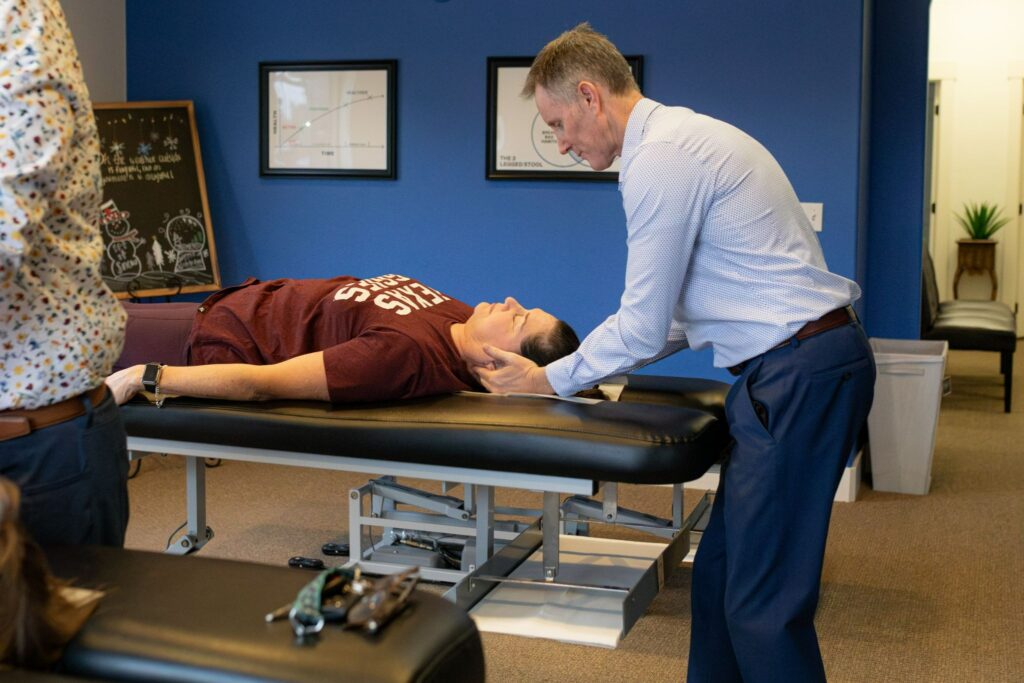

When considering recovery from a sports injury, it's important to recognize that healing goes beyond just the physical aspects. Many people overlook the significant benefits that chiropractic care and various therapies can offer in enhancing your recovery process. As a local chiropractor, I want to help you understand how integrating techniques like spinal adjustments, physical therapy, and complementary treatments such as cryotherapy and acupuncture can be crucial in your healing journey.
The key to an effective recovery plan lies in customization. It's essential to address not only your physical needs but also your mental well-being. Chiropractic care focuses on restoring balance to your body, which can alleviate pain and improve mobility, while also reducing stress and promoting relaxation. By working together, we can tailor a recovery plan that suits your individual situation, ensuring a holistic approach to your healing process. Remember, recovery is not just about getting back on the field; it's about returning to a state of overall wellness.
Importance of Recovery Time
As a local chiropractor, I want to emphasize the critical role that recovery time plays for athletes recovering from injuries. It's not merely a pause in your activity; it's an essential phase that allows your body to heal and regain strength effectively. Many individuals feel tempted to push through pain or hurry back into their sports, but this can lead to worsening injuries or even new complications.
By taking the appropriate time to recover, you enable your muscles, tendons, and ligaments to repair properly, which is vital for long-term health. During your recovery, your body engages in several important healing processes. This is when inflammation starts to decrease, blood circulation improves, and tissue regeneration occurs.
I understand the eagerness to return to the field, but rushing back too soon can result in setbacks that could sideline you for much longer. By allowing yourself the necessary recovery time, you're not only safeguarding your physical well-being but also ensuring that you're mentally prepared to re-enter the competitive arena.
It's crucial to listen to your body's signals throughout this recovery phase. Rest doesn't mean you have to be completely inactive; you can still engage in light exercises or mobility work that doesn't strain the injured area. This balanced approach helps maintain your fitness levels while fostering healing.
Moreover, having a structured recovery plan can be incredibly beneficial in tracking your progress. Setting realistic goals and consulting with healthcare professionals, like chiropractors, can provide insight into when it's safe for you to return to play.
Role of Physical Therapy
As a local chiropractor, I want to emphasize the vital role that physical therapy can play in your recovery from sports injuries. It offers a wide range of benefits and utilizes various techniques specifically tailored to meet your individual needs.
We focus on creating personalized treatment plans that help you regain your strength and mobility effectively.
Understanding the importance of physical therapy in conjunction with chiropractic care can significantly enhance your rehabilitation journey.
We believe in a holistic approach to healing, utilizing natural methods to support your body's innate ability to heal itself.
Benefits of Physical Therapy
When it comes to recovering from sports injuries, exploring the benefits of chiropractic care can significantly enhance your healing journey. One of the core advantages of visiting a chiropractor is the focus on restoring strength and flexibility, which are crucial for returning to your favorite activities. Through specific adjustments and targeted exercises, we can help you rebuild muscle and improve your overall range of motion.
Another important benefit of chiropractic care is effective pain management. Chiropractors employ a variety of techniques, including spinal adjustments and soft tissue therapies, to alleviate discomfort. This approach allows you to engage in your rehabilitation more comfortably, helping to boost your motivation and adherence to your recovery plan.
Education is also a key component of our practice. As your chiropractor, I'll provide you with insights about your injury, strategies to prevent future issues, and guidance on maintaining proper body mechanics. This knowledge empowers you to make informed choices about your training and overall wellness.
Moreover, chiropractic care offers a structured environment to monitor your progress. Regular evaluations allow us to track improvements, keeping you accountable and motivated as you witness your recovery unfold.
Techniques for Injury Recovery
As a local chiropractor, I want to share with you some effective techniques for recovery from sports injuries that can complement your healing process.
Chiropractic care focuses on natural healing methods that enhance your body's ability to recover, regain strength, and prevent future injuries. Here are some essential techniques that can make a significant difference in your recovery:
- Chiropractic Adjustments: Gentle manipulations to align your spine and joints, improving mobility and reducing pain.
- Rehabilitative Exercises: Customized exercise programs that focus on strengthening muscles and enhancing flexibility, tailored to your specific needs.
- Physical Modalities: Techniques such as heat therapy, ice application, and electrical stimulation that help alleviate pain and reduce inflammation.
- Balance and Coordination Activities: Exercises aimed at restoring your balance and coordination, crucial for preventing future injuries.
- Patient Education: Understanding your injury and learning prevention strategies to minimize the risk of recurrence is a vital part of your recovery.
By integrating these chiropractic techniques into your rehabilitation, you not only accelerate your recovery but also prepare your body for a safe return to sports.
Working closely with a chiropractor ensures that you receive personalized care designed to meet your unique needs.
Personalized Treatment Plans
Creating a personalized treatment plan is essential for effective recovery from sports injuries, and chiropractic care plays a pivotal role in this process. When you come to see me, a chiropractor, I'll assess your specific injury, athletic goals, and overall health to develop a tailored approach that ensures you receive the right techniques and therapies for optimal healing.
First, I'll identify the nature and severity of your injury. This assessment allows me to create a comprehensive regimen that may include spinal adjustments, rehabilitation exercises, and lifestyle modifications. By focusing on your unique needs, we can address any weaknesses or imbalances that may have contributed to your injury, promoting a holistic path to recovery.
As you progress, I'll continually adjust your treatment plan based on your recovery milestones. This ongoing evaluation is crucial for keeping you on track and preventing setbacks. Open communication is key; by sharing any discomfort or concerns during our sessions, I can modify your plan to better suit your needs.
Incorporating chiropractic care into your recovery not only accelerates the healing process but also provides you with the knowledge and tools to prevent future injuries.
Benefits of Cryotherapy
As a local chiropractor, I want to share with you the incredible benefits of cryotherapy, especially for athletes or anyone recovering from injuries. This innovative treatment involves exposing your body to extremely cold temperatures for a brief period, which can significantly enhance your recovery process and alleviate pain.
Let me highlight some of the key advantages of integrating cryotherapy into your rehabilitation routine:
- Reduced Inflammation: Cryotherapy is effective in minimizing swelling and inflammation, which are crucial for a swift recovery from injuries.
- Pain Relief: The cold therapy numbs the affected area, offering immediate relief from pain and discomfort that can often accompany injuries.
- Enhanced Recovery: By accelerating the muscle repair process, cryotherapy allows you to return to your activities more quickly and safely.
- Improved Circulation: Initially, cold exposure constricts blood vessels, but once the session is over, these vessels dilate, improving blood flow and delivering essential nutrients to your healing tissues.
- Boosted Mood: Cryotherapy can stimulate the release of endorphins, which can elevate your mood and improve your mental state while you're on the road to recovery.
Incorporating cryotherapy into your recovery plan not only aids in physical healing but also helps bolster your mental resilience. You may find yourself feeling rejuvenated, and your body will truly appreciate the care you provide.
Whether you're dealing with a minor strain or a more serious injury, cryotherapy can serve as a valuable addition to your recovery toolkit. I encourage you to consider including it in your wellness regimen and experience the comprehensive benefits it offers for your overall healing journey.
Acupuncture for Pain Relief
As a local chiropractor, I want to share with you the incredible benefits of acupuncture as part of your pain relief and recovery journey. While many people are familiar with chiropractic adjustments for alignment and pain management, acupuncture is another powerful tool that can enhance your healing process. This ancient practice involves inserting very thin needles into specific points on your body, which stimulates the nervous system and encourages your body to heal naturally.
If you're experiencing sports injuries, acupuncture can be particularly beneficial. It helps reduce inflammation and improves blood flow, both of which are essential for a speedy recovery. You might wonder how it works: by targeting specific acupoints, acupuncture triggers the release of endorphins and other natural pain-relieving chemicals in your body. This means you not only experience less pain but may also notice improved mobility in the affected areas.
Many athletes I've worked with have reported significant reductions in pain and tension after just a few sessions. Incorporating acupuncture into your recovery plan can truly be a game-changer, especially if conventional pain management methods haven't provided the relief you were hoping for.
It's a holistic approach that complements chiropractic care and other therapies, allowing your body to heal more effectively. Additionally, acupuncture can help alleviate any emotional stress associated with your injury, promoting a sense of well-being alongside physical recovery.
Before you begin, it's crucial to consult with a qualified acupuncturist who understands sports injuries and can tailor the treatment to your specific needs. This ensures you get the most benefit from your sessions.
If you're looking for a natural and effective way to enhance your recovery, I encourage you to consider adding acupuncture to your therapy toolbox. It might just be the relief you've been searching for.
Massage Therapy Techniques
As a local chiropractor, I want to share the vital role that massage therapy plays in the recovery from sports injuries.
Integrating various massage techniques into your rehabilitation process can significantly alleviate pain, enhance flexibility, and support your body's natural healing abilities. This means you can return to your favorite activities more swiftly and effectively.
Here are five massage techniques that I recommend considering:
– Swedish Massage: This technique employs gentle, long strokes and kneading to relax your muscles, improve blood circulation, and decrease overall tension in your body.
It's an excellent starting point for relaxation and recovery.
– Deep Tissue Massage: If you're dealing with chronic pain or stiffness, deep tissue massage focuses on the deeper layers of muscle and connective tissue.
This method can be particularly beneficial in restoring your mobility after an injury.
- Sports Massage: Specifically designed for athletes, sports massage combines various techniques that prepare your body for physical activity, reduce post-exercise soreness, and accelerate recovery after competitions.
- Trigger Point Therapy: This targeted approach deals with specific areas of tightness, known as "trigger points," in your muscles.
Applying pressure to these spots can effectively relieve pain and enhance your range of motion.
– Myofascial Release: This technique emphasizes relieving tension in the fascia, the connective tissue that envelops muscles.
By addressing this area, you can alleviate stiffness and improve your overall flexibility.
Incorporating these massage techniques into your recovery plan can greatly complement chiropractic care, enhancing your body's ability to heal itself naturally.
If you have any questions or would like to learn more about how these therapies can work together, feel free to reach out!
Active Recovery Strategies
Incorporating massage therapy into your recovery plan is just one component of a comprehensive approach to healing. As a chiropractor, I want to emphasize the importance of active recovery strategies to truly enhance your rehabilitation. These techniques are designed to improve blood flow, reduce muscle stiffness, and promote overall healing without placing excessive strain on your injury.
Let's start with gentle movement. Engaging in low-impact activities such as walking, swimming, or cycling can keep your body active while allowing your injury to heal. I recommend aiming for short sessions that won't exacerbate your condition, yet will keep your muscles engaged. It's crucial to listen to your body; if something doesn't feel right, please adjust your activity level accordingly.
Another valuable strategy to consider is incorporating stretching into your routine. Focus on gentle, controlled stretches that target the muscles surrounding your injury without putting stress on the affected area. This practice can help maintain flexibility and range of motion, both of which are essential for a complete recovery.
You might also want to add foam rolling or self-myofascial release to your active recovery plan. These techniques can help alleviate tension in tight muscles and improve circulation, facilitating your body's natural repair processes. Just remember to be gentle—applying too much pressure can lead to further injury, and it's best to consult with a professional if you're unsure.
Additionally, I encourage you to embrace active rest days. Rather than opting for complete inactivity, engage in restorative activities like yoga or tai chi. These practices not only enhance body awareness but also promote relaxation, making a positive contribution to your recovery journey.
Nutritional Support for Healing
As your local chiropractor, I want to emphasize the significant role that proper nutrition plays in your recovery from sports injuries. Understanding how the right nutrients can aid in healing is crucial, especially if you're new to chiropractic care and natural healing.
When you sustain an injury, your body has heightened nutritional needs to repair tissues, reduce inflammation, and rebuild strength. Here's what you should focus on in your diet:
- Protein: This nutrient is key for muscle repair and tissue regeneration. Incorporate lean meats, fish, eggs, or plant-based options like beans and lentils into your meals to support your healing process.
- Omega-3 Fatty Acids: These are well-known for their anti-inflammatory benefits. You can find omega-3s in fatty fish, such as salmon, as well as in walnuts and flaxseeds. Including these in your diet can help reduce inflammation associated with injuries.
- Vitamins C and E: Both of these vitamins serve as powerful antioxidants that protect your cells from damage. Citrus fruits, berries, nuts, and seeds are excellent sources that you should consider adding to your daily intake.
- Zinc: This mineral plays a vital role in healing and supporting your immune system. Foods like meat, shellfish, legumes, and whole grains are great ways to ensure you're getting enough zinc in your diet.
- Hydration: Staying well-hydrated is essential for all bodily functions, including recovery from injuries. Make it a habit to drink water regularly, and if you're sweating more during your rehabilitation, consider electrolyte-rich beverages to replenish what you lose.
By focusing on these nutritional aspects, you can significantly enhance your healing process and overall recovery.
If you have any questions about how chiropractic care can complement your nutritional efforts, feel free to ask during your next visit!
Mental Health and Recovery
As you embark on your recovery from a sports injury, it's crucial to understand that emotional resilience plays a vital role alongside physical healing.
In my practice as a chiropractor, I emphasize the importance of effective stress management techniques to help you navigate the emotional ups and downs that often accompany recovery.
By focusing on your mental health, you can significantly enhance your overall well-being and performance when you return to your sport.
Chiropractic care not only addresses your physical injuries but also supports your journey towards a balanced mind and body, ensuring a more holistic approach to your healing process.
Emotional Resilience Building
Building emotional resilience during your recovery from a sports injury is a vital aspect of the healing process, and as your local chiropractor, I want to help you navigate this journey.
It's completely normal to encounter feelings of frustration, sadness, or anxiety while you heal. Developing emotional resilience will empower you to overcome these challenges and maintain focus on your recovery goals.
Here are some strategies that can enhance your emotional resilience during this time:
- Stay connected: It's important to surround yourself with a supportive network—friends, family, and teammates who understand the complexities of your journey. They can provide encouragement and motivation when you need it most.
- Practice self-compassion: Healing isn't just physical; it's emotional too. Be gentle with yourself and recognize that recovery takes time. Acknowledge your feelings and allow yourself to process them without judgment.
- Set realistic goals: I encourage you to break your recovery into smaller, manageable milestones. This approach not only helps you stay motivated but also gives you a sense of accomplishment with each step forward.
- Reflect on past challenges: Take a moment to think about previous hurdles you've overcome. Reminding yourself of your inner strength and resilience can be a powerful motivator as you face your current recovery.
- Express your feelings: Consider journaling or discussing your emotions with someone you trust. This practice can bring clarity and help you process the rollercoaster of feelings that often accompanies recovery.
Remember, emotional resilience is just as important as physical healing. By incorporating these strategies, you can support both your mind and body on the road to recovery.
As your chiropractor, I'm here to assist you every step of the way.
Stress Management Techniques
As a local chiropractor, I understand that managing stress effectively during your recovery from a sports injury is crucial for both your mental well-being and the overall healing process. Stress can impede your recovery by increasing tension and discomfort, so it's important to incorporate techniques that resonate with you.
One effective method I often recommend is practicing deep breathing exercises. This straightforward technique can significantly calm your mind and alleviate anxiety. Simply inhale deeply through your nose, hold for a few seconds, and then exhale slowly through your mouth. I suggest repeating this several times throughout the day to help keep stress levels in check.
In addition, integrating mindfulness and meditation into your daily routine can be incredibly advantageous. Just a few minutes spent focusing on your breath or visualizing a positive outcome can make a difference. There are various apps, like Headspace or Calm, that can help guide you through these practices if you're new to them.
Engaging in physical activity, even if it's limited, can also be a wonderful stress reliever. Gentle movements such as stretching or yoga can enhance your mood and keep your body active, which is vital during recovery.
Lastly, remember that sharing your feelings is important. Don't hesitate to talk to someone about your worries, whether it's friends, family, or a therapist. This emotional support can provide relief and help you navigate your recovery journey.
Customizing Your Recovery Plan
Creating a personalized recovery plan is crucial for achieving optimal results after a sports injury, and as a chiropractor, I want to emphasize the importance of tailoring this plan to your unique needs. Each athlete is different, and a generic approach simply won't meet your specific requirements.
By customizing your recovery, you can effectively address your injury and your individual circumstances. Here are some important factors to consider when developing your personalized recovery plan:
- Injury Type: It's vital to understand the nature of your injury. Different injuries have distinct healing requirements, and recognizing these will help us determine the best course of action.
- Activity Level: Evaluating how active you're and which sports or activities you wish to return to is key. This allows us to set realistic and attainable goals together.
- Healing Timeline: Every body heals at its own pace. Some injuries recover more quickly than others, so your recovery plan should reflect your individual healing timeline.
- Therapeutic Techniques: As a chiropractor, I can offer various therapeutic approaches, including spinal adjustments, soft tissue therapies, and rehabilitation exercises. Together, we can discover which methods work best for your recovery.
- Support System: Having a support network can greatly enhance your recovery journey. Whether it's family, friends, or a coach, identifying those who can motivate and assist you during this process is essential.
Conclusion
As a local chiropractor, I want to share how incorporating a variety of therapies can significantly boost your recovery from sports injuries. By creating personalized rehabilitation plans tailored to your specific needs, we can enhance your strength and mobility more effectively. It's also essential to consider active recovery strategies and nutritional support, which play vital roles in your healing process.
Furthermore, don't underestimate the impact of mental health on your recovery journey. Emotional resilience is crucial, and addressing this aspect can greatly aid in your overall healing. By customizing your recovery plan to fit your unique circumstances, we can work together to ensure you return to your sport not just healed, but stronger than ever. Embrace the power of chiropractic care and natural healing methods as part of your recovery strategy!