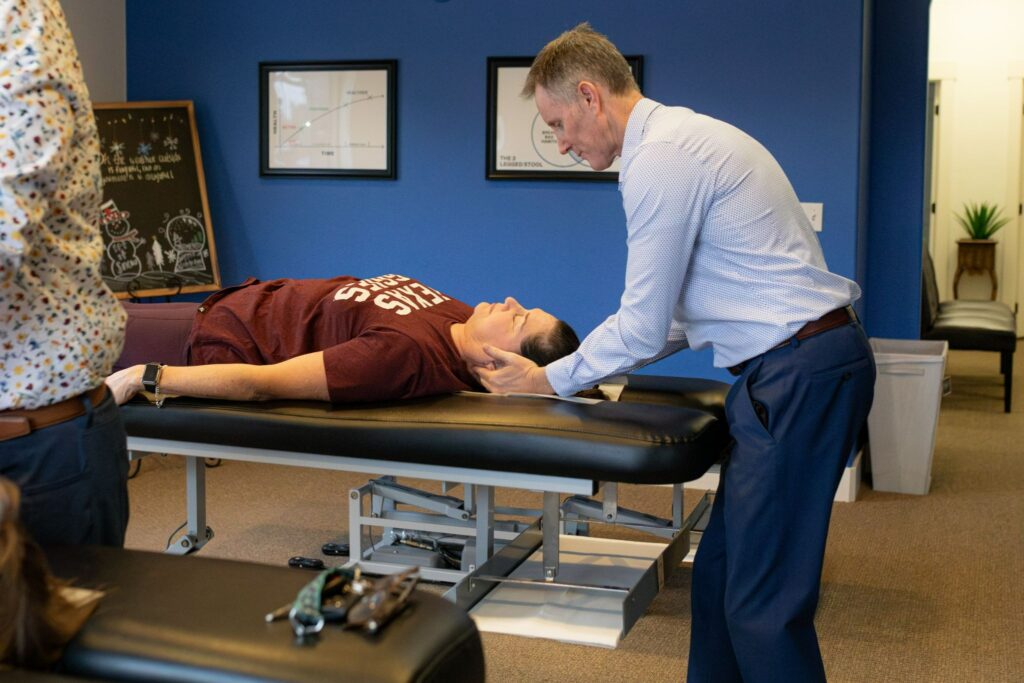

As a local chiropractor, I often see patients struggling with back pain, a prevalent concern for many. However, the good news is that there are effective strategies to help you prevent this discomfort. By concentrating on building core strength, enhancing flexibility, and maintaining proper posture, you can significantly lower your chances of experiencing back pain.
Incorporating specific exercises into your daily routine can truly make a difference in supporting your spine and improving your overall well-being. So, what exercises should you consider to ensure your back remains healthy? Let’s delve into the essential movements that can benefit your spine and promote a pain-free lifestyle. Remember, taking proactive steps now can lead to a healthier future for your back!
Understanding Back Pain: Causes and Risk Factors
As your local chiropractor, I want to help you understand back pain and the factors that contribute to it so you can manage your discomfort more effectively.
Back pain can stem from various causes, including muscle strains, herniated discs, and poor posture. Often, activities like repetitive movements or heavy lifting can make the pain worse. Additionally, lifestyle choices—such as a sedentary routine or being overweight—can significantly increase your risk of developing back issues.
It’s also important to consider certain risk factors that may affect your likelihood of experiencing back pain. For example, as we age, the chances of developing degenerative disc disease increase. If you have a family history of back problems, you might be more susceptible to similar conditions.
By recognizing these causes and risk factors, you can pinpoint potential triggers in your everyday life. This awareness allows you to take proactive measures to manage and alleviate your back pain naturally.
In my practice, I focus on holistic approaches to healing that emphasize the body’s innate ability to heal itself. Together, we can explore strategies to support your back health and improve your overall well-being.
The Importance of Core Strength for Back Health
As a local chiropractor, I want to emphasize the vital role that core strength plays in your overall back health and in preventing pain. Strong core muscles act as a supportive framework for your spine, which significantly reduces the stress placed on your back. This means that when your core is robust, you’re much less likely to feel discomfort during everyday activities or while exercising.
A stable core helps to stabilize your pelvis and spine, leading to better posture and improved balance.
To enhance your core strength, I recommend focusing on exercises that specifically target your abdominal muscles, obliques, and lower back. Effective exercises include planks, bridges, and bird-dogs. By incorporating these movements into your fitness routine, you can build a solid foundation that will help protect your back from injury.
Remember, maintaining a strong core is essential for a healthy spine, and it can greatly improve your quality of life.
If you have any questions about how to safely incorporate these exercises into your routine or if you’re experiencing back pain, please feel free to reach out. I’m here to help you on your journey to better health through natural healing methods.
Stretching Exercises to Enhance Flexibility
As a local chiropractor, I want to emphasize the importance of flexibility in maintaining a healthy back and preventing pain. Many of my patients are often unaware of how stretching can significantly improve their overall mobility and support their back health.
By incorporating specific stretching exercises into your daily routine, you can target not only your back but also the surrounding muscles that contribute to your well-being. These techniques are designed to enhance your flexibility, making it easier for you to move and function throughout your day.
I encourage you to commit to a daily stretching routine, as it can greatly alleviate discomfort and promote a healthier spine. Remember, taking care of your body naturally through practices like stretching is an essential part of your journey to optimal health.
Importance of Flexibility
As a local chiropractor dedicated to your health, I want to share the importance of flexibility in managing and preventing back pain. Many people often associate back pain relief solely with strength training, but enhancing your flexibility through stretching exercises is just as crucial.
Flexibility plays a key role in improving your range of motion, which helps to prevent injuries and alleviate muscle tension. When your muscles are flexible, they provide better support for your spine, leading to improved posture and a reduction in pain.
Incorporating regular stretching into your routine not only promotes blood flow, delivering essential nutrients to your muscles, but it also aids in recovery. Moreover, stretching can relieve stress and tension, contributing to an overall sense of relaxation within your body.
By integrating flexibility exercises into your daily activities, you’ll find that you can move more freely and comfortably. This is an essential aspect of maintaining your well-being.
Key Stretching Techniques
As your local chiropractor, I want to help you understand the importance of incorporating effective stretching techniques into your daily routine. These practices can significantly enhance your flexibility and support your journey toward improved back health.
Start with dynamic stretches to warm up your muscles before any physical activity. Simple movements like arm circles and torso twists are excellent for getting your body ready.
Once you’re warmed up, consider deeper flexibility work with static stretches such as the seated forward bend and cat-cow pose. These stretches specifically target your spine, hamstrings, and hip flexors, helping to relieve tension and promote a healthy range of motion.
It’s essential to hold each stretch for 15 to 30 seconds, allowing your body to relax with deep, steady breaths. As you become more familiar with these techniques, it’s crucial to listen to your body and avoid pushing yourself too hard.
By regularly practicing these key stretching techniques, you can help prevent back pain and improve your overall mobility, making daily activities feel easier and more enjoyable.
Daily Stretching Routine
As a local chiropractor dedicated to your overall health and well-being, I want to emphasize the importance of establishing a daily stretching routine to enhance your flexibility and support your back health. It’s a simple yet effective way to promote natural healing and alleviate discomfort.
Begin your routine with gentle neck rolls, which are excellent for relieving tension that can accumulate in this area. Next, move on to shoulder stretches to open up your upper body, helping to improve posture and reduce strain on your back.
Incorporating side bends is also beneficial, as they target your obliques and lower back, allowing for a more comprehensive stretch. For your legs, consider doing hamstring stretches while seated. This not only improves flexibility but also helps relieve pressure on your spine, which is crucial for maintaining a healthy back.
Don’t overlook hip openers—these stretches can significantly benefit your lower back by promoting better mobility.
To conclude your routine, perform a seated forward fold to release any lingering tightness throughout your body.
I recommend dedicating at least 10-15 minutes each day to this routine. Consistency is essential, so be sure to listen to your body and adjust the stretches as needed.
Strengthening Your Lower Back: Key Exercises
As a local chiropractor, I want to emphasize the importance of strengthening your lower back for pain relief and improved mobility. Many patients I see can benefit significantly from incorporating specific exercises into their daily routine.
One highly effective exercise is the bird-dog. This move not only targets your core but also stabilizes your spine, which is crucial for overall back health. To perform the bird-dog, start on all fours, then extend one arm and the opposite leg while engaging your core. Hold this position for a few seconds before switching sides.
Another fantastic exercise is the bridge. To do this, lie on your back with your knees bent and feet flat on the floor. Lift your hips towards the ceiling while engaging your glutes and lower back. I recommend aiming for 10-15 repetitions to build strength effectively.
Don’t overlook the superman exercise either. Lie face down and simultaneously raise your arms and legs off the ground, holding this position for a few seconds. This exercise works your entire lower back and can be very beneficial for strengthening the muscles that support your spine.
Lastly, consider adding planks to your routine. Planks are excellent for building core strength, which plays a vital role in supporting your lower back. Start by holding a plank for 20-30 seconds, and as you grow stronger, gradually increase the duration.
By regularly incorporating these exercises into your routine, you can help fortify your lower back, reduce pain, and enhance your overall mobility. If you have questions or need guidance on proper form, feel free to reach out during your next visit.
Your journey to better back health is important, and I’m here to support you every step of the way.
Upper Back and Shoulder Strengthening Routines
As your local chiropractor, I want to emphasize the importance of not just focusing on your lower back, but also paying attention to your upper back and shoulders. Strengthening these areas is vital for maintaining a balanced posture and can significantly reduce strain on your spine, which is essential for overall health.
One effective exercise to consider is the seated row. Using resistance bands or a cable machine, pull the handles towards you while squeezing your shoulder blades together. This movement is excellent for reinforcing the muscles in your upper back. I recommend aiming for three sets of 10 to 15 repetitions.
Another beneficial exercise is the wall angel. Stand with your back against a wall, and slide your arms up and down while ensuring that they remain in contact with the wall. This not only helps with shoulder mobility but also provides stability, which is crucial for your upper body function.
Additionally, incorporating reverse flys with dumbbells can effectively target your upper back. Bend slightly forward at the hips and lift the weights out to the side. This exercise can help strengthen the muscles that support your shoulders.
Lastly, consider adding plank variations to your routine. These not only engage your shoulders but also strengthen your core, promoting better overall stability and function.
By incorporating these exercises into your routine, you can help prevent back pain and enhance your overall wellness.
Posture Correction Techniques for Daily Activities
As your local chiropractor, I want to emphasize the importance of maintaining a healthy back through proper posture in your everyday activities.
Many people underestimate how simple adjustments can significantly impact their spinal health. By optimizing your desk setup and utilizing correct lifting techniques, you can alleviate back pain and enhance your overall comfort.
Let’s take a closer look at how these small changes can lead to big improvements in your daily life.
Whether you’re working at a computer or lifting heavy objects, being mindful of your posture can protect your spine and promote natural healing.
Desk Ergonomics Tips
As a chiropractor, I often see patients who struggle with back pain due to poor posture while working at their desks. I want to share some important tips that can help you improve your comfort and overall well-being during those long hours at your workstation.
First and foremost, it’s crucial to adjust your chair correctly. Make sure your feet are flat on the floor, and your knees are bent at a right angle. This position helps to support your spine and reduces strain on your back.
Keep your back straight and shoulders relaxed, which means avoiding that common tendency to hunch over your keyboard.
Next, consider the placement of your monitor. It should be at eye level and about an arm’s length away from you. This setup will help prevent strain on your neck and eyes, allowing you to maintain a more natural posture.
If your chair doesn’t provide adequate lumbar support, don’t hesitate to use a cushion for extra support in your lower back. This small adjustment can make a huge difference in how you feel throughout the day.
Lastly, it’s essential to take regular breaks. I recommend standing up, stretching, and moving around every hour. These breaks not only help relieve tension but also promote better circulation, which is vital for your overall health.
By implementing these simple adjustments, you can significantly improve your daily comfort and reduce the risk of back pain.
Proper Lifting Techniques
As a local chiropractor, I want to emphasize the importance of proper lifting techniques to help you avoid back pain and injuries. Many people don’t realize how crucial it’s to protect your spine during everyday activities.
When lifting objects, always bend at your hips and knees rather than your waist. This helps maintain a neutral spine, which is vital for your overall health.
Keep the object you’re lifting close to your body to reduce strain on your back. Engaging your core muscles provides additional support, allowing you to lift with your legs instead of your back.
It’s also important to avoid twisting your body while lifting; instead, pivot your feet to change direction safely.
If you find yourself faced with a load that feels too heavy, don’t hesitate to ask for help or utilize tools like dollies to assist you.
Remember, effective lifting isn’t just about having strength; it’s about using the right techniques to safeguard your back. By practicing these methods, you can significantly reduce your risk of injury and support your body’s natural healing processes.
Your spine will thank you!
Yoga and Pilates for a Stronger Back
As a local chiropractor, I often see patients who are struggling with back pain, and I want to share how incorporating yoga and Pilates into your routine can significantly aid in your recovery and overall back health.
These practices aren’t just trendy; they focus on essential aspects such as building core strength, enhancing flexibility, and ensuring proper alignment—key components for a healthy spine.
In yoga, you’ll discover poses like Cat-Cow and Child’s Pose, which can gently stretch and strengthen your spine while also boosting your awareness of body mechanics.
Even dedicating just a few minutes to these poses can help alleviate tension and improve your mobility.
Pilates takes a slightly different approach by emphasizing controlled movements and stability.
Exercises such as the Pelvic Curl and the Spine Stretch are particularly beneficial as they engage your core muscles, providing much-needed support for your back.
By integrating these practices into your daily regimen, you can complement the chiropractic care you receive and foster a stronger, healthier back.
Incorporating Movement Into a Sedentary Lifestyle
As a local chiropractor, I understand how easy it can be to fall into a sedentary lifestyle, especially when you spend long hours sitting at a desk. However, incorporating movement into your daily routine is simpler than you might think and can significantly benefit your overall health, particularly your spinal health.
One effective strategy is to set a timer to remind yourself to stand up and stretch every hour. Simple stretches, such as reaching your arms overhead or gently twisting from side to side, can help relieve tension that builds up in your back and improve your flexibility.
Taking short walking breaks is another great way to introduce movement into your day. Whether it’s a few laps around your office or home, every bit of movement counts. If you have the option, consider using a standing desk or an adjustable workstation. Alternating between sitting and standing can help alleviate the strain on your spine.
Additionally, try to stay active during phone calls by walking around instead of remaining seated. You might even incorporate some light exercises, like squats or calf raises, while waiting for the kettle to boil.
Remember, small changes can lead to significant improvements in your health. By prioritizing movement throughout your day, you can help counteract the negative effects of prolonged sitting and maintain a healthy spine.
If you have any questions about how chiropractic care can further support your journey toward a healthier lifestyle, feel free to reach out. I’m here to help you!
Tips for Maintaining a Healthy Back Long-Term
As a local chiropractor, my goal is to help you understand how to maintain a healthy back for the long term. It’s important to develop habits that support your spinal wellness in your everyday activities. One of the first things you can do is practice good posture—this means being mindful of how you sit, stand, and lift objects. Keep your shoulders relaxed and ensure your spine is aligned to prevent unnecessary strain.
Incorporating regular stretching and strengthening exercises into your daily routine is crucial. Focus on exercises that strengthen your core, back, and legs. These muscle groups play a vital role in supporting your spine and can help prevent discomfort down the line.
Listen to your body. If you feel any discomfort or pain, don’t just push through it. Take breaks and adjust your activities as needed. Additionally, investing in a supportive chair and mattress is essential for maintaining proper alignment while you rest.
Staying active is another key component of spinal health. Engage in low-impact activities such as walking, swimming, or yoga. These exercises promote flexibility and strength without putting too much strain on your back.
Lastly, managing your weight can significantly reduce stress on your spine, contributing to overall back health.
Conclusion
As your local chiropractor, I want to emphasize the importance of keeping your back healthy through essential exercises that you can easily incorporate into your daily routine. Strengthening your core muscles, improving flexibility, and maintaining good posture are crucial steps in reducing the risk of back pain.
It’s also vital to remember the role of stretching and the proper techniques for lifting heavy objects in your everyday activities. You don’t have to commit to intense workouts—simple practices like yoga, Pilates, or basic strength exercises can make a significant difference. Staying active is one of the best ways to support your spinal health.
By making these exercises a priority, you’re not only investing in your current well-being but also laying the groundwork for a pain-free future. As we focus on natural healing modalities, let’s keep moving and stay strong together!