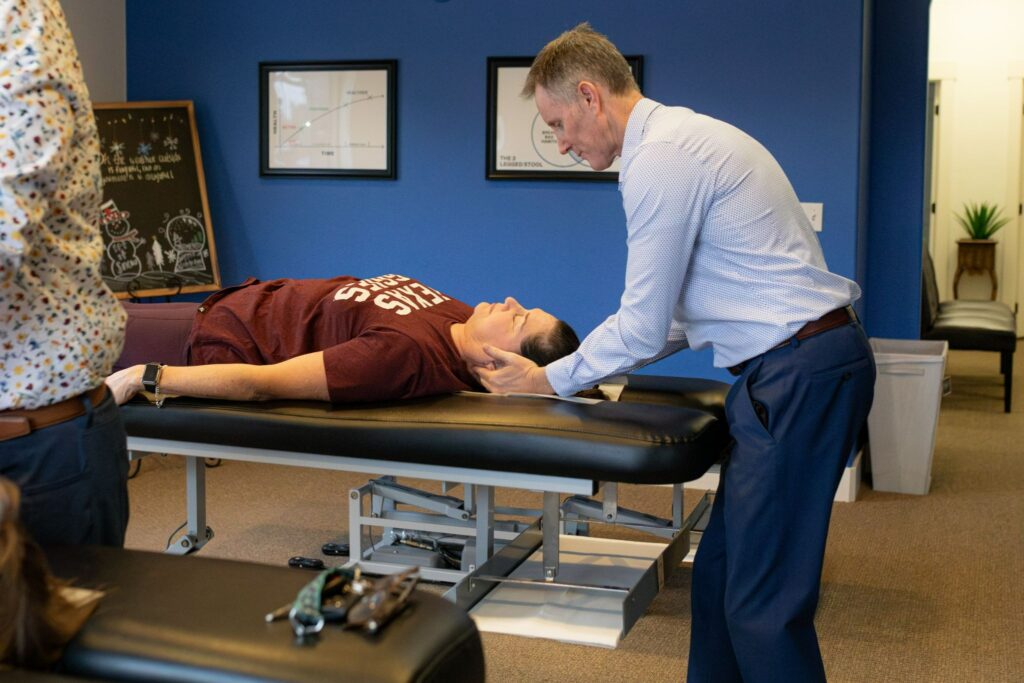

As a local chiropractor, I want to share some important insights on how you can prevent back pain through simple yet effective exercises. Emphasizing core strength, flexibility, and maintaining proper posture is crucial for your spinal health. By incorporating specific movements into your routine, you can stabilize your spine and alleviate discomfort.
So, what exercises should you focus on? It’s essential to prioritize activities that strengthen your core muscles, improve your flexibility, and enhance your posture. Simple exercises like planks, stretches, and proper lifting techniques can go a long way in supporting your back health.
Integrating these exercises into your daily life doesn’t have to be overwhelming. Start small by dedicating just a few minutes each day to practice these movements. Gradually increase the duration and intensity as you become more comfortable. Remember, consistency is key!
As you embark on this journey towards a healthier back, feel free to reach out for guidance. Together, we can develop a personalized plan that fits your lifestyle and promotes long-term well-being. Your back will thank you!
Understanding the Importance of Core Strength
As a local chiropractor dedicated to your health and well-being, I want to emphasize the crucial role core strength plays in preventing back pain. Many people think of core strength as merely having visible abs, but it encompasses so much more. Your core serves as the foundation for your entire body, providing the stability your spine needs to function properly.
When your core muscles are strong, they help stabilize your spine, enhance your posture, and support your everyday movements. This means that by strengthening your core, you can significantly reduce the strain on your back, lowering the risk of injuries and discomfort.
I encourage you to incorporate exercises such as planks, bridges, and abdominal crunches into your fitness routine. These exercises engage various muscle groups, fostering overall strength and stability.
As you develop your core, you may also notice improvements in your balance and coordination, which can contribute to further reducing the risk of back pain.
Stretching for Flexibility and Mobility
As a local chiropractor, I want to emphasize the crucial role that stretching plays in maintaining flexibility and mobility, both of which are vital for a healthy back. Many of my patients are often unaware of how simple stretching techniques can significantly reduce the risk of back pain.
By integrating specific stretches into your daily routine, you can enhance your overall well-being and support your spine’s health.
Let’s delve into some effective stretches that I often recommend, along with a daily routine that can help keep your back feeling fantastic.
Remember, taking the time to stretch isn’t just about relieving tension; it’s about promoting long-term health and preventing discomfort.
If you’re new to these practices, I’m here to guide you through them and answer any questions you might’ve about how chiropractic care and natural healing can support your body.
Importance of Stretching
As a local chiropractor, I often see many patients who underestimate the importance of stretching in their overall health and well-being.
It’s crucial to understand that stretching isn’t just a simple exercise; it plays a vital role in maintaining flexibility and mobility, which are key factors in preventing back pain. When you incorporate regular stretching into your routine, you aren’t only improving your range of motion, but you’re also enhancing blood circulation to your muscles and joints.
This increased blood flow can significantly reduce stiffness and tension in your body, making it more resilient to everyday strains and activities.
Moreover, stretching helps correct muscle imbalances and promotes better posture, both of which are essential for a healthy back.
By making stretching a part of your daily life, you can alleviate discomfort and significantly lower your risk of injury.
So, I encourage you not to overlook this simple yet powerful practice—your back will truly thank you for it!
Embracing natural healing methods like stretching can greatly complement the chiropractic care we provide, leading to a healthier and more balanced life.
Recommended Stretching Techniques
As your local chiropractor, I want to emphasize the importance of incorporating effective stretching techniques into your daily routine to enhance flexibility and mobility, which can significantly help prevent back pain.
By focusing on these key stretches, you can improve your posture and alleviate tension in your back, promoting overall wellness.
- Cat-Cow Stretch: This dynamic stretch is excellent for increasing spinal flexibility and warming up your back muscles, preparing them for daily activities.
- Child’s Pose: A gentle stretch for your lower back, this pose promotes relaxation and helps release built-up tension.
- Standing Forward Bend: This stretch not only lengthens your spine but also provides relief for tightness in your back and hamstrings, which can often contribute to discomfort.
- Seated Spinal Twist: This stretch is beneficial for enhancing spinal mobility while easing tension in your back and hips, making everyday movements more comfortable.
By integrating these stretches into your routine, you can work towards a healthier, more flexible back.
Remember, natural healing through proper movement and care can make a significant difference in your overall well-being.
If you have any questions or need personalized guidance, don’t hesitate to reach out.
Daily Stretching Routine
As your local chiropractor, I want to emphasize the importance of a daily stretching routine for maintaining flexibility and mobility, which is crucial in preventing back pain.
It’s essential to incorporate stretches that specifically target your back, hips, and legs, ensuring that your muscles remain loose and well-aligned.
To begin, focus on gentle neck rolls and shoulder stretches to help release any built-up tension. Following that, incorporate seated forward bends and cat-cow stretches, which are excellent for improving spinal flexibility.
Additionally, hip openers such as lunges and butterfly stretches can greatly benefit your overall mobility.
When performing these stretches, aim to hold each position for at least 15-30 seconds, and remember to breathe deeply—this will aid in relaxation and enhance your stretching experience.
Consistency is vital; I recommend establishing a routine by stretching at the same time each day, whether that be in the morning to start your day off right or in the evening to unwind.
By integrating these techniques into your daily life, not only will you notice improved mobility, but you’ll also experience a significant reduction in back discomfort over time.
Embracing these natural healing practices can be a powerful complement to your chiropractic care.
The Role of Proper Posture
As a local chiropractor, I want to emphasize the importance of maintaining proper posture in your daily life, especially for preventing back pain. When your spine is aligned correctly, it reduces strain on your muscles and helps you feel more comfortable.
Unfortunately, poor posture—such as slouching or hunching—can lead to unnecessary pressure on your back, resulting in discomfort and pain. Here are some essential tips to help you improve your posture:
- Sit Up Straight: Make a conscious effort to keep your back straight, shoulders relaxed, and your feet flat on the floor. This simple adjustment can make a significant difference.
- Invest in Ergonomic Furniture: Consider using chairs and desks designed to support good posture. Ergonomic furniture can help you maintain alignment while you work, reducing the risk of pain.
- Engage Your Core: Strengthening your abdominal muscles is crucial for supporting your spine. A strong core can help you maintain proper alignment throughout the day.
- Take Regular Breaks: It’s important to stand up and stretch every hour. This practice not only relieves tension but also helps reset your posture, keeping your spine healthy.
By incorporating these tips into your routine, you can promote better posture and overall spinal health.
Strengthening the Lower Back
As a local chiropractor, I want to share some important insights on how to strengthen your lower back. A key focus should be on core stability exercises that provide the necessary support for your spine. These exercises are essential for maintaining proper alignment and reducing strain on your back.
In addition to strengthening your core, I recommend practicing proper lifting techniques to avoid injury during daily activities.
It’s also crucial to incorporate stretching into your routine, as this enhances flexibility and can significantly lower the risk of back problems.
By understanding how these elements work together, you can take proactive steps to keep your back healthy and strong.
Core Stability Exercises
As a local chiropractor, I often see patients who overlook the importance of core stability in their overall health and well-being. Strengthening your core is crucial for supporting your lower back and preventing pain. A strong core not only supports your spine but also improves posture and enhances your overall movement.
Here are four effective core stability exercises that I recommend incorporating into your routine for better health:
- Plank: This exercise is fantastic for building core strength. Start by holding a plank position on your elbows and toes, making sure to keep your body straight. Aim to hold this position for 30 seconds to a minute.
- Bird-Dog: This exercise helps improve stability and coordination. Begin on all fours, then extend one arm forward and the opposite leg backward, holding for a few seconds before switching sides.
- Dead Bug: This is a great exercise for engaging your core while lying down. Lie on your back with your legs and arms raised. Then, lower one leg and the opposite arm towards the floor, alternating sides as you go.
- Side Plank: This exercise targets the obliques and helps maintain a strong side body. Lie on your side, prop yourself up on one elbow, and lift your hips off the ground. Hold this position for 30 seconds on each side.
Incorporating these exercises into your daily routine can significantly enhance your core strength, which is vital for maintaining a healthy spine and preventing discomfort.
Proper Lifting Techniques
As your local chiropractor, I want to emphasize the importance of proper lifting techniques in protecting your lower back and preventing injuries. Many patients may not realize how simple adjustments can make a significant difference in their overall spinal health.
When lifting, always remember to bend at your knees rather than your waist. This technique reduces strain on your back. Stand with your feet shoulder-width apart to ensure stability, and keep your body close to the object you’re lifting. Before you attempt to lift anything, take a moment to assess its weight and size.
Make sure to grip the item firmly. As you lift, engage your core muscles—it’s crucial for supporting your spine. Focus on lifting with your legs instead of your back, keeping the load as close to your body as you can. This minimizes the risk of injury.
Moreover, avoid twisting your torso while carrying something heavy; instead, turn your entire body to maintain proper alignment. If the item feels too heavy or awkward, don’t hesitate to ask for assistance.
Stretching and Flexibility
As a local chiropractor, I want to share the importance of incorporating stretching and flexibility exercises into your routine, especially for maintaining a healthy lower back.
Even if you practice the best lifting techniques, these exercises can significantly enhance your spinal health and prevent injuries.
Here are four effective stretches that I recommend:
- Cat-Cow Stretch: This dynamic movement is excellent for warming up your spine and increasing its mobility, which is crucial for overall back health.
- Child’s Pose: This gentle stretch is a fantastic way to relax your lower back and hips, providing relief from tension and promoting a sense of calm.
- Seated Forward Bend: Targeting both your hamstrings and lower back, this stretch enhances flexibility and can help alleviate tightness in those areas.
- Knees to Chest Stretch: This stretch is particularly beneficial for relieving tension in your lower back and encouraging a state of relaxation, which is essential for overall well-being.
Incorporating these stretches into your daily routine can complement your chiropractic care and support your journey towards a healthier, more flexible body.
Engaging the Abdominal Muscles
As a chiropractor dedicated to your well-being, I want to emphasize the importance of engaging your abdominal muscles, especially in preventing back pain. Your core plays a crucial role in supporting your spine and enhancing stability during daily movements.
When you actively engage these muscles, you create a strong foundation that helps distribute weight evenly, which in turn reduces strain on your back.
I encourage you to start with simple exercises like planks or modified crunches. When doing these exercises, concentrate on pulling your navel towards your spine; this technique effectively activates your deep abdominal muscles.
It’s also beneficial to incorporate abdominal engagement into your everyday activities—whether you’re standing, sitting, or lifting. Be mindful of maintaining a neutral spine as you engage your core; this practice will aid in developing better posture over time.
Remember, it’s not solely about building strength; it’s about cultivating control. By being aware of your abdominal engagement, you’ll likely notice improvements in your overall stability, which can significantly decrease your risk of back pain.
Exercises to Enhance Hip Flexibility
As a chiropractor dedicated to enhancing your overall health and mobility, I want to emphasize the importance of strong abdominal muscles. They not only support your spine but also play a vital role in maintaining hip flexibility, which is crucial for your daily activities.
If you’re looking to improve your hip flexibility naturally, I encourage you to incorporate the following exercises into your routine:
- Hip Flexor Stretch: Begin by kneeling on one knee, ensuring that your back remains straight. Gently push your hips forward to feel a stretch in the front of your hip. Hold this position for 20-30 seconds, and then switch sides.
- Butterfly Stretch: Sit on the floor with your feet pressed together and your knees bent outward. To deepen the stretch, lightly press your knees toward the floor. Hold this stretch for 20-30 seconds for optimal results.
- Pigeon Pose: Start in a plank position and bring one knee towards your wrist while extending the opposite leg straight back. This pose helps open up the hips. Hold for 20-30 seconds before switching to the other side.
- Leg Swings: For this exercise, stand next to a wall or stable surface for support. Swing one leg forward and then backward in a controlled manner. Aim for 10-15 swings on each leg to enhance your hip mobility.
By incorporating these exercises into your daily routine, you can improve your hip flexibility and potentially reduce the risk of discomfort in your back.
Incorporating Upper Back Strengthening
As a local chiropractor, I want to emphasize the significance of a strong upper back for your overall health and well-being. A robust upper back is crucial for maintaining good posture and preventing discomfort or pain in the back. Fortunately, you can easily incorporate some effective exercises into your daily routine to strengthen this area.
One excellent exercise to consider is the row, which can be done using resistance bands or dumbbells. Stand upright, pull the weights towards your body, and focus on squeezing your shoulder blades together. This movement not only strengthens your upper back muscles but also helps improve your posture. Aim for three sets of 10-15 repetitions to see the best results.
Another beneficial exercise is the wall angel. To perform this exercise, stand with your back flat against a wall and raise your arms in a “W” shape. Slowly slide your arms up and down while maintaining contact with the wall. This exercise promotes mobility in your shoulders and strengthens the upper back, which is vital for maintaining a healthy spine.
Additionally, don’t overlook the importance of shoulder shrugs. Simply lift your shoulders towards your ears, hold for a moment, and then release them back down. Performing three sets of 12-15 repetitions can significantly contribute to upper back strength.
By consistently integrating these exercises into your routine, you’ll not only build a stronger upper back but also enhance your posture and reduce the risk of back pain.
As your chiropractor, I’m here to support you on your journey to better health through natural healing and preventive care.
The Benefits of Regular Movement
As a local Chiropractor, I want to emphasize how crucial it’s to incorporate regular movement into your daily routine. While it can be easy to fall into the habit of sitting for extended periods, staying active is key to maintaining your health and preventing discomfort.
- Improved Posture: Regular movement is vital for strengthening your muscles, which in turn promotes better alignment. This helps to reduce strain on your back, a common issue I see in many patients.
- Increased Flexibility: Engaging in stretching and various movements can significantly enhance your flexibility. This not only makes daily tasks easier but also contributes to your overall comfort, reducing the risk of injury.
- Enhanced Blood Circulation: Movement is essential for improving blood flow throughout your body. This increased circulation delivers vital nutrients to your muscles and tissues, which aids in recovery and overall vitality.
- Stress Reduction: One of the remarkable benefits of physical activity is its ability to release endorphins. These natural chemicals help alleviate stress and foster a more positive mental state, which is incredibly important for your overall well-being.
By prioritizing regular movement, you can enhance your health and complement the benefits of chiropractic care.
Let’s work together to create a lifestyle that promotes your well-being!
Tips for Maintaining a Healthy Spine
As a local chiropractor, I want to emphasize the importance of maintaining a healthy spine for your overall well-being. One of the key aspects of spinal health is proper posture. Throughout your day, whether you’re sitting at a desk or standing, being mindful of your posture can make a significant difference in how your spine feels.
In addition to posture, strengthening your core muscles is crucial. Your core acts as a support system for your back, helping to alleviate strain and reduce the risk of discomfort. By incorporating exercises that target these muscles into your daily routine, you can significantly lower your chances of experiencing back pain.
Proper Posture Practices
As your local chiropractor, I want to emphasize the importance of maintaining proper posture for your spinal health and overall well-being. Many people underestimate how much our body positioning throughout the day can impact our comfort and long-term health.
Here are some essential tips to help you develop and maintain good posture:
- Sit with your back straight: It’s crucial to keep your back aligned. Ensure your shoulders are relaxed and your feet are flat on the floor to avoid unnecessary strain on your spine.
- Use ergonomic furniture: Consider investing in ergonomic chairs and desks designed to support the natural curves of your spine. This can make a significant difference in how you feel during your daily activities.
- Stand tall: When standing, try to distribute your weight evenly on both feet. Engaging your core muscles can help maintain a strong posture and reduce the risk of back pain.
- Take breaks: Don’t forget to take regular breaks to stand, stretch, or walk around. This simple practice can help prevent stiffness and tension that often accumulates from prolonged sitting or standing.
Incorporating these posture practices into your daily routine won’t only help you feel better but also contribute to a healthier spine.
If you have any questions or need personalized advice, feel free to reach out to me. Your spinal health is a vital part of your overall wellness!
Strengthening Core Muscles
As a chiropractor, I want to emphasize the importance of strengthening your core muscles for maintaining a healthy spine and preventing back pain. Many people think of their core as just their abdominal muscles, but it actually encompasses a group of muscles in your hips, back, and pelvis as well.
Incorporating exercises such as planks, bridges, and Russian twists into your routine can significantly enhance your stability and provide essential support for your spine. I recommend aiming for at least two to three core workouts each week, focusing on both strength-building and endurance exercises.
It’s crucial to prioritize quality over quantity in these movements. Performing each exercise with proper form not only maximizes effectiveness but also reduces the risk of injury.
Don’t forget to pay attention to your breathing as well; exhaling during exertion can actually help boost your strength.
By dedicating time to strengthen your core, you’re laying a solid foundation for your spine, which in turn can lead to improved posture and overall movement.
Creating a Balanced Exercise Routine
As a local chiropractor dedicated to your wellness, I want to emphasize the importance of creating a balanced exercise routine that not only promotes strength but also supports flexibility and endurance.
Incorporating a variety of movements is crucial for preventing back pain and enhancing your overall health. Here’s how you can structure your routine effectively:
- Strength Training: Focus on foundational exercises like squats and deadlifts. These movements are excellent for strengthening your core and back muscles, which are vital for spinal health.
- Flexibility Exercises: It’s important to include stretches in your routine, such as the cat-cow pose or hamstring stretches. These exercises help improve your range of motion and reduce tension in your muscles.
- Cardiovascular Workouts: Engaging in activities like walking, swimming, or cycling can significantly boost your heart health and endurance. These low-impact exercises are gentle on your spine while promoting overall fitness.
- Balance Training: Incorporating practices like yoga or tai chi can greatly enhance your stability and coordination. This not only supports your body’s alignment but also protects your back during everyday activities.
By focusing on these elements, you can create a comprehensive exercise routine that aligns with natural healing principles and supports your chiropractic care.
Conclusion
As your local chiropractor, I want to share some essential exercises that can play a vital role in preventing back pain. Focusing on building core strength, enhancing flexibility, and maintaining proper posture is not just beneficial for your back; it supports your entire spine and contributes to your overall health.
It’s important to incorporate regular movement into your daily routine and develop a balanced exercise plan that combines strength training with stretching. By doing so consistently, you can significantly lower your risk of experiencing back discomfort while also boosting your overall physical health and vitality.
Remember, taking proactive steps today can lead to a healthier tomorrow. I encourage you to start incorporating these exercises into your lifestyle and seek guidance if you have any questions about how chiropractic care can further support your journey to wellness.