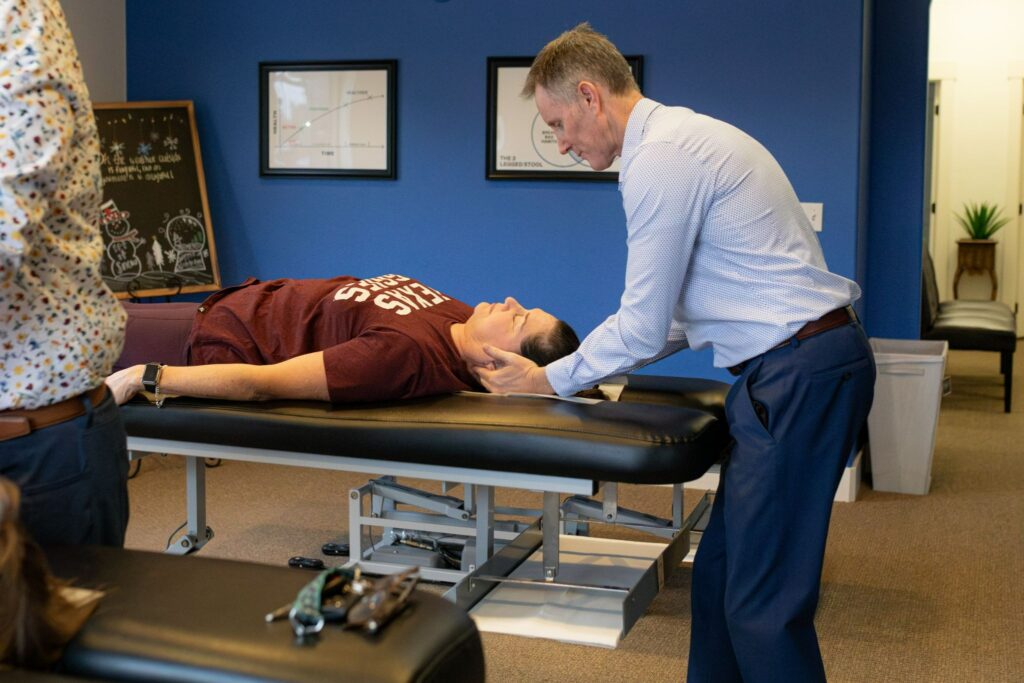

As a local chiropractor dedicated to your well-being, I want to share some valuable insights on preventing back pain through natural methods. Incorporating specific exercises into your daily routine can greatly enhance your spinal health and overall quality of life. By focusing on flexibility-enhancing stretches and core-strengthening movements, you have a variety of techniques at your disposal that can target different areas of your back and core, promoting stability and resilience.
Understanding how these exercises work is essential for tailoring a regimen that meets your individual needs. Whether you’re new to chiropractic care or looking to deepen your knowledge, it’s important to recognize the impact that regular movement can have on your body. Let’s take a closer look at some initial exercises that can set you on the right path toward a healthier back. Remember, taking proactive steps today can lead to a pain-free tomorrow!
Cat-Cow Stretch
As a local chiropractor, I often recommend the Cat-Cow stretch to my patients who are seeking relief from back pain and a way to enhance their spinal flexibility. This exercise is simple and can be easily integrated into your daily routine.
To begin, get down on all fours, ensuring that your hands are positioned directly under your shoulders and your knees are aligned under your hips. As you take a deep breath in, arch your back, allowing your belly to drop toward the floor while you lift your head and tailbone toward the ceiling—this is known as the “Cow” position.
Then, as you exhale, gently round your spine, tucking your chin to your chest and drawing your belly button in toward your spine, transitioning into the “Cat” position.
By repeating this fluid movement between Cat and Cow for several breaths, you not only warm up your spine but also improve your mobility and relieve built-up tension.
Making this stretch a regular part of your day can lead to noticeable improvements in your back comfort and overall flexibility. You may find that you feel more aligned, allowing you to approach your daily activities with greater ease and readiness.
Bird-Dog Exercise
As a local chiropractor, I want to share with you the Bird-Dog exercise, which is an excellent way to strengthen your core and enhance your stability.
It’s not just a workout; it’s a foundational movement that can contribute significantly to your overall health and well-being. When performing this exercise, it’s crucial to maintain proper form to reap its benefits and to steer clear of common mistakes that can lead to discomfort or injury.
Let me guide you through the advantages, key guidelines, and potential pitfalls to watch for as you incorporate the Bird-Dog into your routine.
By focusing on these elements, you can support your spine health and improve your body’s natural alignment, which is essential for long-term wellness.
Benefits of Bird-Dog
As a local chiropractor, I want to introduce you to a fantastic exercise known as the Bird-Dog. This simple yet effective movement can significantly enhance your core stability and lower back strength. By engaging multiple muscle groups at once, the Bird-Dog promotes better coordination and balance—two vital components for performing everyday activities safely and effectively.
One of the key benefits of this exercise is its ability to support spinal alignment, which can help reduce the likelihood of injuries during physical activities. In my experience, maintaining a well-aligned spine is crucial for overall health and wellness.
Furthermore, the Bird-Dog is excellent for increasing flexibility in your hips and shoulders, which can lead to improved range of motion. As you engage in this exercise, you’re also activating your glutes, contributing to overall body strength and stability.
What I appreciate most about the Bird-Dog is its adaptability. It can be modified to fit any fitness level, making it accessible for everyone, regardless of age or physical condition.
Proper Form Guidelines
As a local chiropractor dedicated to promoting natural healing and overall wellness, I want to share with you the proper form for the Bird-Dog exercise, a fantastic movement for strengthening your back and core. This exercise is particularly beneficial for maintaining spinal health.
To begin, get into a position on all fours. It’s crucial to ensure that your wrists are directly under your shoulders and your knees are beneath your hips. This alignment is essential for protecting your joints and spine.
Keep your back flat—not arched or sagging—and engage your core muscles. This engagement helps stabilize your spine and promotes proper posture.
As you extend your right arm forward, simultaneously stretch your left leg back. Your body should form a straight line from your fingertips to your toes. Hold this position for a brief moment—this helps enhance balance and coordination.
Then, gently return to your starting position and switch sides.
Throughout the exercise, remember to breathe steadily. It’s important to focus on keeping your hips level, avoiding any twisting of your torso. Maintaining this alignment won’t only enhance stability but also increase the effectiveness of the exercise, contributing to a stronger back and core.
Incorporating the Bird-Dog exercise into your routine can be a wonderful way to support your spine and overall health. If you have any questions about how this exercise fits into your wellness journey, feel free to reach out.
Common Mistakes to Avoid
As a local chiropractor dedicated to promoting natural healing and overall wellness, I want to highlight the benefits of the Bird-Dog exercise for strengthening your back and core.
However, it’s important to avoid some common mistakes that could hinder your progress or even lead to injury. Here are a few key points to keep in mind:
- Maintain a Neutral Spine: It’s crucial to keep your spine in a neutral position while performing this exercise. Arching your back can create unnecessary strain and compromise your stability, which is something I often see in my practice.
- Control Your Limb Movement: When extending your arm or leg, avoid lifting them too high. Aiming for a straight line from your hand to your foot will help you maintain balance and prevent any misalignment.
- Focus on Your Breathing: Don’t forget to breathe! Holding your breath can create tension in your body, which may limit your effectiveness and lead to discomfort. Remember, breathing deeply and steadily enhances your performance.
By being mindful of these common pitfalls, you can maximize the benefits of the Bird-Dog exercise and support your journey toward better health.
If you have any questions or need further guidance, feel free to reach out during your next visit!
Bridge Exercise
As a local chiropractor, I want to introduce you to the Bridge Exercise, which is an excellent way to strengthen your lower back and improve your overall stability.
When performed correctly, this exercise can’t only help alleviate back pain but also enhance your posture, contributing to your overall spinal health.
It’s important to understand that a strong foundation in your core and lower back supports your spine, which is essential for maintaining proper alignment and preventing injuries.
The Bridge Exercise engages multiple muscle groups and promotes better balance, making it a valuable addition to your routine.
Let’s go over the benefits of this exercise and discuss the correct form to ensure you reap the maximum rewards.
Benefits of Bridge Exercise
As a local chiropractor, I want to emphasize the importance of incorporating bridge exercises into your routine, especially if you’re looking to alleviate or prevent back pain.
These exercises aren’t just beneficial for your physical strength; they play a crucial role in promoting natural healing and overall wellness.
Here are some key benefits of bridge exercises:
1. Improved Stability: By strengthening your glutes and core, bridge exercises enhance your overall stability. This is vital for making everyday activities—like bending, lifting, and even walking—safer and more manageable. A stable body is less prone to injuries, which is something we all aim for.
2. Enhanced Flexibility: The bridge exercise effectively stretches your hip flexors and spine. This increased flexibility can help reduce tension in your lower back, allowing for smoother movement and less discomfort throughout the day.
Flexibility is a key component of maintaining a healthy spine and preventing tightness that often leads to pain.
3. Better Posture: Strengthening your back and core muscles through bridge exercises can significantly improve your posture. Good posture is essential in avoiding back pain and discomfort, especially if you spend long hours sitting or working at a desk.
Proper alignment not only contributes to a healthier spine but also promotes better overall health.
Incorporating bridge exercises into your routine can be a powerful step toward achieving better spinal health and overall wellness.
As your chiropractor, I encourage you to explore these exercises as a natural way to support your body and enhance your quality of life.
Proper Form and Technique
As a chiropractor, I often emphasize the importance of proper form and technique in exercises, especially when it comes to bridge exercises. These movements can be incredibly beneficial for your spine and overall well-being when done correctly.
To begin, lie down on your back with your knees bent and your feet flat on the floor, ensuring they’re hip-width apart. Position your arms at your sides with your palms facing down. It’s crucial to engage your core muscles and squeeze your glutes as you lift your hips toward the ceiling. Aim to create a straight line from your shoulders to your knees during this movement.
Be mindful to avoid arching your lower back; maintaining a neutral spine is key to preventing strain. Hold the bridge position for a few seconds, then lower your hips back to the ground slowly and with control. Throughout this exercise, remember to breathe steadily and concentrate on your form.
Performing the bridge exercise correctly not only strengthens your back but also serves to prevent pain and injuries that can arise from improper movements. By incorporating this technique into your routine, you can support your body’s natural healing processes and enhance your overall health.
Plank
As a chiropractor, I often emphasize the importance of core strength and stability in maintaining a healthy spine and preventing back pain. One exercise that stands out for its effectiveness is the plank.
While it may appear straightforward, the plank engages multiple muscle groups, ultimately enhancing your posture and supporting your spine.
To perform a proper plank, I recommend following these steps:
- Start Position: Begin by lying face down. Then, lift your body onto your forearms and toes while keeping your body straight from head to heels.
- Engage Your Core: It’s crucial to tighten your abdominal muscles during the exercise. Make sure your hips remain in line with your shoulders and heels—avoid letting them sag or rise too high.
- Hold Steady: Aim to maintain this position for 20-30 seconds. As you build strength, gradually increase the duration.
Incorporating planks into your routine a few times a week can lead to improved stability and may significantly reduce back pain.
This simple yet powerful exercise can play a vital role in enhancing your back health and overall well-being. Remember, a strong core is essential for a healthy spine!
Child’s Pose
As a local chiropractor, I want to share with you the benefits of Child’s Pose, a wonderful stretch that can help alleviate back tension and encourage relaxation.
This pose isn’t only effective for your physical well-being, but it also plays a role in promoting overall wellness. By focusing on proper technique, you can enhance its benefits and avoid any discomfort that may arise from incorrect posture.
Additionally, there are various modifications you can use to ensure that Child’s Pose is comfortable and effective for your individual needs. Embracing this pose can be a great addition to your routine, especially as we explore natural healing methods together.
Benefits of Child’s Pose
As a local chiropractor, I often emphasize the importance of natural healing techniques, and one of the simplest yet most effective practices for alleviating back pain is Child’s Pose.
This gentle yoga stretch offers numerous benefits that can enhance your overall well-being. Here are three key advantages I want to share with you:
- Relaxes the spine: Child’s Pose is designed to lengthen the spine, which helps to relieve tension in your back muscles. This can be particularly beneficial for those who suffer from chronic back pain.
- Stretches hips and thighs: This pose not only opens up the hips but also stretches the thighs, promoting flexibility and reducing tightness. Improved flexibility can play a significant role in maintaining a healthy spine and preventing injuries.
- Calms the mind: Incorporating Child’s Pose into your routine encourages relaxation and mindfulness. This mental clarity can lower stress levels, which is often a contributing factor to back pain.
By integrating Child’s Pose into your daily regimen, you can work towards improved posture and a greater sense of tranquility.
I believe this gentle practice is a wonderful addition to any back pain prevention strategy and complements the chiropractic care we provide.
Proper Technique Steps
As a chiropractor, I want to share with you the benefits of practicing Child’s Pose, which can be a wonderful addition to your routine for natural healing and overall well-being.
To experience its full advantages, it’s important to use the correct technique.
Begin by kneeling on the floor, bringing your big toes together while gently sitting back on your heels. As you exhale, allow your body to fold forward slowly. You can extend your arms in front of you or let them rest alongside your body. Aim for your forehead to touch the ground, which helps to release tension in your neck and promotes relaxation.
Remember to breathe deeply during the pose. This is crucial as it encourages the release of tension in your back and shoulders, areas where many of us hold stress. Keep your hips grounded and allow yourself to sink deeper into the stretch, enhancing flexibility along your spine.
Stay in this position for several breaths, appreciating the gentle stretch and the calming effect it has on your body.
When you feel ready to exit the pose, use your hands to push yourself back up to a seated position, doing so slowly and with control.
Incorporating Child’s Pose into your routine can aid in spinal alignment and help alleviate discomfort, promoting a natural healing process.
If you have any questions about how to integrate this pose or other natural healing techniques into your life, feel free to ask!
Modifications for Comfort
As a local chiropractor dedicated to promoting natural healing and comfort, I understand that some people may find traditional Child’s Pose uncomfortable.
It’s important to listen to your body and make adjustments that enhance your experience. Here are three simple modifications that can help you perform this pose more comfortably:
- Add a Cushion: By placing a cushion or blanket between your thighs and calves, you can provide extra support. This adjustment can alleviate pressure on your knees and lower back, making it easier to relax into the pose.
- Widen Your Knees: Instead of keeping your knees close together, try spreading them wider apart. This creates more space for your torso and can help reduce tension in your hips, allowing for a more enjoyable stretch.
- Elevate Your Chest: Incorporating a block or bolster under your chest can offer additional support. This modification allows you to sink into the pose more comfortably without straining your back, promoting a deeper sense of relaxation.
I encourage you to explore these options and find what works best for your body.
Seated Forward Bend
As a local chiropractor, I often recommend the Seated Forward Bend as an effective stretch to alleviate back pain and enhance flexibility. This simple yet powerful exercise can be easily incorporated into your daily routine.
To start, find a comfortable spot on the floor and sit with your legs extended straight in front of you. It’s important to maintain a tall spine and engage your core muscles.
Begin by taking a deep breath in, and as you exhale, hinge at your hips and reach your hands toward your feet. If you find it challenging to touch your toes, don’t worry—it’s perfectly acceptable to grasp your shins or thighs instead. The key here is to focus on lengthening your spine while you bend forward, ensuring that your neck remains relaxed.
Hold this position for 20 to 30 seconds while breathing steadily. During this stretch, you should feel a gentle release in your hamstrings and lower back. Remember, avoid any bouncing motions; instead, let your body gradually ease deeper into the stretch.
Incorporating the Seated Forward Bend into your routine not only helps to relieve tension in your back but also promotes a sense of calmness, making it a valuable tool for preventing back pain.
Embracing natural healing methods like this can significantly enhance your overall well-being.
Standing Hamstring Stretch
As a local chiropractor, I often emphasize the importance of incorporating stretches into your daily routine to enhance overall wellness and prevent discomfort.
One effective stretch I recommend is the standing hamstring stretch. This stretch not only alleviates tension in your lower back but also improves flexibility, which is crucial for maintaining a healthy spine.
Here’s how to perform the standing hamstring stretch correctly:
- Stand Tall: Begin by standing upright with your feet positioned hip-width apart. It’s important to keep your knees slightly bent to protect your joints.
- Reach Down: Gently hinge at your hips and lean forward, aiming to reach your toes. As you do this, you should feel a mild stretch along the back of your legs – this is a sign that you’re engaging your hamstrings.
- Hold & Breathe: Maintain this position for 15-30 seconds while taking deep, calming breaths. Pay attention to relaxing your neck and shoulders during the stretch, which can help release any built-up tension.
Incorporating the standing hamstring stretch into your regular routine can significantly enhance your flexibility and help prevent back pain.
I encourage you to practice this stretch consistently for optimal results. Always listen to your body and adjust as needed to avoid any strain.
Pelvic Tilts
As a local chiropractor, I often encounter patients who underestimate the significance of core stability in maintaining a healthy spine. One effective exercise that I recommend for strengthening your lower back and abdominal muscles is the pelvic tilt. This simple yet powerful movement can help alleviate back pain and improve your overall posture and alignment.
To perform a pelvic tilt, start by lying on your back with your knees bent and your feet flat on the floor. Focus on gently flattening your lower back against the floor by tilting your pelvis upward. Hold this position for a few seconds, then relax. Aim to repeat this movement 10 to 15 times, all while concentrating on your breathing and engaging your core muscles.
Incorporating pelvic tilts into your daily routine can greatly enhance your core strength, which in turn supports your spine and encourages proper posture throughout your day-to-day activities.
As you strengthen your core, you may notice a reduction in tension and discomfort in your back, helping you to avoid pain in the long run.
I encourage you to take just a few minutes each day to practice pelvic tilts as part of your exercise regimen. By doing so, you’re taking proactive steps toward a healthier back and overall well-being!
If you have any questions or would like personalized guidance, don’t hesitate to reach out during your next visit.
Wall Angels
As a local chiropractor, I often emphasize the importance of exercises that promote shoulder mobility and posture, as these elements play a crucial role in alleviating back pain. One such exercise that I recommend to my patients is the wall angel. By integrating this straightforward movement into your daily routine, you can effectively strengthen your upper back and improve your overall alignment.
Here’s how to perform wall angels correctly:
- Get into Position: Begin by standing with your back flat against a wall, ensuring your feet are approximately 6 inches away from it. Your head, shoulders, and buttocks should be in contact with the wall.
- Initiate the Movement: Raise your arms to create a “W” shape, ensuring your elbows and wrists remain pressed against the wall.
- Slide Upward: Gradually slide your arms upward while keeping them in contact with the wall, moving into a “Y” position. After reaching the top, gently slide your arms back down to the “W.”
Aim to repeat this movement for 10-15 repetitions, paying attention to your breath and maintaining proper form.
With consistent practice, you’ll likely observe enhanced shoulder flexibility and a reduction in back discomfort over time.
Side Plank
As a local chiropractor, I often emphasize the importance of core strength and spinal stability for overall health and wellness. One effective exercise I recommend to my patients is the side plank. This powerful movement not only targets the obliques but also enhances your body alignment, which is crucial for maintaining a healthy spine.
To perform the side plank, lie on your side with your legs stacked and your elbow positioned directly beneath your shoulder. Engage your core muscles and lift your hips off the ground, ensuring your body forms a straight line from your head to your feet. I suggest holding this position for 20 to 30 seconds while focusing on your balance and steady breathing.
If you’re looking to increase the challenge, you can raise your top leg or arm to further engage your core. Remember to switch sides and repeat the exercise to promote balanced strength on both sides of your body.
Regular practice of the side plank can significantly help prevent back pain by building essential core stability and supporting proper posture in your daily activities. Incorporating the side plank into your routine can lead to noticeable improvements in strength and a reduction in discomfort over time.
As your chiropractor, I encourage you to prioritize these exercises to support your journey towards natural healing and optimal spinal health.
Conclusion
As a local chiropractor, I want to share with you how incorporating specific exercises into your daily routine can significantly reduce your risk of back pain. By emphasizing flexibility, strength, and mindfulness, you not only improve your overall wellness but also provide essential support to your spine. It’s important to listen to your body and maintain proper form during these exercises to maximize the benefits.
I encourage you to make these movements a consistent part of your life. By doing so, you’ll be taking proactive steps toward achieving a healthier, pain-free back. Remember, it’s never too late to start prioritizing your spinal health. Begin today, and you’ll soon notice the positive changes in your body! If you have any questions or need guidance on proper techniques, don’t hesitate to reach out—I’m here to help you on your journey to wellness through natural healing.