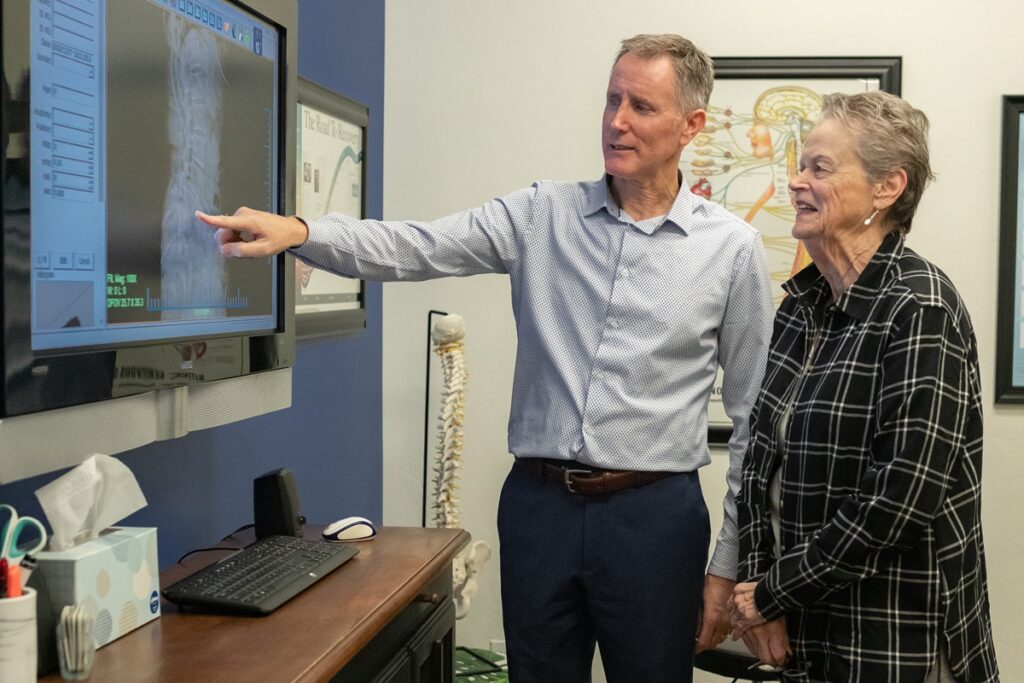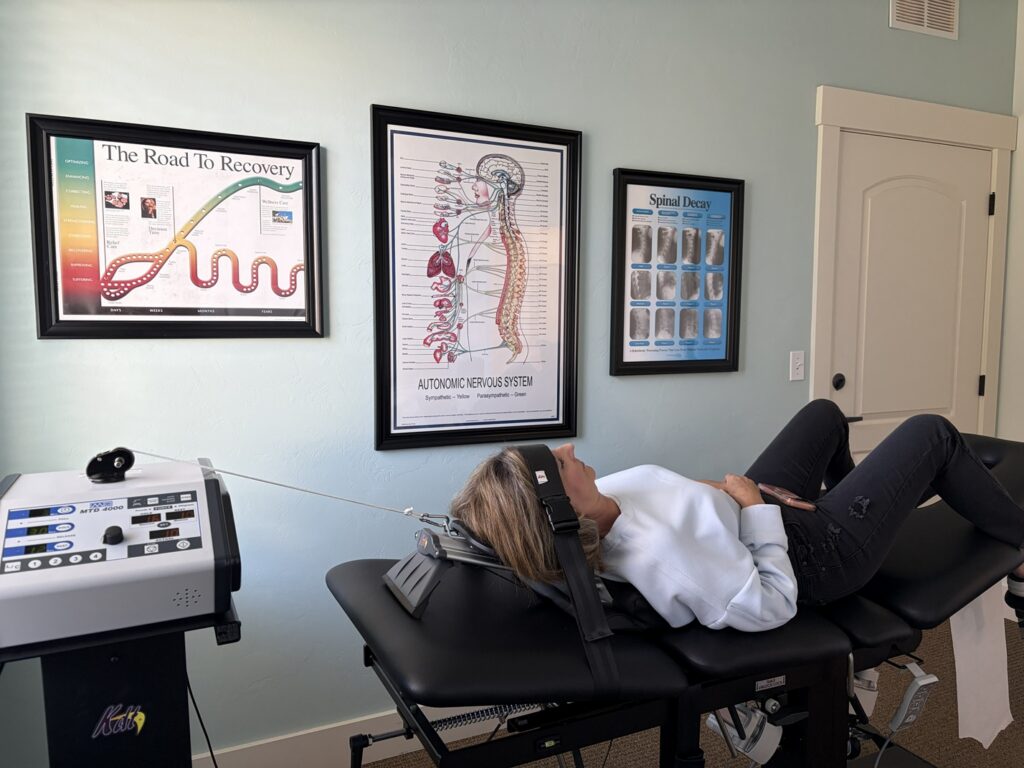

As a local chiropractor, I often see patients who experience back pain during sports, and I understand how this discomfort can affect both your performance and overall enjoyment. It’s crucial to manage this pain naturally to ensure you can continue your athletic pursuits.
By delving into the root causes of your back pain, we can implement practical strategies that may greatly enhance your experience. Imagine being able to improve your performance while also safeguarding your spine!
Let’s explore some essential steps together that can help you achieve both your athletic goals and maintain a healthy back. Understanding the benefits of chiropractic care and natural healing can be a game-changer for your sports activities.
Understanding Sports Back Pain
As a local chiropractor, I want to emphasize how crucial it’s to understand the causes and implications of back pain, especially if you’re actively involved in sports.
Back pain can arise from a variety of factors, such as poor posture, improper techniques, and overuse injuries. Each time you lift, twist, or run, your spine is subjected to stress, and if this isn’t managed properly, it can lead to discomfort.
You may not be aware that the strength of your core plays a significant role in your back health. Weak abdominal muscles can put extra strain on your back, making you more prone to pain.
Moreover, the intensity and frequency of your training can worsen existing issues or create new ones.
It’s essential to recognize the early signs of back pain. Overlooking discomfort might lead to chronic problems that can hinder both your athletic performance and daily activities.
By tuning into your body and its signals, you can take proactive measures to address back pain. Natural healing techniques, such as chiropractic adjustments, can help restore balance and function, enhancing your overall sports experience and well-being.
Your body deserves the best care, and I’m here to guide you on your journey to better health.
The Importance of Stretching
As a local chiropractor, I often see patients who focus heavily on strength training and conditioning but overlook the vital role that stretching plays in maintaining back health.
It’s important to understand that regular stretching is key to increasing flexibility, which can relieve tension in your back muscles and enhance your overall range of motion. When your muscles are flexible, they provide better support for your spine during various activities, significantly reducing the risk of injuries.
Incorporating stretching into your daily routine is quick and easy—you can do it anywhere! Simple stretches that target the hamstrings, hip flexors, and lower back can make a substantial difference in how you feel. Not only will you notice improved flexibility, but you’ll also see enhanced performance in your chosen activities.
Additionally, stretching promotes healthy blood flow, which is essential for muscle recovery and can help minimize soreness after intense workouts.
Strengthening Exercises for a Resilient Back
As a local chiropractor, I want to emphasize the importance of strengthening exercises for maintaining a resilient back, especially for those of you who lead active lifestyles or participate in sports.
These exercises play a vital role in enhancing stability and preventing injuries in the back.
One effective exercise to start with is the plank. This move not only activates your core but also engages your back muscles. Begin with holding the position for 30 seconds and gradually increase the duration as your strength improves.
Bridges are another excellent exercise that focuses on strengthening your lower back and glutes. To perform a bridge, lie on your back with your knees bent. Lift your hips off the ground, hold for a few seconds, and then gently lower them back down.
Incorporating rows into your routine is also beneficial. Using resistance bands or weights, pull towards your torso while ensuring your back remains straight. This exercise targets your upper back, which is crucial for improving posture and overall strength.
Lastly, don’t overlook the bird-dog exercise. This movement challenges your balance while working the entire back, and it’s a great way to enhance coordination.
By incorporating these exercises consistently into your routine, you won’t only strengthen your back but also support your overall health and well-being.
This proactive approach can help reduce pain and enhance your quality of life, allowing you to engage in the activities you love with confidence.
Maintaining Proper Posture
As a local chiropractor, I want to emphasize the importance of maintaining proper posture for your overall health and well-being. Many people underestimate how critical alignment is to preventing back pain and enhancing athletic performance. When your spine is aligned correctly, you significantly reduce strain on your muscles and ligaments, which can help alleviate discomfort.
I encourage you to be mindful of your posture throughout your daily activities—whether you’re standing, sitting, or moving. Focus on keeping your shoulders back and your head aligned over your spine. This simple awareness can make a huge difference in how your body feels.
When you’re training or participating in sports, engaging your core muscles is vital. This not only supports your back but also helps maintain stability and reduces the risk of injury.
If you find yourself sitting for extended periods, consider adjusting your workspace. A supportive chair can greatly improve your posture and comfort while working.
I also recommend regularly checking in with your posture during both workouts and daily tasks. Even minor adjustments can prevent long-term issues.
The Role of Warm-Up and Cool-Down
As a local chiropractor, I want to emphasize the importance of warming up and cooling down before and after any athletic activity. These practices are crucial not only for enhancing performance but also for protecting your back and overall well-being.
Warming up properly is key. It helps to increase blood flow to your muscles, preparing them for the physical demands of your workout. This preparation is essential in preventing strains and injuries, particularly in your back.
I recommend focusing on dynamic stretches that engage your core and enhance flexibility—exercises like torso twists and leg swings are excellent choices.
Equally important is the cooling down phase after your workout. Gradually decreasing your heart rate and stretching your muscles can significantly reduce stiffness and soreness.
Incorporate static stretches that target your back, hamstrings, and hip flexors. This not only promotes recovery but also helps maintain flexibility, which is vital for long-term health.
By incorporating these practices into your routine, you can support your body’s natural healing processes and reduce the risk of injury, ensuring you stay active and healthy.
If you have any questions or need further guidance, feel free to reach out.
Lifestyle Adjustments for Back Health
As a local chiropractor dedicated to your well-being, I want to share some essential lifestyle adjustments that can significantly improve your back health.
It’s crucial to incorporate ergonomic exercise techniques into your routine and to maintain proper posture throughout your day. These small changes may seem simple, but they can lead to remarkable improvements in your back health and overall quality of life.
By understanding how these adjustments affect your body, you can take charge of your health in a natural and effective way.
Let’s work together towards a healthier, pain-free life!
Ergonomic Exercise Techniques
As a local chiropractor, I want to share some important insights about how incorporating ergonomic exercise techniques into your routine can significantly benefit your back health, particularly if you’re active in sports.
It’s essential to focus on movements that promote proper spinal alignment and core stability. When lifting weights, remember to use your legs instead of your back to avoid unnecessary strain.
Exercises like planks and bridges are fantastic for engaging your core while also supporting your spine. Additionally, don’t underestimate the power of stretching. Incorporating gentle stretches into your routine can help lengthen your back muscles and enhance flexibility, which is crucial for preventing injuries.
Always prioritize warming up before you start your workouts and cooling down afterward; this practice is vital for maintaining muscle health.
Also, be mindful of your breathing—taking deep, controlled breaths can help alleviate tension in your back during exercise sessions.
By adopting these ergonomic exercise techniques, not only will you protect your back, but you’ll also enhance your overall athletic performance, aligning with the principles of natural healing and chiropractic care.
Proper Posture Practices
As your local chiropractor, I want to emphasize the importance of maintaining proper posture in your daily life for the health of your back and overall well-being. Many people underestimate how simple adjustments can make a profound difference.
When sitting, I recommend keeping your feet flat on the floor and ensuring that your back is straight against the chair. Using a small cushion or a rolled towel can provide excellent lumbar support, which is crucial for maintaining the natural curve of your spine.
If you’re standing, try to distribute your weight evenly across both feet and remember to avoid locking your knees, as this can lead to discomfort and strain over time.
When it comes to lifting objects, it’s vital to bend at your hips and knees instead of your back. This technique not only protects your spine but also helps you lift more safely. Keep the items you lift close to your body to minimize strain.
During any sports or physical activities, pay attention to your body alignment. Engaging your core muscles can significantly support your spine and enhance your performance.
Regularly checking in with your posture throughout the day and making small adjustments can lead to notable improvements in your back health and help prevent pain or injury.
The Benefits of Cross-Training
As a local chiropractor, I want to share with you the benefits of cross-training, especially if you’re new to chiropractic care and natural healing.
While you may be dedicated to a single sport to fine-tune your skills, incorporating cross-training into your routine can significantly enhance your overall performance while reducing the risk of injury.
By engaging in a variety of physical activities, you can strengthen different muscle groups and improve your balance.
This diversified approach not only keeps your workouts enjoyable and dynamic but also helps prevent overuse injuries that are often associated with focusing too intensely on one type of training.
Here are some key benefits of cross-training that I encourage my patients to consider:
- Improved Muscle Balance: By strengthening muscles that are often underutilized, you can prevent imbalances that may lead to discomfort or pain.
- Enhanced Cardiovascular Fitness: Participating in various aerobic exercises can elevate your overall endurance, which is essential for any athletic activity.
- Increased Flexibility and Mobility: A range of different workouts contributes to a greater range of motion, helping to ward off injuries and maintain your physical health.
Embracing cross-training isn’t just about working harder; it’s about working smarter.
This holistic approach can keep you active and enjoying your favorite sports for longer, all while minimizing the risk of pain and injury.
As a chiropractor, I’m here to support you on your journey to better health through balanced and natural methods.
Mindfulness and Relaxation Techniques
As a local chiropractor, I want to share how mindfulness and relaxation techniques can significantly alleviate sports-related back pain. Many of you may not be familiar with how these natural methods can complement chiropractic care.
For instance, practicing deep breathing exercises can help you release built-up tension in your muscles, allowing for better spinal alignment and overall relief. Additionally, guided imagery can help transport your mind to a calm and serene environment, which not only reduces discomfort but also promotes a sense of well-being.
Deep Breathing Exercises
As a local chiropractor, I want to share with you an effective approach to alleviating sports-related back pain: deep breathing exercises.
These exercises not only promote relaxation and mindfulness but also play a significant role in enhancing your overall body awareness.
Here’s how you can incorporate deep breathing into your routine:
- Find a comfortable position: Begin by sitting or lying down in a quiet, peaceful environment where you can focus without interruptions.
- Breathe deeply: Inhale slowly through your nose, allowing your abdomen to rise fully, then exhale gently through your mouth. This deep breathing helps to engage your diaphragm, which can relieve tension in your back.
- Focus on your breath: Concentrate on the rhythm of your inhales and exhales. This focus allows you to let go of distractions and any tension you may be holding in your body.
By regularly practicing these deep breathing techniques, you’re not just fostering a sense of calm; you’re also equipping yourself with tools to manage and reduce back pain during your sports activities.
Guided Imagery Practices
As a local chiropractor, I want to introduce you to the benefits of guided imagery practices, which can be a powerful tool for enhancing relaxation and mental clarity.
These practices are particularly beneficial for managing sports-related back pain and can complement your chiropractic care.
To get started, find a quiet space where you can sit or lie comfortably. Close your eyes and take a deep breath. Now, imagine a peaceful landscape that resonates with you, such as a tranquil beach or a lush forest.
As you visualize this calming environment, consciously allow your muscles to relax and let go of any tension. You can also envision your back healing, reinforcing positive thoughts about your recovery journey.
Incorporating guided imagery into your routine can significantly reduce stress and alter your perception of pain, which is crucial for those of you who are active in sports.
This mental shift not only helps you manage discomfort but also empowers you to stay focused on your athletic goals.
When to Seek Professional Help
As a local chiropractor, I want to help you understand when it might be time to seek professional assistance for your sports-related back pain. Knowing the right moment to reach out can significantly impact your recovery process.
If your pain continues despite trying natural remedies, or if it seems to be getting worse, it’s essential to consult a professional. Here are some key signs that indicate it’s time to visit a chiropractor:
- You’re experiencing severe pain that interferes with your everyday activities.
- You’re feeling weakness, numbness, or tingling in your legs or feet.
- You notice that pain radiates down your legs or disrupts your sleep.
It’s crucial not to ignore these symptoms, as doing so can lead to more serious issues down the line.
A chiropractor can provide a thorough assessment and develop a personalized treatment plan tailored to your needs. We focus on natural healing methods that can help alleviate your back pain effectively.
Conclusion
As a local chiropractor, I want to share some natural strategies that can help you manage sports back pain and improve your overall performance. It’s essential to incorporate stretching and strengthening exercises into your routine, as these can greatly benefit your back health. Additionally, maintaining proper posture is crucial in preventing discomfort and injuries.
Don’t overlook the importance of warming up and cooling down before and after your activities. Cross-training can also play a significant role in reducing the risk of injuries by allowing different muscle groups to strengthen and recover.
Mindfulness techniques, such as deep breathing and relaxation exercises, can help you ease tension and promote a sense of well-being. Always pay attention to your body’s signals; if you’re experiencing persistent pain, it’s important to consult a professional like myself. Remember, your back health is vital for enjoying sports safely and fully, and I’m here to help guide you on your journey to wellness!