


Headache and migraine disorders are among the most debilitating conditions faced by individuals across the globe, impacting not just their physical wellbeing but also mental health and overall quality of life. Conventional treatments, although effective, don’t always target the root cause, and this is where chiropractic care comes into play. Chiropractic treatments, based on the principle that the body can self-heal and self-regulate, have shown significant promise in addressing the underlying causes of headaches and migraines.
By optimizing the relationship between the body’s structure (primarily the spine) and its function (as coordinated by the nervous system), chiropractors can treat these conditions more holistically. This approach not only provides immediate relief but also offers long-term solutions by helping prevent future occurrences.
Chiropractic care at The Chiropractor at Castlebury in Eagle emphasizes the alignment and health of the musculoskeletal and nervous systems. It has gained recognition for its benefits in managing various health issues, including migraines and other forms of headaches. This article will discuss headaches and migraines, their triggers, and how chiropractic treatment can help address these underlying causes.
Understanding Headaches and Migraines
Headaches and migraines are neurological conditions manifesting as painful sensations in different areas of the head. They can be categorized into two main types: primary and secondary. Primary headaches, such as tension headaches, migraines, and cluster headaches, are disorders in and of themselves, whereas secondary headaches result from underlying health issues like infections or high blood pressure.
Migraines, on the other hand, are a severe form of primary headaches, characterized by intense, throbbing pain, usually on one side of the head, along with symptoms like nausea, vomiting, and sensitivity to light and sound. While the exact causes of migraines remain elusive, several triggers, including hormonal changes, certain foods, stress, and physical factors like poor posture and muscle tension, are recognized.

Common Triggers for Headaches and Migraines
Understanding the triggers for these conditions can lead to more effective management and potentially fewer episodes. Some of the most common triggers for migraines and headaches include:
Stress and Anxiety: Emotional stress is one of the most common headache triggers. It causes muscle tension, which can lead to a headache. Additionally, chronic stress and anxiety can lead to migraines.
Dietary Factors: Certain foods and drinks, such as aged cheese, alcohol, and food additives like monosodium glutamate (MSG), can trigger migraines in some individuals.
Hormonal Changes: In women, fluctuations in estrogen levels around the menstrual cycle can trigger migraines.
Sleep Deprivation and Changes in Sleep Patterns: Not getting enough sleep or even getting too much sleep can prompt migraines. Similarly, jet lag can trigger migraines.
Weather Changes: Changes in weather or barometric pressure can prompt migraines in some individuals.
Chiropractic Treatment: Addressing the Underlying Causes
Chiropractic care is a holistic approach that focuses on the body’s musculoskeletal and nervous systems, primarily treating conditions related to the spine. It is based on the idea that proper alignment of the body’s skeletal structure, particularly the spine, will enable the body to heal itself without surgery or medication.
Here’s how chiropractic care in Eagle treatment can address the underlying causes of headaches and migraines:
Spinal Manipulation: The cornerstone of chiropractic care is spinal manipulation or chiropractic adjustment. Misalignments or subluxations in the spine can lead to nerve irritation, muscle tension, and impaired vascular flow, all of which may contribute to headaches and migraines.
During an adjustment, a chiropractor applies controlled force to specific spinal joints, restoring alignment and mobility. This intervention has been found to alleviate tension and reduce the frequency and intensity of headaches.
Chiropractic Mobilization: In addition to spinal manipulation, chiropractors employ other techniques like mobilization, stretching, and moving joints in a way that increases their range of motion. These techniques can be particularly effective for tension-type headaches and headaches originating from the neck.
Trigger Point Therapy: Another chiropractic approach that may help is trigger point therapy, which involves applying pressure to specific points on the body to relieve tension and pain. For headaches and migraines, the trigger points often reside in the neck, back, and shoulders. By targeting these areas, chiropractors can help to alleviate the muscular tension that contributes to these conditions.
Postural Correction: Chiropractic care also emphasizes the importance of good posture in maintaining spinal health. Poor posture, particularly during prolonged periods of sitting, can contribute to tension headaches and migraines by placing excessive stress on the neck and spine. Chiropractors can offer advice and exercises to improve posture and lessen the likelihood of headache triggers.
Lifestyle Advice: Chiropractors don’t just stop at adjustments. They can also provide advice on diet, exercise, and ergonomics to help prevent headache triggers. For example, a chiropractor might suggest dietary changes to avoid food triggers, recommend exercises to improve posture, or provide tips for more ergonomic work setups.
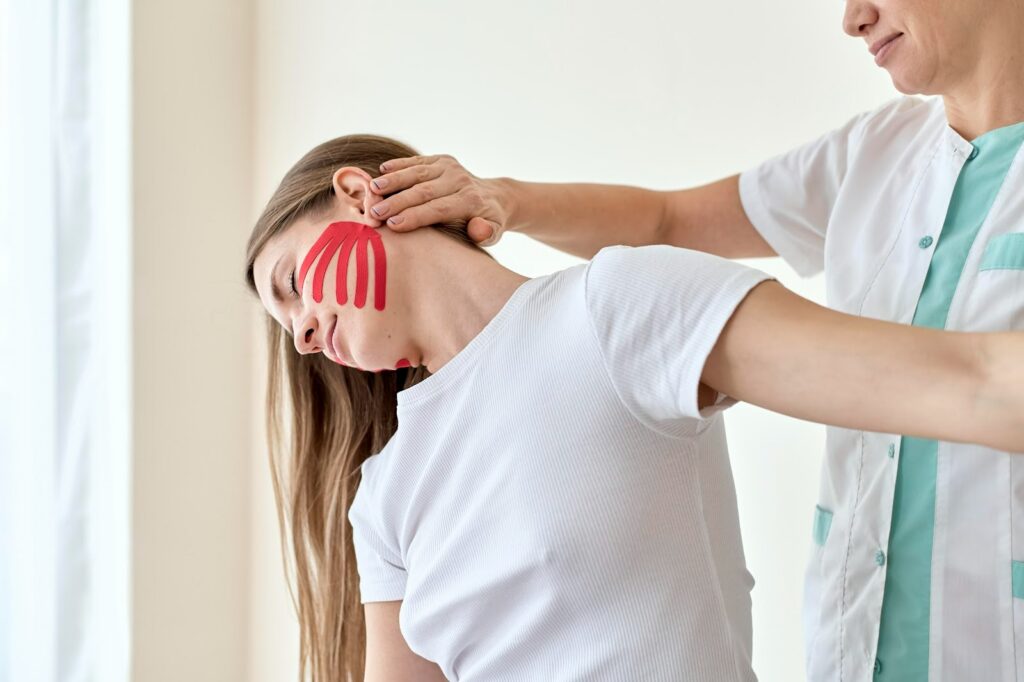
Spinal Decompression Treatment for Headaches and Migraines
Spinal decompression therapy is a non-invasive treatment that gently stretches the spine to relieve pressure on discs, nerves, and surrounding structures. When tension, compression, or misalignment occurs in the cervical spine (neck), it can contribute to headaches and migraines by irritating nerves, restricting blood flow, and creating muscle tension.
By carefully decompressing the spine, this therapy helps restore proper spacing between vertebrae and improves overall spinal function. Many patients who experience chronic headaches or migraines related to neck issues find relief when pressure on the cervical spine is reduced.
Potential benefits of spinal decompression treatment include:
- Reduced pressure on cervical discs – Helps relieve compression in the neck that may contribute to tension headaches and migraines.
- Improved nerve function – Decreasing pressure on nerves can help reduce irritation that may trigger headache symptoms.
- Better spinal alignment – Supports proper posture and spinal mechanics, which may reduce strain on the neck and upper back.
- Improved blood flow – Gentle spinal stretching may enhance circulation to muscles and tissues around the neck and head.
- Reduced muscle tension – Helps relax tight muscles in the neck and upper spine that are commonly associated with headaches.
- Non-invasive treatment option – Provides a drug-free and surgery-free approach to managing headache-related discomfort.
- Supports long-term spinal health – Regular care may help maintain spinal mobility and reduce recurring stress on the cervical spine.
- Complementary to chiropractic care – Often used alongside chiropractic adjustments and other therapies to support overall headache management.
Spinal decompression is typically customized to each patient’s condition and may be recommended as part of a comprehensive chiropractic treatment plan designed to address the underlying causes of headaches and migraines.
Laser Therapy for Headaches and Migraines
Laser therapy is a non-invasive treatment that uses specific wavelengths of light to help reduce inflammation, improve circulation, and support the body’s natural healing process. For individuals dealing with chronic headaches or migraines, laser therapy can help target irritated tissues, tense muscles, and inflamed nerves that may be contributing to the pain.
By applying therapeutic light energy to key areas of the head, neck, and upper shoulders, laser therapy helps calm irritated nerves and relax surrounding muscles. This can be especially helpful for people who experience tension headaches, cervicogenic headaches (originating from the neck), or migraines that are triggered by muscle tightness and poor circulation.
Benefits of Laser Therapy for Headaches and Migraines
- Helps reduce inflammation around irritated nerves and tissues
- Promotes improved blood flow to the head and neck
- Relaxes tight muscles that can trigger tension headaches
- Supports faster healing of irritated soft tissues
- May reduce the frequency and severity of migraine episodes
- Non-invasive and drug-free treatment option
- Comfortable treatment with little to no downtime
- Can complement chiropractic adjustments and other therapies
- Helps support overall nervous system function
- May improve mobility and reduce neck stiffness associated with headaches
Over time, consistent treatments may help reduce the frequency and intensity of headaches while supporting overall nervous system health.
Incorporating Chiropractic Care Into Your Treatment Plan
If you’re contemplating incorporating chiropractic care into your headache or migraine management plan, it’s essential to communicate with all healthcare providers involved in your care. Always ensure that your chiropractor is fully aware of your medical history, including all current and past headaches, migraines, medications, and other treatments.
You may need to have several chiropractic sessions before you start to see any significant improvements. Patience and consistency are key, and over time, you’ll likely experience not only a decrease in headache or migraine frequency and intensity but also overall improved spinal health.
Chiropractic Care for Headache & Migraine in Eagle
Living with headaches and migraines can be a daily struggle. But with the right approach, you can manage the symptoms and potentially reduce the frequency of these painful episodes. If you’re experiencing migraines or chronic headaches, it might be worthwhile to consider chiropractic care as part of your treatment plan.
Chiropractic treatment at The Chiropractor at Castlebury goes beyond the symptoms to address the underlying causes of migraines and headaches, potentially offering long-term relief. It’s an all-natural, non-invasive approach to health and wellbeing. Always remember to seek advice from a healthcare professional before starting any new treatment regimen.
While more research is needed to fully understand the extent of chiropractic care’s impact on migraines and headaches, current studies indicate promising results. If you’re seeking a drug-free, holistic approach to managing your headaches or migraines, chiropractic care in Eagle could be the answer you’ve been looking for.