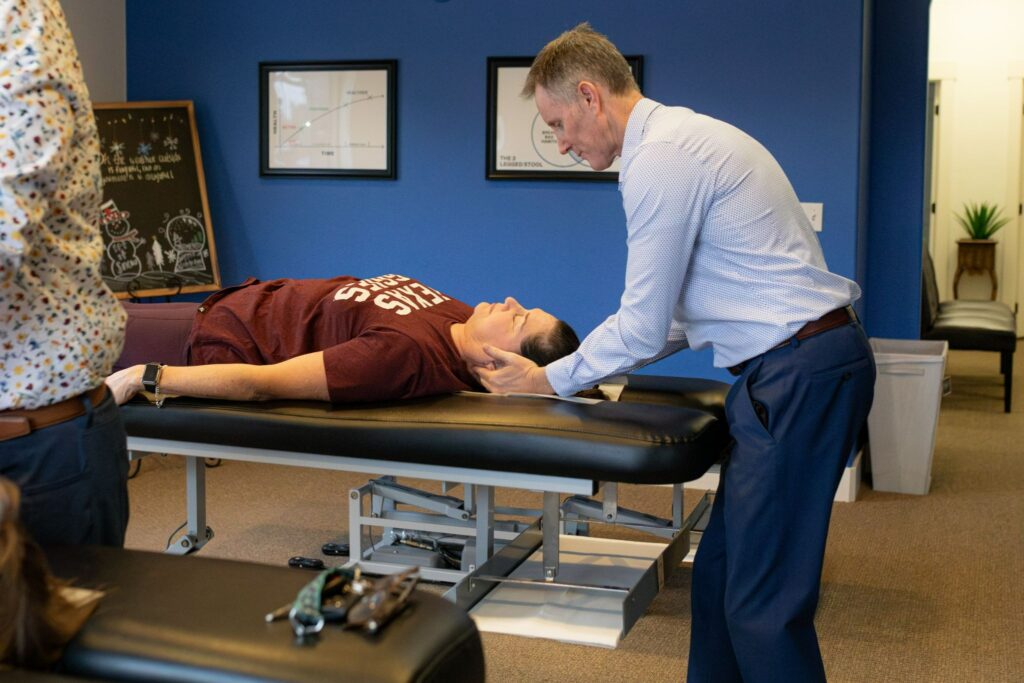

As a local chiropractor, I often see patients who are struggling with back pain, and many of them are unaware of how significantly their posture can influence their discomfort. It’s important to recognize that small adjustments in your daily activities can lead to substantial improvements in your overall comfort and well-being. By identifying common posture mistakes and incorporating ergonomic solutions into your routine, you can embark on a journey toward relief from back pain.
So, what specific changes should you consider? Let’s delve into some effective strategies that can help you achieve better posture and, in turn, better results in managing your pain. Embracing these techniques not only promotes healing but also enhances your quality of life. Remember, taking care of your body is a vital step toward a healthier, pain-free future.
Understanding the Connection Between Posture and Back Pain
As your local chiropractor, I want to share some important insights about how posture plays a crucial role in your overall health, especially when it comes to back pain. Many people don’t realize that slouching or maintaining poor posture isn’t just uncomfortable; it can also lead to significant strain on your spine and surrounding muscles.
Your spine needs to be properly aligned to function at its best, and when you lean forward or hunch over, you put unnecessary stress on your muscles and ligaments. Over time, this misalignment can change the natural curve of your spine, leading to chronic pain and stiffness.
You might start to notice compensatory habits, where you unintentionally rely on other muscle groups, which can further exacerbate discomfort and tension. However, there’s good news! By making simple adjustments to your posture, you can alleviate this strain and promote your spine’s natural alignment.
I encourage you to focus on sitting up straight and keeping your shoulders back as part of your daily routine. These small changes can lead to significant improvements in your comfort level and help you avoid future back pain.
As a chiropractor, my goal is to help you understand the importance of good posture and how it can enhance your quality of life. Together, we can work towards a healthier spine and a more active lifestyle!
Common Posture Mistakes to Avoid
As a local chiropractor, I often see patients who unknowingly fall into common posture traps that can worsen back pain. One of the most prevalent mistakes is slouching while sitting. This position places extra strain on your spine, leading to discomfort over time. Instead, I encourage you to keep your back straight and shoulders relaxed while seated to promote better spinal alignment.
Another frequent issue arises when people lean forward while using their phones or computers. This habit can lead to a rounded upper back, which often contributes to increased discomfort. I recommend setting up your workspace ergonomically to encourage a more neutral posture.
When standing, be cautious about locking your knees. This can disrupt your body’s natural alignment and lead to unnecessary strain. Instead, maintain a slight bend in your knees and distribute your weight evenly across your feet.
Additionally, it’s essential to be mindful of how you lift heavy objects. Avoid hunching over; instead, bend at your knees and keep your back straight to prevent injury.
Lastly, don’t overlook the importance of your sleeping posture. Sleeping on your stomach can place your spine in a twisted position, leading to pain. Ideally, aim to sleep on your side or back, ensuring you have the right support for your body.
The Importance of Ergonomics in Daily Life
As a local chiropractor, I often see patients who struggle with back pain and discomfort. While proper posture is an important factor in maintaining spinal health, it’s just one part of a larger picture. Understanding ergonomics is crucial for enhancing your daily life and ensuring that your work and home environments support your well-being.
By making some simple ergonomic adjustments, you can significantly alleviate strain on your back and promote a healthier lifestyle. Here are some key tips to consider:
- Adjust your chair: It’s vital to keep your feet flat on the floor and your knees at a 90-degree angle. This alignment helps support your spine and reduces pressure on your back.
- Screen height: Position your computer monitor at eye level. This helps prevent slouching and keeps your neck in a neutral position, reducing the risk of discomfort.
- Keyboard and mouse: Ensure that your keyboard and mouse are at a comfortable height. This helps avoid wrist strain and promotes better posture while you work.
- Take breaks: Don’t forget to stand up and stretch regularly! Frequent breaks can relieve built-up tension in your muscles and keep your body feeling more relaxed.
- Mind your bag: If you carry a backpack, choose one with padded straps and make sure to distribute the weight evenly. This can help prevent strain on one side of your body, which can lead to imbalances and pain.
By incorporating these ergonomic principles into your daily routine, you can support a healthy posture and take proactive steps towards alleviating back pain.
Exercises to Strengthen Core Muscles
As a local chiropractor, I want to share the importance of strengthening your core muscles for overall health and well-being. A strong core not only improves your posture but also plays a significant role in alleviating back pain.
By incorporating effective core exercises into your routine, you can enhance your stability and provide better support for your spine during daily activities.
Let’s take a closer look at some of the best exercises you can do to build a stronger core. By doing so, you’ll not only feel better but also promote natural healing within your body.
Benefits of Core Strength
As a local chiropractor, I want to emphasize the importance of a strong core for your overall health and well-being. Many people may not realize how essential core strength is for maintaining good posture and alleviating back pain. When your core muscles are strong and engaged, it becomes much easier to keep your spine aligned.
Here are some key benefits of developing core strength that I believe everyone should know:
- Improved Balance: A strong core acts as a stabilizing force for your body, which significantly enhances your balance and coordination. This is especially important as we age or if you engage in sports or physical activities.
- Increased Stability: Core strength provides crucial support for your spine, which can help reduce the risk of injuries during everyday activities or physical exertion. A stable spine is less likely to experience strain or discomfort.
- Better Posture: When you engage your core muscles, it promotes proper spinal alignment. This can alleviate pressure on your back and help you maintain a more upright posture throughout the day.
- Enhanced Athletic Performance: Regardless of the sport you play, core strength is essential. It allows for greater power and control in your movements, leading to improved performance in athletic endeavors.
- Reduced Fatigue: A strong core enables your body to carry out daily tasks more efficiently. This means less energy expended, resulting in reduced tiredness and increased vitality for your everyday life.
Investing time in strengthening your core isn’t just about aesthetics; it’s a crucial step towards better posture and overall well-being.
As part of your chiropractic care, I encourage you to incorporate core-strengthening exercises into your routine to support your spine and enhance your quality of life.
Effective Core Exercises
As a chiropractor, I want to emphasize the importance of core exercises in maintaining not just your fitness, but also your overall health and posture. Many people may view core workouts as just another trend, but they play a crucial role in supporting spinal alignment and preventing back pain.
Let’s start with a foundational exercise: the plank. This simple move involves holding a straight position on your elbows and toes for 30 seconds. It’s excellent for building stability.
Another effective exercise is the bird-dog; begin on all fours, extending your opposite arm and leg, then switch sides. This not only strengthens your core but also enhances balance.
Don’t overlook the bridge exercise, which targets your glutes and lower back. Lie on your back with your knees bent, and lift your hips towards the ceiling. It’s a great way to engage your core while promoting alignment.
Finally, for those looking to strengthen their obliques, side planks are fantastic. Aim for two to three sets of each exercise, gradually increasing the duration and intensity as you build strength.
Incorporating these exercises into your routine can help strengthen your core, support better alignment, and ultimately reduce the risk of back pain.
Stretching Techniques for Improved Flexibility
As a local chiropractor, I often emphasize the importance of incorporating effective stretching techniques into your daily routine to enhance flexibility and alleviate back pain.
These simple yet powerful stretches can help release tension in your muscles and improve your overall mobility. If you’re new to chiropractic care and natural healing, here are some valuable stretches to consider:
- Cat-Cow Stretch: This dynamic movement is excellent for warming up your spine and improving flexibility. It helps to mobilize your back, making it a great addition to your daily routine.
- Child’s Pose: This gentle stretch is fantastic for relaxing your back and stretching your hips. It encourages a restful position that can help relieve stress in your lower back.
- Seated Forward Bend: This stretch is particularly effective for targeting your back and hamstrings, promoting overall flexibility. It encourages a gentle elongation of the spine while also stretching the muscles in the back of your legs.
- Figure Four Stretch: This stretch is ideal for opening up your hips and relieving tension in your lower back. It can be especially beneficial for those who spend long hours sitting.
- Torso Twist: This movement helps increase spinal flexibility and can alleviate stiffness. It encourages rotation in the spine, which is essential for maintaining a healthy back.
Integrating these stretches into your daily routine can greatly enhance your back pain management and overall flexibility.
Always listen to your body and ease into each stretch to avoid any potential injuries.
Remember, taking proactive steps towards your flexibility and back health can lead to a more comfortable and active lifestyle.
If you have any questions or need guidance on how to perform these stretches correctly, feel free to reach out for assistance!
Tips for Maintaining Good Posture While Sitting
As a local chiropractor, I want to emphasize the importance of maintaining good posture while sitting, as it plays a crucial role in your overall spinal health.
First and foremost, pay close attention to your chair; selecting one that offers proper support can help keep your spine aligned.
Additionally, the height of your desk and the positioning of your screen are vital components to consider. By adjusting these elements, you can ensure that your body is aligned correctly, which in turn can significantly reduce the risk of back pain and discomfort.
Making these simple adjustments can have a profound impact on your well-being and help you lead a more comfortable, pain-free life.
Chair Selection Matters
As a local chiropractor, I want to emphasize how crucial it’s to choose the right chair for your overall health and well-being, especially if you find yourself sitting for extended periods.
The right chair plays a significant role in maintaining your posture and comfort, which can contribute to preventing back pain and other musculoskeletal issues. Here are some essential tips to consider when selecting a chair:
- Adjustable Height Settings: Ensure the chair can be adjusted to suit your body height. This allows you to maintain a position that supports your spine’s natural curves.
- Lumbar Support: Look for a chair that offers lumbar support. This feature is vital for supporting your lower back and promoting healthy spinal alignment.
- Seat Cushion for Posture: A well-designed seat cushion can encourage good posture by providing the right amount of support to your hips and pelvis.
- Armrests: Armrests can significantly reduce strain on your shoulders and neck. Ensure the chair you choose has armrests that are appropriately positioned.
- Breathable Fabric: Select a chair made from breathable materials to prevent discomfort and overheating during long hours of sitting.
Investing in a quality chair not only enhances your posture but can also lead to increased productivity and overall well-being.
Desk Height Adjustments
As a local chiropractor, I want to emphasize the importance of not only choosing the right chair but also adjusting your desk height to support your overall posture and spinal health.
It’s essential that your desk is set at a height that allows your elbows to rest comfortably at a 90-degree angle. This position helps keep your hands floating just above the keyboard, minimizing strain on your shoulders and neck.
If your desk is too high, you may find yourself shrugging your shoulders, which can lead to unnecessary tension and discomfort. Conversely, a desk that’s too low can cause you to hunch over, putting strain on your back and affecting your spine’s alignment.
In addition to desk height, it’s crucial for your feet to rest flat on the floor or on a footrest, as this promotes better stability.
Aim to keep your knees slightly lower than your hips to alleviate pressure on your thighs and encourage proper blood circulation.
By making these simple adjustments, you can significantly improve your comfort and maintain better posture during those long hours of work.
Screen Positioning Tips
As a local chiropractor, I want to emphasize the importance of screen positioning in maintaining your overall spinal health and preventing discomfort. Many people underestimate how crucial it’s to set up your workspace correctly. A properly positioned screen can significantly reduce strain on your neck and back, which is essential for your well-being.
Here are some helpful tips to consider:
- Ensure your screen is at eye level to prevent unnecessary tilting of your head, which can lead to neck pain over time.
- Maintain a distance of about an arm’s length from your screen to promote better posture and reduce eye strain.
- Align the top of your screen with your eyes to keep your neck in a neutral position, minimizing the risk of discomfort.
- Tilt your screen slightly backward to help reduce glare, which can cause you to lean forward and strain your back.
- If your screen is too low, consider using a monitor riser to elevate it to the proper height, supporting your spine’s natural alignment.
By implementing these simple adjustments, you can improve your posture and support your body’s natural healing processes.
Strategies for Standing and Walking Correctly
As a local chiropractor, I want to help you understand the importance of standing and walking correctly for your overall health and well-being. Proper alignment and movement can significantly impact your spinal health and reduce discomfort in your daily life.
Start by positioning your feet shoulder-width apart, ensuring that your weight is evenly distributed. It’s crucial to keep your knees slightly bent and engage your core muscles to provide support for your spine.
As you stand, remember to relax your shoulders and pull them back, aligning them with your ears. This simple adjustment can help prevent unnecessary strain on your back and neck.
When it comes to walking, maintaining a straight posture is vital. Allow your arms to swing naturally at your sides, which promotes a balanced gait.
Focus on taking steps heel-to-toe, as this technique encourages smooth movement and helps absorb the impact of each step. Pay attention to your head position; keeping it level and avoiding looking down can help prevent neck strain.
If you notice yourself slouching or leaning, take a moment to correct your posture. Regularly checking in on your alignment can reinforce good habits, leading to improved posture and a reduction in back pain over time.
Incorporating Mindfulness to Support Posture Improvement
As your chiropractor, I want to emphasize that improving your posture goes beyond just physical alignment; it’s about being aware of your body and how you carry yourself throughout your daily activities.
By incorporating mindfulness into your posture improvement journey, you can enhance your awareness and make necessary adjustments for better alignment. Here are some practical tips to help you integrate mindfulness into your routine:
- Check-in regularly: I encourage you to set reminders throughout the day to pause and assess your posture. This simple practice can create a habit of awareness that leads to lasting improvement.
- Breathe deeply: Focusing on your breath is essential. Deep breathing not only helps you relax but also allows your body to align more naturally. Take a moment to inhale deeply and exhale slowly, noticing how your body responds.
- Engage your senses: Pay attention to how your body feels while sitting or standing. By tuning into your physical sensations, you can identify areas of tension that may need your attention.
- Visualize good posture: Picture yourself standing tall and confident. Visualization can be a powerful tool to reinforce positive alignment and motivate you to maintain good posture throughout the day.
- Practice gratitude: Cultivating an appreciation for your body and its capabilities can foster a positive mindset towards maintaining good posture. Regularly acknowledge what your body can do, and you’ll be more inclined to care for it properly.
By incorporating these mindfulness techniques into your daily life, you can support your chiropractic care and promote lasting posture improvement.
Conclusion
As a local chiropractor, I want to emphasize the importance of improving your posture in alleviating back pain and enhancing your overall health. Many people are unaware of how their daily habits can contribute to discomfort. By understanding common posture mistakes and adopting ergonomic practices, we can make significant strides toward better spinal health.
In addition to these adjustments, engaging in core-strengthening exercises is crucial. A strong core supports your spine and can help prevent pain from reoccurring. I also encourage my patients to stretch regularly and practice mindfulness throughout their day. This not only aids in reducing discomfort but also promotes a healthier lifestyle overall.
By incorporating these strategies into your routine, you can experience a notable difference in both your body and mind. I invite you to start this journey today and discover the benefits of natural healing and chiropractic care in achieving a more active and balanced life!