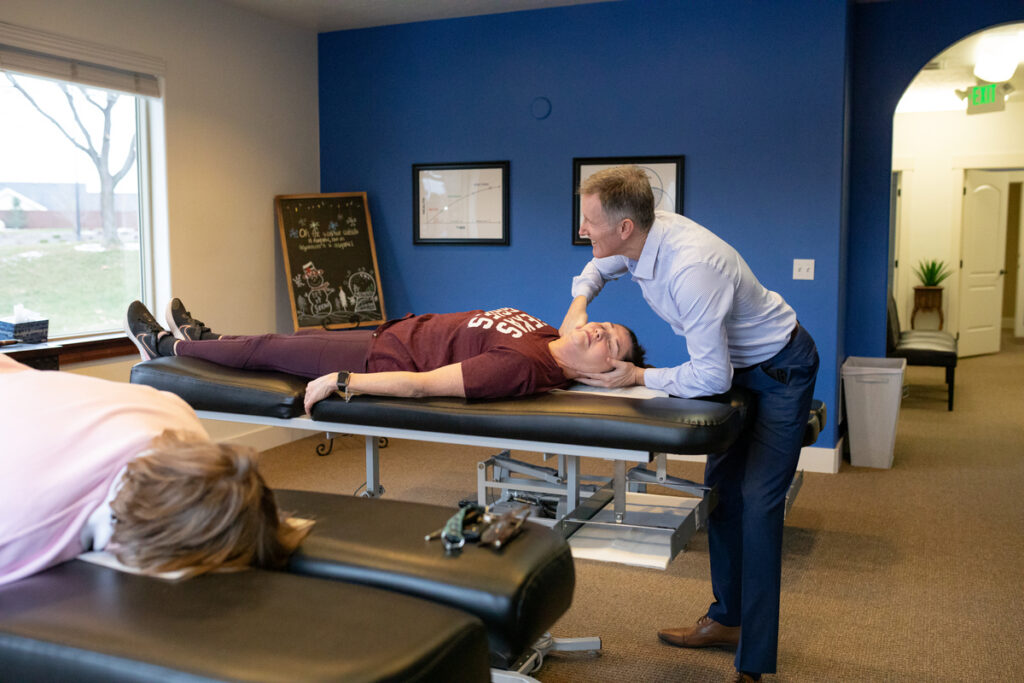

As a local chiropractor, I understand how debilitating back pain can be and how it can interfere with your daily activities. Many people are unaware that simple lifestyle adjustments can significantly improve your back health. Your posture and exercise habits play a crucial role in preventing discomfort and enhancing your overall well-being.
I want to share some practical strategies that you can easily incorporate into your life to support a healthy back. By focusing on these key changes, you can take proactive steps toward maintaining your spinal health and preventing pain. Let’s delve into some effective approaches you can start using today to keep your back in optimal condition.
Improve Your Posture
As a local chiropractor, I want to emphasize the importance of good posture in promoting overall health and reducing back pain. You may not realize how your daily habits can impact your spine’s alignment. When you’re sitting or standing, it’s crucial to keep your shoulders back and your head aligned with your spine. This proper alignment helps distribute your body weight evenly, which in turn reduces strain on your back.
If you find yourself spending long hours at a desk, consider adjusting your chair and monitor height to ensure a neutral posture. Your feet should be flat on the floor, and your knees should be level with your hips.
When you walk, remember to engage your core muscles and avoid slouching. Small changes can lead to significant improvements in your comfort and well-being.
I encourage you to be mindful of your posture throughout the day. Make it a habit to regularly check in with yourself, especially during prolonged periods of sitting.
Incorporate Regular Stretching
As a local chiropractor, I want to emphasize the importance of incorporating regular stretching into your daily routine. Many of my patients are surprised to learn that stretching can significantly enhance flexibility and reduce the risk of back pain. When we stretch, we loosen tight muscles and improve our range of motion, which is crucial for maintaining good posture and supporting spinal health.
Even simple stretches can be done in just a few minutes, making it easy to integrate them into your day. I recommend focusing on areas that often tighten up, such as your hamstrings, hip flexors, and lower back. Some effective stretches include standing forward bends, child’s pose, and seated spinal twists.
Ideally, aim to stretch a few times a week, or even daily if possible. You may find that consistent stretching eases tension and promotes relaxation, which is vital for overall well-being.
It’s important to listen to your body during stretching—don’t push yourself too hard. As your flexibility improves, you can gradually increase the intensity of your stretches. This proactive approach not only helps you stay pain-free but also enables you to enjoy a more active and fulfilling lifestyle.
Invest in Ergonomic Furniture
As a local chiropractor, I often see patients who struggle with back pain, especially those who spend countless hours sitting at a desk. One effective way to alleviate and prevent this discomfort is by investing in ergonomic furniture.
Ergonomic chairs are designed to support your lower back and promote a healthy posture, which can significantly reduce the strain on your spine. When choosing a chair, look for options that allow for adjustments in height, lumbar support, and armrests, ensuring that it fits your body comfortably.
It’s also crucial to consider your desk setup. A desk that allows for both sitting and standing positions, such as a standing desk or an adjustable desk, can encourage you to change positions throughout the day. This simple adjustment can help relieve pressure on your back.
Don’t forget about the smaller accessories, like keyboard trays and monitor stands. These tools can help keep your wrists in a neutral position and your screen at eye level, minimizing unnecessary strain on your body.
Stay Active With Regular Exercise
As a chiropractor, I want to emphasize the importance of staying active through regular exercise to effectively prevent back pain. Engaging in consistent physical activity isn’t just beneficial for your back; it strengthens your core muscles, increases flexibility, and improves posture—all vital components for maintaining a healthy spine.
I recommend incorporating a variety of exercises into your routine, including cardiovascular activities like walking or swimming, along with strength training that focuses on your back, legs, and abdomen. Aim for at least 30 minutes of moderate exercise each day.
Remember, you don’t need to go to a gym; activities such as gardening, dancing, or brisk walking can be incredibly effective.
It’s crucial to listen to your body and avoid pushing yourself too hard, especially if you’re new to exercise. Start at a comfortable pace and gradually increase the intensity as your body adapts.
Consistency is essential; maintaining an active lifestyle not only helps prevent back pain but also enhances your overall health and well-being.
So, whether you’re lacing up your sneakers for a walk or trying out a new activity, know that these efforts are significant steps toward a healthier back—and your body will thank you for it!
If you have any questions about how to incorporate exercise safely, feel free to reach out.
Practice Proper Lifting Techniques
As a local chiropractor dedicated to your health and well-being, I want to emphasize the importance of using proper lifting techniques to protect your back.
When you lift heavy objects, it’s crucial to bend your knees instead of your back. This helps to distribute the weight more evenly and reduces strain on your spine.
Keep the load close to your body, as this minimizes the leverage and stress on your back muscles. Additionally, maintaining a straight back throughout the lift is vital to prevent injury.
By incorporating these simple yet effective techniques into your daily activities, you can significantly reduce the risk of back pain and promote better spinal health.
Bend Your Knees
As your chiropractor, I want to emphasize the importance of using proper lifting techniques to protect your spine and prevent injuries. One of the fundamental principles we teach is to lift with your knees rather than your back.
When you need to pick something up, take a moment to squat down by bending your knees. This not only helps you maintain balance—especially when your feet are shoulder-width apart—but also ensures that your back remains straight and your core is engaged.
Adopting this posture is crucial because it helps distribute the weight evenly across your body, significantly reducing the risk of back pain. As you lift, focus on pushing through your heels and utilizing your leg muscles to stand up.
It’s important to avoid twisting your body while carrying a load; instead, pivot your feet to turn in the direction you need to go.
Remember, lifting isn’t just about the act itself; it’s about lifting smart. By consistently practicing these techniques, you’ll not only protect your back but also make your daily tasks much safer and more manageable.
As your chiropractor, I’m here to help you understand and implement these practices for a healthier, pain-free life.
Keep Load Close
As a local chiropractor dedicated to promoting natural healing and overall well-being, I want to share an essential principle for safe lifting that can help prevent injuries and support your spine’s health: keeping the load close to your body.
When you hold items near your center of gravity, you not only reduce strain on your back but also enhance your stability and balance. Here are some key tips to keep in mind:
- Lift items at waist height: This technique minimizes the lifting distance, allowing you to maintain a more stable posture and lessen the risk of injury.
- Use both hands for lifting: Distributing the weight evenly across your body helps prevent awkward movements, which can lead to unnecessary strain on your back and spine.
- Reposition instead of reaching: If you find yourself in a situation where you need to lift something that’s out of reach, take a moment to adjust your position rather than stretching or leaning awkwardly. This simple change can significantly reduce stress on your back.
By following these guidelines, you can protect your spine and promote a healthier, more balanced lifestyle.
Maintain Straight Back
As a local chiropractor, I want to emphasize the importance of maintaining a straight back when lifting to protect your spine and overall health. Many people may not realize that bending at the waist can place excessive strain on your back, leading to discomfort and potential injury.
Instead, I encourage you to hinge at your hips while keeping your back straight. This technique allows for better weight distribution and minimizes the risk of strain.
When lifting, it’s essential to position yourself close to the object you’re handling. Engaging your core muscles provides additional stability and support.
Remember to push through your legs rather than relying on your back for strength—your leg muscles are powerful allies in this process. If you encounter an object that feels too heavy to lift safely, don’t hesitate to ask for assistance or use a dolly.
Maintain a Healthy Weight
As a local chiropractor, I want to emphasize the importance of maintaining a healthy weight for your overall well-being and to prevent issues like back pain. Excess body weight can place significant strain on your spine and the muscles surrounding it, leading to discomfort and poor posture.
To help you manage your weight effectively, I recommend the following strategies:
- Eat a balanced diet: Prioritize whole foods such as fruits, vegetables, lean proteins, and whole grains. These foods provide the essential nutrients your body needs to function optimally and keep your energy levels stable throughout the day.
- Stay active: Regular physical activity is crucial. I encourage you to incorporate a variety of exercises into your routine, including cardiovascular workouts, strength training, and flexibility exercises. This not only helps with weight management but also strengthens your core, which is vital for supporting your spine.
- Stay hydrated: Adequate hydration is key to maintaining good health. Drinking enough water can help you feel full, reducing the likelihood of unnecessary snacking, and supports your body’s overall functions.
By focusing on these lifestyle changes, you can contribute to a healthier weight, which in turn can alleviate pressure on your back and enhance your quality of life.
If you have questions or need guidance on how to implement these strategies, please feel free to ask during your next visit. Together, we can work towards a healthier you!
Prioritize Sleep Quality
As a local chiropractor dedicated to helping you achieve optimal health, I want to emphasize the critical importance of quality sleep for your overall well-being, especially when it comes to preventing back pain. Striving for 7-9 hours of restorative sleep each night can significantly enhance your body’s ability to heal and recover.
To improve your sleep quality, consider investing in a comfortable mattress and supportive pillows that cater to your specific needs. These elements play a vital role in how well you sleep and how your back feels upon waking.
Establishing a consistent sleep schedule is another effective strategy. Going to bed and waking up at the same time each day helps regulate your body’s internal clock, promoting a more restful night. Additionally, creating a calming bedtime routine can signal to your body that it’s time to wind down.
I recommend limiting screen time before bed, as exposure to blue light can disrupt your natural sleep patterns. Your sleep position is also crucial; I encourage you to sleep on your side with a pillow between your knees. This position can help maintain proper spinal alignment, which is essential for reducing back pain.
Conclusion
As your local chiropractor, I want to share some important lifestyle changes that can significantly reduce your risk of back pain. First and foremost, focusing on your posture is vital. Many people underestimate how much proper alignment can impact their back health. Additionally, incorporating regular stretching into your routine can help keep your muscles flexible and your spine aligned.
Investing in ergonomic furniture is another key step. Whether it’s a supportive chair for your workspace or a mattress that promotes proper spinal alignment, these changes can enhance your daily comfort and support your back. Staying active is crucial as well; regular physical activity strengthens the muscles that support your spine. When lifting heavy objects, remember to practice proper techniques—bending your knees and keeping the load close to your body can prevent strain.
Maintaining a healthy weight is essential, as excess weight can put additional pressure on your back. Finally, don’t underestimate the importance of quality sleep. A restful night can aid in recovery and promote overall well-being.
I encourage you to start incorporating these tips into your daily life. By taking proactive steps, you can work towards a healthier, pain-free back. Remember, chiropractic care is here to support you on your journey to wellness!