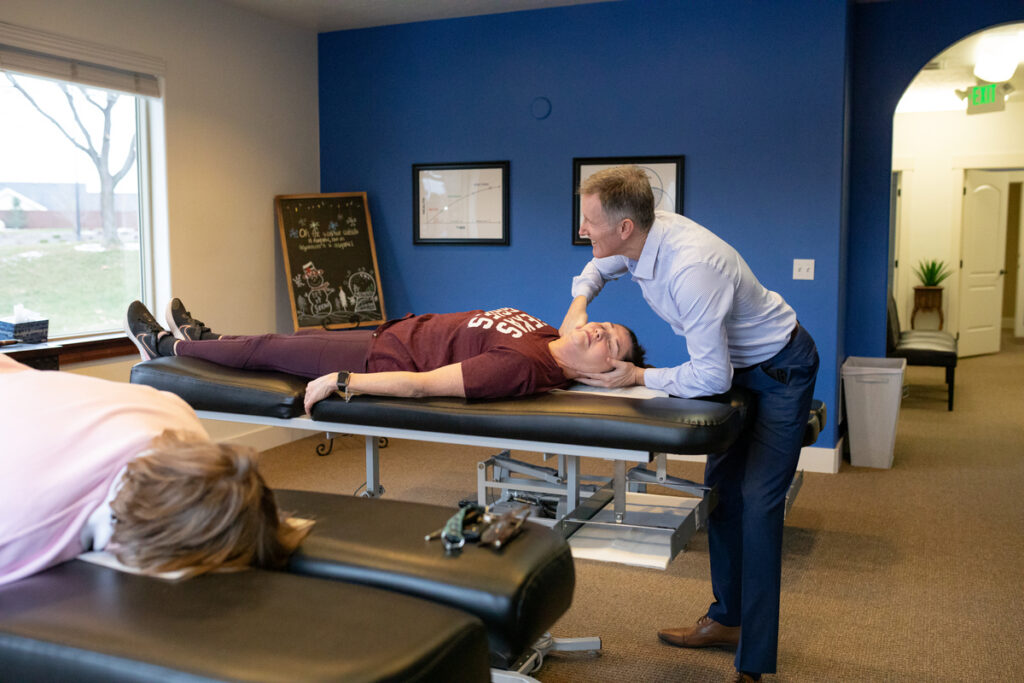

As a local chiropractor, I want to emphasize the importance of preventative care in maximizing your athletic performance. Many athletes overlook this aspect, prioritizing training and competition instead. However, regular check-ups and personalized wellness plans can truly make a difference. They not only help you avoid injuries but also keep you in peak condition, allowing you to perform at your best.
By focusing on key areas such as spinal health and nutrition, you're not just preparing for your next game; you're making an investment in your longevity and overall well-being as an athlete. So, what specific strategies can you incorporate into your routine to ensure that you're not just performing but truly thriving? Let's explore how chiropractic care can support your athletic journey and enhance your performance naturally.
Importance of Preventative Care
As a local chiropractor, I want to emphasize the critical role that preventative care plays in maintaining optimal health, especially for athletes. Prioritizing regular check-ups not only helps in assessing your overall spinal and joint health but also allows us to identify potential issues early on, before they escalate into serious injuries.
By taking a proactive approach to your well-being, you can enhance not just your physical capabilities but also your mental focus, which is vital for honing your skills in any sport.
Incorporating a well-rounded warm-up routine is essential. This includes dynamic stretching and mobility exercises that prepare your muscles and joints for the demands of training or competition. Such activities promote blood flow and significantly reduce the risk of strains or sprains.
Additionally, engaging in cross-training can be beneficial for preventing overuse injuries by ensuring balanced muscle development and minimizing repetitive stress on specific areas of the body.
Nutrition is another key component of preventative care. By fueling your body with the right nutrients, you can optimize recovery and performance. Don't forget about hydration! Staying adequately hydrated is essential for maintaining energy levels and supporting overall health. Make it a habit to drink enough water before, during, and after your workouts.
Rest is equally important. Your body needs time to recover to prevent burnout and injuries. Pay attention to what your body is telling you; if you're feeling fatigued, it's crucial to take a break or adjust your training regimen.
By embracing preventative care through chiropractic adjustments and holistic practices, you can significantly enhance your athletic performance and enjoy your sport for many years to come.
Your commitment to maintaining your health today will yield benefits in the long run, keeping you strong, agile, and ready to compete. Remember, chiropractic care isn't just about treating pain; it's about creating a foundation for a healthier, more active lifestyle.
Common Athletic Injuries
As a local chiropractor, I've seen many athletes who aren't fully aware of the common injuries that can keep them from performing at their best.
It's essential to understand these injuries and the effective prevention strategies that can help you maintain your peak performance. By recognizing the signs of these issues early on, you can take proactive steps to protect yourself, whether you're on the field or the court.
Through chiropractic care, we focus on natural healing methods that can aid in injury prevention and recovery.
Let's dive into the types of injuries you might encounter and how our holistic approach can help you stay active and healthy.
Types of Common Injuries
As a local chiropractor, it's important for me to educate you about common injuries that can affect your athletic performance and overall well-being. Many athletes, regardless of their dedication, can find themselves sidelined by injuries. Understanding these injuries can empower you to take proactive steps in your care and recovery.
One of the most common issues I encounter in my practice are sprains and strains. These injuries often arise from overexertion or improper technique during physical activity. A sprain refers to the stretching or tearing of ligaments, while a strain pertains to injuries of muscles or tendons. Both can be quite painful and may benefit from chiropractic adjustments and rehabilitative exercises to promote healing.
Another frequent injury is tendonitis, which is characterized by inflammation of a tendon caused by repetitive motions. This is especially common in sports like running or tennis, where certain movements are performed over and over. Chiropractic care can help reduce inflammation and restore proper function through targeted treatments.
Fractures are also a concern, often resulting from sudden impacts or accumulated stress over time. Stress fractures, in particular, are small cracks in the bone that develop gradually, commonly seen in runners. If you suspect a fracture, it's crucial to seek professional advice for appropriate management.
Don't forget about contusions, or bruises, which are the result of direct blows to the body, frequently occurring in contact sports. While these may seem minor, they can impact your range of motion and require gentle care to ensure proper healing.
Lastly, joint injuries, such as dislocations or cartilage tears, can be prevalent in high-impact activities. Early recognition and intervention are key in addressing these injuries. Through chiropractic adjustments, we can help restore alignment and function to your joints, allowing you to return to your favorite activities sooner.
Prevention Strategies in Sports
As a local chiropractor, I want to emphasize that understanding common athletic injuries is just the beginning; taking proactive steps to prevent them is where true improvement lies. To ensure you stay safe and perform at your peak, it's essential to adopt effective prevention strategies.
Start with proper warm-up and cool-down routines. Dynamic stretching before your activity increases blood flow and flexibility, while static stretching afterward is vital for maintaining muscle elasticity. These practices not only prepare your body for physical exertion but also help in recovery, reducing the risk of injuries.
Strength training is another key element. By building strength in critical muscle groups, such as your core, legs, and upper body, you enhance your body's ability to handle the demands of your sport.
Additionally, incorporating balance and coordination exercises—like yoga or Pilates—can significantly improve your stability, which is crucial for injury prevention.
Listening to your body is paramount. If you experience any pain or discomfort, it's important not to ignore it. Rest and recovery are just as essential as your training sessions.
I encourage my patients to consider cross-training, which involves mixing different activities into your routine to prevent overuse injuries.
Finally, ensure that you're using the right equipment tailored to your specific sport. Poorly fitting shoes or gear can lead to injuries that could easily be avoided.
By being proactive and integrating these strategies into your routine, you can greatly reduce your risk of injury and enhance your overall athletic performance.
Role of Regular Check-Ups
As a local chiropractor, I want to emphasize the critical role that regular check-ups play in enhancing your overall health and athletic performance. These visits aren't just about managing pain; they're an opportunity to identify potential health issues before they escalate, ensuring you can stay active and perform at your best.
By making these appointments a priority, you're investing in a healthier, more resilient you. Here's how regular chiropractic check-ups can benefit you:
1. Early Detection: Routine visits to a chiropractor can reveal underlying health concerns, such as spinal misalignments or muscular imbalances, which may not present immediate symptoms.
Detecting these issues early can help prevent more serious complications that could hinder your athletic performance.
2. Customized Wellness Plans: During your check-up, I'll assess your physical condition and discuss any specific goals or concerns you have.
This allows us to create a tailored wellness plan that aligns with your individual needs, helping you optimize your training regimen for maximum effectiveness.
3. Holistic Nutritional Support: Chiropractic care goes beyond physical adjustments; it encompasses your overall well-being, including nutrition.
We can work together to develop a balanced diet plan that supports your body's needs, enhancing your performance and recovery.
4. Mental and Emotional Wellness: Your mental health is just as important as your physical health when it comes to achieving peak athletic performance.
Regular check-ups provide a space to discuss any stress or mental challenges you may be facing, ensuring you have the mental clarity and resilience to excel.
By incorporating regular chiropractic check-ups into your routine, you're not just taking a proactive approach to your health; you're setting yourself up for sustained athletic success.
Effective Injury Prevention Strategies
As a local chiropractor, I want to emphasize the importance of injury prevention for everyone, not just athletes.
Whether you're an active individual or someone who enjoys occasional physical activity, understanding how to protect your body can significantly enhance your well-being and longevity.
One of the first steps in preventing injuries is to assess your individual risk factors. Every person has unique strengths and weaknesses, and understanding these can help tailor a safe and effective exercise routine.
I encourage you to pay attention to how your body feels during various movements and activities.
Incorporating strength training into your routine is vital for everyone. Strengthening your muscles, ligaments, and tendons provides essential support to your joints, reducing the risk of injuries.
Focus on exercises that reflect your daily activities, as these functional movements can improve your stability and balance.
Flexibility shouldn't be overlooked, either. Regular stretching and mobility work can enhance your range of motion and prevent muscle tightness.
Consider adding practices like yoga or dynamic stretching to your lifestyle; these can promote overall flexibility and reduce your chances of injury.
Listening to your body is crucial. If you experience discomfort or fatigue, it's essential to take those signals seriously.
Ignoring these signs can lead to more significant issues down the road. Make sure to schedule regular rest days and explore recovery techniques like foam rolling or massage, which can help your body heal and rejuvenate.
Finally, using the right equipment can't be stressed enough. Proper footwear and protective gear can make a significant difference in preventing injuries.
Regularly check your gear and replace it when necessary to ensure you're always performing at your best.
By incorporating these injury prevention strategies into your daily routine, you'll not only enhance your overall health but also set yourself up for a more active and fulfilling life.
As your chiropractor, I'm here to guide you on this journey toward natural healing and wellness.
Importance of Warm-Up and Cool-Down
As a local chiropractor, I want to emphasize the importance of warming up before engaging in any intense activity. Warming up is crucial for preparing your body, as it helps enhance your performance and significantly reduces the risk of injuries.
Just as vital is the practice of cooling down after your workout. This phase is essential for recovery, as it allows your heart rate to gradually return to normal and helps prevent stiffness in your muscles.
Incorporating these practices into your routine not only supports your physical health but also aligns with the principles of natural healing that we advocate in chiropractic care.
Benefits of Warming Up
As a local chiropractor, I want to emphasize the importance of starting your workouts with a proper warm-up. This practice isn't just beneficial for athletes; it's essential for anyone looking to enhance their physical activity while minimizing the risk of injury.
Here are four key benefits of warming up that I encourage my patients to consider:
- Increased Blood Flow: Warming up elevates your heart rate and boosts circulation to your muscles, ensuring that they receive the oxygen and nutrients they need. This is crucial for maintaining overall health and supporting your body's natural healing processes.
- Improved Flexibility: A thorough warm-up includes dynamic stretches that help improve your range of motion. This is especially important for preventing strains and sprains, making your movements during exercise more fluid and effective.
- Enhanced Muscle Activation: Gradually activating your muscles helps prepare them for the demands of your workout. This means you're more likely to achieve better strength and power output, which can lead to improved performance and fewer injuries.
- Mental Preparation: Taking the time to warm up allows you to focus and mentally prepare for your session. This not only sets a positive tone for your workout but also helps you concentrate on your goals, fostering a better mind-body connection that's vital for overall wellness.
Incorporating a proper warm-up into your routine can significantly enhance your physical performance and contribute to a healthier, more active lifestyle.
As your chiropractor, I'm here to support you in your journey toward natural healing and optimal health.
Role of Cooling Down
As a local chiropractor, I want to highlight the vital role that cooling down plays in your overall athletic performance and recovery. After you've put in the hard work with your exercise routine, taking the time to cool down is just as crucial.
Cooling down helps your body transition back to its resting state by gradually lowering your heart rate, which can help prevent feelings of dizziness or fainting.
Additionally, cooling down is essential for flushing out lactic acid that builds up in your muscles during intense activity. This process can significantly reduce muscle soreness and expedite recovery, allowing you to perform better in the long run.
I recommend incorporating a cool-down routine into your regimen, which should include light aerobic activity like walking or gentle jogging, followed by static stretching. This combination not only maintains flexibility but also helps prevent your muscles from tightening up after exercise.
You might feel tempted to skip this important step when you're pressed for time, but neglecting to cool down can increase your risk of injuries and lead to longer recovery periods.
Tailored Recovery Techniques
As a local chiropractor, I understand how crucial effective recovery is to enhance your athletic performance, especially if you're pushing your limits in training or competition.
Incorporating tailored recovery techniques into your routine can significantly improve your body's ability to recover, ensuring you're prepared for your next challenge. Here are four strategies you can easily implement:
1. Active Recovery: Consider engaging in low-intensity activities like walking or cycling on your rest days. These gentle movements promote better blood circulation, helping to alleviate soreness and speed up your recovery process.
2. Foam Rolling: Utilizing a foam roller can be incredibly beneficial for your muscles and fascia. This self-myofascial release technique works wonders in relieving tension, enhancing mobility, and reducing muscle soreness.
It's a simple yet effective way to care for your body.
3. Stretching Routines: Incorporate dynamic stretches before your workouts to warm up your muscles, and follow up with static stretches afterward to cool down. Keeping your muscles flexible is essential for preventing injuries and improving your overall performance.
4. Sleep Optimization: Never underestimate the power of quality sleep. Establishing a regular sleep schedule and creating a calming environment can greatly enhance your recovery.
Remember, your body primarily repairs itself during sleep, which is crucial for muscle recovery and mental clarity.
By understanding and applying these tailored recovery techniques, you can harness the natural healing abilities of your body and support your overall wellness journey.
If you have any questions or would like personalized guidance, feel free to reach out!
Nutrition's Impact on Performance
As a local chiropractor, I want to emphasize that recovery from physical activity isn't solely about rest and therapy techniques; it's also significantly influenced by what you put into your body. Proper nutrition plays a crucial role in enhancing your athletic performance, helping you recover faster and perform better.
To achieve optimal results, it's essential to focus on a well-rounded diet that includes a healthy balance of carbohydrates, proteins, and fats. Carbohydrates serve as your primary source of energy, particularly during those high-intensity workouts. So, make sure to include plenty of whole grains, fruits, and vegetables in your meals.
Proteins are vital for repairing and building muscle. Incorporate sources like lean meats, fish, beans, and dairy into your diet to support recovery after intense training. Additionally, healthy fats found in foods such as avocados, nuts, and olive oil provide sustained energy and assist with the absorption of essential nutrients.
Hydration is another critical component of nutrition that should never be overlooked. Dehydration can negatively impact your performance and increase the risk of injuries. It's important to drink enough water throughout the day and during your workouts—don't wait until you're thirsty; make it a habit to sip consistently.
Meal timing can also influence how well you perform. Consuming a balanced meal two to three hours before exercising provides the fuel your body needs. Likewise, refueling with a combination of carbohydrates and protein within 30 minutes after your workout can enhance your recovery process.
In summary, the food you eat has a direct impact on your performance and overall health. Prioritizing nutrition not only aids in recovery but also sets you up to achieve your athletic goals.
Mental Health and Performance
As a local chiropractor, I want to emphasize the significant role mental health plays in your overall well-being and athletic performance. It's not just about how your body feels; your mental state can greatly influence how you compete and achieve your goals.
When your mind is balanced and healthy, you're more likely to excel in your activities. Conversely, mental health challenges can create hurdles that may hinder your performance. It's crucial to recognize and address these issues for your overall success.
Here are four important ways in which mental health can impact your athletic performance:
- Focus and Concentration: A clear and calm mind is essential for maintaining focus during both training and competition. When stress or anxiety enters the picture, it can disrupt your concentration, making it difficult to perform at your best.
- Resilience: Your mental health plays a vital role in your ability to recover from setbacks. Those with strong mental resilience are better equipped to face challenges, learn from their experiences, and stay motivated, which is essential for any athlete.
- Motivation: Your mental state has a direct impact on your drive to engage in physical activity. If you're experiencing mental health struggles, you may find it challenging to get motivated to exercise or train effectively.
- Team Dynamics: In group settings, such as team sports, your mental health can influence how you interact with your teammates. A positive mental outlook fosters better communication and cooperation, ultimately enhancing team performance.
As a chiropractor, I encourage you to consider both your physical and mental health as interconnected aspects of your overall wellness. By addressing these areas holistically, we can support not just your physical performance, but also your mental clarity and resilience.
Creating a Personal Preventative Plan
As a local chiropractor dedicated to your overall health and athletic performance, I want to emphasize the importance of creating a personal preventative plan. This plan is essential for enhancing your physical capabilities and maintaining your well-being, and it should be customized to fit your unique needs—considering your specific sport, fitness level, and any past injuries.
To begin, I recommend assessing your current health status. Scheduling a physical examination with a healthcare professional, including a chiropractor, can help identify any underlying issues that may impact your training. This proactive approach is fundamental to preventing injuries before they occur.
Establishing clear goals is also crucial. Whether you're focused on increasing strength, endurance, or flexibility, setting specific, measurable objectives can keep you motivated and on track.
A well-rounded training regimen that incorporates strength training, cardiovascular exercises, and flexibility work is key. Remember, allowing for adequate recovery is just as important; overtraining can lead to injuries that hinder your progress.
Nutrition is another vital component of your preventative plan. Fuel your body with a diet rich in whole foods—think lean proteins, complex carbohydrates, and healthy fats. Staying hydrated is equally important, so make it a habit to drink plenty of water throughout the day and especially during your workouts.
Mental well-being shouldn't be overlooked. Techniques like mindfulness, meditation, or visualization can help manage stress and improve focus. Regular consultations with a sports psychologist or a chiropractor who understands the mental aspects of sports can provide valuable insights and support.
Lastly, tracking your progress is essential. Keeping a journal or using an app to monitor your workouts, nutrition, and mental state can provide important data. This information allows you to make informed adjustments to your plan, ensuring you stay on the path to optimal performance.
As your local chiropractor, I'm here to guide you in developing a comprehensive preventative plan that promotes not just athletic excellence, but overall health and vitality. Let's work together to set you up for success!
Conclusion
As a local chiropractor, I want to emphasize the importance of incorporating preventative care into your training routine to enhance your athletic performance. Many athletes and fitness enthusiasts may not realize that prioritizing regular chiropractic check-ups, personalized recovery methods, and a well-balanced nutrition plan can significantly reduce the risk of injuries and improve overall resilience.
Warming up and cooling down are crucial aspects of maintaining your body's longevity, and chiropractic care can support these practices by ensuring that your musculoskeletal system is functioning optimally. By addressing any underlying issues and enhancing your body's alignment, you can improve your performance and reduce the likelihood of setbacks.
I encourage you to take charge of your health by developing a personalized preventative care plan that takes into account your specific needs and athletic goals. This proactive approach, which includes regular chiropractic visits, will not only help you perform at your peak physically but also support your mental well-being. Together, we can ensure that you are at your best every step of the way!