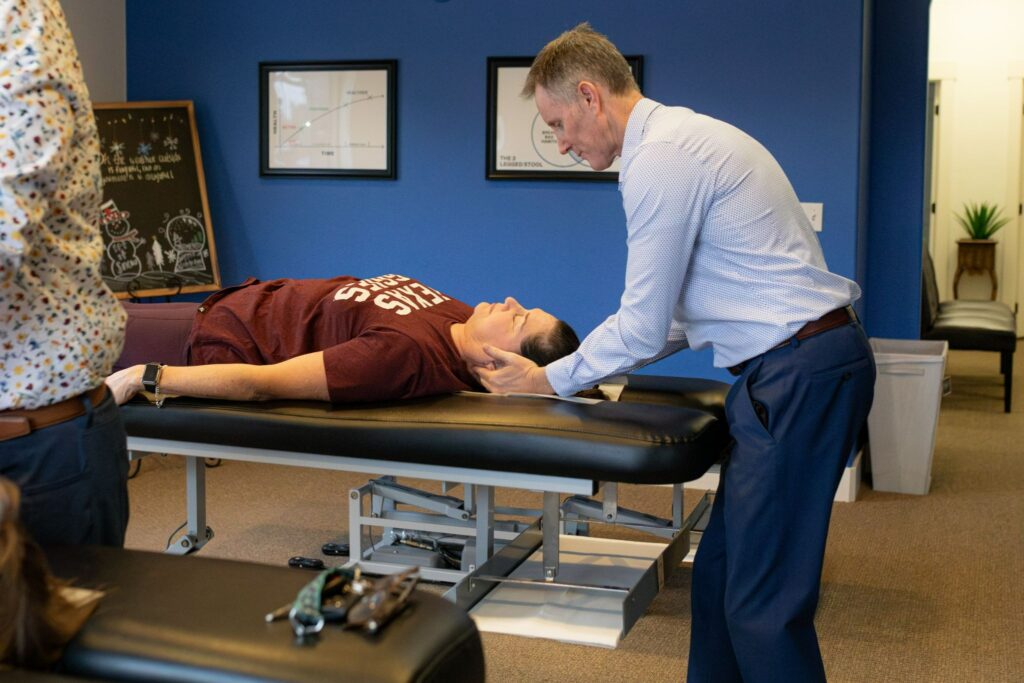

As a local chiropractor, I understand that back pain can be both frustrating and limiting. Many of my patients come to me seeking relief, often relying on medication without fully exploring the natural methods available for alleviating discomfort. It’s important to know that there are several effective strategies you can incorporate into your daily routine to promote healing and enhance your overall well-being.
Gentle stretches and targeted strengthening exercises are just a couple of the natural approaches we often discuss in our practice. These techniques not only help alleviate pain but also empower you to take control of your health. By understanding how your body works and implementing these strategies, you can embark on a journey toward a pain-free life.
Let me guide you through some of the most effective methods that can make a significant difference in your back pain management. Together, we can explore these natural healing techniques to help you feel better and regain your quality of life.
Understanding the Causes of Back Pain
As a local Chiropractor, I want to help you understand that back pain isn’t just something that happens as we age or because of heavy lifting. It can actually arise from a variety of factors that you may not be aware of. One of the leading contributors to back discomfort is poor posture. For instance, if you find yourself slouching at your desk or hunching over your phone, you may be straining the muscles and ligaments in your back without even realizing it.
Another important factor is a lack of physical activity. When we don’t engage our core muscles regularly, they can weaken, making it more challenging for your back to support your body effectively.
Additionally, stress can play a significant role in back pain, as it often leads to muscle tension, tightness, and discomfort.
There are also underlying medical conditions to consider, such as herniated discs or arthritis, which can manifest as back pain. It’s crucial to listen to your body and recognize the signs it’s giving you. By identifying these causes, not only can you gain a better understanding of your pain, but you can also take proactive steps toward relief.
At our practice, we emphasize the importance of natural healing and chiropractic care to address these issues holistically. By acknowledging these factors, you can make informed decisions about your health and well-being, leading to a more comfortable and active lifestyle.
Let’s guide you on this journey to better spinal health and overall wellness.
Gentle Stretches to Relieve Tension
As a local chiropractor, I want to share with you some gentle stretches that can significantly alleviate back tension and enhance your overall comfort. Incorporating moves such as the Cat-Cow stretch, Child’s Pose, and Seated Forward Bend into your routine can be incredibly beneficial for your body.
Let’s take a closer look at how these stretches can support your health and well-being.
The Cat-Cow stretch is excellent for mobilizing the spine and promoting flexibility. It involves alternating between arching and rounding your back, which helps to relieve tightness and improve circulation in the back muscles.
Child’s Pose is another wonderful stretch that encourages relaxation. It gently stretches your spine and hips while allowing your body to release tension. This pose promotes a sense of calm and can be particularly helpful if you’re feeling stressed or fatigued.
Lastly, the Seated Forward Bend is perfect for lengthening the spine and hamstrings. It helps to reduce lower back tension while also improving your posture. By leaning forward gently, you can experience a soothing stretch that promotes relaxation throughout your entire back.
Incorporating these gentle stretches into your daily routine can complement chiropractic care and contribute to your overall health.
Cat-Cow Stretch Benefits
As a chiropractor, I often recommend the Cat-Cow stretch to my patients as an effective way to relieve back tension and improve overall flexibility.
This gentle, dynamic movement isn’t just about stretching; it’s a way to connect your breath with motion, which can greatly enhance relaxation and mindfulness.
When you transition between the arched position of Cat and the lifted position of Cow, you’re promoting increased blood flow to your spine.
This can help alleviate stiffness that many of us experience due to prolonged sitting or poor posture—a common issue in today’s lifestyle.
Additionally, this stretch encourages proper spinal alignment, which is crucial for maintaining a healthy back.
By incorporating the Cat-Cow stretch into your daily routine, you can enhance your core strength and support your spinal health.
Just a few minutes each day can lead to noticeable improvements in how your back feels.
Child’s Pose Advantages
As a chiropractor, I often recommend incorporating stretches like Child’s Pose into your daily routine to help alleviate back tension and promote relaxation.
This gentle stretch not only helps to elongate your spine but also opens up your hips, which is especially beneficial for those of you who spend long hours sitting.
When you settle into Child’s Pose, your body begins to decompress naturally, allowing tight muscles in your back and shoulders to loosen. This can be a significant relief if you experience discomfort from poor posture or prolonged sitting.
Additionally, focusing on your breath while in this position encourages mindfulness, which can help further reduce stress levels.
I encourage you to hold Child’s Pose for a few deep breaths. You may notice a soothing sensation spreading throughout your body, which can enhance your overall well-being.
By regularly practicing this stretch, you can experience not only relief from discomfort but also a greater sense of relaxation and balance in your daily life.
Embracing such natural healing techniques can complement the chiropractic care you receive and support your journey toward improved health.
Seated Forward Bend Tips
As a chiropractor, I often recommend incorporating the Seated Forward Bend into your routine as a natural way to relieve tension in your back and hamstrings.
To begin this gentle stretch, find a comfortable spot on the floor and extend your legs straight in front of you. It’s essential to maintain a straight spine as you take a deep breath in, reaching your arms overhead.
On your exhale, hinge at your hips and slowly lean forward, aiming to gently reach for your feet or shins. While doing this, it’s crucial to relax your neck and shoulders—allow gravity to assist you in this process.
Hold this stretch for 15-30 seconds, and remember to breathe deeply. If you experience any discomfort, ease off and focus on lengthening your spine instead of pushing into the stretch.
Strengthening Exercises for Back Support
As a local chiropractor, I want to emphasize the importance of strengthening exercises for supporting your back and alleviating pain.
It’s essential to focus on core stability exercises that effectively engage your abdominal muscles. Additionally, incorporating stretches that enhance flexibility is crucial for maintaining a healthy back.
By combining these practices, you can build a stronger, more resilient back, which can significantly improve your overall well-being.
Core Stability Exercises
As a chiropractor, I want to emphasize the importance of core stability exercises in managing and alleviating back pain. These exercises focus on strengthening the muscles that support your spine, which is crucial for maintaining a healthy back. By engaging your core, you can enhance your overall stability and significantly reduce strain on your spine.
I recommend starting with simple movements like planks and bird-dogs, which effectively target your abdominal and back muscles. For each exercise, aim for three sets of 10-15 repetitions. As you progress and build strength, you can add variations that challenge your balance, such as exercises using a stability ball.
It’s essential to maintain proper form throughout these exercises to prevent any risk of injury. Consistency is key in this practice, so I encourage you to incorporate these core stability exercises into your routine at least three times a week.
Strengthening your core not only helps relieve pain but also enhances your posture and improves your overall functional movement.
If you have any questions or need guidance on how to get started, feel free to reach out during your next visit. Together, we can work towards a healthier, pain-free lifestyle through natural healing practices.
Stretching for Flexibility
As a local chiropractor, I want to emphasize the importance of stretching for flexibility in addition to core stability exercises for maintaining a healthy back. Many people may not realize that incorporating regular stretching into your daily routine can significantly help manage back pain. Stretching keeps your muscles and connective tissues elastic, which helps alleviate tightness that often leads to discomfort.
I recommend focusing on stretches that specifically target your lower back, hamstrings, and hip flexors. Some effective stretches include the cat-cow stretch, child’s pose, and seated forward bend. These simple movements can lead to noticeable benefits in your flexibility and overall comfort.
When stretching, aim to hold each position for at least 20-30 seconds, and remember to breathe deeply. This will enhance relaxation and improve the effectiveness of your stretches.
Consistency is crucial, so try to incorporate stretching into your daily routine or at least several times a week. With a little patience and persistence, you’ll likely experience improved flexibility and a reduction in back pain, making your journey to natural healing much more effective.
The Benefits of Heat Therapy
As a local chiropractor, I want to share with you the benefits of heat therapy, especially for those of you experiencing back pain. This natural approach can be a comforting and effective solution to help alleviate your discomfort.
Let me explain how incorporating heat therapy into your routine can make a difference in your healing process:
- Muscle Relaxation: Applying heat is a powerful way to soothe tight muscles. It helps to reduce tension and can ease muscle spasms, making you feel more comfortable.
- Increased Blood Flow: When you use heat therapy, it enhances blood circulation in the affected area. This increased blood flow delivers vital oxygen and nutrients, which are essential for promoting healing and recovery.
- Pain Relief: The warmth from heat therapy can help dull pain signals in your body, providing you with immediate relief from discomfort, which can be particularly beneficial during flare-ups.
- Improved Range of Motion: Heat therapy works wonders for loosening stiff muscles and joints. This can make it easier for you to move and stretch, which is crucial for maintaining an active lifestyle.
- Stress Reduction: The soothing effects of heat can also help lower your stress levels. By reducing tension and promoting relaxation, heat therapy contributes to your overall well-being.
Incorporating heat therapy into your routine is a simple and effective way to manage back pain naturally.
As your chiropractor, I encourage you to explore this method alongside other chiropractic treatments for the best results in your journey towards health and wellness.
Utilizing Cold Therapy for Inflammation
As a local chiropractor, I want to share some valuable information about managing inflammation through natural methods, particularly cold therapy. Many of my patients have found that using cold therapy can be an effective way to relieve pain and reduce swelling associated with inflammation.
When you apply a cold pack or ice wrapped in a cloth to the affected area for about 15-20 minutes, it can help constrict blood vessels, which in turn reduces inflammation and numbs sharp pains. It’s important to take breaks between applications to protect your skin from damage.
If you don’t have ice packs available, a bag of frozen vegetables can serve as a convenient alternative. Always pay attention to how your body feels; if the cold sensation becomes uncomfortable or painful, it’s best to remove the pack.
Cold therapy is most beneficial during the first 48 hours following an injury or flare-up. If you’re uncertain whether cold therapy is suitable for your situation, I encourage you to reach out for professional advice.
While cold therapy can effectively alleviate inflammation, combining it with other methods—like gentle stretching or sufficient rest—can significantly enhance your recovery process. Embrace these natural healing techniques, and together we can work towards your health and wellness goals!
The Role of Posture in Back Health
As a chiropractor, I want to emphasize the vital role that good posture plays in maintaining the health of your back. Your spine’s alignment is directly influenced by how you carry yourself, and poor posture can lead to unnecessary strain on your muscles, resulting in pain and discomfort.
Many people mightn’t realize that simply slouching or sitting incorrectly can create tension that affects their overall well-being. By being mindful of your posture, you can take proactive steps to prevent these issues and support your body’s natural healing processes.
Here are some practical tips to help you maintain good posture throughout your day:
- Always keep your feet flat on the floor when seated to provide a stable base.
- Ensure that your ears, shoulders, and hips are aligned in a straight line to promote proper spinal alignment.
- Consider investing in ergonomic furniture that offers the necessary support for your spine while you work or relax.
- Make it a habit to take regular breaks to stretch and move around; this helps relieve tension and encourages circulation.
- Strengthening your core muscles is essential, as they play a critical role in supporting your spine and maintaining good posture.
By incorporating these practices into your daily routine, you can foster a healthier spine and significantly reduce the risk of experiencing back pain.
Incorporating Mindfulness and Relaxation Techniques
As a chiropractor, I often see patients who are seeking relief from back pain. One effective approach I encourage is the incorporation of mindfulness and relaxation techniques into your daily routine. By focusing on your breath and being fully present in the moment, you can significantly alleviate tension in your body, which in turn can help diminish back pain.
I recommend setting aside a few minutes each day for deep breathing exercises. Inhale deeply through your nose, hold for a moment, and then exhale slowly through your mouth. This simple practice not only calms your mind but also relaxes your muscles, creating a more conducive environment for healing.
Additionally, engaging in yoga or gentle stretching can be incredibly beneficial. These activities not only enhance flexibility but also promote mindfulness as you pay attention to your movements and body awareness. If you’re new to these practices, guided meditation apps can be a great resource to help you establish a consistent routine.
Finally, I encourage you to explore the power of visualization. Take a moment to picture a serene place where you feel at ease; this mental imagery can help divert your focus from pain and foster a sense of calm.
When to Seek Professional Help
Are you wondering if your back pain warrants a visit to a chiropractor? It’s crucial to pay attention to your body and understand when it’s time to seek professional guidance.
If your discomfort continues or intensifies despite trying home remedies, don’t hesitate to reach out for help. Here are some key indicators that suggest it’s time to consult a chiropractor:
- Persistent pain lasting longer than a few weeks
- Intense pain that doesn’t improve with rest or basic self-care
- Pain accompanied by numbness or tingling sensations in your legs
- Difficulty in standing or walking comfortably
- Changes in bladder or bowel control
It’s important not to overlook these symptoms, as ignoring them could lead to more serious issues down the line.
Early intervention through chiropractic care can play a vital role in your recovery process. Don’t wait until the pain becomes unbearable; visiting a chiropractor can help you receive an accurate diagnosis and a tailored treatment plan that focuses on natural healing.
Trust your intuition—if something feels off, it’s wise to consult a chiropractic professional who can guide you on your path to wellness.
Conclusion
As a local chiropractor, I want to share some effective natural methods to help alleviate your back pain and improve your overall well-being. Understanding the root causes of your discomfort is essential. By incorporating gentle stretches into your daily routine, you can enhance your flexibility and reduce tension. Strengthening your core is equally important, as it provides the support your back needs.
I also encourage you to utilize heat and cold therapy as a natural way to relieve pain and inflammation. Maintaining good posture throughout your day is crucial, as it can prevent unnecessary strain on your back. Additionally, exploring mindfulness techniques, such as meditation or deep breathing exercises, can further enhance your pain relief efforts.
Remember, if your pain persists, seeking professional help is vital. As your chiropractor, I’m here to guide you on your journey to better health and comfort. Your well-being is my priority, and together we can work towards a pain-free life!