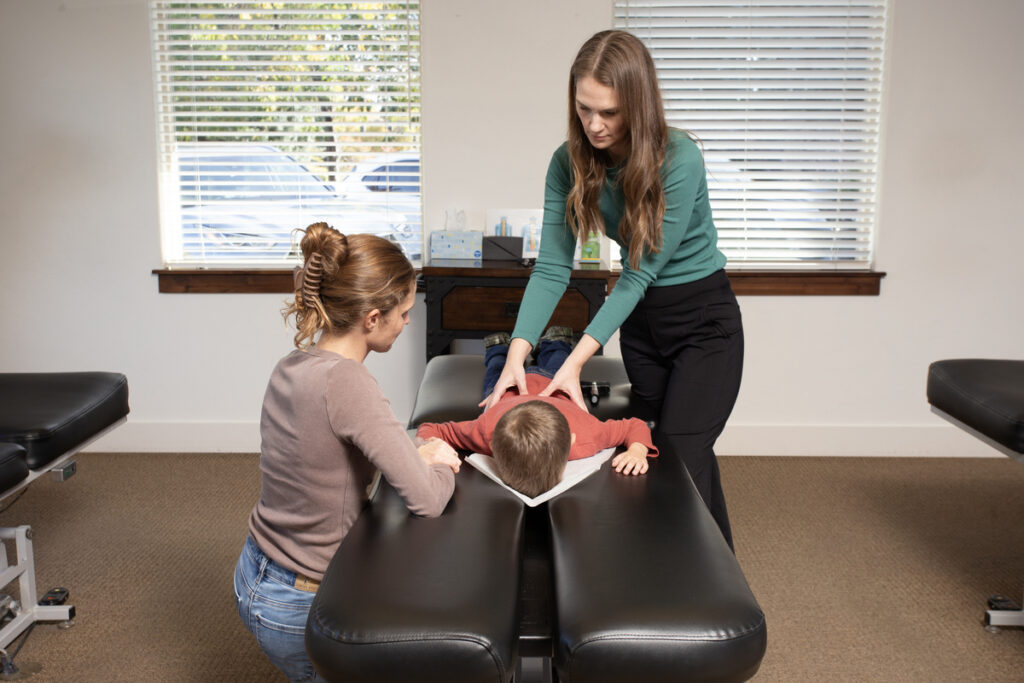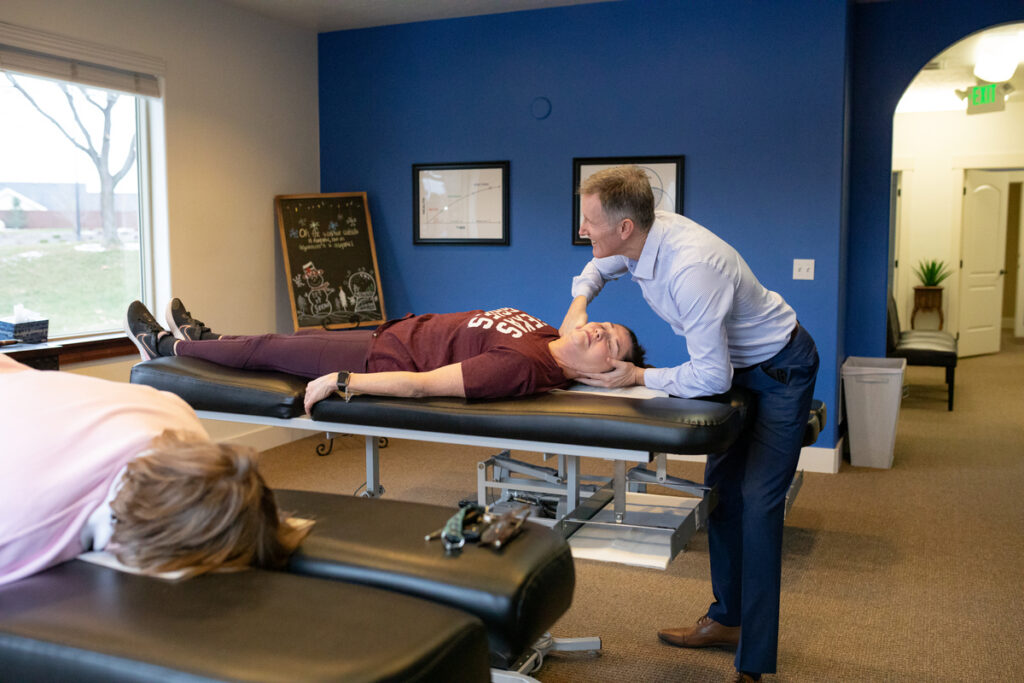

As a local chiropractor, I often see patients grappling with the complexities of neurological disorders. It can be daunting to navigate the various treatment options available, especially when you're seeking effective relief. One approach that deserves your attention is chiropractic care, which focuses on natural healing methods to improve your quality of life.
Chiropractic care can complement other treatments you may be considering, such as medication and physical therapy. Our goal is to enhance your overall well-being through spinal adjustments, which help to improve nervous system function and alleviate discomfort. Additionally, we can guide you on lifestyle changes that support your health journey.
Understanding the best treatments for your specific condition is crucial. That's why I'm here to help educate you on the unique benefits of chiropractic care and how it can work alongside other therapies. Let's explore the top ten treatments, including chiropractic adjustments, that could lead you toward a healthier, more vibrant life. Together, we can find the right path for your healing process.
Medication Options
When it comes to addressing neurological disorders, understanding the range of treatment options is crucial for managing symptoms and enhancing your overall quality of life. While many people may immediately think of medications, I want to share how chiropractic care and natural healing methods can also play a significant role in your wellness journey.
Chiropractic care focuses on the relationship between the spine and the nervous system. By ensuring proper alignment and function of the spine, we can help alleviate various symptoms such as pain, muscle spasms, and even cognitive impairments. For instance, gentle adjustments can reduce tension in the nervous system, potentially helping to lower the frequency of seizures for those with epilepsy.
If you experience mood fluctuations or stress-related issues, chiropractic care can also support emotional well-being. Many patients find that regular adjustments help them feel more balanced and less anxious, which can be beneficial for managing mood disorders.
In addition to spinal adjustments, we often incorporate lifestyle changes, exercises, and nutritional guidance to help improve mobility and reduce muscle tension naturally. These holistic approaches work in harmony with your body, providing relief without the need for medication.
It's important to maintain open communication about your symptoms and treatment goals. I encourage you to share your experiences, as this will help us tailor a care plan that suits your unique needs.
Physical Therapy
As a local chiropractor, I want to share how chiropractic care can serve as a strong foundation for managing neurological disorders. However, I also believe that integrating physical therapy into your treatment plan can significantly enhance your recovery and overall functionality.
Chiropractic adjustments focus on aligning your spine and improving the nervous system's communication, which is crucial when dealing with neurological conditions. But to truly optimize your movement and strength, physical therapy plays a vital role. It concentrates on enhancing your physical capabilities through tailored exercises that promote muscle strength, coordination, and balance.
During your visits, I'll work closely with a physical therapist who'll evaluate your unique needs and create a personalized treatment plan just for you. This plan often includes a mix of stretching, strengthening, and functional exercises aimed at helping you move safely and effectively.
We'll guide you in learning how to perform these movements correctly to prevent injury and improve your mobility.
One of the benefits of physical therapy is its ability to alleviate pain, reduce muscle spasms, and improve circulation—all critical elements in your recovery journey. As you continue with your treatment, your therapist will monitor your progress closely and adjust your plan as needed to ensure you're consistently challenged without feeling overwhelmed.
Incorporating various modalities—such as heat therapy, cold therapy, or electrical stimulation—can also enhance your recovery and make each session more effective.
Engaging in physical therapy not only addresses the physical aspects of your neurological disorder but also promotes a sense of independence. You'll likely notice improvements in your daily activities, which can boost your confidence and overall quality of life.
Occupational Therapy
Chiropractic care is all about enhancing your overall well-being and helping you regain your independence in daily activities.
We focus on improving your functional abilities through holistic methods that cater to your unique needs and health goals. By addressing the root causes of discomfort and dysfunction, our personalized approach can significantly elevate your quality of life, especially as you face various health challenges.
Embracing natural healing techniques can empower you to take charge of your health journey and lead a more fulfilling life.
Functional Skills Improvement
Enhancing functional skills is crucial for individuals dealing with neurological disorders, as it significantly affects their independence and quality of life. As a chiropractor, I want to emphasize the importance of holistic approaches, including chiropractic care, to support your overall well-being and functional abilities.
Chiropractic adjustments can help improve your nervous system function, which is vital for everyday tasks like dressing, cooking, and maintaining personal hygiene. By aligning your spine and optimizing your body's mechanics, we can help you regain confidence in your physical abilities.
During your visits, we may incorporate specific exercises tailored to your needs to address challenges you may be experiencing. For instance, if you find it difficult to perform fine motor skills, we can work together to enhance your coordination and strength through targeted movements. This hands-on approach can make a significant difference in your ability to carry out daily activities.
Additionally, we may discuss the use of supportive tools and techniques that can aid in your recovery. From ergonomic equipment to lifestyle adjustments, these recommendations can greatly improve your capacity to perform tasks independently.
Regular evaluations of your progress allow us to ensure you're making strides toward your goals. As you improve, we'll adapt your care plan to keep you challenged and encourage continuous growth.
Ultimately, focusing on enhancing your functional skills through chiropractic care empowers you to lead a more independent life and boosts your overall well-being.
Customized Therapy Plans
Understanding how chiropractic care can be tailored to your unique needs is essential for your journey to recovery from various health issues. Customized chiropractic plans focus on your specific challenges and wellness goals, ensuring you receive the most effective support for your body.
By working closely with a qualified chiropractor, you'll identify the areas of your health that need improvement to help you regain your vitality and independence. Your chiropractor will assess your overall health, physical limitations, and personal wellness goals to create a plan that's just right for you.
This may include adjustments to align your spine, exercises to improve strength and flexibility, or lifestyle recommendations to enhance your overall well-being. You'll also receive ongoing feedback and modifications to keep your progress on track.
The beauty of a personalized chiropractic approach is that it prioritizes what matters most to you. Whether you're looking to alleviate pain, enhance your physical performance, or simply improve your quality of life, your chiropractic plan will address those specific aspirations.
With consistent effort and the right guidance, you can make significant strides in your journey to better health. Remember, the more personalized your chiropractic care is, the better your chances for lasting improvement. Embrace the process and watch your body thrive!
Cognitive Behavioral Therapy
As a local Chiropractor, I want to share with you the incredible benefits of Cognitive Behavioral Therapy (CBT) and how it can complement your chiropractic care. CBT is a highly effective approach to managing various neurological challenges, providing practical strategies that can help enhance your overall well-being.
At its core, CBT focuses on identifying and changing negative thought patterns and behaviors that may be contributing to your discomfort or stress. By collaborating with a trained therapist, you can learn to recognize unhelpful thoughts and replace them with more positive, constructive ones. This aligns beautifully with the holistic approach we take in chiropractic care, which seeks to treat the body and mind as interconnected entities.
In the context of your treatment, engaging in CBT can empower you to take charge of your mental health. You might begin by setting specific wellness goals related to your symptoms, such as reducing anxiety or improving your day-to-day activities. Your therapist will guide you through exercises designed to challenge irrational beliefs and develop healthier coping mechanisms. This may involve keeping a journal, practicing mindfulness techniques, or even role-playing scenarios that may trigger stress or anxiety.
What's truly valuable about CBT is that it equips you with tools to handle not just your current challenges but also future ones. As you progress, you may begin to notice improvements in your mood, motivation, and overall quality of life—enhancements that can further support the physical adjustments we make during your chiropractic visits.
Importantly, CBT is adaptable to meet your unique needs, making it suitable for various conditions such as depression, anxiety, or chronic pain—issues that often overlap with physical ailments. By incorporating CBT into your treatment plan alongside chiropractic care, you can pave the way toward greater emotional resilience and a more fulfilling life.
I encourage you to consider this holistic approach and discover the transformative benefits it can bring to your health journey.
Alternative Therapies
As a local chiropractor, I want to share some valuable insights into alternative therapies that can greatly enhance your journey in managing neurological disorders. These approaches can work hand-in-hand with conventional treatments, helping you achieve a more balanced and empowered state of well-being.
One of the methods I often recommend is acupuncture. This ancient practice involves the insertion of thin needles into specific points on the body, and many of my patients have reported significant reductions in pain and improvements in their overall function after undergoing acupuncture sessions.
Herbal medicine is another avenue worth considering. Certain plants, such as ginkgo biloba and turmeric, have been shown to potentially enhance cognitive function and reduce inflammation. However, it's crucial to consult with your healthcare provider before starting any herbal regimen to ensure it's safe and appropriate for your needs.
Incorporating yoga and meditation into your routine can also be incredibly beneficial. These practices not only encourage relaxation but can also enhance mental clarity and emotional health. They empower you with coping skills, which can be especially helpful when navigating the complexities of neurological disorders.
Massage therapy is another excellent option that I often recommend. It can alleviate tension and pain, improve circulation, and promote relaxation. Many of my patients find that massage therapy not only helps with physical symptoms but also serves as a wonderful way to unwind.
Furthermore, art and music therapy can be transformative. These creative outlets allow you to express emotions and can improve cognitive function. Engaging in these activities can elevate your mood and instill a sense of accomplishment.
Lastly, let's not overlook the importance of nutrition in supporting brain health. A balanced diet rich in omega-3 fatty acids, antioxidants, and essential vitamins is vital for optimal neurological function.
As you explore these alternative therapies, I encourage you to embrace a holistic approach. Combining these methods with traditional treatments can lead to the best outcomes. Your path to relief and an enhanced quality of life can be greatly enriched by these diverse options. Together, we can work towards a healthier, more vibrant you!
Neuromodulation Techniques
As a local Chiropractor, I want to introduce you to some fascinating neuromodulation techniques that can complement our chiropractic care and support your journey to better health.
Techniques such as Transcranial Magnetic Stimulation, Vagus Nerve Stimulation, and Deep Brain Stimulation are innovative ways to address various neurological disorders. Each of these methods works by modifying nerve activity, which can lead to significant improvements in symptoms.
While chiropractic care primarily focuses on aligning the spine and enhancing nervous system function, understanding these neuromodulation techniques can provide you with a broader perspective on how to manage and treat your health concerns naturally.
Transcranial Magnetic Stimulation
As a local chiropractor, I want to introduce you to a remarkable technique known as Transcranial Magnetic Stimulation (TMS), which offers a natural approach to managing various neurological disorders.
TMS utilizes targeted magnetic pulses to stimulate specific areas of the brain, and it has shown promise in alleviating symptoms of conditions like depression, anxiety, and chronic pain. If you or someone you know is struggling with treatment-resistant depression, TMS may be a beneficial option worth considering.
In a typical TMS session, you'll be seated comfortably while a specialized device generates magnetic fields. These fields safely penetrate the skull to activate neurons in the brain, encouraging them to function more effectively.
Each session lasts about 30 to 40 minutes, and because the procedure is non-invasive and doesn't require anesthesia, you can easily return to your daily activities afterward.
Many individuals report noticeable improvements after just a few sessions, and the overall treatment plan usually extends over several weeks.
While TMS is generally well-tolerated, it's important to note that some patients may experience mild side effects, such as temporary scalp discomfort or headaches, which typically resolve quickly.
As you explore natural healing options for neurological disorders, I encourage you to discuss TMS with your healthcare provider. This innovative treatment could be the breakthrough you've been seeking to help manage your symptoms and enhance your overall quality of life.
Don't hesitate to reach out if you have any questions or need further information about integrating TMS into your wellness journey!
Vagus Nerve Stimulation
As a local Chiropractor, I want to share some insights about an innovative technique known as Vagus Nerve Stimulation (VNS). While my focus is on natural healing and chiropractic care, understanding VNS can help you appreciate the various approaches available for managing neurological disorders.
VNS is a method that targets the vagus nerve, an important pathway that connects your brain and body. By delivering electrical impulses to this nerve, it can influence brain activity, which may help alleviate symptoms associated with conditions like epilepsy and depression.
If you're curious about VNS, here's what you should know:
- Procedure: This involves the implantation of a small device under the skin, often in the chest area, which has a wire that connects to the vagus nerve. While this may sound invasive, it's designed to work alongside other treatment options.
- Effectiveness: Many individuals who undergo VNS report a noticeable reduction in the frequency of seizures or depressive symptoms after several months of therapy. It's essential to understand that results can vary from person to person.
- Side Effects: Some patients may experience mild side effects such as hoarseness or throat discomfort. However, these effects often improve over time as the body adjusts.
- Follow-Up: Regular follow-up appointments are crucial to ensure the device is functioning correctly and to adjust its settings for optimal results.
While VNS offers a potential avenue for relief, it isn't a one-size-fits-all solution. As someone who values natural healing, I encourage you to explore all your options, including chiropractic care, which can also support your overall well-being.
If you or someone you know is dealing with a neurological disorder, consider discussing VNS and other treatment options with your healthcare provider. It's all about finding the right balance for your health journey.
Deep Brain Stimulation
As you seek various treatment options for neurological disorders, I want to share with you an advanced technique known as Deep Brain Stimulation (DBS). While I specialize in chiropractic care and natural healing, it's important to be aware of different approaches that may complement your overall health journey.
DBS is a neuromodulation technique that involves placing electrodes in certain brain areas to deliver electrical impulses, which help regulate abnormal brain activity. This has shown promise in providing relief for conditions like Parkinson's disease, essential tremors, and dystonia.
Typically, DBS is considered when other treatments, such as medications, haven't yielded the desired improvements. Although the procedure is minimally invasive and can significantly enhance your quality of life, it's essential to remember that chiropractic care focuses on natural healing methods that prioritize body alignment and function.
If you or someone you know is considering DBS, the process begins with a detailed evaluation by a neurologist and neurosurgeon to determine candidacy. Should the procedure be approved, surgery is performed to implant the electrodes, which are connected to a pulse generator placed under the skin in the chest.
After recovery, the doctor will program the device to optimize treatment. While DBS may not cure the underlying conditions, many patients report substantial symptom relief, enabling them to regain independence and engage in daily activities.
As your chiropractor, I encourage you to explore all treatment options, including natural healing practices. It's essential to have open discussions with your healthcare team about the potential risks and benefits of any treatment, so you can make informed decisions for your health and well-being.
Lifestyle Modifications
As a local chiropractor, I want to emphasize that making lifestyle modifications can significantly enhance the management of neurological disorders and overall well-being. By incorporating small yet impactful changes into your daily routine, you may experience a reduction in symptoms and an improvement in your quality of life.
Here are some practical adjustments you might consider:
1. Regular Exercise: Engaging in physical activity is crucial for maintaining optimal brain health. It promotes better blood circulation to the brain and can elevate your mood. I recommend aiming for at least 30 minutes of moderate exercise most days of the week. Whether it's walking, cycling, or any activity that you enjoy, movement is key.
2. Quality Sleep: Good sleep hygiene is vital for restorative rest and overall health. Establishing a consistent sleep schedule, creating a calming bedtime routine, and ensuring your sleep environment is comfortable and dark can make a significant difference in how you feel.
Remember, quality sleep supports your body's healing processes.
3. Stress Management: Chronic stress is known to worsen neurological symptoms. To combat this, consider incorporating relaxation techniques into your daily routine. Practices like meditation, deep breathing exercises, or yoga can be very beneficial.
Finding activities that help you relax and unwind is essential for your overall health and can support your body's natural healing abilities.
4. Social Engagement: Staying connected with loved ones is important for emotional well-being. Social interactions can provide valuable support and help combat feelings of isolation, which can be common in those dealing with neurological conditions.
I encourage you to participate in social activities or join support groups that focus on your specific condition to foster connection and community.
Dietary Interventions
As a local chiropractor, I want to emphasize how important your diet can be in managing neurological disorders.
Many patients may not realize that what we eat can significantly influence our brain health. By incorporating anti-inflammatory foods and nutrient-rich supplements into your diet, you can support not only your neurological health but your overall well-being as well.
Let's take a closer look at how these dietary interventions can complement your chiropractic care and promote a healthier lifestyle.
Anti-Inflammatory Foods
As a local Chiropractor dedicated to your overall health, I want to emphasize the importance of nutrition in supporting not just your spinal health, but also your neurological well-being.
Incorporating anti-inflammatory foods into your diet can significantly reduce inflammation in the body, which is essential for preventing and managing many neurological disorders. By making a few simple changes to what you eat, you can enhance your brain function and overall health.
Let's explore four anti-inflammatory foods that I encourage you to consider adding to your daily meals:
- Berries: Varieties like blueberries, strawberries, and raspberries are abundant in antioxidants, which help fight oxidative stress and inflammation. Including these vibrant fruits in your diet can have a positive impact on your cognitive function.
- Fatty Fish: Fish such as salmon, mackerel, and sardines are packed with omega-3 fatty acids, known for their powerful anti-inflammatory properties. These healthy fats are crucial for maintaining optimal brain health and can support your chiropractic care.
- Nuts and Seeds: Incorporating walnuts, almonds, and flaxseeds into your diet provides you with healthy fats, fiber, and antioxidants. These nutrients are beneficial for reducing inflammation and promoting healing throughout your body.
- Leafy Greens: Dark leafy greens like spinach, kale, and Swiss chard are loaded with essential vitamins and minerals that help to lower inflammation. Adding these greens to your meals can further enhance your body's healing processes.
By including these anti-inflammatory foods in your diet, you can't only improve the flavor of your meals but also take an active role in promoting better neurological health.
Nutrient-Rich Supplements
As your local chiropractor, I want to emphasize the importance of nutrient-rich supplements in supporting your neurological health and overall well-being. These supplements can be a valuable addition to your health regimen, providing essential vitamins, minerals, and omega-3 fatty acids that are vital for optimal brain function and reducing the risk of neurological issues.
For instance, omega-3 fatty acids, commonly found in fish oil, have been shown to enhance cognitive function and may help reduce inflammation in the brain. This is particularly important, as inflammation can affect not only your brain health but also your overall nervous system.
B vitamins, especially B12 and folate, play a crucial role in maintaining nerve health and producing energy. A deficiency in these vitamins can lead to fatigue and cognitive decline, which is something we certainly want to avoid.
Additionally, antioxidants like vitamins E and C are essential for protecting your brain cells from oxidative stress, a factor linked to various neurological conditions.
Another key player in your neurological health is magnesium. This mineral supports neurotransmission and may help alleviate symptoms of anxiety and depression, which can often accompany physical discomfort.
As you consider incorporating these supplements into your daily routine, I recommend consulting with a healthcare professional to tailor a plan that suits your specific needs. They can guide you in determining the appropriate dosages and combinations of supplements that will benefit you most.
By prioritizing nutrient-rich supplements alongside chiropractic care, you can take proactive steps towards enhancing your neurological health and overall quality of life.
Supportive Devices
Supportive devices can significantly enhance the quality of life for individuals dealing with neurological disorders, and as a local chiropractor, I want to emphasize how these tools can complement your journey toward natural healing and improved well-being.
By integrating supportive devices into your daily routine, you can regain independence, enhance mobility, and experience a greater sense of comfort. Here are four types of supportive devices that I believe can make a notable difference in your life:
- Mobility Aids: Tools such as canes, walkers, or wheelchairs are crucial for maintaining balance and stability. They not only assist you in moving around safely but also help reduce the risk of falls, which is vital for your overall health.
- Adaptive Utensils: For those facing challenges with motor control, mealtime can be a struggle. Adaptive utensils, like weighted forks and spoons with easy grips, can simplify eating, making it a more enjoyable experience and supporting your nutritional needs.
- Communication Devices: If you encounter difficulties with speech, communication devices, such as speech-generating apps or text-to-speech software, can empower you to express your needs and thoughts effectively, enhancing your interactions with others.
- Home Modifications: Simple changes in your living space, like installing grab bars, using raised toilet seats, or adding shower chairs, can improve your safety and comfort at home. These modifications make daily activities more manageable and accessible, contributing to a more fulfilling lifestyle.
Incorporating these supportive devices into your routine can lead to increased confidence and independence.
As your chiropractor, I encourage you to explore the right tools tailored to your individual needs. Embracing these supportive measures can help you better navigate the challenges of neurological disorders while enhancing your overall quality of life through natural healing practices.
Clinical Trials
As a local chiropractor, I often encounter individuals who are exploring new avenues for managing neurological disorders. One promising approach that may be unfamiliar to many is the realm of clinical trials, which can provide access to innovative treatments and therapies that aren't yet widely available.
If you or someone you care about is grappling with a neurological condition, participating in a clinical trial could be a valuable opportunity. These studies are carefully structured to assess the safety and effectiveness of new treatments, which may include chiropractic care techniques, natural therapies, and other holistic approaches.
Before considering enrollment in a clinical trial, it's important to familiarize yourself with the process. Each study has specific eligibility criteria, such as age, overall health, and the particular neurological condition being addressed. By understanding these criteria, you can better gauge whether a trial aligns with your health needs or those of a loved one.
Clinical trials are categorized into phases, each with a distinct focus. For instance, Phase I trials primarily examine safety, while Phase II trials delve into effectiveness. Phase III trials involve larger groups of participants and compare new treatments against existing options. Your participation in any of these phases can contribute valuable insights to the development of future treatment strategies.
It's completely normal to have concerns about potential risks or side effects associated with clinical trials. That's why open communication with the research team is essential. They can provide you with comprehensive information about the trial's objectives, procedures, and what you can expect throughout your involvement.
As your chiropractor, I encourage you to stay informed about all available treatment options, including those offered through clinical trials. Embracing a holistic approach to healing can empower you on your journey to wellness.
Conclusion
As a local Chiropractor, I want to emphasize how crucial it is to find the right treatment for neurological disorders to improve your quality of life. Chiropractic care, along with other natural healing approaches, can play a significant role in managing symptoms. By focusing on spinal alignment and overall body function, we can help enhance your well-being.
I encourage you to explore various options, including chiropractic adjustments, physical therapies, and lifestyle modifications. It's important to seek support from healthcare professionals who understand the benefits of natural healing. Additionally, considering alternative therapies and participating in clinical trials can also provide valuable insights into managing your condition. Remember, taking proactive steps towards your health is essential in navigating your journey with a neurological disorder, and we are here to support you every step of the way.