
If you're dealing with persistent neck pain, you're not alone, and you might be surprised to learn that surgery isn't your only option. There are proven methods to alleviate discomfort through simple lifestyle changes and targeted exercises. From effective stretches to ergonomic adjustments in your workspace, these strategies can greatly improve your quality of life. But how do you know which approach will work best for you? Let's explore the various options that could help you regain comfort and mobility.
Understanding Neck Pain
Neck pain is a common issue that many people experience at some point in their lives. You might find it can stem from various causes, including poor posture, muscle strain, or even stress. Understanding these factors is essential for addressing your discomfort effectively.
When you sit at your desk for hours, you may hunch over your computer, straining the muscles in your neck. This poor posture can lead to tension and stiffness, making it difficult to turn your head.
You should also consider that sleeping positions can contribute to neck pain. If you use a pillow that's too high or too firm, it can misalign your spine, leading to discomfort when you wake up.
In addition to physical causes, emotional stress can manifest as tension in your neck. When you're feeling anxious or overwhelmed, you might unconsciously tighten your neck and shoulder muscles. This tension can create a cycle of pain that feels hard to break.
Some people may also experience neck pain due to underlying medical conditions, like arthritis or herniated discs. These issues can affect the nerves and other structures in your neck, leading to persistent pain.
Effective Stretches and Exercises
To relieve neck pain, incorporating effective stretches and exercises into your routine can make a big difference.
You'll want to focus on gentle neck stretches, strengthening your upper back, and correcting your posture.
These targeted actions can help alleviate discomfort and improve your overall neck health.
Gentle Neck Stretches
Incorporating gentle neck stretches into your daily routine can greatly alleviate discomfort and tension. These stretches improve flexibility and help relieve tightness in your neck muscles.
Start with a simple neck tilt: sit or stand up straight, then gently tilt your head to one side, bringing your ear toward your shoulder. Hold for 15-30 seconds, feeling the stretch along the opposite side. Repeat on the other side.
Next, try the forward and backward tilt. Lower your chin toward your chest and hold for 15-30 seconds, then gently lift your head back to a neutral position and look up toward the ceiling. Maintain each position without forcing it.
For a gentle rotation, slowly turn your head to one side, looking over your shoulder. Hold for 15-30 seconds and switch sides. You can also perform shoulder rolls to release tension; simply roll your shoulders forward and then backward in a circular motion.
Remember to breathe deeply throughout these stretches. Aim to do these exercises a few times a day, especially if you spend long hours at a desk.
You'll likely notice a significant reduction in neck pain as you keep your muscles relaxed and flexible.
Strengthening Upper Back
Strengthening your upper back is a vital step in relieving neck pain and improving overall posture. When your upper back muscles are strong, they help support your neck, reducing strain and discomfort.
Here are some effective stretches and exercises you can incorporate into your routine.
Start with the "Wall Angels." Stand against a wall, keeping your back flat and arms raised in a "W" position. Slowly slide your arms up to form a "Y" shape, then return to the starting position. Repeat this for 10-15 reps.
Next, try the "Seated Row" exercise. Use a resistance band or cable machine. Sit with a straight back and pull the band towards your torso while squeezing your shoulder blades together. Aim for 10-12 repetitions.
Lastly, don't forget the "Thoracic Extension." Sit on a chair, place your hands behind your head, and gently lean back, opening up your chest. Hold this position for a few seconds and repeat several times.
Posture Correction Exercises
Improving your posture can greatly alleviate neck pain and enhance your overall well-being. When you're mindful of your posture, you reduce the strain on your neck and upper back muscles.
Incorporating posture correction exercises into your routine is essential for lasting relief. Here are a few effective stretches and exercises you can try:
- Chin Tucks: Sit or stand with your back straight. Gently tuck your chin in, creating a double chin, and hold for 5 seconds. Repeat 10 times. This strengthens your neck muscles and encourages proper alignment.
- Shoulder Blade Squeeze: While seated or standing, pull your shoulder blades back and together. Hold for 5 seconds, then relax. Repeat 10-15 times. This exercise helps to counteract the forward slouch and opens up your chest.
- Wall Angels: Stand with your back against a wall, feet a few inches away. Raise your arms to form a "W" shape, keeping them against the wall. Slide your arms up to form a "Y," then return to the "W." Do this 10 times to improve mobility and posture.
Integrate these exercises into your day, and you'll likely notice a significant reduction in neck discomfort.
Posture Improvement Techniques
To relieve neck pain, improving your posture is essential.
You can create an ergonomic workspace, practice mindful sitting, and incorporate stretching and strengthening exercises into your routine.
These techniques not only support your neck but also enhance your overall well-being.
Ergonomic Workspace Setup
Setting up an ergonomic workspace can drastically reduce neck pain and enhance your overall comfort while working. By making a few adjustments to your workstation, you can create an environment that supports good posture and minimizes strain.
Here are some key changes to take into account:
- Monitor Height: Position your monitor at eye level, so you don't have to tilt your head up or down. Your eyes should be in line with the top third of the screen.
- Chair Support: Use a chair that supports your lower back and allows your feet to rest flat on the floor. If necessary, use a footrest to achieve the right height.
- Keyboard and Mouse Placement: Keep your keyboard and mouse close to your body, at elbow height, to avoid stretching. Your wrists should be straight while typing.
Implementing these ergonomic principles can lead to significant improvements in your posture and comfort levels.
As a result, you'll likely experience less neck pain and increased productivity. Make these small changes today, and you'll notice the difference in no time!
Mindful Sitting Practices
Creating an ergonomic workspace is just the start; adopting mindful sitting practices can further enhance your posture and alleviate neck pain. When you sit, pay attention to how your body aligns. Keep your feet flat on the floor and your knees at a 90-degree angle. This simple adjustment helps distribute your weight evenly and reduces strain on your neck.
As you work, regularly check in with your posture. Your shoulders should be relaxed and pulled back, not hunched forward. Maintain a straight back and avoid leaning into your screen. Position your monitor at eye level to prevent tilting your head down or craning your neck up.
Take periodic breaks to shift your position. Even small adjustments can make a significant difference in how your neck feels throughout the day. Try to cultivate awareness of your body and how it responds to prolonged sitting. If you notice tension building, take a moment to reset your posture.
Incorporating these mindful sitting practices into your daily routine can lead to long-term improvements in your neck health, helping you stay comfortable and focused while you work.
Stretching and Strengthening Exercises
Strengthening your neck and upper back through targeted exercises can greatly improve your posture and reduce pain. Incorporating specific stretching and strengthening routines into your daily life can help alleviate tension and build resilience in these areas.
Here are a few effective techniques to get you started:
- Chin Tucks: While seated or standing, gently tuck your chin towards your chest. Hold for a few seconds and repeat. This exercise strengthens neck muscles and promotes better alignment.
- Shoulder Blade Squeezes: Sit up straight and squeeze your shoulder blades together as if you're trying to hold a pencil between them. Hold for five seconds, then relax. This move strengthens your upper back, helping counteract slouching.
- Neck Stretches: Tilt your head to one side, bringing your ear closer to your shoulder. Hold for 15-20 seconds and switch sides. This helps relieve tightness and improves flexibility.
Heat and Cold Therapy
Many people find relief from neck pain through heat and cold therapy, which are simple yet effective methods. You can easily incorporate these techniques into your daily routine to help alleviate discomfort and improve mobility.
Heat therapy works by increasing blood flow to the area, which promotes healing and relaxes tight muscles. You can use a heating pad, warm towel, or even a hot shower to apply heat to your neck. Just make sure it's warm, not scalding.
Try using heat for about 15 to 20 minutes, and you'll likely feel a soothing difference in your neck's tension.
On the other hand, cold therapy helps reduce inflammation and numbs sharp pain. You can use a cold pack or a bag of frozen vegetables wrapped in a cloth to avoid direct contact with your skin.
Apply it to your neck for 10 to 15 minutes at a time, especially after any physical activity that might exacerbate your pain.
Alternative Therapies
Alternative therapies offer a variety of non-invasive options to help relieve neck pain and improve overall well-being. These approaches focus on natural healing and can complement your existing treatment methods. By exploring alternative therapies, you might find relief and enhance your quality of life without resorting to surgery.
One popular option is acupuncture, which involves inserting thin needles into specific points on your body. This ancient practice may help alleviate pain by promoting blood flow and releasing endorphins.
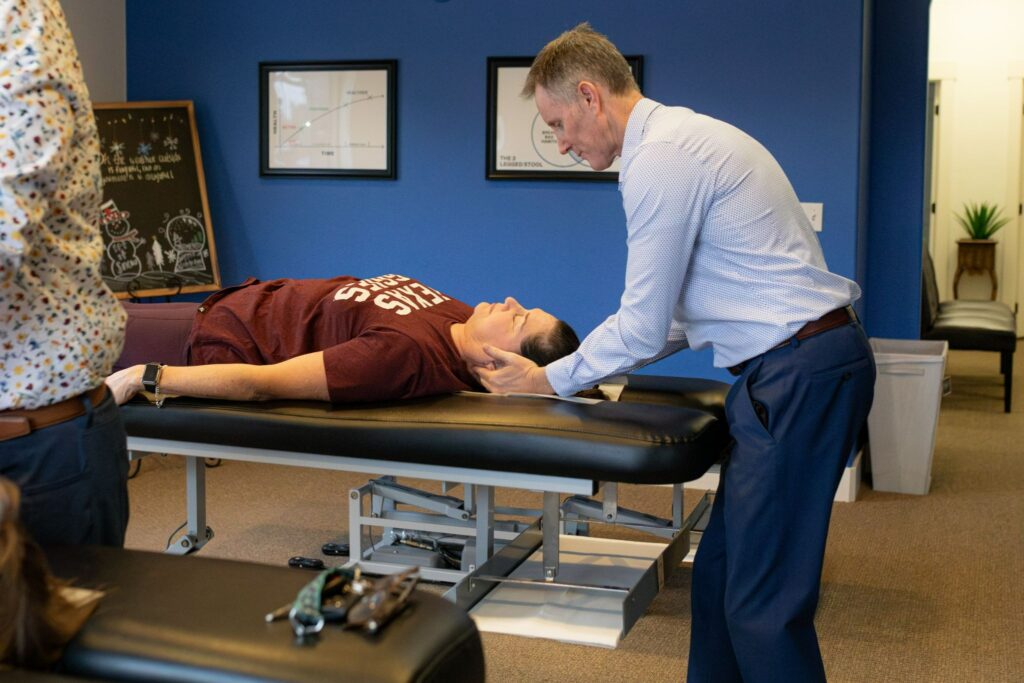
You could also contemplate chiropractic care, where a trained professional manipulates your spine and neck, helping to restore proper alignment and reduce tension. Many people report significant improvements in their neck pain after regular chiropractic sessions.
Massage therapy is another effective alternative. A skilled massage therapist can target tight muscles, increase circulation, and promote relaxation. This can lead to immediate relief and longer-lasting benefits.
Here are some alternative therapies to contemplate:
- Acupuncture: Stimulates specific points to relieve pain and improve energy flow.
- Chiropractic Care: Focuses on spinal alignment and overall musculoskeletal health.
- Massage Therapy: Relaxes muscles and improves circulation for pain relief.
Incorporating these therapies into your routine could lead to a noticeable reduction in neck pain.
Always consult with a healthcare professional before trying new treatments, ensuring they're right for your specific situation. Embrace the healing potential of alternative therapies, and you might just find the relief you've been seeking.
Lifestyle Modifications
Making simple lifestyle modifications can greatly reduce neck pain and enhance your overall comfort. One of the first changes you can make is to improve your posture. When sitting at a desk or using your phone, verify your head is aligned with your spine, and your shoulders are relaxed.
Adjust your workspace to maintain this alignment, perhaps by raising your computer screen or using a chair that supports your lower back.
Incorporating regular exercise into your routine is another effective strategy. Activities like yoga, swimming, or even walking can strengthen your neck muscles and improve flexibility. Aim for at least 30 minutes of moderate exercise most days of the week.
Don't forget to stretch your neck and shoulder muscles throughout the day, especially if you spend long hours in front of a screen.
Additionally, consider your sleep habits. Make sure your pillow supports your neck properly. A medium-firm pillow can help keep your spine in a neutral position during sleep.
You might also want to avoid sleeping on your stomach, as this can strain your neck further.
Finally, pay attention to your stress levels. High stress can lead to muscle tension, contributing to neck pain.
Practice relaxation techniques like deep breathing, meditation, or mindfulness to help keep stress at bay.
Conclusion
Incorporating these proven methods can greatly relieve your neck pain without surgery. By engaging in gentle stretches, improving your posture, and utilizing heat or cold therapy, you can enhance your comfort and mobility. Exploring alternative therapies and making lifestyle modifications will further support your overall well-being. Remember, consistency is key—commit to these practices, and you'll likely notice a positive change in your neck health and quality of life. Don't wait; start today!