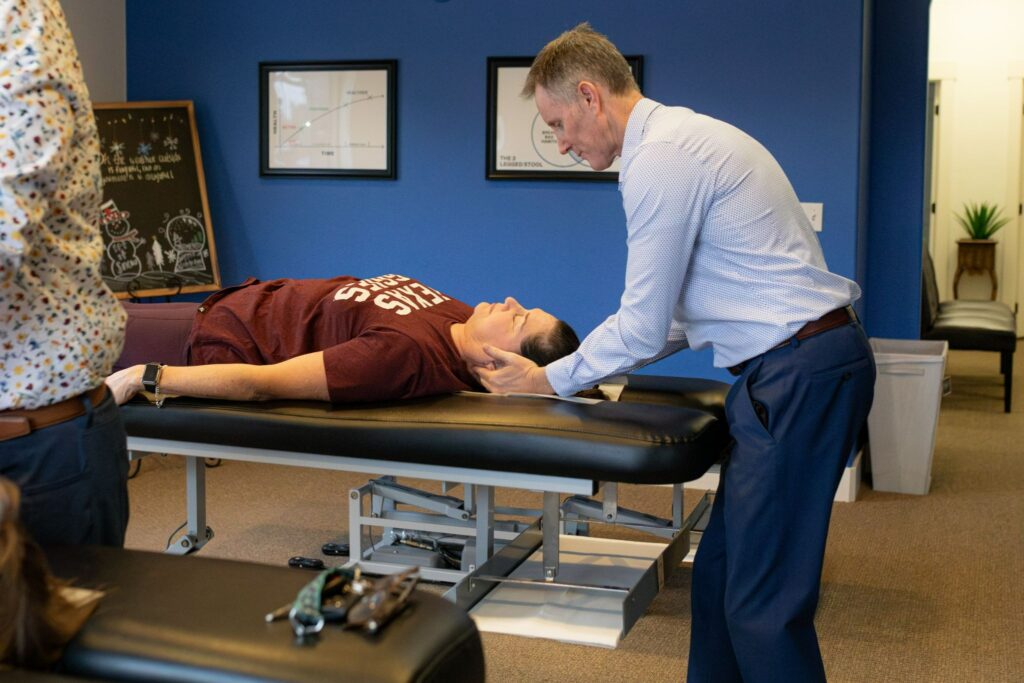

If you’re dealing with ongoing pain, you understand how it can affect every part of your daily life. Finding the right care is crucial, and chiropractic care could be the answer you’ve been searching for. By learning about the different types and causes of pain, you can begin to discover how chiropractic treatment can help you achieve lasting relief.
The first step on your journey to feeling better is a comprehensive assessment by a qualified chiropractor. This assessment helps identify the root causes of your discomfort, allowing for a personalized treatment plan tailored just for you. But that’s just the beginning!
Chiropractic care focuses on the body’s natural ability to heal itself. By aligning your spine and improving your overall posture, you can enhance your body’s function and reduce pain. Here are some tips to consider as you explore chiropractic care and its benefits:
- Stay Active: Regular movement is key to maintaining a healthy spine. Simple activities like walking, stretching, or practicing yoga can make a big difference in how you feel.
- Posture Matters: Pay attention to your posture throughout the day. Whether you’re sitting at a desk or lifting objects, good posture can help prevent strain on your back and neck.
- Hydration is Essential: Drinking plenty of water supports spinal health by keeping your discs hydrated and flexible.
- Listen to Your Body: If something doesn’t feel right, don’t ignore it. Early intervention through chiropractic care can prevent minor issues from becoming major problems.
- Regular Check-ups: Just like any other part of your health, regular chiropractic adjustments can help maintain your spine’s alignment and keep you feeling your best.
By choosing chiropractic care, you’re taking a proactive step towards achieving optimal health and wellness. Remember, you don’t have to manage pain alone; expert care is here to help you on your path to recovery. Embrace the natural healing power of chiropractic and enjoy a life filled with more comfort and vitality!
Understanding Pain: Types and Causes
Pain is a complex experience that can show up in different ways, each with its own causes. You may experience acute pain, which often happens after an injury or surgery. This type of pain serves as a warning sign that something’s not quite right in your body and usually fades as you heal.
On the other hand, chronic pain sticks around for months or even years, often tied to conditions like arthritis or fibromyalgia.
Another type to be aware of is neuropathic pain, which is caused by damage to the nerves. This can feel like burning or tingling sensations. It’s crucial to understand these different types of pain because recognizing what you’re dealing with can help you identify triggers and find effective coping strategies.
Emotional factors, like stress or anxiety, can also make your pain feel worse. That’s why it’s important to consider both the physical and emotional aspects of your pain.
As a chiropractor, I believe that natural healing through spinal care can be a powerful way to manage pain effectively.
Here are some tips to help you on your journey to wellness:
- Stay Active: Gentle exercises and stretches can help keep your body moving and reduce stiffness.
- Practice Good Posture: Maintaining proper posture can alleviate unnecessary strain on your spine.
- Stay Hydrated: Drinking plenty of water supports overall health and can help reduce muscle tension.
- Incorporate Mindfulness: Techniques such as deep breathing or meditation can reduce stress and help manage pain.
- Seek Chiropractic Care: Regular chiropractic adjustments can help restore balance to your spine and nervous system, which may alleviate pain naturally.
The Importance of Seeking Expert Care
While it might be tempting to manage pain on your own, turning to a chiropractor can truly elevate your recovery journey. Chiropractors are specially trained to diagnose and treat issues related to the spine and nervous system, which play a vital role in your overall health.
By focusing on the root causes of your pain, rather than just covering up the symptoms, chiropractic care provides a targeted approach that can lead to faster healing and a reduced risk of future problems.
Chiropractic care offers a variety of natural treatment options tailored specifically to your needs. Whether it’s spinal adjustments, gentle stretches, or lifestyle advice, your chiropractor will work closely with you to develop a plan that promotes optimal health.
They’ll keep an eye on your progress, making any necessary adjustments to ensure you’re on the right track.
Here are a few tips to complement your chiropractic care and enhance your wellness journey:
- Stay Active: Regular physical activity helps strengthen your muscles and support your spine, making it easier to maintain good posture.
- Practice Good Posture: Be mindful of how you sit, stand, and lift objects. Proper alignment can prevent strain on your back.
- Stay Hydrated: Drinking plenty of water is crucial for keeping your spinal discs hydrated and healthy.
- Incorporate Stretching: Gentle stretches can help improve flexibility and reduce tension in your muscles, which is beneficial for spinal health.
By choosing chiropractic care, you’re not just seeking relief from pain; you’re investing in a healthier, more vibrant life.
Let your chiropractor guide you on this path to natural wellness!
Comprehensive Pain Assessment: What to Expect
When you visit a chiropractor for a comprehensive pain assessment, the initial consultation is a vital opportunity to discuss your symptoms and share your medical history. This is your moment to express how your pain is affecting your daily life.
During this visit, your chiropractor will likely talk about various non-invasive diagnostic strategies that can help identify the root cause of your discomfort.
Understanding this process is invaluable because it empowers you to take an active role in your pain management journey. Chiropractic care focuses on natural healing methods that promote overall wellness, making it an excellent choice for those seeking relief from pain without relying on surgeries or medications.
As you prepare for your assessment, here are a few tips to keep in mind:
- Be Honest and Detailed: When discussing your symptoms, provide as much detail as possible. This helps your chiropractor understand your situation better and develop a personalized treatment plan.
- Ask Questions: Don’t hesitate to ask about anything you don’t understand. Knowledge is a key part of your healing journey.
- Keep a Pain Journal: Before your visit, consider keeping a journal of your pain levels, triggers, and any activities that make it worse or better. This can provide valuable insights during your assessment.
- Stay Open-Minded: Chiropractic care often involves various techniques and approaches. Be open to suggestions that may be different from what you expected.
- Embrace Wellness: Remember, chiropractic care isn’t just about pain relief. It’s about achieving optimal health and wellness through natural methods.
Initial Consultation Process
During your initial consultation, we’ll conduct a comprehensive pain assessment aimed at identifying the root causes of your discomfort. As your chiropractor, I’ll ask you detailed questions about your pain, including where it hurts, how intense it is, how long you’ve been experiencing it, and what factors might make it better or worse.
It’s important to share your medical history, lifestyle habits, and any past treatments you’ve tried, as this information helps me understand your unique situation. You might also want to talk about how your pain impacts your daily life, emotions, and overall well-being.
Together, we’ll set achievable goals for pain management, ensuring we’re both on the same page regarding your desired outcomes. This collaborative effort is the foundation for a personalized treatment plan that focuses on your specific needs.
Chiropractic care is a natural and effective approach to pain relief and overall wellness. By addressing misalignments in your spine, we can help restore balance to your body and promote healing without the need for medications or surgery.
Here are a few tips to incorporate into your daily life for better health and wellness:
- Stay Active: Regular movement is key. Simple activities like walking or stretching can help maintain spinal health.
- Practice Good Posture: Whether sitting or standing, maintaining proper posture can prevent unnecessary strain on your back.
- Use Ergonomic Furniture: If you spend long hours at a desk, consider using chairs and desks that support your spine properly.
- Stay Hydrated: Drinking plenty of water supports spinal health and helps keep your discs hydrated.
- Mind Your Sleep: Ensure you have a supportive mattress and pillow to maintain a healthy sleeping posture.
Diagnostic Testing Options
To help you achieve optimal health and wellness, we may recommend various diagnostic testing options to gain a clearer understanding of your pain. These tests can help us identify the root cause of your discomfort, whether it’s due to an injury, inflammation, or another condition.
For instance, imaging tests like X-rays or MRIs can reveal any structural issues in your spine and surrounding areas. Blood tests may be utilized to check for inflammation markers or other abnormalities that could be affecting your health. Additionally, nerve conduction studies might be employed to assess how well your nerves are functioning.
Based on your specific symptoms and needs, we’ll select the most appropriate tests. This information is crucial as it allows us to develop a personalized chiropractic care plan that targets your pain and promotes natural healing.
Remember, understanding the source of your discomfort is a vital step towards finding relief and enhancing your quality of life.
In the meantime, here are a few general tips to support your well-being:
- Maintain good posture to reduce strain on your spine.
- Stay active with regular exercise that promotes strength and flexibility.
- Incorporate stretching into your daily routine to alleviate tension.
- Stay hydrated and eat a balanced diet to support overall health.
Medication Management: Finding the Right Balance
When managing your pain, it’s essential to prioritize natural healing methods and find the right balance that works for you. Chiropractic care is a personalized approach that addresses the root causes of pain, focusing on spinal health and overall wellness.
By working with a chiropractor, you can create a treatment plan tailored to your unique needs, ensuring that you receive the support necessary for comfort and safety. Chiropractic adjustments can help alleviate pain by improving spinal alignment and enhancing your body’s natural ability to heal.
It’s important to monitor how your body responds to different treatments, allowing you to make informed decisions about your health.
Here are some general tips to help you along your wellness journey:
- Stay Active: Gentle exercises, such as walking or stretching, can help maintain mobility and reduce stiffness.
- Prioritize Posture: Maintaining good posture, especially during daily activities and while sitting, can make a significant difference in spinal health.
- Listen to Your Body: Pay attention to how your body feels during and after activities. If something doesn’t feel right, consult your chiropractor for guidance.
- Stay Hydrated: Drinking plenty of water supports overall health and helps keep your joints lubricated.
- Consider Nutrition: A balanced diet rich in anti-inflammatory foods can aid in pain management and overall wellness.
Personalized Treatment Plans
Finding the right balance in managing pain is crucial for achieving effective relief. As a chiropractor, I believe in the power of personalized treatment plans that focus on your unique needs. Everyone experiences pain differently, and understanding that individuality is key to your healing journey.
Instead of relying on medications or invasive procedures, chiropractic care offers a natural approach to pain relief. During your initial visit, I’ll take the time to assess your specific situation, including your medical history and lifestyle. Together, we’ll create a tailored plan that might include spinal adjustments, exercises, and lifestyle recommendations aimed at promoting your overall well-being.
Regular follow-up appointments are essential to ensure that your treatment plan continues to meet your needs. Open communication is vital—sharing your experiences allows us to adjust your plan as necessary. By focusing on your individual circumstances, chiropractic care empowers you to manage your pain more effectively and enhances your quality of life.
Here are some simple tips to support your wellness journey:
- Stay Active: Engage in regular physical activity that suits your body. Gentle exercises, like walking or yoga, can help improve flexibility and reduce pain.
- Maintain Good Posture: Be mindful of your posture, especially if you spend long hours sitting. Ergonomic adjustments can prevent strain on your spine.
- Hydrate: Drinking plenty of water is essential for overall health and can help with muscle function and recovery.
- Practice Stress Management: Incorporate relaxation techniques, such as deep breathing or meditation, to help manage stress, which can contribute to pain.
Monitoring Side Effects
While managing pain, it’s crucial to consider the side effects of any medications you may be using. However, many people overlook the powerful benefits of chiropractic care, which can provide a natural approach to pain relief without the risks associated with medications. Chiropractic adjustments can help alleviate discomfort by improving spinal alignment and enhancing overall body function.
Instead of solely relying on medications, I encourage you to explore chiropractic care as a primary option for managing pain. Pay attention to how your body feels after each adjustment, and notice any changes in your overall well-being. If you experience any unusual symptoms, it’s always a good idea to discuss these with your chiropractor, who can tailor your treatment to suit your needs.
Keeping a journal of your experiences can be incredibly helpful, as it allows you to track patterns in your pain and wellness. This can help you identify what lifestyle changes or chiropractic techniques are most effective for you.
Remember, a proactive approach to your health is essential for achieving optimal wellness. Embrace a balanced lifestyle that includes regular chiropractic visits, proper nutrition, and physical activity to support your body’s natural healing processes.
Physical Therapy: Rebuilding Strength and Mobility
Rebuilding strength and mobility is crucial for anyone recovering from an injury or dealing with chronic pain. While physical therapy is beneficial, chiropractic care stands out as a natural and effective approach to enhancing your overall health and well-being. A chiropractor can help you regain function and improve your quality of life by focusing on spinal health and the body’s natural ability to heal itself.
Your chiropractor will create a personalized treatment plan that includes spinal adjustments, which help relieve pain and improve your body’s ability to move freely. These adjustments can enhance muscle strength, boost flexibility, and increase your range of motion, all while supporting your body’s natural healing process.
During your visits, you’ll engage in specific movements and exercises that target your areas of discomfort. This approach gradually challenges your body, allowing it to adapt and grow stronger. Remember, consistency is key; regular chiropractic sessions combined with at-home exercises will lead to the best results.
As you progress with chiropractic care, you’ll likely notice improvements not just in your physical capabilities, but also in your confidence. Each small milestone in your recovery journey builds momentum, motivating you to strive for even greater achievements.
Embrace this opportunity to reclaim your strength and mobility through chiropractic care. Here are some helpful tips to support your recovery:
- Stay Active: Incorporate gentle activities like walking or swimming to keep your body moving.
- Listen to Your Body: Pay attention to how your body feels and avoid any movements that exacerbate your pain.
- Practice Good Posture: Maintaining proper posture can alleviate stress on your spine and improve overall function.
- Hydration: Drink plenty of water to keep your muscles and joints lubricated.
- Sleep Well: Prioritize quality sleep to support your body’s healing processes.
Alternative Therapies: Exploring Holistic Approaches
As you seek ways to enhance your recovery, chiropractic care stands out as a premier choice for achieving optimal health and wellness. It’s important to recognize that true healing involves addressing the whole person, not just the symptoms.
While chiropractic adjustments are fundamental in promoting spinal health and restoring balance, there are complementary alternative therapies that can further support your journey toward well-being.
For instance, acupuncture is a technique that uses fine needles to stimulate specific points on the body. This practice can promote energy flow and natural healing, working in harmony with your chiropractic adjustments.
Additionally, herbal remedies may provide natural support for recovery, offering anti-inflammatory and pain-relieving benefits that align with your holistic approach to health.
Massage therapy is another excellent complement to chiropractic care. It helps relieve muscle tension, improves circulation, and reduces stress, all of which contribute to your overall well-being.
Incorporating gentle massage into your routine can enhance the benefits you receive from your chiropractic treatments.
Practices like yoga and meditation are also valuable tools for pain management. These techniques promote relaxation and mindfulness, allowing you to connect more deeply with your body.
They can help alleviate stress and tension, making your recovery process smoother and more effective.
Don’t overlook the importance of nutrition in your healing journey. A balanced diet rich in anti-inflammatory foods can significantly impact your recovery.
Consider incorporating whole foods like fruits, vegetables, nuts, and lean proteins into your meals to support your body’s healing processes.
By embracing chiropractic care as your primary method for pain relief and pairing it with these alternative therapies, you’ll likely discover a more comprehensive approach to managing discomfort and enhancing your quality of life.
The Role of Psychological Support in Pain Management
Psychological support is a vital component in managing pain, especially from a holistic chiropractic perspective. Your mental state can significantly influence how you experience discomfort and your overall path to recovery. When dealing with chronic pain, having a positive mindset can make a huge difference in how you cope and manage your symptoms.
Working with a therapist or counselor can help you develop effective coping strategies, challenge negative thought patterns, and ease anxiety associated with your condition. It’s all about finding ways to empower yourself and enhance your healing journey.
Additionally, joining a support group can provide a sense of belonging. Sharing experiences with others who face similar challenges can help you feel less alone, boost resilience, and improve your emotional health. Connecting with others can also give you new insights into managing pain.
Incorporating mindfulness and relaxation techniques into your daily routine can further support your pain management efforts. Simple practices like deep breathing, meditation, or gentle stretches can promote a sense of calm and reduce stress, making it easier to cope with discomfort.
Remember, chiropractic care is a fantastic option for addressing pain naturally. By focusing on spinal health and overall wellness, chiropractic adjustments can help alleviate pain and improve your body’s function.
Alongside psychological support, a well-rounded approach that includes chiropractic care can lead to better outcomes and an enhanced quality of life.
Innovative Treatments: Advancements in Pain Relief
You might be surprised by the innovative chiropractic techniques that are redefining pain relief today. Non-invasive methods, such as spinal adjustments and tailored therapeutic exercises, are transforming the way we approach pain management, allowing you to find relief without the need for surgery or medications.
Chiropractic care focuses on the health of your spine and nervous system, which plays a crucial role in your overall well-being. By addressing misalignments and promoting proper function, chiropractic treatments can help alleviate pain while also enhancing your body’s natural healing processes.
Here are some general tips to help you manage pain and promote wellness in your daily life:
- Stay Active: Gentle exercises and stretches can keep your muscles strong and flexible. Consider incorporating activities like walking, swimming, or yoga into your routine.
- Posture Matters: Be mindful of your posture, especially if you sit for long periods. Ensure that your workstation is ergonomically set up, and take breaks to stretch and move around.
- Hydrate: Drinking plenty of water is essential for maintaining healthy spinal discs and overall bodily function. Aim for at least eight glasses a day.
- Sleep Well: Quality sleep is vital for recovery and pain management. Invest in a supportive mattress and pillow, and try to maintain a consistent sleep schedule.
- Consider Chiropractic Care: Regular visits to a chiropractor can help keep your spine aligned and your body functioning optimally. They can provide personalized treatment plans that suit your specific needs and lifestyle.
By exploring these natural avenues of pain relief through chiropractic care, you can take control of your health and experience a better quality of life.
Let’s work together to achieve your wellness goals!
Cutting-Edge Therapies
Innovative treatments for pain relief are transforming how we tackle chronic discomfort, and chiropractic care stands out as a leading option for natural wellness.
As a chiropractor, I believe in harnessing your body’s innate ability to heal itself through safe, non-invasive methods.
One powerful approach is spinal adjustments, which help to align your spine and improve the function of your nervous system. When your spine is aligned, your body can communicate more effectively, potentially reducing pain and enhancing your overall health.
Another beneficial technique is soft tissue therapy, which focuses on relieving tension in muscles and fascia, further supporting your body’s healing processes. Additionally, incorporating exercises tailored to your specific needs can strengthen your muscles and improve flexibility, which is essential for maintaining a healthy spine.
Lifestyle factors also play a crucial role in pain management. Here are some simple tips you can incorporate into your daily routine for better health:
- Stay Active: Engage in regular physical activity that you enjoy, whether it’s walking, swimming, or yoga. Movement keeps your body limber and can significantly improve spinal health.
- Mind Your Posture: Be aware of your body mechanics, especially if you sit for long periods. Maintain good posture while sitting and standing to reduce strain on your back.
- Stay Hydrated: Drink plenty of water throughout the day. Adequate hydration supports the health of your discs and overall spinal function.
- Rest and Recover: Ensure you get quality sleep and allow your body to rest. Proper sleep is essential for healing and overall well-being.
- Seek Regular Chiropractic Care: Regular visits to a chiropractor can help maintain spinal alignment, reduce tension, and keep your nervous system functioning optimally.
Chiropractic care not only aims to alleviate your discomfort but also enhances your overall quality of life.
As you explore these natural methods, you’ll likely discover the relief and wellness you’ve been seeking, all while supporting your body’s natural healing abilities.
Non-Invasive Techniques
Chiropractic care is all about harnessing the body’s natural ability to heal itself, and exploring non-invasive techniques can further enhance your journey towards pain relief and overall wellness. While chiropractic adjustments are the cornerstone of our approach, integrating complementary methods can make a significant difference in your recovery.
One effective technique is acupuncture, which involves stimulating specific points on your body to help reduce pain and improve mobility. This ancient practice can work hand-in-hand with chiropractic adjustments to enhance your treatment results.
Physical therapy is another great option that focuses on personalized exercises designed to strengthen your muscles and improve flexibility. These exercises can help you regain function safely and effectively, without the need for surgery or medication.
Massage therapy is also beneficial, as it promotes relaxation and alleviates muscle tension. This can be a wonderful addition to your chiropractic care, helping you to feel more at ease and supportive of your healing journey.
Don’t overlook the power of mindfulness and meditation. These techniques can significantly aid in managing pain by teaching you how to cope with discomfort more effectively. Taking a few moments each day to practice mindfulness can empower you and enhance your overall well-being.
Creating a Personalized Pain Management Plan
Creating a personalized pain management plan is essential for effectively addressing your unique needs and circumstances, especially when considering the benefits of chiropractic care. Start by assessing your pain levels, identifying triggers, and understanding how pain affects your daily activities.
It’s important to have an open conversation with your chiropractor about your specific concerns and preferences. Together, you can explore various natural healing options that chiropractic care offers.
Chiropractic adjustments can help realign your spine, improving your body’s function and reducing pain. In addition to adjustments, consider incorporating non-invasive techniques like mindfulness and gentle exercises, which can enhance your overall wellness. Activities like yoga or stretching can complement your chiropractic treatment and promote a healthier lifestyle.
Setting realistic goals for your pain management is crucial. Focus on improving your quality of life and enjoying daily activities rather than simply trying to eliminate pain. Regular visits to your chiropractor can help monitor your progress and adjust your treatment plan as needed based on what works best for you.
Remember, communication is key! Keep your chiropractor informed about any changes in your pain levels or how you’re feeling overall.
A personalized approach to your care not only empowers you but also supports your journey towards optimal health. Embracing chiropractic care can be a powerful step in regaining control over your life and managing pain naturally.
Empowering Patients: Education and Self-Advocacy
Empowerment in pain management begins with understanding your body and advocating for your health through natural means, like chiropractic care. When you gain knowledge about your condition and the benefits of spinal health, you’re better equipped to make informed decisions that positively affect your wellbeing.
Take the time to learn about how your spine works and the holistic approaches to pain management. Don’t hesitate to ask questions during your chiropractic visits—your voice truly matters in this journey.
Self-advocacy involves recognizing your needs and taking steps to address them. Consider keeping a journal to track your pain levels, activities, and how your body responds to chiropractic adjustments. This information can be incredibly valuable for your chiropractor, helping to tailor your treatment plan to suit your individual experience.
Additionally, connecting with support groups or online communities focused on natural healing can be beneficial. Sharing your journey and learning from others can provide motivation and insights into managing your pain without invasive procedures or medications. Remember, you’re not alone in this process.
By actively engaging in your health and choosing chiropractic care, you’re paving the way for effective pain relief and improved quality of life. Empower yourself with knowledge about the spine and the natural healing methods available to you.
Small steps, like maintaining good posture, staying active, and visiting your chiropractor regularly, can make a significant difference in your wellness journey. Choose chiropractic—it’s your best ally in achieving optimal health and overcoming pain naturally.
Conclusion
In your journey to manage pain, it’s essential to know that chiropractic care can be a powerful ally. By understanding your body’s unique needs and working closely with a chiropractor, you can develop a tailored plan that puts you in control of your health. Chiropractic care focuses on natural healing and aims to restore proper spinal alignment, which can alleviate pain and improve overall wellness.
Consider incorporating holistic approaches into your routine—things like regular chiropractic adjustments, stretching, and staying active can make a significant difference in how you feel. Staying informed about your body and engaging actively in your recovery process is key.
Here are some simple tips to help you on your path to wellness:
- Stay Active: Gentle exercises, like walking or yoga, can keep your body moving and support your spine.
- Good Posture: Pay attention to how you sit and stand. Proper posture can prevent unnecessary strain on your back.
- Listen to Your Body: If something doesn’t feel right, don’t hesitate to reach out to your chiropractor. They can help you understand what’s going on and how to address it.
- Hydration and Nutrition: Staying hydrated and eating a balanced diet can support your body’s natural healing processes.
With the right chiropractic care and these proactive steps, relief isn’t just a dream—it’s something you can achieve! Embrace this journey to reclaim your life and energy naturally.