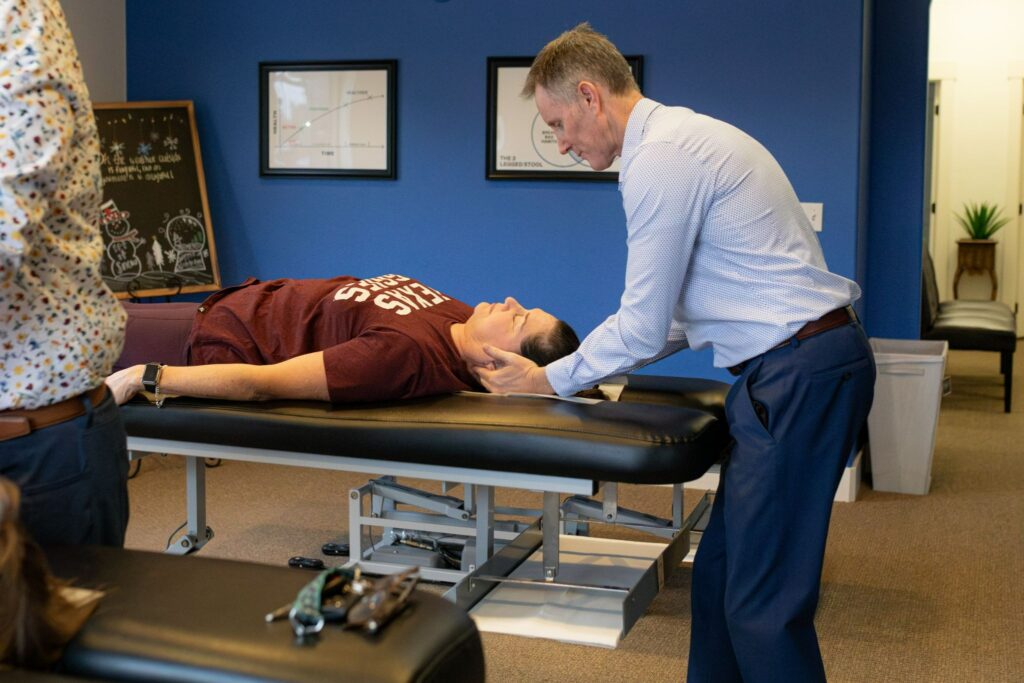

As a local chiropractor, I often see patients struggling with nagging back pain caused by poor posture, and trust me, you’re not alone. Many individuals experience discomfort after long hours spent slouched at a desk or hunched over their devices. The good news is that there are effective strategies to alleviate this pain and improve your posture naturally.
Incorporating specific lifestyle changes and targeted exercises can significantly enhance your well-being. But what exactly can you do to make a real difference?
Firstly, it’s important to be mindful of your posture throughout the day. Make a conscious effort to sit up straight and use supportive furniture. Additionally, regular breaks to stretch and move around can help relieve tension that builds up from prolonged sitting.
Secondly, targeted exercises that focus on strengthening your core and back muscles can provide long-term relief. Engaging in activities such as yoga or Pilates can also improve your flexibility and posture.
Lastly, don’t hesitate to seek professional guidance. As a chiropractor, I can offer personalized advice and treatments tailored to your specific needs, helping you understand how your spine functions and the best ways to support it.
With the right approach, you can experience significant relief from posture-related back pain and enjoy a healthier, more active lifestyle.
Understanding the Impact of Poor Posture
As your local chiropractor, I want to take a moment to address a common issue that many of my patients experience: back pain after prolonged periods of sitting. If you’ve ever felt discomfort in your back after spending hours at a desk or on your phone, you’re certainly not alone.
Poor posture is a significant factor that can have a detrimental effect on your spine and your overall health. When you find yourself slouching or hunching over, you’re placing unnecessary strain on your back muscles and spinal discs. This misalignment doesn’t just cause temporary discomfort; over time, it can lead to stiffness and chronic pain if not addressed.
Consider how frequently you check your phone or sit in front of a computer. These everyday habits can encourage a posture that’s far from ideal. As you repeat these patterns, your muscles may begin to weaken, making it increasingly difficult to maintain proper alignment.
It’s crucial to understand the impact of poor posture on your well-being. By becoming aware of how it can lead to back pain, you can take proactive measures to improve your alignment. Simple changes, such as sitting up straight or utilizing ergonomic furniture, can greatly enhance your comfort and health each day.
Common Causes of Posture-Related Back Pain
As a local chiropractor, I want to help you understand how everyday habits can significantly affect your back health. Many people think that back pain only stems from heavy lifting or intense physical activity, but the truth is that poor posture during common tasks can be a much bigger culprit.
For instance, if you find yourself slouching at your desk or hunching over your phone, you may be unknowingly straining your back muscles. When you sit for long periods without proper lumbar support, you can develop muscle imbalances that lead to discomfort.
Even something as simple as standing with your weight shifted to one side can place excessive pressure on your spine, which can contribute to pain over time. Moreover, bending forward to lift light items, like grocery bags, can also cause strain.
Carrying a heavy backpack or purse on just one shoulder can create an uneven load, further aggravating your back. It’s important to be mindful of these habits that can lead to posture-related back pain.
Signs and Symptoms to Watch For
As a local chiropractor, I want to help you understand the signs and symptoms of posture-related back pain so you can take proactive steps towards better health. Many people experience persistent discomfort in their lower back, particularly after long periods of sitting. This discomfort is often a signal that your posture may need attention.
You might also notice stiffness or tightness in your shoulders and neck, which can indicate that your alignment is off. Additionally, if you find yourself dealing with fatigue or tension headaches, these issues could also be a result of poor posture during your daily activities.
It’s important to pay attention to any changes in your range of motion. If bending or twisting becomes painful, it’s crucial to seek help. You may even feel an imbalance in your body, causing you to lean or slouch unconsciously.
Don’t overlook these warning signs. By recognizing them early, you can take steps to alleviate discomfort and prevent further complications.
Simple Lifestyle Adjustments for Better Posture
As a chiropractor dedicated to your overall health and well-being, I want to share some simple lifestyle adjustments that can significantly enhance your posture and alleviate back pain. One of the first steps is to evaluate your sitting habits. Choose a chair that provides adequate support for your lower back, and make sure your feet are flat on the floor.
When you stand, remember to distribute your weight evenly across both feet and avoid locking your knees, as this can lead to discomfort over time.
Your workspace is also vital for maintaining good posture. Ensure that your computer screen is at eye level to prevent strain on your neck, and position your keyboard so that your elbows form a 90-degree angle. This ergonomic setup encourages a healthier posture while you work.
In addition to these adjustments, it’s important to incorporate regular breaks into your daily routine. I recommend standing up, stretching, or taking a short walk every hour to help relieve built-up tension in your muscles.
When using your phone, be conscious of your posture; try to hold it at eye level instead of bending your neck, which can lead to discomfort.
Lastly, consider the impact of your footwear. Wearing supportive shoes is crucial for maintaining good posture, so try to avoid high heels when possible.
Effective Exercises to Strengthen Your Back
As a local chiropractor, I want to emphasize the importance of strengthening your back to alleviate posture-related pain.
Many people aren’t aware that incorporating core stability exercises and effective stretching techniques can significantly enhance your comfort and mobility.
By integrating these practices into your routine, you can develop a stronger, more resilient back that supports your overall well-being.
Let’s delve into how these exercises work and how they can benefit you on your journey to better health.
Core Stability Exercises
As a local chiropractor, I want to emphasize the importance of core stability exercises for your overall health, especially when it comes to strengthening your back and improving your posture. These exercises focus on the muscles surrounding your spine, which are essential for providing stability and support.
Let’s start with a fundamental exercise: the plank. This exercise involves holding a straight line from your head to your heels while keeping your core engaged. It’s a great way to build strength in your abdominal muscles and back.
Another excellent exercise is the bird-dog. To perform this, get on all fours and extend one arm forward while simultaneously stretching the opposite leg back. This movement not only enhances your balance but also helps maintain a neutral spine, which is crucial for spinal health.
Don’t overlook the dead bug exercise, either. Lie on your back and lift your legs into the air, then alternately extend one leg while keeping the lower back pressed against the floor. This exercise effectively targets your core while ensuring your spine remains stable.
Incorporating these core stability exercises into your regular routine can significantly enhance your strength and help prevent injuries. As a chiropractor, I often see the benefits of these exercises in my patients, and I encourage everyone to practice them consistently.
Stretching Techniques for Relief
As a chiropractor, I want to emphasize the importance of not only core stability exercises for maintaining a strong back but also the role of effective stretching techniques in enhancing your posture and relieving discomfort.
One of the first stretches I recommend is the cat-cow stretch, which helps to mobilize your spine and improve flexibility. This dynamic movement encourages healthy spinal alignment.
Next, consider incorporating the child’s pose into your routine. This gentle stretch elongates the back and helps relax tight muscles, promoting a sense of ease in your body.
Additionally, the seated forward bend is fantastic for stretching your hamstrings and lower back, further contributing to overall flexibility.
To combat slouching—a common issue in our daily lives—I suggest the chest opener stretch. This exercise stretches the chest and shoulders, helping to restore proper alignment and posture.
Finally, don’t overlook the standing quadriceps stretch, which can alleviate tension in your hips—an area often linked to back discomfort.
As you practice these stretches, aim to hold each position for 20-30 seconds and remember to breathe deeply.
Regular stretching can play a significant role in achieving a healthier, pain-free back, complementing the benefits of chiropractic care.
I encourage you to integrate these stretches into your daily routine for optimal spinal health and well-being.
Ergonomic Solutions for Your Workspace
As a local chiropractor dedicated to helping you achieve a healthier, pain-free life, I want to emphasize the importance of creating an ergonomic workspace. This is especially vital for those of you who may be experiencing posture-related back pain.
Start by ensuring your chair is properly adjusted to support your lower back. Your feet should rest flat on the floor, with your knees bent at a right angle. This foundational step can significantly help in alleviating discomfort.
Next, let’s talk about your computer monitor. Position it at eye level—this helps in reducing neck strain and should ideally be about an arm’s length away from you.
When it comes to your keyboard and mouse, choose options that allow your arms to remain close to your body. Your wrists should be straight, and your hands should be slightly lower than your elbows. This minimizes tension in your shoulders and wrists, which is crucial for preventing repetitive strain injuries.
Consider investing in a standing desk or an adjustable desk to give you the option to alternate between sitting and standing throughout your workday. This variety can help keep your body engaged and reduce the risk of discomfort.
Lighting is another key factor; ensure your workspace is well-lit to reduce eye strain, which can also contribute to tension headaches and discomfort.
Lastly, I encourage you to regularly reassess your workspace setup. Make adjustments as necessary to promote a comfortable and supportive environment.
By implementing these ergonomic changes, you not only create a more pleasant workspace but also significantly reduce the risk of back pain and enhance your overall productivity.
Stretching Techniques to Alleviate Tension
As a local chiropractor, I want to emphasize the importance of effective stretching techniques to help alleviate tension and improve your posture. Many of my patients are surprised to learn that simple stretches can make a significant difference in their overall well-being.
By focusing on specific areas of your body, such as your neck for enhanced mobility, your lower back for relief, and your upper back to boost flexibility, you can promote a healthier spine and better alignment.
Let’s take a moment to explore some straightforward stretches that you can easily incorporate into your daily routine. These stretches not only aid in relieving tension but also complement the chiropractic care you receive.
Effective Neck Stretches
As a local chiropractor, I often see patients who struggle with neck tension caused by poor posture and long hours of sitting. I’d like to share some effective neck stretches that can help alleviate this discomfort and promote better overall alignment.
Let’s start with a simple neck tilt. Gently tilt your head to one side, bringing your ear toward your shoulder. Hold this position for about 15-30 seconds, and then switch to the other side. This stretch helps to release tightness in the muscles along the sides of your neck.
Next, try the chin tuck. This is a great exercise to help correct your posture. Pull your chin back toward your throat while keeping your spine straight. Hold for a few seconds, then release, and repeat a few times. This movement encourages proper alignment of your cervical spine.
For a deeper stretch, interlace your fingers behind your head and gently press down. You should feel a lovely stretch along your neck and upper back. This can be particularly soothing if you’ve been sitting for long periods.
Incorporating these stretches into your daily routine can significantly reduce tension in your neck and promote better posture.
Lower Back Relief
As a local chiropractor, I often see patients who experience discomfort in their lower back due to poor posture and long hours spent sitting.
Fortunately, there are natural ways to find relief, and one of the most effective methods is through targeted stretching techniques. Here are four stretches that can help ease tension in your lower back:
- Knees to Chest: Begin by lying on your back. Gently pull your knees towards your chest and hold this position for about 30 seconds. This stretch helps to relax tight muscles and improve flexibility in your lower back.
- Cat-Cow Stretch: Position yourself on all fours, with your hands directly under your shoulders and your knees under your hips. Slowly alternate between arching your back (like a scared cat) and dropping your belly while lifting your head (like a cow). This dynamic movement helps to mobilize your spine and relieve stiffness.
- Child’s Pose: This restorative stretch involves sitting back on your heels, stretching your arms forward, and resting your forehead on the floor. This position allows your lower back to gently stretch and relax, providing a soothing effect.
- Seated Forward Bend: Sit with your legs extended in front of you. Reach forward towards your toes and hold this stretch for 20-30 seconds. This helps elongate the spine and relieve tension in the lower back area.
Incorporating these stretches into your daily routine can significantly enhance your flexibility and alleviate lower back pain.
As a chiropractor, I encourage you to listen to your body and practice these stretches regularly for optimal results in your journey towards natural healing.
Upper Back Mobility
As a local chiropractor, I often see patients who experience tension and discomfort in their upper back, especially those who spend long hours sitting at desks or looking down at their phones. This tension can restrict your mobility and negatively impact your overall well-being.
To alleviate these issues, I recommend incorporating some simple stretching techniques into your daily routine.
One effective method is shoulder rolls. Gently roll your shoulders back and forth to release built-up tightness in the muscles.
Another beneficial stretch is the doorway stretch: stand in a doorway, place your arms on either side of the frame, and lean forward to open up your chest and shoulders. This can help counteract the effects of poor posture.
Additionally, try the seated twist. While sitting, place one hand behind you and gently twist your torso to stretch the upper back. This movement can help improve your spinal flexibility and relieve tension.
Lastly, it’s essential to take regular breaks throughout your day. Stand up, stretch, and move around to keep your body engaged and reduce stiffness.
By making these small adjustments to your routine, you can significantly enhance your upper back mobility and experience a reduction in discomfort.
If you have any questions or would like personalized guidance, feel free to reach out to our office. Your health and comfort are our top priority!
When to Seek Professional Help
If you’re experiencing persistent back pain despite making changes to your posture and daily routines, it may be time to consider professional chiropractic care. Ignoring prolonged discomfort can lead to more serious issues down the line, so it’s important to take proactive steps for your health.
Here are some signs that suggest you should consult with a chiropractor:
- Chronic Pain: If your back pain lingers for more than a few weeks, it’s crucial to seek an evaluation. A chiropractor can assess and address the underlying causes of your discomfort.
- Radiating Pain: If you notice pain radiating down your legs or arms, this could indicate nerve involvement. A chiropractor specializes in understanding the nervous system and can provide targeted care.
- Weakness or Numbness: Experiencing weakness or numbness in your limbs is a signal that you need immediate attention. A chiropractor can help identify the source of these symptoms and develop a treatment plan.
- Impact on Daily Life: If your back pain is affecting your work, sleep, or daily activities, don’t hesitate to seek professional help. Chiropractic care can offer natural solutions to help you regain your quality of life.
Taking these steps can empower you to take control of your back health and enhance your overall well-being.
As a chiropractor, my goal is to guide you on your journey to natural healing and recovery.
Conclusion
As a local chiropractor, I want to emphasize the importance of proper posture in your everyday life, especially when it comes to relieving back pain. Many people are unaware of how much their posture affects their overall well-being. By making simple adjustments and incorporating specific strategies into your daily routine, you can significantly reduce posture-related discomfort.
I encourage you to strengthen your back through targeted exercises that we can discuss during your visit. Additionally, regular stretching can help alleviate tension that may be contributing to your pain. Remember, if you find that your pain persists despite these efforts, seeking professional help is crucial. Chiropractic care focuses on natural healing and can offer personalized solutions to improve your posture and relieve pain.
You deserve to live comfortably and pain-free, so I urge you to prioritize your posture. Together, we can work towards enhancing your quality of life!