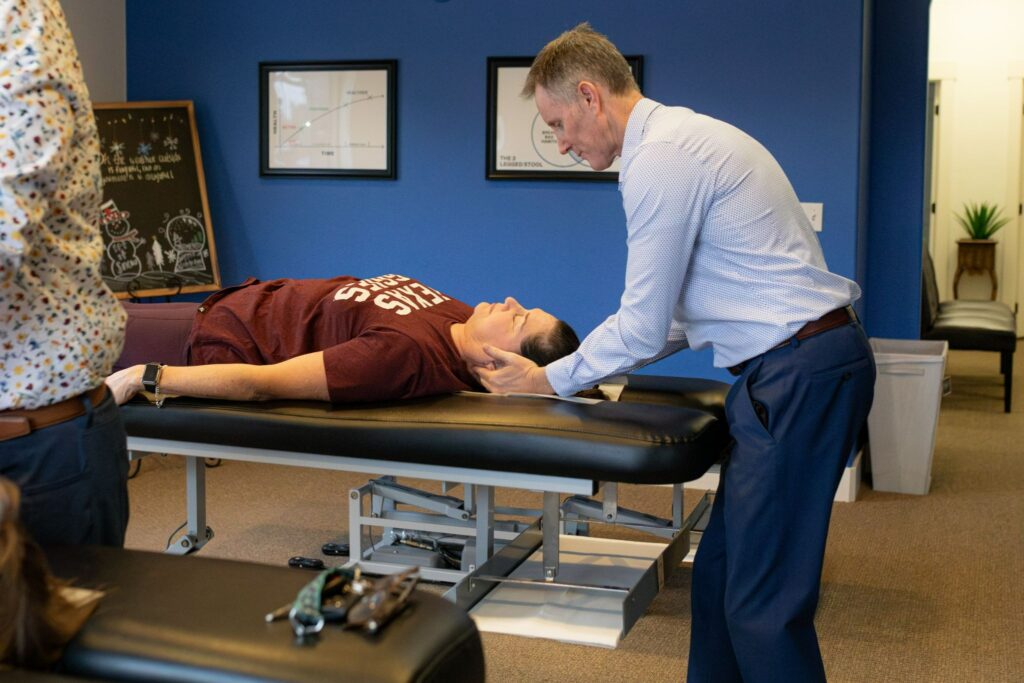

As a local chiropractor, I understand that if you're an athlete, you've probably experienced the persistent discomfort of back pain at some point in your journey. It's crucial to recognize the underlying causes of that pain as the first step towards finding effective relief. You may be surprised to know that making simple adjustments to your daily routine can greatly alleviate discomfort. Incorporating targeted stretches and core-strengthening exercises can be incredibly beneficial in addressing back pain before it worsens.
However, if you've tried these methods and still find yourself struggling, there are additional strategies that you may not have considered. Chiropractic care offers a holistic approach that focuses on natural healing, which can provide a sustainable solution to your back pain. By working together, we can develop a personalized treatment plan that addresses your specific needs and promotes long-term wellness. Let's explore how chiropractic care can help you regain your strength and mobility, allowing you to perform at your best.
Understanding Back Pain Causes
As a local chiropractor, I want to help you understand the common causes of back pain, especially among athletes. Many times, back pain arises from a mix of factors such as muscle strain, improper technique, and insufficient conditioning. When you push your body to its limits without a proper warm-up or cool-down, the muscles in your back can become strained. This strain can lead to inflammation and discomfort, which is your body's way of signaling that something isn't right.
Another significant contributor to back pain is improper technique during physical activities. Whether you're running, lifting weights, or participating in sports, using incorrect posture or movement patterns can place undue stress on your back. These injuries can persist long after your workout, making it essential to pay attention to how you move. Working with a coach or trainer can help you refine your technique, but I also encourage you to consider chiropractic care. We can assess your movement patterns and provide adjustments that promote better alignment and function.
Additionally, inadequate conditioning can lead to back pain. If your muscles lack the strength to support your activities, they can become fatigued more quickly, leading to imbalances and discomfort. Incorporating core-strengthening exercises into your routine is key. A strong core stabilizes your spine, reducing the risk of injury. In my practice, I often recommend specific exercises that can help enhance your strength and stability.
It's also important to recognize the dangers of overtraining. Ignoring your body's need for adequate rest and recovery can result in chronic back issues. Listening to your body is vital for maintaining long-term health, and chiropractic care can play a vital role in this process.
Common Symptoms to Watch For
As a local chiropractor, I want to help you understand the common symptoms associated with sports-related back pain.
It's important to be aware of what you might experience, such as localized pain in your back, tightness in your muscles, or even nerve pain that may radiate to other areas of your body.
By recognizing these signs early on, you can take proactive steps towards finding relief and addressing any underlying issues.
Remember, understanding your body is the first step in promoting natural healing and overall wellness.
If you notice any of these symptoms, I encourage you to reach out for guidance on how chiropractic care can support your recovery.
Localized Pain Sensations
As a local chiropractor, I often see patients who experience sharp pain in their lower back after activities like playing sports or exercising. This localized pain can be your body's way of signaling that something may be amiss.
You may feel this pain as a sudden jolt when you twist, bend, or lift, and its intensity can range from mild discomfort to a more severe ache that can hinder your movement.
It's important to pay attention to how the pain behaves. For instance, if you notice that it radiates to other areas, such as your hips or legs, this could suggest that the issue extends beyond just your lower back.
Additionally, if you find yourself leaning to one side while standing or sitting, that can be a warning sign as well. Tenderness in specific areas of your lower back is another clue that can help us identify the source of your discomfort.
Understanding these sensations is key to addressing them effectively. Chiropractic care focuses on natural healing and can help restore balance to your body, alleviate pain, and improve your overall function.
If you're experiencing these symptoms, don't hesitate to reach out to discuss how we can work together toward better health.
Muscle Tightness and Stiffness
As a local chiropractor, I often see patients who experience muscle tightness and stiffness, especially after engaging in intense games or workouts. It's not uncommon to feel this discomfort in your lower back following physical activity. This reaction is your body's natural response to the demands you place on it during sports or exercise. When you push your physical limits, your muscles tend to tighten up as a protective mechanism against further strain or injury.
You might notice a dull ache or a sense of restricted movement in your lower back as you go about your daily tasks. Simple actions, such as bending down to tie your shoes or lifting objects, may become uncomfortable. Additionally, if you sit for extended periods, you might find that the stiffness intensifies, leading to increased discomfort.
It's important to pay attention to these symptoms, as they can signal that your body needs some recovery time. Incorporating gentle stretches and mobility exercises into your routine can be incredibly beneficial in alleviating tightness. I often recommend using heat or cold therapy, as these methods can provide significant relief.
However, if these symptoms persist or worsen, I encourage you to seek professional advice. A thorough assessment can help determine the underlying causes and guide you toward appropriate treatment options.
Radiating Nerve Pain
As a local chiropractor, I want to help you understand the nuances of radiating nerve pain and how it can affect your daily life. This type of pain often manifests in sharp, shooting sensations that travel down your legs or arms, suggesting that your nerves may be involved.
Unlike typical muscle soreness, radiating nerve pain can also accompany tingling or numbness in the areas affected. It's also common to experience weakness in your limbs due to this type of pain, which can hinder your ability to carry out everyday tasks or engage in sports activities.
This weakness often coincides with the pain and can indicate that your nerves are being compressed or irritated. Additionally, some patients report a burning sensation that may worsen with certain movements or positions.
I encourage you to pay attention to how your symptoms respond to specific activities, as this information can be invaluable in identifying the root cause of your discomfort. If you recognize any of these signs, consulting with a healthcare professional, like a chiropractor, is key.
Early intervention can help prevent more serious complications and facilitate a quicker return to your favorite activities. Remember, being in tune with your body's signals is crucial for maintaining your overall health and performance.
Chiropractic care offers a natural and holistic approach to managing radiating nerve pain, helping you regain balance and function without relying on medications. Understanding your body's needs is the first step towards achieving optimal wellness.
Importance of Early Intervention
As a local chiropractor, I want to emphasize how crucial it's to recognize the early signs of sports-related back pain.
When you notice symptoms, acting quickly can significantly impact your recovery journey. By addressing these issues right away, you can avoid long-term damage and maintain your athletic performance.
Seeking professional guidance from a chiropractor can provide you with the right treatment options tailored to your needs, ensuring that minor concerns don't escalate into bigger problems.
Our natural healing approaches focus not just on alleviating pain, but also on enhancing your overall well-being and function.
Let's work together to keep you in peak condition!
Identifying Symptoms Early
As a local chiropractor, I want to emphasize the importance of identifying back pain symptoms early on for effective treatment and recovery. If you start to feel any discomfort or stiffness in your back, it's crucial not to ignore these signals from your body. Pay close attention to how you feel during and after physical activities.
Common early signs of back pain can include localized pain, muscle tightness, or a persistent dull ache that doesn't subside with rest. You might also notice changes in your ability to move, such as difficulty bending or twisting.
If you experience sharp pain that radiates down your legs or into your buttocks, it's vital to seek help immediately. These symptoms could indicate nerve involvement, which requires prompt attention to prevent further complications. Early intervention through chiropractic care can help address minor issues before they develop into more severe conditions, allowing you to get back to your favorite activities sooner.
I encourage you to keep a record of any recurring symptoms you experience. Note when they occur and how intense they feel; this information can be incredibly valuable for your chiropractic treatment plan.
Preventing Long-Term Damage
As a local chiropractor, I want to emphasize the importance of early intervention in preventing long-term damage to your back, particularly for those of you who are active or participate in sports. Many individuals overlook the early warning signs, such as persistent pain or stiffness, which can ultimately lead to chronic conditions that may keep you away from your favorite activities for weeks or even months.
If you experience any discomfort, it's crucial to seek help right away. Taking a proactive approach can prevent minor issues from escalating into more serious problems.
Incorporating proper warm-up routines and cool-down stretches is essential for maintaining flexibility and strength in your back. Additionally, strengthening your core is vital, as it provides better support for your spine and reduces the risk of injury.
It's also important to listen to your body; if something doesn't feel right, don't try to push through the pain. Instead, take a moment to assess what's going on and consider seeking professional advice.
Be mindful of your posture, both during sports and in your daily life. Poor alignment can place unnecessary stress on your back, leading to further complications.
By prioritizing these strategies, you can significantly lower your risk of long-term damage. Remember, addressing issues early on not only keeps you active but also ensures a healthier back for years to come.
Take control of your health and don't hesitate to reach out for guidance—waiting until it's too late can have lasting consequences.
Seeking Professional Guidance
As a local chiropractor, I want to emphasize the importance of seeking professional guidance when dealing with back pain. Many individuals overlook their discomfort or attempt to self-diagnose, which can lead to prolonged pain and even more serious long-term issues.
By consulting with a chiropractor early on, you can receive a thorough assessment and a personalized treatment plan that targets the root cause of your pain. Chiropractic care focuses on the relationship between your body's structure and its function.
We specialize in understanding how your spine and nervous system work together to influence your overall well-being. Through gentle adjustments and natural healing techniques, I can help alleviate your pain and restore optimal function.
In our sessions, I'll not only address your immediate discomfort but also teach you essential exercises to strengthen your back and improve flexibility. This is crucial not just for managing pain, but also for enhancing your athletic performance and preventing future injuries.
Early intervention is key to avoiding the long-term consequences of chronic pain, which can keep you from enjoying the activities you love for months or even years.
Don't wait for your symptoms to escalate. The sooner you reach out for help, the faster you can return to your daily life and athletic pursuits.
Stretching and Strengthening Exercises
As a local chiropractor, I want to share how incorporating stretching and strengthening exercises into your routine can significantly alleviate sports-related back pain. These exercises not only enhance your flexibility and strengthen your core but also support your spine, making you less susceptible to injuries.
Let's start with some simple stretches that can be particularly beneficial. One effective stretch is the cat-cow stretch. You can do this by getting on all fours, arching your back as you inhale, and then rounding it as you exhale. This movement is fantastic for improving spinal mobility.
Another excellent stretch is the child's pose, which helps lengthen your spine and relax your back muscles. Aim to hold each stretch for 15-30 seconds, and remember to breathe deeply to maximize relaxation.
After warming up with these stretches, it's time to shift your focus to strengthening your core. Planks are a highly effective exercise for this purpose. To perform a plank, lie face down, lift your body off the ground using your forearms and toes, keeping your body in a straight line. Start with holding this position for 20-30 seconds, and gradually increase the duration as your strength improves.
Another great exercise for strengthening is the bird-dog. Begin on all fours, then extend your right arm forward and your left leg back at the same time, before switching sides. This exercise helps stabilize your lower back and improves your overall balance.
I encourage you to incorporate these exercises into your routine at least three times a week. Consistency is crucial to seeing results.
However, it's important to listen to your body; if you experience any pain while performing these exercises, stop immediately and consult with a healthcare professional, like myself.
Proper Warm-Up Techniques
As a local chiropractor, I want to emphasize the importance of proper warm-up techniques, not just for athletes but for anyone engaging in physical activity. A well-executed warm-up is crucial for preventing injuries and enhancing overall performance. It prepares your body for the physical demands of any activity by gradually increasing your heart rate and improving blood flow to your muscles.
Start with a light aerobic activity, such as jogging or jumping jacks, for about 5 to 10 minutes. This initial phase is vital as it gets your blood pumping and raises your body temperature, creating an optimal environment for your muscles to function effectively.
After you've warmed up your muscles, it's essential to incorporate dynamic stretching into your routine. Unlike static stretching, which is best reserved for after your workout, dynamic stretches involve movement and can significantly improve your range of motion. Consider including exercises like leg swings, arm circles, and torso twists.
These dynamic movements not only loosen up the muscles but also activate the specific areas that you'll utilize during your chosen activity.
Remember, it's important to tailor your warm-up to the specific activity you're about to engage in. For instance, if you're heading out to play soccer, incorporating lateral movements and high knees can mimic the actions you'll perform on the field. This specificity helps your body adapt better and significantly reduces the risk of injury.
Above all, listen to your body during your warm-up. If you experience any tightness or discomfort, take the time to address those areas with targeted stretches. A thorough warm-up can profoundly impact your performance and overall well-being, keeping issues like back pain and other injuries at bay.
Use of Supportive Equipment
As a local chiropractor, I want to share some valuable insights about the importance of using supportive equipment during sports and physical activities. Many of my patients have found that incorporating the right gear can significantly help in preventing back pain and improving overall performance. Proper equipment not only offers essential stability but also promotes good posture, which is crucial for protecting your back while you engage in physical activities.
Here are some supportive equipment options that I often recommend to my patients:
- Back braces: These are particularly useful for providing extra support to your lower back, especially during activities that require heavy lifting or twisting motions. They can help reduce the risk of injury and strain.
- Athletic belts: These belts stabilize your core and lower back, making them beneficial for high-impact sports. They help to alleviate unnecessary pressure on your back while you perform.
- Orthotic insoles: Custom insoles are designed to improve your posture by ensuring that your feet are correctly aligned. This can significantly lessen the pressure on your back, leading to better overall comfort.
- Supportive footwear: Choosing shoes that offer proper cushioning and arch support is key to reducing back pain while you stay active. Good footwear can make a world of difference in how your back feels during and after physical activity.
- Foam rollers: These are fantastic tools for muscle recovery and increasing flexibility. Using a foam roller can help relieve tension in your back after a workout, promoting better recovery.
By utilizing supportive equipment tailored to your specific activities, you can enhance your experience and protect your body from injuries.
Investing in high-quality gear isn't just about preventing pain—it's also about enhancing your overall performance and enjoyment of the sport. Whether you enjoy recreational activities or are a seasoned athlete, the right supportive equipment can truly transform your training and help you lead a healthier, more active lifestyle.
When to Seek Professional Help
As a local chiropractor, I want to emphasize the importance of recognizing when it's time to seek professional help for sports-related back pain. Your long-term health and athletic performance are paramount, and addressing back pain early can make a significant difference.
If you've been experiencing back pain that lingers for more than a few days, it's crucial to consult with a healthcare professional, such as a chiropractor. Ignoring persistent discomfort can lead to more serious issues that can affect not only your performance in sports but also your overall well-being.
Pay close attention to the nature of your pain. If you're feeling sharp, shooting sensations, or if the pain radiates down your legs, it's essential to reach out for help. These signs could indicate nerve involvement or other serious conditions that require immediate attention.
Additionally, if you notice any weakness, numbness, or tingling in your legs or feet, please don't hesitate to contact a healthcare provider.
Consider how your pain impacts your daily life. If you're struggling to perform basic activities or if your athletic performance is declining, it's time to seek professional guidance. A chiropractor can thoroughly assess your condition and recommend a tailored approach to help you recover and enhance your performance.
Lastly, if your pain has developed after an injury—regardless of how minor it may seem—don't delay in getting it evaluated. Early intervention from a chiropractor can significantly improve your recovery time and overall outcomes.
Long-Term Prevention Strategies
As a local chiropractor dedicated to promoting natural healing, I want to share with you some effective long-term strategies to help prevent sports-related back pain. By incorporating strength and flexibility exercises into your routine, you can't only support your spine but also enhance your overall athletic performance.
Focusing on specific muscle groups will help you build a strong foundation that minimizes the risk of injury during your favorite activities.
Here are some prevention strategies I encourage you to adopt:
- Strength Training: Concentrate on strengthening your core muscles, which include your abdominals, obliques, and lower back. These muscles play a vital role in supporting your spine and maintaining stability during physical activity.
- Flexibility Routines: Make stretching a regular part of your routine. Incorporate stretches that target your hamstrings and hip flexors to improve your range of motion and reduce the risk of strains.
- Proper Warm-Up: Always take the time to warm up before participating in sports. A proper warm-up prepares your muscles and joints for the demands of physical activity, helping to prevent injuries.
- Posture Awareness: Pay attention to your posture not only during sports but also in your daily activities. Good posture can significantly reduce unnecessary strain on your back, leading to less discomfort and greater longevity in your athletic pursuits.
- Rest and Recovery: Never underestimate the importance of rest. Allowing your body adequate time to recover is crucial for preventing overuse injuries and maintaining optimal performance.
By incorporating these strategies into your lifestyle, you can significantly decrease your chances of experiencing back pain.
Remember, chiropractic care is about more than just immediate relief; it's about fostering resilience and strength for a healthier, pain-free athletic journey.
Stay proactive in your health, and you'll set yourself up for a successful and enjoyable sports experience. If you have any questions or would like to learn more about how chiropractic care can support your athletic goals, feel free to reach out!
Conclusion
As a local chiropractor, I want to emphasize the importance of addressing sports-related back pain for your overall health and well-being. Many people may not realize how crucial it is to understand the underlying causes of back pain and to recognize the symptoms early on. By doing so, you can take proactive measures to alleviate discomfort and avoid potential long-term issues.
Incorporating proper warm-up techniques and engaging in targeted exercises can significantly improve your performance and aid in your recovery. Additionally, using supportive equipment tailored to your sport can help protect your spine and prevent injuries.
If you're experiencing persistent pain, I encourage you to reach out for professional help. Chiropractic care offers natural healing methods that can restore balance and function to your body. Remember, prioritizing your spinal health today will not only keep you active but also allow you to continue enjoying your favorite sports for years to come. Your journey to better health starts with understanding and caring for your spine!