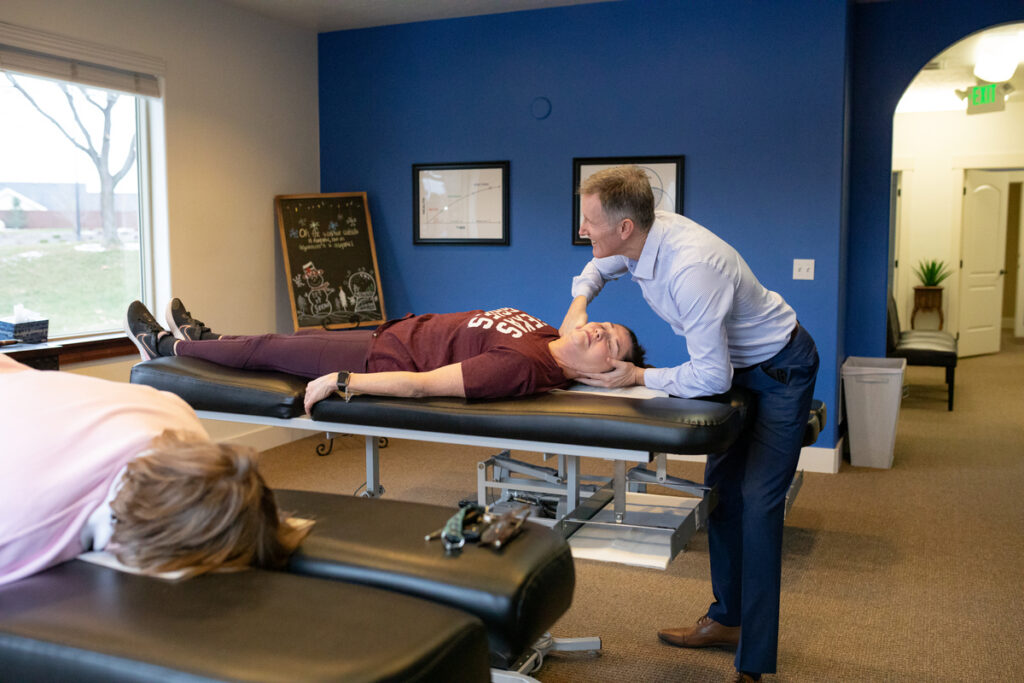

As a local chiropractor, I want to share how simple lifestyle changes can greatly enhance your back health. Many people are unaware of the significant impact that posture, regular stretching, and core strengthening can have on overall well-being. It’s not just about alleviating pain; it’s about fostering a healthier lifestyle that supports your spine.
If you’re curious about how you can make these adjustments in your daily routine, let’s delve into some effective strategies. By incorporating these practices, you can not only prevent back pain but also improve your overall quality of life. Remember, a healthy back is essential for a healthy you!
Understand the Importance of Good Posture
As a local chiropractor, I want to emphasize the crucial role that good posture plays in your overall health and well-being. It’s not just about how you look; it’s about how your body functions. When you maintain proper posture—whether sitting or standing—you help distribute your weight evenly across your body. This alignment minimizes strain on your muscles and spine, which can prevent issues like back pain and enhance blood circulation and digestion.
Many people don’t realize that poor posture, such as slouching or leaning forward, can lead to muscle fatigue and discomfort over time. It’s essential to be proactive in maintaining good posture to support your body’s natural alignment and health.
To help you achieve this, I recommend keeping your shoulders back and ensuring your head is aligned with your spine. If you’re sitting, make sure your feet are flat on the floor, and your knees are bent at a right angle. When standing, distribute your weight evenly between both feet.
You may notice that maintaining good posture not only boosts your confidence but also increases your energy levels. By being mindful of your posture throughout the day, you can significantly reduce the risk of developing chronic back pain and other related issues.
As your chiropractor, I’m here to guide you on this journey to better posture and overall health through natural healing practices. Let’s work together to improve your well-being!
Incorporate Regular Stretching Into Your Routine
As a local chiropractor, I want to emphasize the importance of incorporating regular stretching into your daily routine. Not only can this practice significantly alleviate back pain, but it can also enhance your overall flexibility and mobility.
I encourage you to explore a variety of effective stretching exercises that specifically target your back and the surrounding muscles. By doing so, you can help support the natural alignment of your spine and improve your overall health.
Additionally, understanding how often to stretch is crucial for maintaining a consistent practice. Aim to incorporate stretching into your routine several times a week to reap long-term benefits.
Benefits of Stretching
As a local chiropractor, I often see patients who underestimate the importance of stretching in their daily routines. However, incorporating stretching can lead to significant benefits, especially when it comes to preventing back pain.
First and foremost, stretching enhances flexibility. When your muscles and joints can move freely, you reduce the chances of strains and injuries that can result from tightness. As we adjust our spine and align our bodies, flexibility plays a crucial role in maintaining that alignment.
Additionally, regular stretching promotes better circulation. This is vital because improved blood flow helps deliver essential nutrients to your muscles and speeds up recovery from any physical activity. It’s a natural way to support your body’s healing processes.
Stretching also encourages proper posture. Many of us have tight muscles that can pull our spines out of alignment, leading to discomfort and pain. By lengthening these muscles through stretching, we can support a more aligned and healthier spine.
Finally, let’s not overlook the mental benefits. Stretching can relieve stress and tension, which are often contributors to back pain. By taking the time to stretch, you not only care for your physical health but also nurture your mental well-being.
Incorporating stretching into your daily routine is a simple yet effective way to promote a healthier back and enhance your overall quality of life. As your chiropractor, I encourage you to make it a regular part of your self-care practices.
Recommended Stretching Exercises
As a chiropractor, I often emphasize the importance of incorporating stretching exercises into your daily routine for optimal spinal health and overall well-being. One of the foundational stretches I recommend is the cat-cow stretch. This gentle movement not only enhances flexibility in your spine but also helps to mobilize the vertebrae, which is crucial for maintaining a healthy back.
Next, consider adding the child’s pose to your routine. This stretch is fantastic for releasing tension in your back, promoting relaxation, and alleviating stress, which can often contribute to discomfort and misalignments.
The seated forward bend is another beneficial stretch that targets the lower back and hamstrings, providing relief and improving flexibility in these areas. It’s especially useful if you spend long hours sitting, as it helps counteract the effects of prolonged sitting.
Don’t overlook the standing quadriceps stretch; this exercise is essential for balancing your body and relieving tightness in your legs, which can impact your posture and spinal alignment.
Lastly, the spinal twist is an excellent addition that enhances mobility in your back. It helps keep the spine flexible and can alleviate discomfort by promoting healthy spinal movement.
I recommend holding each stretch for about 15-30 seconds while focusing on your breathing. By integrating these stretches into your daily life, you can significantly improve your back health and reduce the risk of pain.
Stretching Frequency Guidelines
As your local chiropractor, I want to emphasize the importance of incorporating regular stretching into your routine to support your overall health and well-being. Stretching is a key component of maintaining flexibility and preventing muscle tension, which can ultimately help alleviate discomfort and reduce the risk of back pain.
I recommend aiming to stretch at least three to four times a week. It’s beneficial to include a mix of dynamic stretches before engaging in physical activities to warm up your muscles and static stretches afterward to promote recovery. If possible, stretching daily is even more advantageous, particularly for those of you with tight muscles.
Each stretching session should last about 10 to 15 minutes, focusing on major muscle groups such as your back, hips, and legs. It’s essential to listen to your body; if you notice areas of tightness, consider increasing your stretching frequency.
Finding a consistent time that fits your schedule—whether in the morning, during breaks, or before bedtime—can help make stretching a regular habit.
Strengthen Core Muscles for Better Support
As a chiropractor, I want to emphasize the importance of strengthening your core muscles for better back support. A strong core is crucial for stabilizing your spine, which can significantly reduce your risk of injury and discomfort.
By focusing on exercises that engage your abdominal, oblique, and lower back muscles, you can improve your posture and balance, both of which are essential for maintaining a healthy spine.
I recommend incorporating exercises like planks, bridges, and bicycle crunches into your weekly routine. These exercises not only help build strength but also increase flexibility, which is vital for preventing back pain.
To reap the benefits, aim for at least two to three core workouts each week. Start at a comfortable pace and gradually increase the intensity as you build strength.
Additionally, remember to engage your core during everyday activities, such as sitting or lifting objects, as this can significantly enhance your spinal support.
Prioritizing core strengthening can lead to less strain on your back and a noticeable reduction in discomfort. By taking these steps, you’re not just improving your core; you’re also investing in your overall well-being.
If you have any questions or need guidance on specific exercises, feel free to reach out—I’m here to help you on your journey to better health!
Choose the Right Mattress and Pillow
As a local chiropractor, I want to emphasize the importance of choosing the right mattress and pillow for your overall health and well-being.
The quality of your sleep directly impacts how your back feels each day, and investing in the right sleeping arrangements can be a game-changer for your spinal health.
A mattress that supports the natural curvature of your spine is crucial. Aim for one that strikes a balance between firmness and comfort; if it’s too soft, it can lead to misalignment, and if it’s too hard, it can create uncomfortable pressure points.
When you’re shopping for a mattress, I recommend lying down in your typical sleep position for at least 10 minutes. This will give you a better idea of how the mattress feels and whether it provides the support your body needs.
Pillows are equally important in maintaining proper alignment. A good pillow should keep your neck aligned with your spine. For those who sleep on their sides, a thicker, firmer pillow is often beneficial, while back sleepers may find that a flatter pillow works best.
It’s also vital to replace your mattress and pillows every 7-10 years. Over time, wear and tear can diminish the support they provide, which could lead to discomfort and pain.
By taking the time to choose the right mattress and pillow, you can significantly enhance your sleep quality and help reduce back pain.
Maintain a Healthy Weight
As a local chiropractor, I want to emphasize the importance of maintaining a healthy weight for your overall well-being, especially when it comes to preventing back pain. Carrying excess weight can place additional strain on your spine and the surrounding muscles, leading to discomfort and an increased risk of injury. By managing your weight effectively, you can reduce this strain and allow your back to function optimally.
To achieve and maintain a healthy weight, it’s essential to focus on balanced nutrition. I encourage you to incorporate a variety of fruits, vegetables, lean proteins, and whole grains into your daily meals.
It’s also important to steer clear of processed foods and sugary snacks, as these can contribute to unwanted weight gain.
Portion control is another crucial aspect of maintaining a healthy weight—it’s easy to overeat, especially when dining out. Paying attention to the amounts you consume can make a significant difference.
Additionally, staying well-hydrated can help manage your appetite and support your overall health.
Remember, a well-balanced lifestyle not only helps you maintain a healthy weight but also supports your spine and overall body function.
If you have any questions or need guidance on nutrition and weight management, feel free to reach out during your next visit. Your health is our priority!
Stay Active With Regular Exercise
As a local chiropractor, I want to emphasize the importance of staying active to prevent back pain. Regular exercise is crucial for maintaining a healthy spine and overall well-being.
Engaging in physical activity not only strengthens your muscles but also enhances flexibility and improves your posture—all essential factors that support your spine.
Here are four effective exercises I recommend incorporating into your daily routine:
- Walking: Aim for at least 30 minutes each day. This low-impact exercise is beneficial for your back and helps keep your body moving without undue strain.
- Stretching: Pay special attention to your hamstrings and lower back. Regular stretching can help alleviate tension and improve your range of motion, which is vital for spinal health.
- Strength Training: Focus on exercises that target your core, such as planks and bridges. A strong core provides better support for your spine and can significantly reduce the risk of back pain.
- Yoga or Pilates: These practices are fantastic for enhancing flexibility and promoting good posture. Both can contribute to a healthier spine, helping to alleviate discomfort and improve your overall posture.
Incorporating these exercises into your routine can make a significant difference in your spinal health and overall quality of life.
If you have any questions or need guidance on how to start, feel free to reach out!
Practice Safe Lifting Techniques
As a local chiropractor, it’s important to me that you understand the significance of proper lifting techniques, especially if you’re new to the concepts of chiropractic care and natural healing. Lifting heavy objects incorrectly can lead to serious back injuries, which can affect your overall well-being.
To protect your spine and maintain a healthy body, it’s essential to plan your lifts thoughtfully. Before you attempt to lift that box, take a moment to assess its weight and think about how you can lift it safely. Position yourself close to the object and ensure your feet are shoulder-width apart to create a stable base.
Remember, it’s crucial to bend at your knees rather than your waist, while keeping your back straight. This technique allows your leg muscles to do the heavy lifting, reducing the risk of strain on your back. When you lift, keep the object close to your body. This simple adjustment minimizes strain on your spine and helps you maintain better balance.
As you rise, engage your core muscles; they play a vital role in supporting your spine throughout the lifting process. If you find that the object is too heavy or cumbersome, don’t hesitate to ask for assistance or utilize tools like dollies or lifting straps.
By adopting these safe lifting techniques, you not only shield your back from injury but also encourage a healthier, more active lifestyle. Remember, your spine is the foundation of your health, and caring for it through proper lifting can lead to a more vibrant life.
If you have any concerns about your lifting technique or back health, feel free to reach out; I’m here to help you on your journey to natural healing.
Limit Time Spent Sitting
As a chiropractor, I want to emphasize the importance of limiting the time you spend sitting, especially if you’re working long hours at a desk.
It’s crucial to stand up regularly and take movement breaks throughout your day. This not only helps to alleviate tension but also promotes better posture and spinal health.
Additionally, optimizing your workspace is key; ensuring that your chair and desk are ergonomically designed can significantly reduce strain on your back and neck.
Incorporating these habits into your daily routine can lead to a healthier lifestyle and improve your overall well-being.
Stand Up Regularly
As a local chiropractor, I want to share an important insight with you: sitting for extended periods can be a significant contributor to back pain. What may feel like a cozy chair can actually become a source of discomfort.
To help alleviate this issue, I encourage you to stand up regularly throughout your day. Here are some practical tips to help you weave more standing into your daily routine:
- Set a Timer: Consider using your phone or computer to set reminders every 30 to 60 minutes to prompt you to stand up. This small action can make a big difference in your posture and comfort.
- Use a Standing Desk: If feasible, think about transitioning to a standing desk for part of your workday. This change can help you maintain a healthier spine alignment while you work.
- Take Phone Calls Standing: Whenever you’re on a call, try to stand up. This not only encourages better posture but can also help you stay more engaged in the conversation.
- Stretch While Standing: While you’re on your feet, incorporate simple stretches to relieve tension in your muscles. This can help prevent stiffness and discomfort throughout your day.
By integrating these habits into your routine, you can support your spinal health and overall well-being.
Incorporate Movement Breaks
As a local chiropractor, I want to share some valuable insights on how to enhance your back health. One of the simplest yet most effective ways to do this is by limiting the time you spend sitting. You don’t need to make major lifestyle changes; even small adjustments can lead to significant improvements.
I recommend setting a timer to remind yourself to stand up and move every 30 to 60 minutes. During these movement breaks, take the opportunity to stretch, walk around, or engage in quick exercises that strengthen your core and back muscles. For instance, when you’re on the phone, try pacing instead of remaining seated.
If you work from home, consider alternating between sitting and standing while you tackle your tasks. These small changes can make a big difference in keeping your spine flexible and strong, ultimately reducing the risk of pain.
Optimize Your Workspace
As a local chiropractor, I want to emphasize how crucial an ergonomic workspace is for your back health.
By making some adjustments to your environment, you can significantly reduce the time spent in a sedentary position and alleviate strain on your back.
Here are four essential tips that I recommend for creating a healthier workspace:
- Adjust Your Chair: It’s vital that your chair provides adequate support for your lower back. Ensure that your feet are flat on the floor to promote good posture and spinal alignment.
- Monitor Height: Position your computer screen at eye level. This simple adjustment can prevent unnecessary neck strain and help maintain a neutral spine while you work.
- Use a Standing Desk: Consider incorporating a standing desk into your routine. Alternating between sitting and standing keeps your body more engaged and can reduce the risk of back pain.
- Footrests and Supports: Don’t underestimate the value of footrests or lumbar supports. These tools can help you maintain proper posture and support your spine throughout the day.
By optimizing your workspace, you can take proactive steps towards better back health.
Manage Stress and Practice Relaxation Techniques
As a chiropractor, I want to emphasize how crucial it’s to manage stress for your overall well-being, particularly in preventing back pain. High stress levels can result in muscle tension and discomfort, which is why it’s essential to explore effective relaxation techniques.
One simple yet powerful method is incorporating deep breathing exercises into your daily routine. Just a few minutes of focused breathing can help calm your mind and relieve tension in your back. It’s a small effort that can yield significant benefits.
Another beneficial practice is mindfulness meditation. Taking a moment to sit quietly and tune into your thoughts can greatly reduce stress and enhance your awareness of your body. This awareness is key in maintaining a healthy spine and overall physical health.
Additionally, I highly recommend yoga. This practice uniquely combines physical movement with breath control, fostering relaxation and improving flexibility, which can alleviate back pain and enhance your overall wellness.
Don’t underestimate the power of regular physical activity. Even short walks can elevate your mood and significantly lower stress levels.
Lastly, make sure to carve out time for hobbies or activities that bring you joy. By managing your stress and integrating relaxation techniques into your routine, you aren’t only nurturing your mental health but also supporting a healthier back.
Conclusion
As your local chiropractor, I’m here to help you take charge of your back health and reduce the risk of pain through simple lifestyle changes. One of the most important things you can do is prioritize good posture. Whether you’re sitting at a desk or standing, being mindful of your alignment can make a significant difference.
Regular stretching is another key component of maintaining a healthy back. It keeps your muscles flexible and can help prevent discomfort. Additionally, strengthening your core is essential for providing better support to your spine. Simple exercises can enhance your stability and reduce strain on your back.
Staying active is crucial too. Incorporating movement into your daily routine not only helps manage your weight but also promotes overall health. Speaking of weight, maintaining a healthy weight can alleviate unnecessary pressure on your back.
When it comes to lifting, be sure to practice safe techniques to avoid injury. Bend at the knees, keep your back straight, and don’t hesitate to ask for help with heavy items.
I also encourage you to limit your sitting time, as prolonged sitting can contribute to back pain. And don’t overlook the importance of managing stress; it can affect your body in ways you might not realize.
Remember, small adjustments in your daily habits can lead to significant improvements in your overall well-being and spinal health. If you have any questions or need guidance on these changes, feel free to reach out. I’m here to support you on your journey to a healthier back!