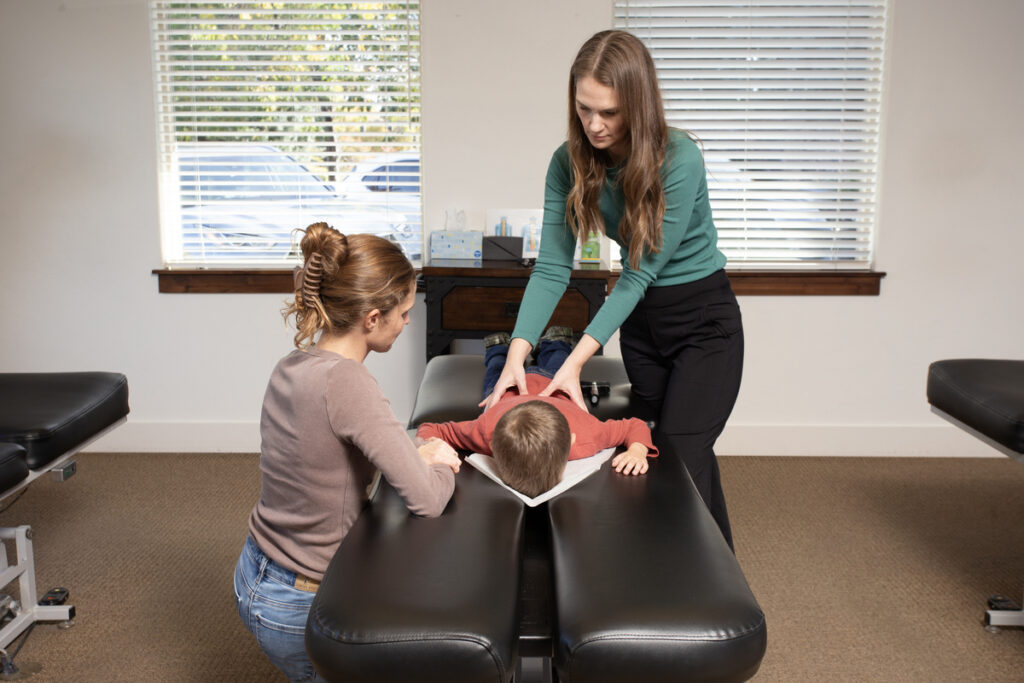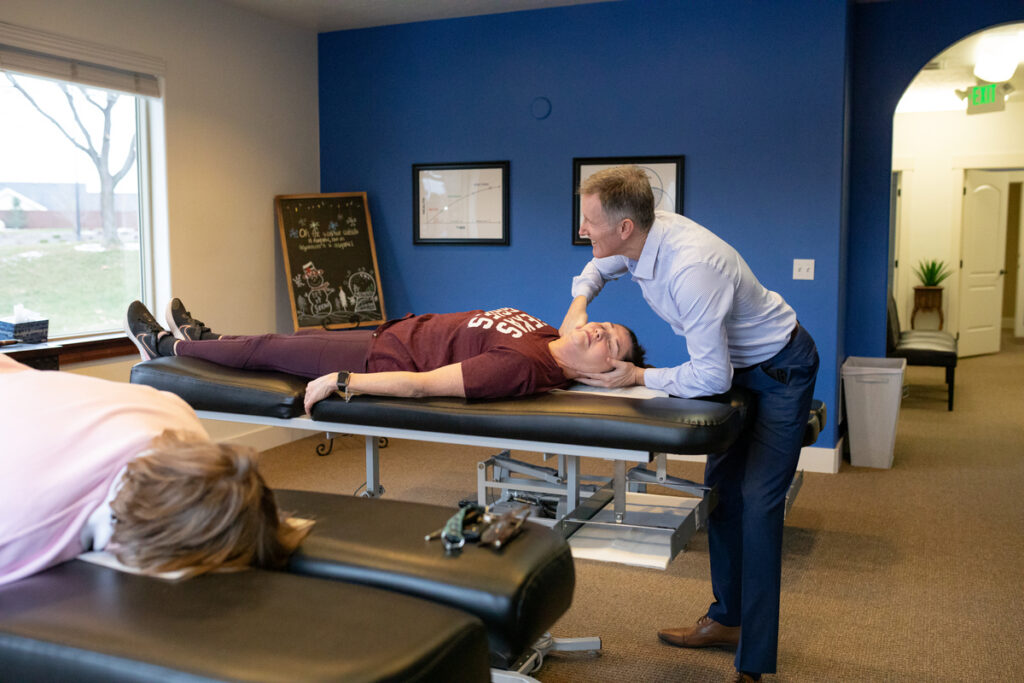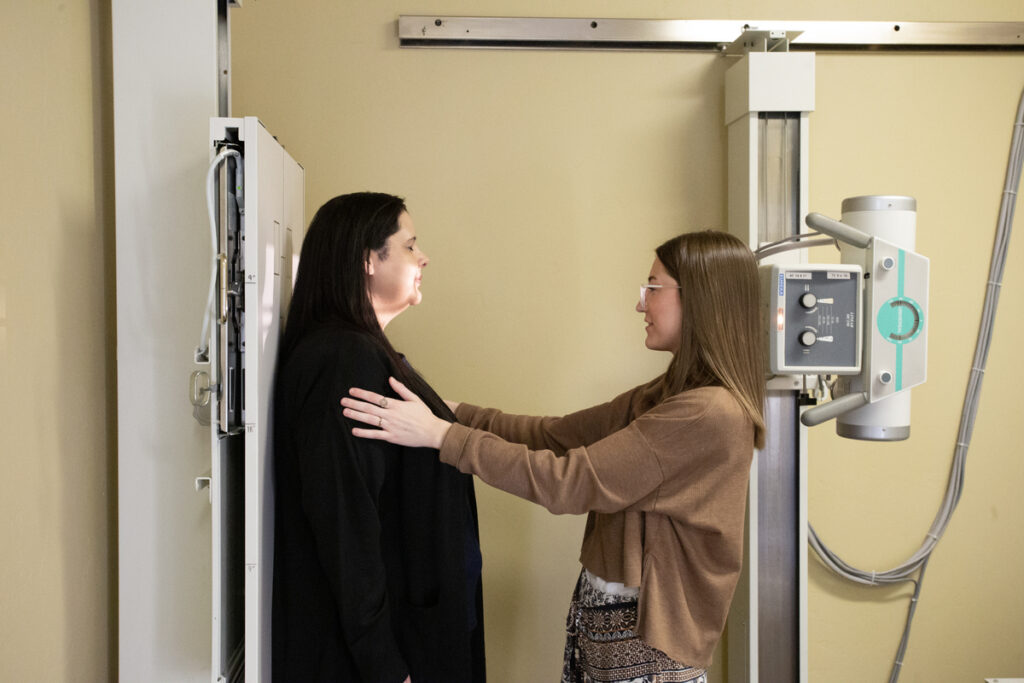

As a local chiropractor, I want to reassure you that if you’re experiencing back pain due to poor posture, you’re certainly not alone. Many individuals face discomfort from spending long hours at desks or sitting inappropriately. Fortunately, there are straightforward strategies I can guide you through that can help alleviate this pain.
It starts with understanding the importance of your workspace setup and how it affects your posture. By making some adjustments to your desk, chair, and even your computer screen height, you can create a more ergonomic environment that supports your spine. Additionally, incorporating regular movement throughout your day is crucial. Simple activities like stretching or taking short walks can significantly help relieve tension.
Before diving into these changes, it’s vital to recognize the underlying causes of your pain. This awareness allows us to address them effectively through natural healing methods. As your chiropractor, I’m here to educate and support you on this journey towards better posture and a healthier back. Together, we can make meaningful changes that will enhance your overall well-being.
Understanding the Impact of Poor Posture
As a local chiropractor, I want to take a moment to discuss something that often flies under the radar: the significant impact of poor posture on your overall health. Many individuals don’t realize how slouching or hunching over can lead to various issues, including muscle tension, back pain, and even headaches.
When your body is out of alignment, it puts unnecessary strain on your spine, which can affect not just your mobility but also your energy levels. Over time, neglecting good posture can contribute to chronic pain conditions, making even simple daily tasks feel more challenging.
You may find yourself feeling more fatigued or experiencing discomfort during activities that you used to enjoy. It’s crucial to understand that your posture plays a vital role in your well-being. By becoming aware of how it affects your body, you can take proactive steps toward improvement.
In my practice, I’ve seen firsthand how simple adjustments—like being mindful of your sitting and standing positions—can lead to significant changes in how you feel on a day-to-day basis.
Consider incorporating some posture awareness into your routine, and if you’re looking for guidance, I’m here to help you on your journey to better health through natural healing and chiropractic care.
The Importance of Ergonomic Workspaces
As a local chiropractor, I want to emphasize the importance of creating an ergonomic workspace, especially for those of you who spend long hours at a desk. An ergonomic setup is crucial for reducing strain on your body and helps prevent the development of posture-related issues, such as back pain.
To start, ensure your chair is adjusted so that your feet rest flat on the floor and your knees are at a right angle. Your desk should be positioned at elbow height, allowing your arms to rest comfortably while typing. This alignment is key in maintaining proper posture throughout your workday.
It’s also vital to position your computer screen at eye level, about an arm’s length away, to avoid leaning forward, which can lead to neck and back strain. I recommend using a supportive chair that encourages good posture, and if possible, consider a sit-stand desk. Alternating between sitting and standing can greatly benefit your spine and overall health.
Additionally, don’t overlook the importance of proper lighting to reduce eye strain, which can also affect your posture as you lean in closer to see your screen.
By implementing these ergonomic practices, you’ll not only create a more comfortable workspace but also enhance your productivity and protect your back health over time.
Stretching Exercises for a Healthy Back
As a local chiropractor, I want to emphasize the importance of incorporating a daily stretching routine for maintaining a healthy back.
Many of my patients may not be familiar with how targeted stretches can significantly relieve tension and improve flexibility. By focusing on specific muscle groups, we can alleviate discomfort and enhance your overall spinal health.
Allow me to share some effective stretching exercises that can help keep your back feeling its best, supporting the natural healing processes of your body.
Daily Stretch Routine
As a local chiropractor, I want to emphasize the importance of maintaining a healthy back through a daily stretch routine. Many of my patients are often surprised to learn how simple stretches can significantly impact their overall well-being.
I recommend starting each day with accessible stretches, such as the cat-cow pose. This dynamic movement not only improves flexibility but also helps relieve built-up tension in your back.
Incorporating the child’s pose into your routine is another excellent way to gently stretch your spine and hips, promoting relaxation and mobility.
Standing forward bends can further benefit your back and hamstrings by elongating these areas and alleviating stiffness. Don’t overlook the value of side stretches; they enhance your lateral mobility, which is crucial for daily activities.
I suggest dedicating just 10-15 minutes each day to these stretches, focusing on your breath and holding each position for 15-30 seconds.
Consistency is vital! By committing a few minutes daily to stretching, you’ll help prevent stiffness, promote a healthier back, and make everyday activities much easier.
Targeted Muscle Relief
As your local chiropractor, I want to share some effective stretching exercises that can help relieve your back pain and improve your overall mobility.
It’s important to focus on specific muscle groups, particularly your hamstrings, hip flexors, and lower back muscles.
To target your hamstrings, stand tall and slowly reach for your toes. Hold this position for 20-30 seconds to feel the gentle stretch in the back of your legs.
For your hip flexors, kneel on one knee and gently push your hips forward. This stretch should be felt in the front of your hip.
For your lower back, a simple yet effective stretch involves lying on your back and bringing your knees up to your chest. Hold this position for a moment to release tension in your lower back.
Incorporating these stretches into your daily routine can significantly enhance your flexibility and alleviate discomfort.
Remember, consistency is essential for achieving lasting results. By taking these proactive steps, you can experience a noticeable improvement in your back pain and overall comfort.
If you have any questions about these exercises or about chiropractic care in general, feel free to reach out!
Strengthening Core Muscles
As a local chiropractor, I want to emphasize the importance of strengthening your core muscles for maintaining good posture and preventing back pain. A stable core is crucial as it supports your spine and enhances your overall body mechanics.
By focusing on your core strength, you can significantly improve your health and well-being.
Let’s delve into some effective exercises that will help you develop this vital strength. These exercises not only contribute to a stronger core but also promote better alignment and function of your entire body, paving the way for a more active and pain-free lifestyle.
Importance of Core Stability
As a local chiropractor, I want to emphasize the vital role core stability plays in your overall health, particularly in maintaining proper posture and preventing back pain.
When your core muscles are strong and well-coordinated, they provide crucial support for your spine. This support allows you to stand tall and move with greater efficiency. A stable core lessens the strain on your back by helping your body distribute weight evenly, which can significantly minimize the risk of injury.
Many people don’t realize that everyday activities—such as sitting at your desk or lifting groceries—rely heavily on a stable core. If your core isn’t strong, you may find yourself slouching or using poor body mechanics, which can lead to discomfort and pain over time.
By prioritizing core stability, you can improve your posture and make daily activities more manageable, all while reducing the likelihood of back pain.
Stronger core muscles not only support a healthier back but also contribute to your overall well-being. Let’s work together to strengthen your core and enhance your quality of life through natural healing and chiropractic care!
Effective Core Exercises
As a local chiropractor, I often emphasize the importance of a strong core for overall health and wellness. A strong core not only supports the spine but also improves posture and can significantly reduce back pain.
To help you strengthen this vital area, I recommend incorporating these four effective exercises into your routine:
- Plank: Begin in a push-up position, ensuring your body is in a straight line from head to heels. Hold this position for 30 seconds while consciously engaging your core muscles. This exercise is excellent for building endurance in your core.
- Bridge: Lie on your back with your knees bent. Gently lift your hips towards the ceiling while squeezing your glutes at the top of the movement. This exercise not only strengthens the core but also targets the glutes and lower back.
- Dead Bug: Lie on your back and raise your arms towards the ceiling while your knees are bent at 90 degrees. Slowly lower one arm and the opposite leg towards the floor, then return to the starting position and alternate. This movement helps to enhance coordination and core stability.
- Russian Twist: Sit on the floor with your knees bent and lean back slightly. With your hands together, twist your torso to one side, then to the other. This exercise engages your obliques and improves rotational strength.
Integrating these exercises into your weekly routine can greatly enhance your core stability, which is essential for maintaining a healthy spine and preventing injury.
If you have any questions about how these exercises can benefit you or if you’re interested in learning more about chiropractic care, feel free to reach out!
Mindfulness and Body Awareness
As a chiropractor, I often emphasize the importance of being mindful of your body and its posture. Many of my patients are surprised to learn that simple awareness can significantly alleviate posture-related back pain.
By tuning into how you carry yourself throughout the day, you can catch tension and discomfort before they turn into more serious issues.
I recommend dedicating a few minutes each day to focus on your posture. Find a comfortable position, whether sitting or standing, and take some deep breaths.
Pay attention to any areas that feel tight or strained, and consciously work on relaxing those muscles.
Throughout your daily activities, take the time to periodically check in with your posture. Are your shoulders slumped forward? Is your back overly arched?
Making even small adjustments can lead to big improvements in how you feel.
As you develop this awareness, you’ll naturally begin to correct your posture, which can help reduce the risk of back pain and contribute to your overall well-being.
Proper Footwear for Better Support
As a chiropractor dedicated to helping you achieve optimal health, I want to emphasize the importance of proper footwear in maintaining good posture and alleviating back pain. Many people overlook how their feet can impact their overall alignment.
Here are some essential tips to ensure your shoes provide the necessary support for your body:
- Choose Arch Support: It’s crucial to select shoes with built-in arch support. This feature helps distribute your body weight evenly, reducing strain on your spine and promoting better posture.
- Opt for a Firm Sole: Look for shoes with a sturdy sole. A firm foundation offers better stability, which can help minimize foot fatigue and support your overall alignment.
- Avoid High Heels: High heels can significantly disrupt your body’s natural alignment, leading to discomfort and pain. Instead, I recommend opting for lower, more stable heel options that help maintain your posture.
- Select the Right Size: Proper fit is vital for your comfort and posture. Shoes that are too tight or too loose can lead to discomfort and negatively impact your alignment. Always ensure your shoes fit well to promote better support.
By paying attention to your footwear, you can contribute to your overall health and well-being.
If you have any questions or need further assistance, feel free to reach out during your next visit!
The Role of Sleep in Posture
As a local chiropractor, I want to emphasize how crucial your sleep position is for maintaining good posture and overall back health.
The way you sleep can significantly affect how your spine aligns and how your body feels during the day. Additionally, selecting the right mattress is vital; it should provide the proper support that your body needs while you rest.
By understanding and optimizing these factors, we can work together towards improving your posture and reducing any discomfort or pain you may experience.
Let’s delve deeper into how quality sleep and proper support can lead to a healthier, pain-free life.
Sleep Position Matters
As a local chiropractor dedicated to your well-being, I want to share some important insights about how your sleep position can significantly impact your posture and overall back health.
Many individuals may not recognize the connection, but the way you sleep can either promote a healthy spine or lead to discomfort. Here are some key recommendations to consider for better sleep and spinal health:
- Sleep on your back: This position is ideal as it helps maintain the natural curve of your spine, reducing stress on your back and neck.
- Utilize a supportive pillow: A good pillow is essential. It should properly align your neck with your spine, helping to alleviate any tension that may build up during the night.
- Avoid stomach sleeping: While it may feel comfortable, sleeping on your stomach can place undue strain on your neck and back, often leading to misalignment and discomfort.
- Consider side sleeping: If you prefer this position, I recommend placing a pillow between your knees. This simple adjustment can help keep your hips aligned and support your spine.
By being mindful of your sleep position, you can take proactive steps toward improving your posture and overall spinal health.
If you have any questions or would like to discuss further, don’t hesitate to reach out!
Mattress Support Importance
As a local chiropractor, I often see patients who underestimate the significance of proper mattress support in achieving good posture during sleep. Many may not realize that the right mattress plays a crucial role in maintaining spinal alignment.
A supportive mattress strikes a balance between firmness and cushioning, which is vital for reducing pressure points and preventing unnecessary strain on your back.
When you sleep on a mattress that’s too soft or has seen better days, it can lead to poor sleeping positions, ultimately resulting in discomfort and pain.
It’s essential to consider your preferred sleep position—whether you sleep on your side, back, or stomach—when selecting a mattress that meets your needs.
Investing in a quality mattress tailored to your individual preferences can have a profound impact on your sleep quality and help alleviate posture-related back pain.
Remember, a well-supported night’s sleep isn’t just about comfort; it’s integral to your overall health and well-being.
Prioritizing proper mattress support can make a significant difference in how you feel each day.
Techniques for Sitting Correctly
As a local chiropractor, I want to emphasize the importance of sitting correctly, not only for alleviating back pain but also for enhancing your overall comfort and well-being.
Here are some key techniques to help you maintain proper posture while seated:
- Feet Flat: It’s essential to keep your feet flat on the ground or utilize a footrest. This simple adjustment helps maintain your balance and minimizes strain on your lower back, contributing to better spinal health.
- Knees at Hip Level: Aim to position your knees at or slightly below hip level. This alignment encourages your spine to maintain its natural curvature, which is crucial for preventing discomfort and promoting long-term health.
- Back Support: I recommend using a chair that offers lumbar support or placing a small cushion behind your lower back. This will help support the natural curve of your spine and prevent you from slumping, which can lead to further issues.
- Screen Height: Adjust your computer screen to eye level. This adjustment is vital in preventing you from leaning forward or craning your neck, both of which can cause significant discomfort and strain over time.
By incorporating these techniques into your daily routine, you can support your spine’s health and reduce the likelihood of pain.
Incorporating Movement Into Your Day
As a local chiropractor, I want to emphasize the importance of incorporating movement into your daily routine for a healthy back and overall wellness. You don’t need to dedicate hours at the gym; even small adjustments in your day can lead to significant benefits.
I recommend setting a timer to remind yourself to stand up and stretch every hour. Engaging in simple activities, such as walking around your home or office, can greatly relieve tension and enhance circulation, which is vital for spinal health.
You can also integrate movement into your everyday tasks. Opt for the stairs instead of the elevator, or park further from your destination to encourage walking. Even household chores—like vacuuming or gardening—are excellent forms of beneficial activity that keep your body moving.
Consider taking short exercise breaks throughout your day. Just five to ten minutes of stretching or light exercises can rejuvenate both your body and mind.
When to Seek Professional Help
As a local chiropractor dedicated to your well-being, I want to help you understand when it might be time to seek professional assistance for your back pain. If your discomfort isn’t improving with self-care techniques, it’s important to consult a healthcare professional like myself.
Here are some key signs to watch for:
- Persistent Pain: If your pain lasts longer than a few weeks or seems to get worse instead of better, it’s a signal that something may need more attention.
- Numbness or Tingling: If you experience unusual sensations in your legs or feet, this could indicate that nerves are affected, and that’s something we should evaluate.
- Loss of Function: Struggling to carry out daily activities, such as bending or lifting, is a clear indication that your body may need professional support.
- Accompanied Symptoms: If you notice unexplained weight loss, fever, or issues with bladder or bowel control, it’s crucial to seek help right away.
Ignoring these signs can lead to further complications down the line. Trust your instincts; your health is a priority.
As a chiropractor, I’m here to guide you towards relief and better health through natural healing methods. Don’t hesitate to reach out and discover how I can assist you on your journey to wellness.
Conclusion
As a local chiropractor, I want to share some simple yet effective tips to help you alleviate posture-related back pain. It’s essential to regularly check your posture throughout the day. Many people are unaware of how they sit or stand, so being mindful is crucial. Setting up your workspace ergonomically—ensuring your chair, desk, and computer are aligned properly—can make a significant difference in your comfort.
Incorporating stretching and core-strengthening exercises into your routine is also vital for maintaining a healthy spine. These practices help support your posture and reduce tension in your back muscles. I encourage you to stay active and make sure you’re moving around during the day, as prolonged sitting can exacerbate discomfort.
By prioritizing these habits, not only will you improve your posture, but you’ll also enhance your overall well-being. If you find that your pain persists despite these efforts, please don’t hesitate to reach out to me for professional guidance. Chiropractic care can offer additional support and help you on your journey to better health.