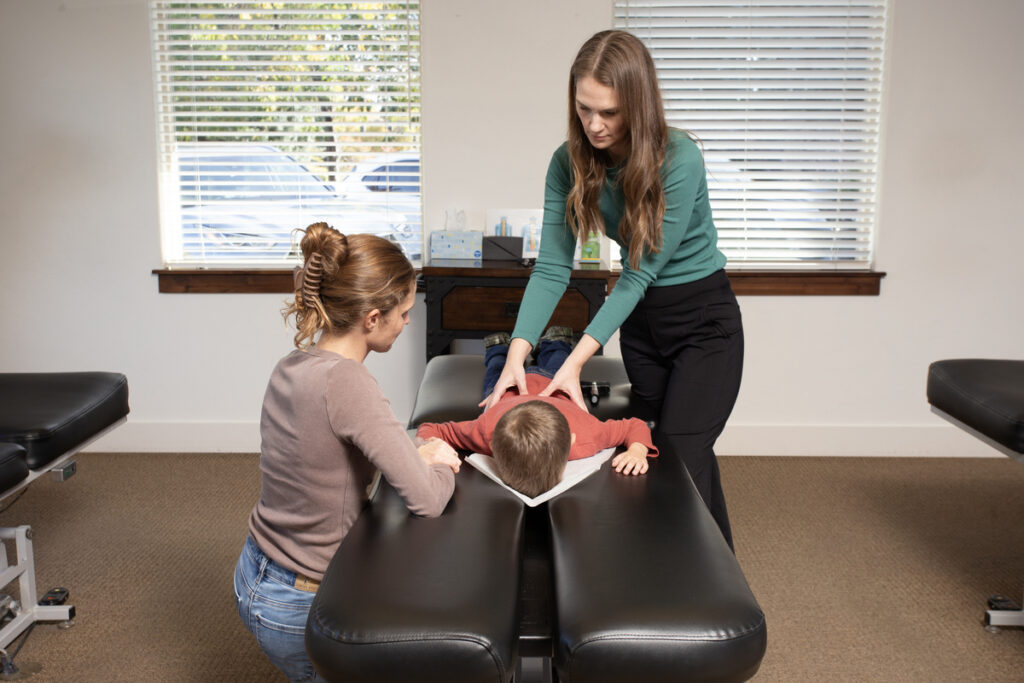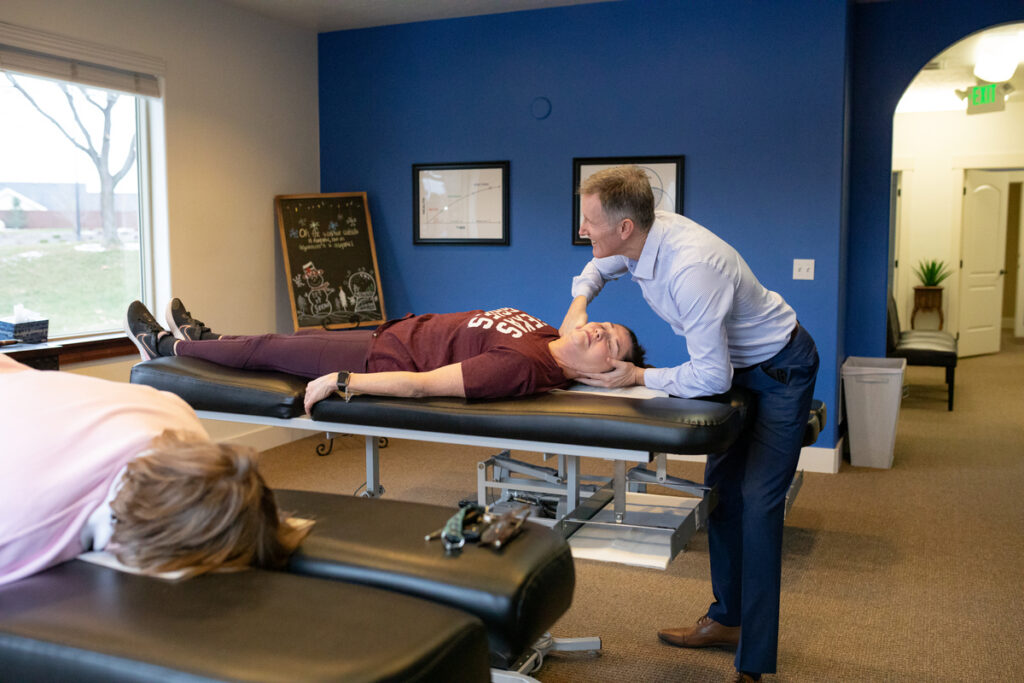

As a local chiropractor, I understand that back pain can significantly impact athletes’ performance. Many athletes may not realize that addressing the root causes of discomfort is crucial for both recovery and prevention. Implementing effective strategies, such as proper warm-ups and core strengthening exercises, can lead to substantial improvements in your overall well-being.
If you’re wondering how you can alleviate back pain and enhance your athletic performance, I’m here to guide you through some essential approaches. Chiropractic care focuses on natural healing methods that promote optimal function of your spine and nervous system, which can ultimately enhance your training experience. Let’s delve into some key strategies that could transform your approach to sports and help you stay at the top of your game.
Understanding the Causes of Sports-Related Back Pain
As a local chiropractor, I want to shed light on an important topic: sports-related back pain. Many athletes, whether amateur or professional, often underestimate the stress that their activities place on their bodies, particularly the back. This area is frequently subjected to strain from poor posture, improper techniques, and overexertion during physical activities. Each twist, jump, or lift can put significant pressure on your spine, leading to discomfort.
If you’re pushing beyond your limits without adequate conditioning, you might find yourself dealing with muscle strains or ligament sprains, both of which can be quite painful. Additionally, sports that involve repetitive motions—like tennis or golf—often lead to chronic pain in the back, as these actions can wear on the spine over time.
It’s also important to consider how tight hip flexors and hamstrings may be affecting your alignment and mobility, potentially leading to back issues. Even something as simple as wearing the wrong shoes can worsen your back pain.
Understanding the causes of your back discomfort is crucial to your overall well-being. By being aware of how your sports activities impact your back, you can take proactive measures to prevent injuries and discomfort. Always listen to your body and pay attention to any warning signs it may give you.
Importance of Proper Warm-Up Techniques
As a local chiropractor, I often see athletes who are eager to dive right into their sport without considering the importance of proper warm-up techniques. Skipping this essential step can lead to back pain and other injuries.
Warm-ups are crucial for preparing your body, increasing blood flow, and enhancing flexibility, all of which are vital for optimal performance.
When you dedicate time to warming up, you’re not simply getting your muscles ready; you’re also setting a mental stage for the challenges ahead. Incorporating dynamic movements such as leg swings and arm circles is particularly beneficial. These exercises elevate your heart rate and engage your core, which plays a significant role in supporting your spine during any physical activity.
By taking this proactive approach to warming up, you can significantly lower your risk of strains or sprains, helping you to stay active and injury-free.
Effective Stretching Exercises for Back Pain Relief
As a local chiropractor, I want to emphasize how effective stretching exercises can significantly help alleviate back pain.
When you incorporate targeted muscle stretches into your daily routine, you’re not just increasing your flexibility; you’re also aiding in the recovery process.
It’s important to understand that stretching after any physical activity can relieve tension in your muscles and help prevent future discomfort.
Targeted Muscle Stretch Techniques
As a chiropractor, I often see patients dealing with back pain, and I want to share some effective targeted muscle stretch techniques that can help alleviate discomfort.
These stretches focus on specific muscle groups, ultimately improving flexibility and reducing tension in your back.
One great starting point is the cat-cow stretch. This gentle movement helps to mobilize your spine by alternating between arching and rounding your back. It’s a simple yet effective way to get your body moving.
Another beneficial stretch is the seated forward bend. This stretch targets your hamstrings and lower back, providing relief and increased flexibility. Aim to hold each stretch for about 20-30 seconds while breathing deeply—this helps enhance relaxation and the effectiveness of the stretch.
Don’t overlook the child’s pose, either! This position allows your back to decompress while simultaneously stretching your hips, promoting relaxation throughout your body.
Lastly, I recommend the piriformis stretch. This stretch is particularly useful for targeting tightness in your glutes and lower back, which can often contribute to discomfort.
By consistently practicing these targeted stretches, you can help alleviate back pain and promote a healthier, more flexible spine.
Daily Stretching Routine Tips
As a chiropractor, I want to emphasize the importance of incorporating a daily stretching routine into your wellness plan, especially if you’re dealing with back pain.
Starting each day with gentle stretches can significantly help in relieving discomfort and promoting overall spinal health.
Begin your morning with stretches that target key areas like your hamstrings, hip flexors, and lower back. A straightforward yet effective stretch involves lying on your back, pulling one knee toward your chest, holding it for about 20 seconds, and then switching to the other side. This simple move helps to release tightness and improve mobility.
Additionally, the cat-cow stretch is excellent for enhancing flexibility in your spine. This involves alternating between arching your back and rounding it, which can alleviate tension in your back muscles.
Remember to include side stretches as well; reaching overhead and leaning to each side helps elongate your spine and further promotes flexibility.
I recommend dedicating at least 10-15 minutes each day to your stretching routine. It’s crucial to listen to your body and adjust the intensity as needed.
Making stretching a consistent part of your daily routine can greatly aid in managing your back pain and support your journey toward natural healing.
Post-Exercise Stretch Benefits
As your local chiropractor, I want to emphasize the importance of effective post-exercise stretching for your recovery and overall spinal health. Many of my patients are surprised to learn that stretching after a workout can significantly alleviate back pain and improve flexibility.
When you take the time to stretch, you reduce muscle tension, which is crucial for preventing injuries. I encourage you to focus on key areas such as your hamstrings, hip flexors, and lower back—these are often the culprits behind discomfort and tightness.
Incorporating simple stretches into your routine, like the seated forward bend or cat-cow pose, can work wonders in releasing that tightness and enhancing blood flow to your muscles.
Remember, holding each stretch for 15-30 seconds is essential. This allows your muscles to relax and recover more effectively, paving the way for a healthier back.
Don’t overlook these vital moments after exercising; they play a fundamental role in preventing chronic pain and maintaining your overall well-being.
By making post-exercise stretching a regular part of your routine, you’ll likely notice a significant improvement in your comfort and physical performance.
As always, I’m here to support you on your journey to better health through natural healing methods like chiropractic care and effective stretching practices.
Strengthening Your Core to Support Your Back
As a local chiropractor, I often see patients who overlook the importance of their core muscles when it comes to maintaining back health. While many focus on strengthening their limbs for better athletic performance, neglecting the core can lead to ongoing back pain and discomfort.
The core muscles—comprising the abdominals, obliques, and lower back—play a crucial role in stabilizing your spine and ensuring balance during various activities, whether you’re playing sports or simply going about your daily life.
To help strengthen your core and support your back, consider incorporating exercises such as planks, bridges, and Russian twists into your routine. These movements engage multiple core muscles, which can enhance your overall stability and provide essential support for your back.
I recommend aiming for at least two to three core workouts each week, gradually increasing the intensity as you become more comfortable with the exercises.
Additionally, it’s vital to prioritize proper form while performing these exercises. Poor technique can lead to unnecessary strain on your body, potentially negating the benefits you’re trying to achieve.
By focusing on strengthening your core, you not only protect your back from injury but also improve your athletic performance, allowing you to engage in your favorite activities without pain.
The Role of Proper Posture in Injury Prevention
As a local chiropractor, I want to emphasize the important role that proper posture plays in injury prevention. Being aware of how you position your body during everyday activities and sports can significantly lower your risk of injury.
Maintaining good posture not only alleviates strain on your body but also enhances your overall performance. Here are some essential tips I encourage you to incorporate into your daily routine:
- Align your ears, shoulders, and hips: Keeping these body parts in a straight line helps distribute your weight evenly and reduces unnecessary stress on your spine. This alignment is crucial for maintaining a healthy back.
- Engage your core: Strengthening your core is vital for providing support to your back. A strong core not only aids in maintaining stability while moving but also helps prevent injuries that can arise from improper body mechanics.
- Avoid slouching: Whether you’re sitting at a desk or standing, it’s important to keep your shoulders back and your chest open. This posture helps prevent muscle fatigue and promotes better circulation, which can lead to enhanced energy and well-being.
Remember, being mindful of your posture is a simple yet powerful way to protect your body and improve your health.
If you have any questions about posture or how chiropractic care can support your journey to better health, feel free to reach out.
Choosing the Right Footwear for Your Sport
As a chiropractor, I want to emphasize that maintaining proper posture is just one piece of the puzzle when it comes to preventing injuries; selecting the right footwear is equally essential for your overall health and athletic performance.
The shoes you choose can significantly influence your comfort and how well your body functions during physical activities. Each sport has unique demands, which means it’s vital to find footwear that provides the specific support and cushioning you need.
For example, if you’re a runner, look for shoes that offer plenty of shock absorption to protect your joints. On the other hand, if you play basketball, choose shoes designed with ankle support and traction in mind to help prevent injuries.
When you try on shoes, ensure they fit snugly while still allowing some space for your toes to move. It’s also important to consider arch support, as proper alignment is crucial for reducing the risk of back pain and other musculoskeletal issues.
Additionally, think about the surface on which you’ll be playing; outdoor shoes are different from indoor ones in terms of grip and durability, which can impact your performance and safety.
By taking the time to choose the right footwear, you can’t only enhance your athletic performance but also contribute to your long-term health and well-being.
If you have any questions about how your footwear may be affecting your posture or overall health, feel free to reach out. Your body will thank you!
Utilizing Supportive Gear for Enhanced Stability
As a local chiropractor, I want to emphasize the importance of using the right supportive gear when engaging in sports. Proper footwear isn’t just about enhancing your performance; it’s crucial for protecting your back as well. The right shoes provide the necessary support, which can significantly reduce the risk of back pain and injury.
Furthermore, utilizing back supports can play a vital role in stabilizing your spine during physical activity. When your spine is properly supported, you can concentrate on your game without the distraction of discomfort.
Importance of Proper Footwear
As a local chiropractor, I want to emphasize the crucial role that proper footwear plays in maintaining your spinal health and preventing sports-related back pain. Many people underestimate how much the shoes they wear can impact their overall well-being.
Here are some important reasons why investing in quality footwear is essential for your health:
- Arch Support: Shoes with proper arch support help to distribute your weight evenly across your feet. This not only reduces strain on your feet but also helps maintain the alignment of your spine, which is vital for preventing discomfort and pain.
- Cushioning: Quality footwear with good cushioning absorbs shock effectively. This means that during physical activities, the impact on your joints and lower back is significantly reduced, leading to a lower risk of injury over time.
- Fit and Stability: Wearing well-fitted shoes ensures you have the stability you need while moving. Ill-fitting shoes can cause unnecessary movements that strain your back and lead to pain. Proper footwear helps keep your body in alignment and reduces the likelihood of developing issues.
Remember, taking care of your feet is an essential step in taking care of your spine. By choosing the right shoes, you can support your body’s natural alignment and promote overall health.
If you have any questions about how footwear can impact your back health or would like personalized recommendations, feel free to reach out to my office. Your well-being is my priority!
Benefits of Back Supports
As a local chiropractor, I want to emphasize the importance of back supports in enhancing your overall stability and reducing the risk of injury during sports and physical activities.
These supports play a crucial role in maintaining proper posture, ensuring that your spine remains aligned as you move. By providing extra stability, back supports can alleviate pressure on your lower back, which allows you to focus on your performance without experiencing discomfort.
When you incorporate a back support into your routine, you may find that your confidence increases, allowing you to safely push your limits. This is especially important during activities that involve heavy lifting or high-impact sports, where the risk of strains and injuries is significantly heightened.
Additionally, many of today’s back supports are designed to be lightweight and breathable, making them comfortable to wear for extended periods.
Investing in a quality back support not only protects your body but also enhances your athletic experience. Remember, taking proactive steps towards your spinal health can lead to improved performance and a reduced likelihood of injury.
If you have any questions about the best options for you, don’t hesitate to reach out for personalized advice.
Incorporating Foam Rolling and Massage Therapy
As a local chiropractor, I want to share how incorporating foam rolling and massage therapy can significantly benefit those dealing with back pain. These practices are excellent tools to help release tension in your muscles and improve overall mobility. By including them in your wellness routine, you can find relief from discomfort and enhance your physical performance.
Here are some key benefits to consider:
- Enhanced Blood Circulation: Both foam rolling and massage therapy stimulate blood flow, which can accelerate recovery from workouts and help reduce muscle stiffness.
- Muscle Relaxation: These techniques are effective in loosening tight muscles, allowing for improved movement and enabling you to perform daily activities with greater ease.
- Pain Management: Regular foam rolling and massage can lower pain levels, making it easier for you to engage in physical activities without the persistent discomfort that often holds people back.
For optimal results, I recommend foam rolling both before and after your workouts and scheduling regular massage therapy sessions. This powerful combination can help keep your back healthy and prepared for any challenges you may face.
Staying Hydrated and Maintaining Nutrition
As a local chiropractor, I want to emphasize the importance of staying hydrated and nourishing your body with the right foods to maintain a healthy back, especially during sports activities.
When you consume nutrient-dense foods and drink sufficient water, you not only support your muscle function but also aid in recovery after physical exertion.
It’s crucial to pay attention to the timing of your meals as well; this can significantly impact how you feel both during and after your physical activities.
Importance of Hydration
As a local chiropractor, I often see athletes and fitness enthusiasts who focus heavily on their training and technique, but overlook a crucial aspect of their performance: hydration.
Neglecting to stay hydrated can significantly impact your athletic abilities and increase the risk of injuries. Keeping your body properly hydrated is vital for maintaining energy levels, preventing muscle cramps, and supporting your recovery process.
Here are some important reasons to prioritize hydration:
- Enhances Endurance: When you’re well-hydrated, your body can sustain energy more effectively, allowing you to train and perform at your peak.
- Promotes Muscle Function: Adequate hydration is essential for muscle contractions, which helps reduce the risk of strains and injuries during physical activity.
- Facilitates Recovery: Hydration is key in flushing out toxins and aiding in muscle repair after intense workouts, helping your body recover more efficiently.
I encourage you to make a conscious effort to drink water regularly, especially before, during, and after your workouts.
By doing so, you won’t only support your performance but also enhance your overall well-being. Your body will appreciate the dedication to hydration, and you’ll likely notice improvements in your athletic performance and health.
Nutrient-Rich Food Choices
As a local chiropractor, I want to emphasize the importance of combining hydration with nutrient-rich food choices to optimize your athletic performance and overall health. It’s not just about drinking enough water; the foods you consume play a crucial role in your body’s ability to thrive.
Focus on whole, nutrient-dense foods that offer essential vitamins and minerals. Lean proteins such as chicken, fish, and legumes are vital for muscle recovery, especially if you’re engaged in physical activities. Whole grains like quinoa or brown rice provide sustained energy, helping you power through your workouts.
Incorporating colorful fruits and vegetables into your diet is also key. These foods are rich in antioxidants, which can help reduce inflammation and promote overall well-being.
Don’t overlook healthy fats from sources like avocados, nuts, and seeds; they support joint health and improve nutrient absorption, which is particularly beneficial for maintaining a healthy spine.
Remember, my goal as your chiropractor is to help you understand that true wellness goes beyond just spinal adjustments. By staying properly hydrated and fueling your body with nutrient-dense foods, you can effectively support your physical health and reduce the risk of back pain during your activities.
Let’s work together to create a holistic approach to your health and wellness!
Timing of Meals
As a local chiropractor dedicated to promoting overall health and wellness, I want to emphasize the importance of proper meal timing in relation to your hydration and nutrition. These factors play a significant role in not just your athletic performance, but your overall well-being.
Here are some helpful tips to keep in mind:
- Pre-Workout: It’s beneficial to consume a balanced meal or snack 1-3 hours before you engage in any physical activity. This will provide your body with the fuel it needs to perform optimally.
- During Activity: Staying hydrated is crucial. If you find yourself working out for longer than an hour, consider incorporating quick-digesting carbohydrates to maintain your energy levels.
- Post-Workout: After your exercise, aim to refuel your body with a combination of protein and carbohydrates within 30 minutes. This is vital for muscle recovery and overall healing.
When to Seek Professional Help for Back Pain
As a local chiropractor, I want to help you understand when it’s important to seek professional care for your back pain. If you’ve been experiencing discomfort that lasts more than a few days or if the pain intensifies, it’s a clear signal that you should reach out for help.
Pay special attention to symptoms like numbness, tingling, or weakness in your legs; these could indicate that nerves are involved, which we can effectively address in chiropractic care.
If your back pain started after a fall or injury, don’t wait to consult a professional. It’s also crucial to be aware of other symptoms that may accompany your pain, such as fever, unexplained weight loss, or issues with bowel and bladder control—these signs could point to a more serious underlying condition that may require attention.
Please don’t overlook pain that disrupts your daily activities or prevents you from getting a good night’s sleep. Ignoring these symptoms can lead to chronic problems that are more challenging to treat.
Early intervention is vital for a smoother recovery. Trust your instincts—if something doesn’t feel right, reaching out to a chiropractor not only helps you get back to your daily routine but also allows you to enjoy your favorite activities and sports again.
Conclusion
As a local chiropractor dedicated to helping my patients achieve optimal health, I want to share ten effective solutions to manage and prevent sports-related back pain. First and foremost, it’s crucial to prioritize warming up and stretching before engaging in any physical activity. This prepares your muscles and reduces the risk of injury.
Strengthening your core is another key factor in maintaining a healthy back. A strong core provides support for your spine and helps prevent strain during sports. Additionally, practicing good posture—whether you’re on the field or simply sitting at your desk—can significantly impact your back health.
I also recommend investing in supportive footwear. The right shoes can provide the necessary support for your feet and spine, reducing the likelihood of discomfort. Incorporating foam rolling or massage therapy into your routine is beneficial as it helps relieve muscle tension and improve flexibility.
Remember, staying hydrated and consuming a balanced diet rich in nutrients is vital for your overall well-being and can aid in recovery from physical activities. If you experience persistent or worsening pain, please don’t hesitate to reach out for professional help. As a chiropractor, I’m here to guide you through natural healing methods that will keep you active and allow you to enjoy your favorite sports with greater ease and comfort.