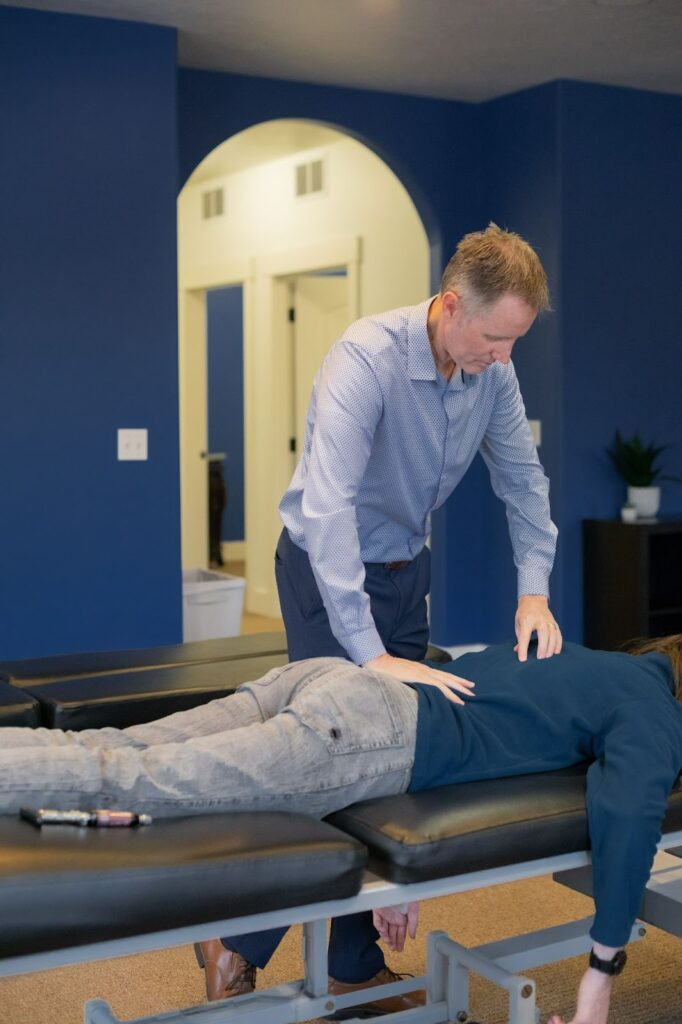

As a local chiropractor, I understand that experiencing muscle strain can be daunting. Many patients often feel overwhelmed when seeking effective relief. Thankfully, there are some surprising yet effective natural solutions that can aid in your recovery process.
Firstly, let’s talk about Epsom salt baths. This simple practice can do wonders for muscle relaxation and recovery. The magnesium in Epsom salt helps reduce inflammation and soothe sore muscles, providing you with much-needed relief.
Next, consider incorporating turmeric into your routine. This vibrant spice is more than just a culinary delight; it boasts powerful anti-inflammatory properties that can significantly aid in reducing pain and speeding up healing.
Lastly, don’t overlook the benefits of foam rolling. This technique can help release tightness in muscles and improve circulation, which is essential for recovery. By incorporating foam rolling into your regimen, you can enhance your overall mobility and comfort.
Curious about how these methods work and how they can transform your recovery routine? Together, we can explore these options and find the best approach for your healing journey. Remember, chiropractic care is not just about immediate relief; it’s about promoting long-term health and wellness.
Epsom Salt Baths: A Soothing Soak
As a local chiropractor, I often recommend natural remedies to my patients for easing muscle strain, and one of the most effective options is Epsom salt baths.
When Epsom salt is dissolved in warm water, it releases magnesium sulfate, which can be absorbed through your skin. This process helps to relax your muscles and reduce inflammation, offering valuable relief after a challenging workout or a long day of physical activity.
To prepare a soothing Epsom salt bath, simply add about two cups of Epsom salt to warm water and soak for 12 to 15 minutes. The combination of warm water and the salt’s properties works wonders in easing tension and promoting a state of relaxation.
For an added touch, consider incorporating essential oils into your bath for a calming aroma that enhances the experience.
It’s important to remember to hydrate after your soak, as Epsom salt can draw moisture from your body.
Turmeric: the Golden Spice With Healing Properties
As a local chiropractor, I often encourage my patients to explore various natural remedies for muscle strain, and one of my favorites is turmeric. This golden spice isn’t only known for its bright color and unique flavor but also for its impressive anti-inflammatory properties.
The active compound in turmeric, called curcumin, helps reduce pain and swelling by blocking inflammatory pathways, which can significantly aid your recovery process.
Incorporating turmeric into your daily routine can be quite simple. You might consider adding it to your smoothies, soups, or even enjoying a warm cup of golden milk.
If you prefer a more concentrated form, there are also turmeric supplements available. An important tip to keep in mind is to pair turmeric with black pepper, as this combination enhances the absorption of curcumin, maximizing its benefits for your body.
As you explore natural healing methods, remember that chiropractic care can also complement these remedies by addressing any underlying musculoskeletal issues, helping you achieve optimal wellness.
Foam Rolling: Myofascial Release for Muscle Recovery
As your local chiropractor, I want to introduce you to foam rolling, a valuable tool for muscle recovery that can significantly enhance your overall well-being, especially after intense physical activity. This technique, known as myofascial release, focuses on relieving tension in tight muscles and connective tissues throughout your body.
Using a foam roller allows you to apply pressure on specific areas of discomfort, helping to break up adhesions and improve blood circulation. This process is vital for recovery, as it promotes healing and reduces muscle soreness.
To begin, I recommend finding a sturdy foam roller. Gently roll over any areas that feel tight or sore, spending about 30 seconds on each spot. Adjust your body weight to control the pressure applied; you may experience some discomfort, which indicates that you’re effectively releasing tension in those muscles.
Incorporating foam rolling into your routine, whether after a workout or on your rest days, can help alleviate muscle soreness and enhance your flexibility.
Remember, consistency is essential; make this practice a regular part of your self-care regimen. Over time, you’ll likely notice an increase in your range of motion and faster recovery times, allowing you to return to your activities with greater strength and vitality.
As always, if you have any questions about foam rolling or how it fits into your overall health plan, feel free to reach out. I’m here to support your journey toward natural healing and optimal health!
Conclusion
As a local Chiropractor, I want to share some surprising solutions that can significantly aid in relieving muscle strain and support your overall muscle health. One effective method is incorporating Epsom salt baths into your routine. Soaking in these baths can help relax your muscles and promote a sense of tranquility.
Another powerful ally in combating soreness is turmeric. This natural spice has remarkable anti-inflammatory properties that can assist in reducing discomfort and promoting healing.
Additionally, I highly recommend foam rolling. This technique promotes myofascial release, which enhances circulation and aids in recovery. By integrating Epsom salt baths, turmeric, and foam rolling into your self-care regimen, you can alleviate discomfort and support your body’s natural healing processes.
I encourage you to give these methods a try and experience the positive impact they can have on your recovery journey!